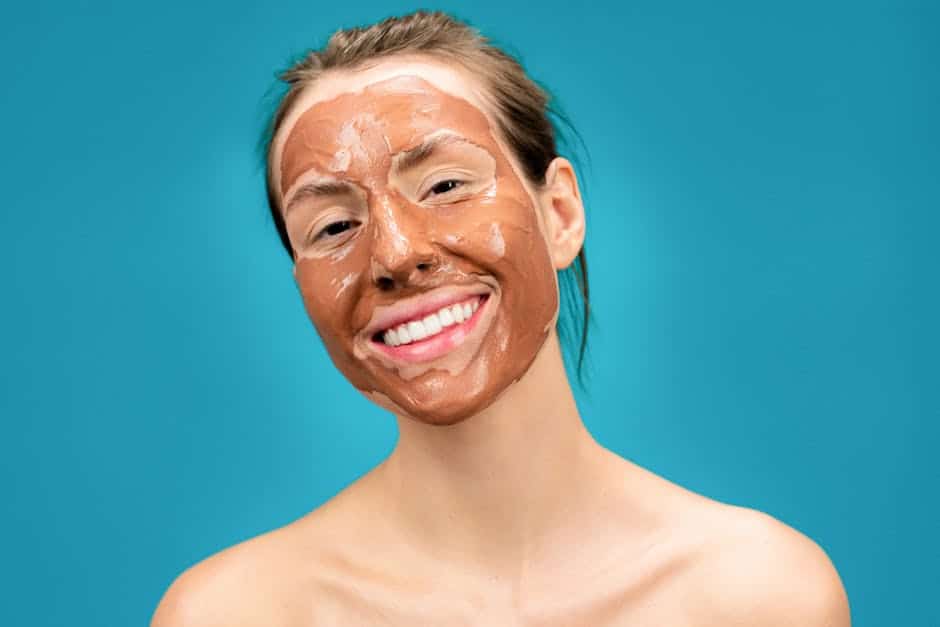
Can You Wear Makeup After a Facial Peel? Here's What You Need to Know First
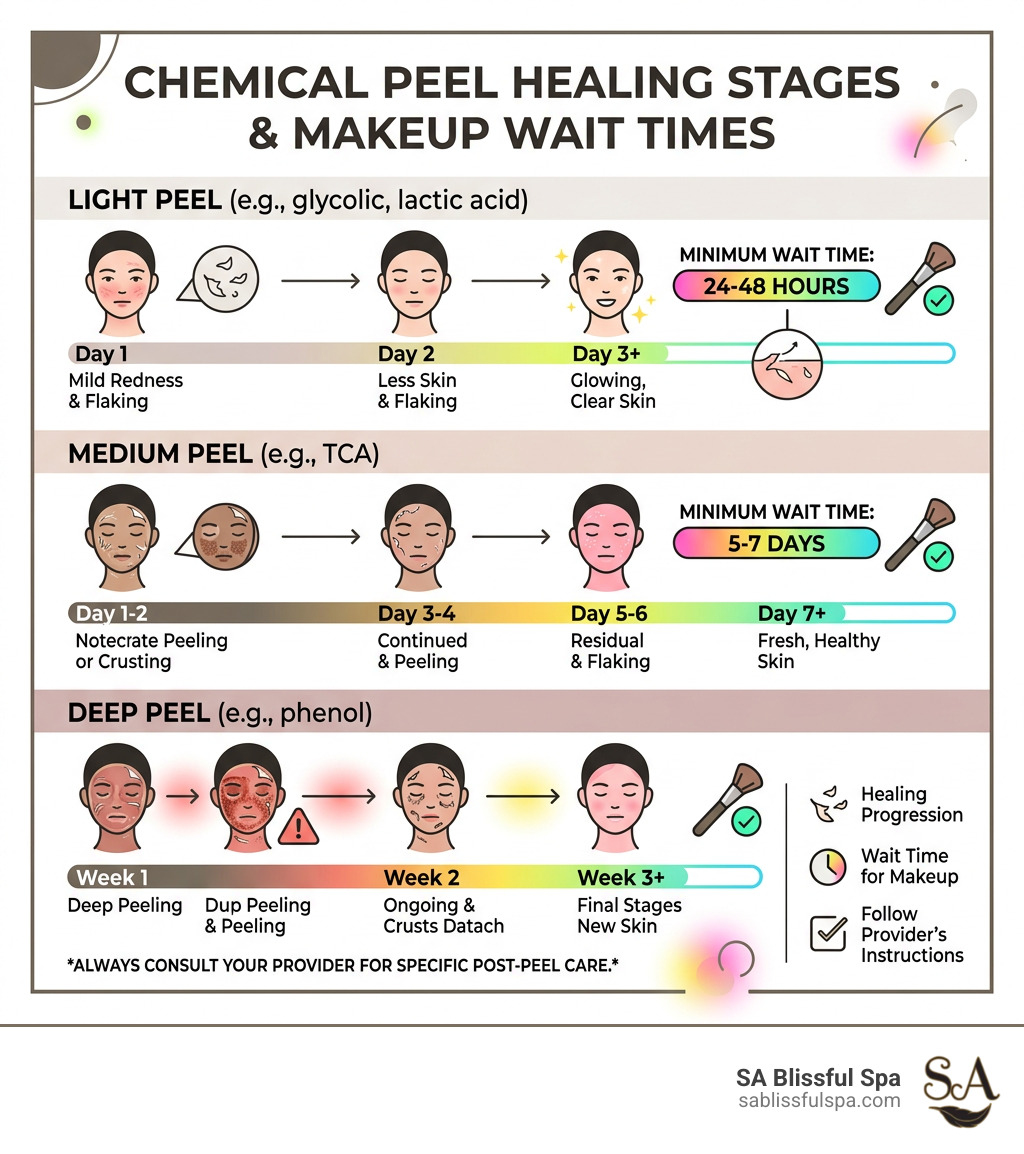
Can you wear makeup after a facial peel — and if so, how soon? The short answer depends on the depth of your peel:
| Peel Type | Wait Time Before Makeup |
|---|---|
| Light peel (e.g., glycolic, lactic acid) | 24-48 hours |
| Medium peel (e.g., TCA) | 5-7 days |
| Deep peel (e.g., phenol) | 10-21 days |
Always follow your provider's specific instructions — these are general guidelines.
Getting a chemical peel is exciting. That fresh, glowing skin underneath is worth it. But the days right after? That's when your skin is at its most vulnerable.
As one dermatological expert puts it, "The skin's reaction to a chemical peel is akin to a controlled wound." And just like any wound, it needs time and the right care to heal properly. Nearly 1 in 5 people who get a chemical peel experience some form of skin irritation or reaction — which makes post-peel care one of the most important parts of the whole process.
Reaching for your foundation too soon can undo the results you paid for — and worse, it can cause real damage.
I'm Saloni Bhandari, licensed esthetician and founder of SA Blissful Spa, and I've guided countless clients through post-peel recovery — including answering the all-important question of can you wear makeup after a facial peel without compromising their results. In the sections below, I'll walk you through exactly what's happening to your skin after a peel and how to safely reintroduce makeup at the right time.
Can you wear makeup after a facial peel vocab explained:
Understanding the Healing Process: Can You Wear Makeup After a Facial Peel?
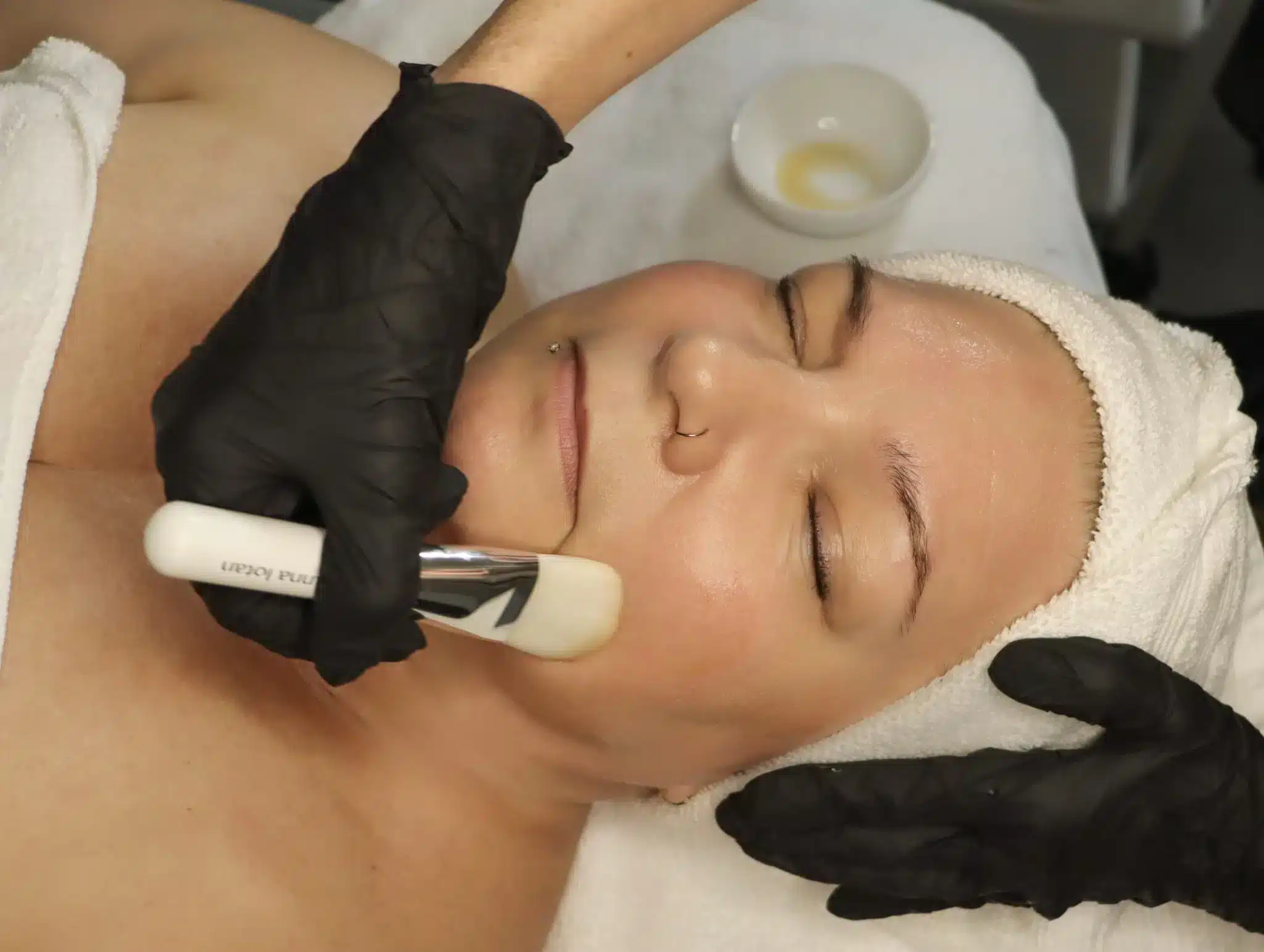
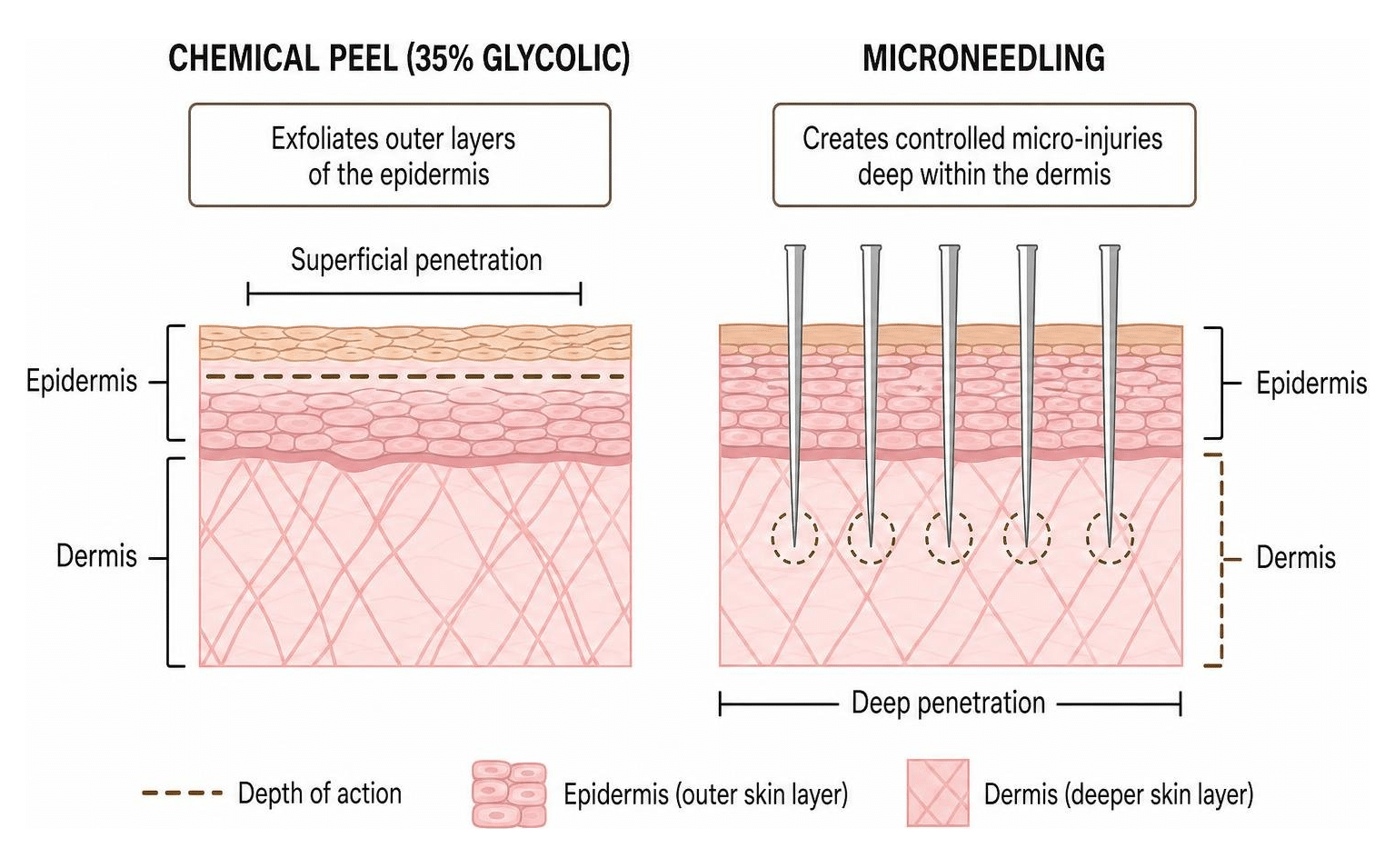
To understand why we ask you to put down the makeup brush, we first need to look at what is a chemical peel and how it interacts with your biology. A chemical peel isn't just a fancy exfoliation; it is a clinical process where a chemical solution is applied to the skin to remove the damaged top layers.
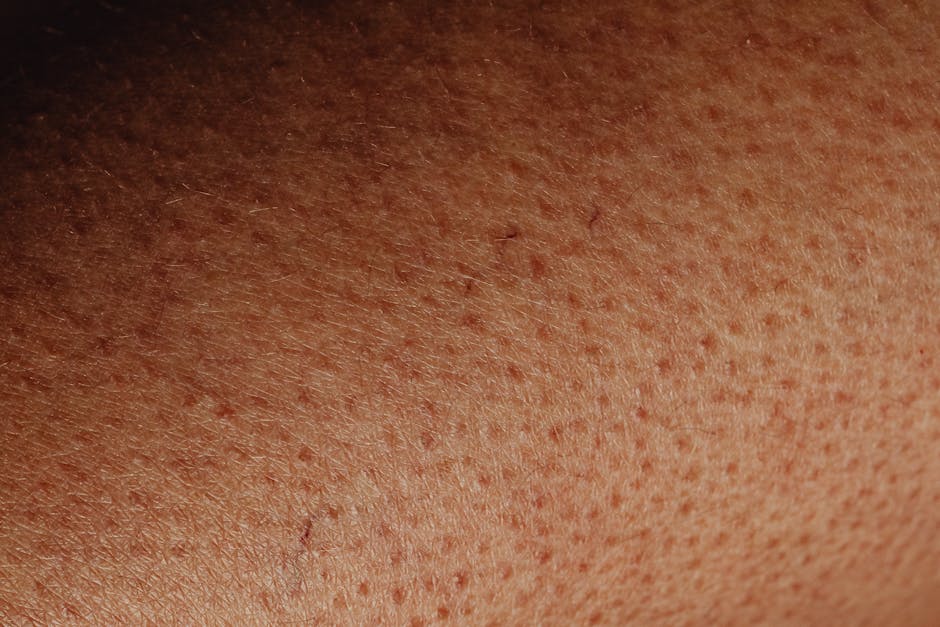
When we perform a chemical peel facial, we are essentially creating a "controlled wound." This sounds scary, but it’s actually the secret to rejuvenation. By removing the old epidermis, we signal the body to rush in and create fresh, new skin cells. However, during this transition, your skin is incredibly sensitive. Proper aftercare following a chemical peel is key to ensuring that this new skin forms without interruption.
Statistics show that nearly 20% of people face irritation or adverse reactions post-peel, often because the delicate new skin was exposed to irritants—like makeup—too early.
How Peels Affect the Skin Barrier
Your skin barrier is your body's first line of defense. A peel temporarily thins this barrier to allow for chemical peel safety ultimate guide protocols to take effect and trigger renewal. During this time, your skin experiences increased "transepidermal water loss" (moisture escaping the skin). If you apply heavy makeup, you aren't just covering redness; you might be trapping bacteria into open pores or suffocating the skin while it’s trying to breathe and regenerate.
Why Patience is Key for Results
We know it's tempting to cover up the flaking, but patience is what leads to that "glass skin" finish. The benefits of chemical peel treatments, such as collagen stimulation and the reduction of fine lines, happen in the days after the appointment. If you pick at the skin or apply makeup that requires vigorous rubbing to remove, you risk pulling off skin that isn't ready to shed. This can lead to raw spots and even scarring. True radiance is a marathon, not a sprint!
The Recovery Timeline: When to Reintroduce Cosmetics
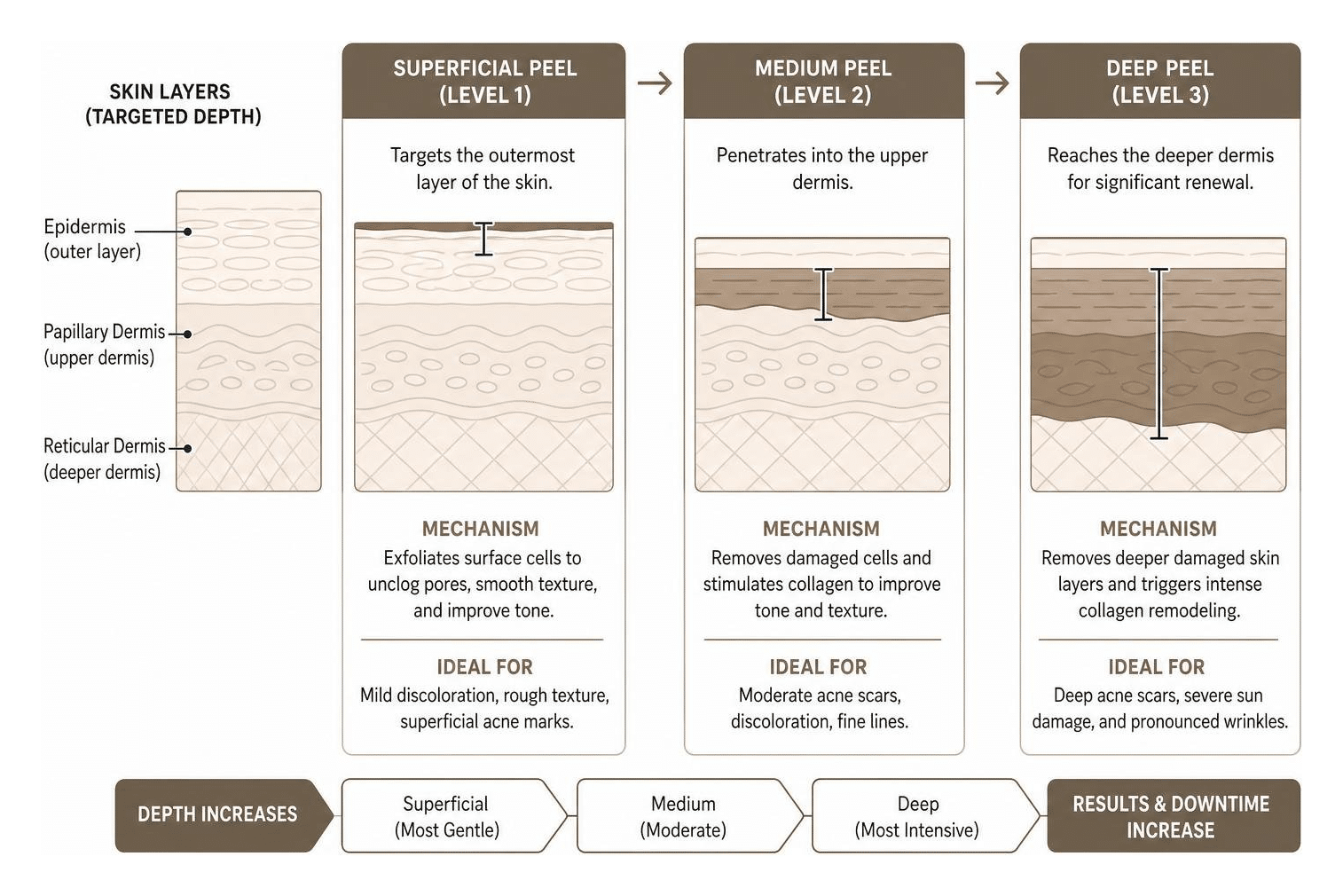
The timeline for when can you wear makeup after a facial peel depends entirely on the "depth" of the treatment. Not all peels are created equal. Some are "lunchtime" refreshes, while others require a week of hiding under a large hat.
When considering the cost of these treatments, average pricing for peels varies based on internet data from $150 for light treatments to over $5,000 for deep phenol peels. These are general market ranges and not the specific pricing at our Burlington or Lexington locations, but they highlight how different these procedures can be.
| Peel Depth | Common Ingredients | Recovery Time | Makeup Resume |
|---|---|---|---|
| Light | Glycolic, Lactic, Salicylic | 3-5 Days | 24-48 Hours |
| Medium | TCA (Trichloroacetic Acid) | 7-14 Days | 5-7 Days |
| Deep | Phenol | 14-21+ Days | 2 Weeks+ |
For a full breakdown of what to expect, check out our facial peels ultimate guide.
Resuming Makeup After a Light or "Lunchtime" Peel
If you’ve had a light chemical peel treatment, such as a mild glycolic or lactic acid peel, your downtime is minimal. These peels only target the outermost layer of the epidermis. Usually, you only need to wait 24 to 48 hours. By the second day, the initial redness has typically subsided, and the skin barrier has begun to stabilize.
Waiting Periods for Medium and Deep Peels
Medium peels, often using TCA, reach deeper into the skin to treat sun damage and wrinkles. These usually involve significant peeling starting around day three. You should wait at least 5 to 7 days until the visible peeling has finished.
Deep peels are a different story. These are major medical procedures. As noted in medical blogs discussing Is Makeup OK After a Chemical Peel?, you may need to wait two weeks or longer. Applying makeup to skin that is still "oozing" or crusting is a recipe for a serious infection.
Risks of Applying Makeup Too Soon After a Chemical Peel
We get it—the "peeling" phase of a chemical peels treatment isn't exactly glamorous. You might have a big meeting in Reading or a dinner date in Winchester and feel the urge to dab on some concealer. Resist the urge!
Applying makeup too early carries several risks:
- Bacterial Infection: Post-peel skin has "open" pathways. Makeup brushes (which are often haven for bacteria) can introduce pathogens directly into the deeper layers of your skin.
- Clogged Pores: Your skin is trying to shed dead cells. Heavy foundations can trap these cells, leading to breakouts and "milia" (tiny white bumps).
- Contact Dermatitis: Ingredients like fragrances and preservatives that you normally tolerate might cause an allergic reaction on freshly peeled skin.
Potential for Scarring and Hyperpigmentation
This is the big one. When skin is irritated, it can trigger a "melanin response." If your makeup causes inflammation, your skin might overproduce pigment as a defense mechanism, leading to Rosacea and hyperpigmentation risks. This is especially true if you are also dealing with after-wax-care-for-sensitive-skin issues simultaneously. You could end up with "skin staining" or dark spots that take months to fade.
Interference with the Peeling Process
The goal of facials and peels is even exfoliation. Makeup acts like a glue, holding down skin flakes that are trying to lift away. This leads to uneven shedding and can compromise the smooth texture you were trying to achieve. Learning how to care for your skin after a chemical peel means letting nature take its course.
Best Practices for Safely Resuming Your Beauty Routine
Once your esthetician gives you the green light, don't just dive back into your old kit. Your "new" skin needs a gentle introduction.
Choosing the Right Safe Makeup After a Facial Peel
When you do start back up, follow these Post-Glycolic Acid Peel Instructions for product selection:
- Mineral-Based: Loose mineral powders are the gold standard. They sit on top of the skin rather than being absorbed and often contain zinc or titanium which are naturally soothing.
- Non-Comedogenic: Ensure the label explicitly says it won't clog pores.
- Fragrance-Free: Avoid the "perfumey" stuff; it's a major irritant for new skin.
- Hydrating Ingredients: Look for makeup infused with hyaluronic acid or aloe vera to support the barrier.
- Tinted Moisturizer with SPF: A mineral-based tinted SPF 30+ is often the best "first step" back into makeup.
Applying Makeup After a Facial Peel Safely
Your application technique is just as important as the product.
- Sanitize Everything: Wash your brushes and sponges with antibacterial soap before the first post-peel application.
- Dab, Don't Rub: Use a damp sponge to gently "stipple" or dab the product onto the skin. Dragging a brush across the face can micro-tear the healing tissue.
- Gentle Removal: When the day is over, don't scrub. Use a gentle micellar water or a creamy, non-soap cleanser to melt the makeup away.
Frequently Asked Questions about Post-Peel Makeup
Can you wear makeup to a facial or chemical peel appointment?
We strongly recommend arriving makeup-free. While we always cleanse your skin before a treatment, starting with a clean slate allows us to perform a better skin assessment. Furthermore, heavy makeup can sometimes leave a residue that interferes with product penetration, reducing the efficacy of your peel.
What signs indicate my skin is ready for makeup application?
Your skin is ready when:
- All visible peeling has stopped completely.
- The "pinkness" or redness has faded to your normal skin tone.
- There is no stinging when you apply your daily moisturizer.
- The texture feels smooth and "closed," rather than tight or raw.
How does peel type, like a VI Peel or Enlighten Peel, affect timing?
Specific branded peels have unique protocols. For example, an Enlighten Peel is designed for pigmentation and often has a very specific 28-day home-care kit that dictates when makeup is allowed (usually after the heavy peeling subsides around day 7). A VI Peel is a "medium-depth" peel that often allows for makeup application after the first 24 hours if you use the specific post-care protectant provided. However, always consult with us for a personalized timeline based on how your skin is reacting.
Conclusion
At SA Blissful Spa, we believe that the best foundation is healthy, glowing skin. While the question of can you wear makeup after a facial peel is one we hear often, our goal is to get your skin to a place where you feel like you don't even need it!
Whether you are visiting us from Arlington, Bedford, or right here in Burlington, our expert estheticians are dedicated to providing customized recovery plans. We don't just give you a treatment; we give you a roadmap to lasting beauty.
Ready to start your journey to radiant skin? Book your chemical peels consultation with us today and let's create a personalized plan that fits your lifestyle and your skin's needs. A few days of patience leads to a lifetime of glow!