When comparing chemical peels to microneedling for atrophic acne scar revision, clinical evidence highlights clear performance differences. While a superficial chemical peel primarily exfoliates the top epidermal layers, microneedling works deeper within the dermis without destroying the surface skin.
In a comparative clinical trial evaluating treatment outcomes using the Goodman and Baron Scarring Grading System, 73.33% of patients (n=22) treated with microneedling achieved significant treatment efficacy (defined as an improvement of more than one grade from baseline). In contrast, only 33.33% of patients (n=10) treated with 35% glycolic acid chemical peels achieved the same level of improvement.
Furthermore, 66.67% of patients (n=20) in the glycolic acid peel group showed no significant clinical efficacy, compared to just 26.67% (n=8) in the microneedling group. You can explore the full scientific comparison of microneedling versus peels for more technical details.
| Feature | Superficial Chemical Peel (35% Glycolic) | Microneedling (Collagen Induction) |
|---|---|---|
| Efficacy Rate (>1 Grade Improvement) | 33.33% | 73.33% |
| No Improvement Rate | 66.67% | 26.67% |
| Epidermal Preservation | Ablates/Exfoliates surface | Keeps barrier largely intact |
| Primary Mechanism | Chemical resurfacing & desquamation | Physical micro-injuries & neocollagenesis |
| Risk of PIH in Darker Skin | Higher (especially with deep peels) | Significantly lower |
The underlying reason for this difference lies in how each procedure interacts with the skin. Microneedling penetrates into the papillary and reticular dermis to release growth factors and stimulate collagen synthesis while leaving the epidermal barrier intact. This preservation speeds up healing and reduces risks.
For clients with Fitzpatrick Skin Types IV through VI (ranging from olive to dark brown and deeply pigmented skin), choosing between these modalities requires extra care. Melanocytes in darker skin are highly reactive to thermal or chemical inflammation, increasing the risk of post-inflammatory hyperpigmentation (PIH).
Because superficial or medium-depth peels rely on acid-driven chemical exfoliation, they can trigger an exaggerated inflammatory response in darker phototypes if not applied carefully.
Microneedling creates mechanical micro-channels while preserving the stratum corneum and basement membrane. By minimizing heat and aggressive epidermal destruction, microneedling significantly lowers the risk of melanocyte overstimulation and post-procedure dyspigmentation. If you’d like to read more on this comparison, check out our guide on Microneedling vs Chemical Peel for Acne Scars.
Not all acne scars respond to the same treatments. Choosing the right approach starts with understanding your specific scar types:
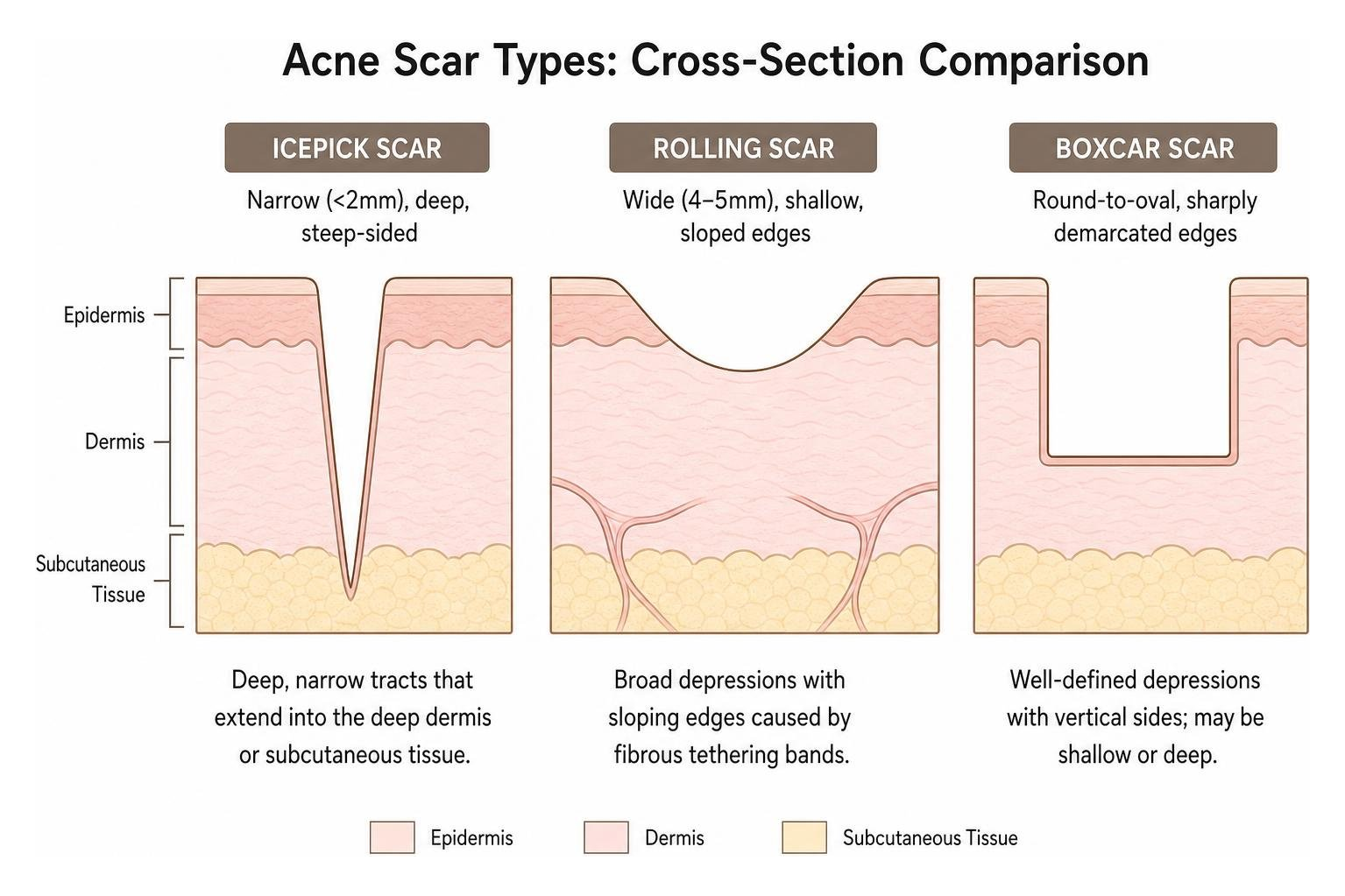
While superficial chemical peels improve skin texture, brightened tone, and minor hyperpigmentation, they are often insufficient for moderate-to-severe atrophic scarring. If you are wondering does a chemical peel help with acne scars, the answer depends heavily on the depth of the peel and the scar depth.
If a standard 35% glycolic acid peel falls short, advanced chemical peel formulations or non-chemical alternatives offer stronger results.

When chemical peeling is utilized for deeper scarring, specialized agents are used:
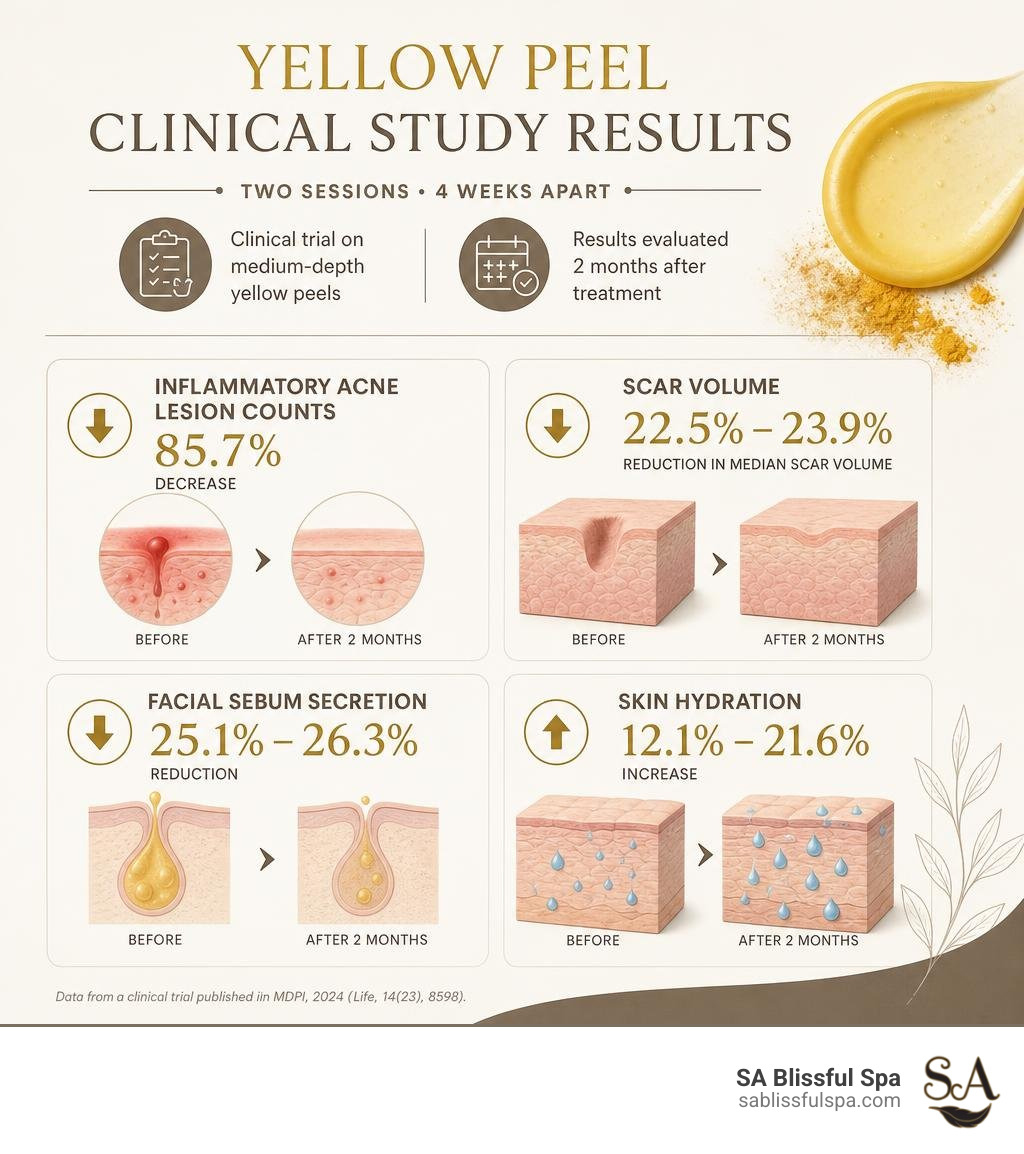
In a clinical trial on medium-depth yellow peels, two sessions spaced four weeks apart achieved:
At-home chemical peels utilize lower acid concentrations (pH > 3.5) suitable only for light, superficial exfoliation. Deep structural atrophic scars cannot be removed with over-the-counter products. Attempting high-strength DIY acid peels carries severe risks of chemical burns and permanent scarring. Learn more about safety limits in our guide on At-Home Chemical Peel for Acne Scars.
When chemical exfoliation is not enough, non-chemical alternatives offer direct collagen stimulation and resurfacing:
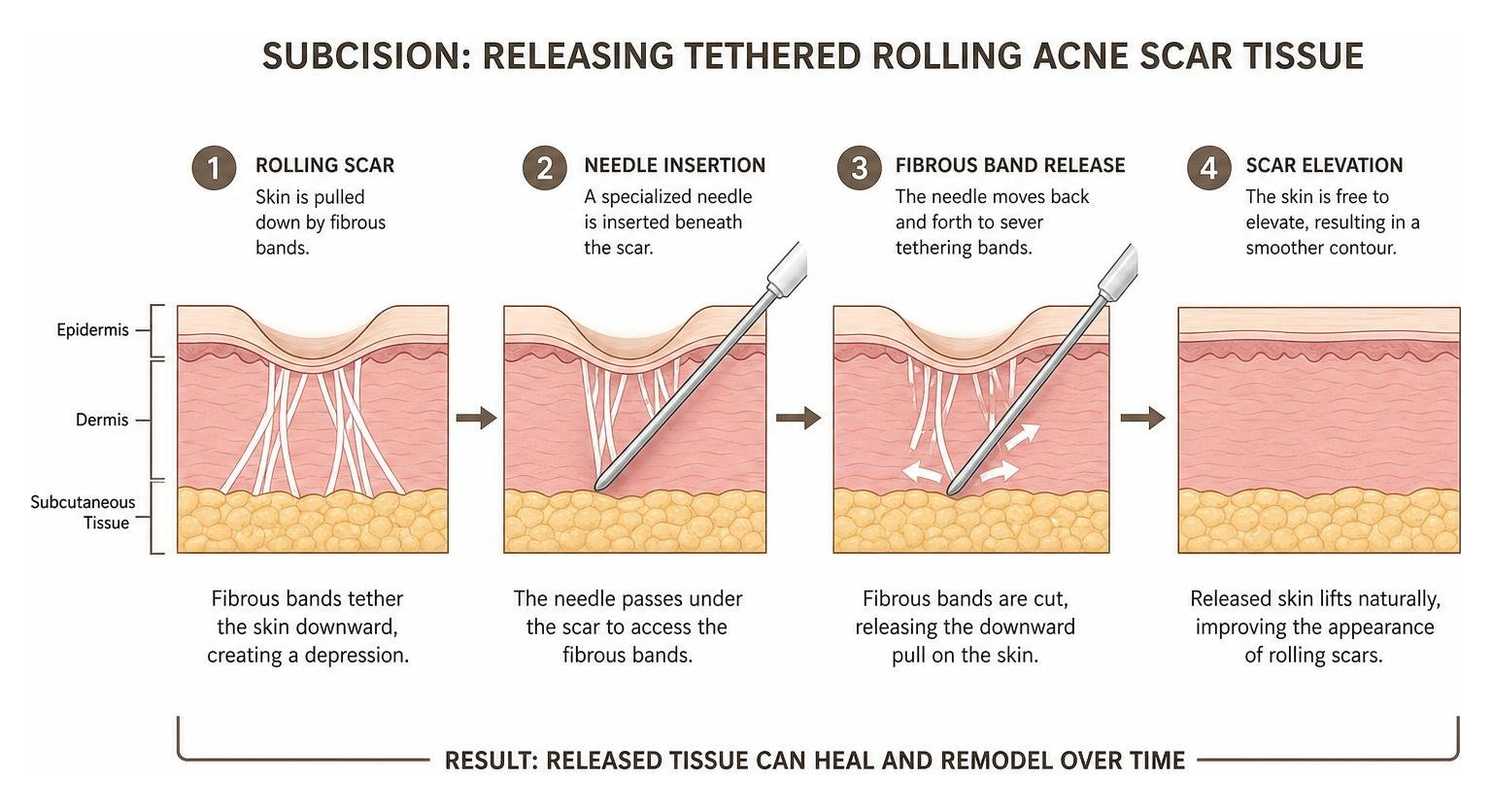
Average costs based on broader internet data typically range across wide brackets depending on geographic market and treatment scope (note that these reflect broad national market ranges and not specific pricing for SA Blissful Spa):
Explore options further in our breakdown of the Best Chemical Peels for Acne Scars.
In clinical practice, achieving smooth skin texture often involves combining complementary modalities rather than relying on a single approach. Reviewing a comprehensive systematic review of peel efficacy shows that tailored combination protocols often deliver superior long-term results.
Combining superficial chemical peels with microneedling leverages two distinct mechanisms: chemical peels accelerate epidermal exfoliation and cell turnover, while microneedling triggers deeper dermal collagen remodeling.
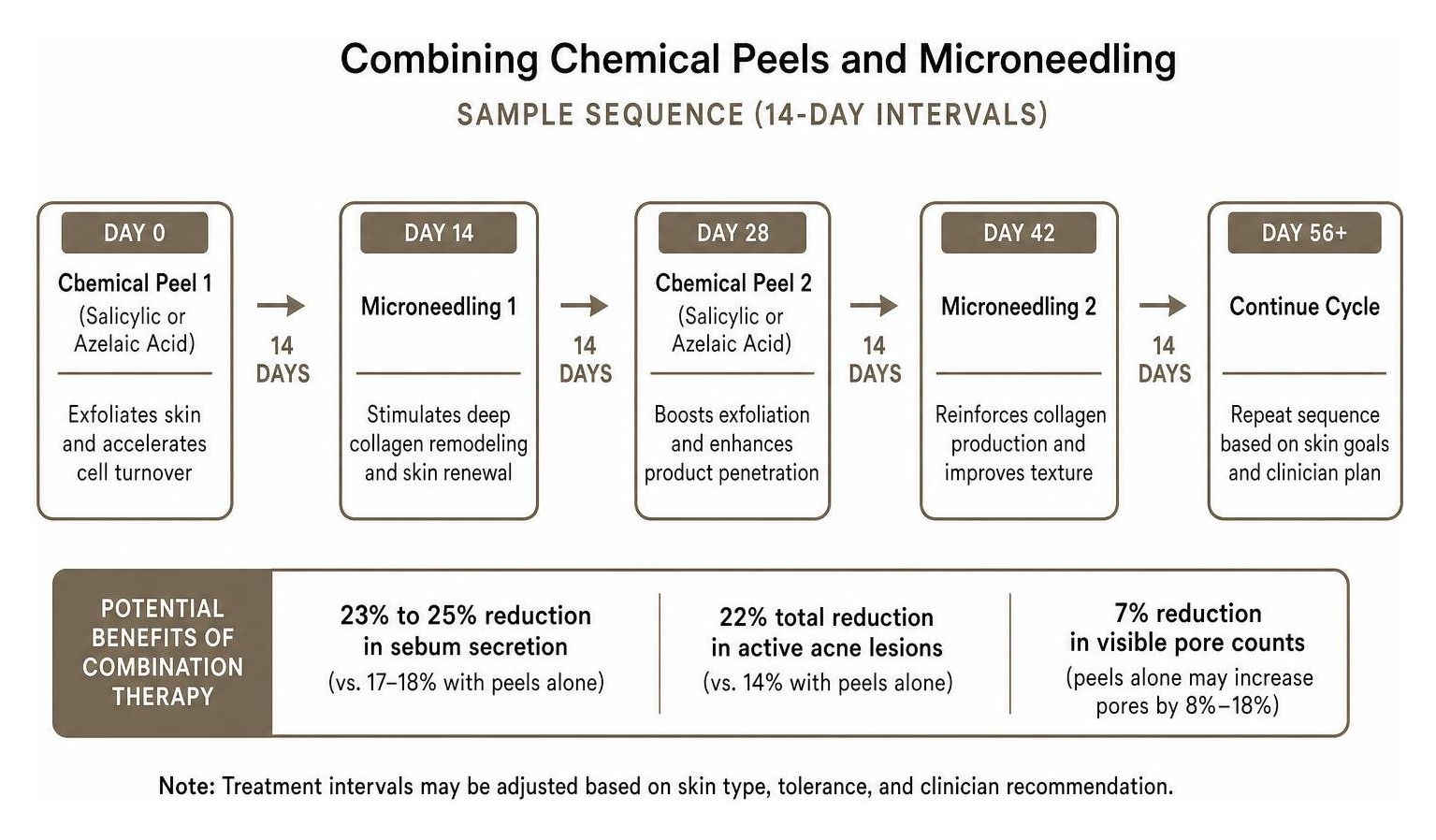
A pilot study on combined peel and microneedling protocols evaluated sequential treatments (alternating salicylic/azelaic acid peels with microneedling sessions spaced 14 days apart). The findings demonstrated that combination therapy provided:
Because microneedling briefly disrupts the skin barrier (causing a temporary 14% to 19% drop in hydration right after treatment), combining these treatments requires proper spacing and rich post-procedure hydration.
To maximize safety and minimize side effects like hyperpigmentation, strict protocols must be followed before and after clinical treatments:
Pre-Treatment Protocols:
Post-Treatment Recovery Protocols:
For deeper insights into chemical peel mechanisms, read our guide on The Science Behind the Smooth How Chemical Peels Tackle Acne Scars.
Yes. Microneedling is generally safer for Fitzpatrick skin phototypes IV through VI because it keeps the outer skin barrier largely intact while stimulating collagen underneath. By avoiding acid-driven thermal or chemical inflammation on the surface, microneedling significantly lowers the risk of post-inflammatory hyperpigmentation (PIH).
Superficial peels typically require a series of 3 to 5 sessions spaced 2 to 5 weeks apart to show noticeable texture improvements. Medium-depth chemical peels generally require 1 to 2 sessions spaced at least 4 to 6 weeks apart. Learn more about treatment timelines in our article How Many Chemical Peels Do I Need for Acne Scars.
Standard superficial chemical peels cannot fully remove narrow, deep icepick scars because the scar base extends beneath the reach of surface peels. However, specialized high-concentration spot treatments like TCA CROSS or non-chemical options like microneedling, subcision, or laser resurfacing can significantly improve deep pitted scars.
Finding the right path to smoother skin comes down to understanding your specific scar type, skin phototype, and recovery preferences. While superficial chemical peels offer wonderful brightness and mild texture enhancement, chemical peels acne scar alternatives like microneedling, subcision, or combination protocols provide deeper structural remodeling for atrophic scarring — especially for skin of color.
At SA Blissful Spa, we believe every client deserves a tailored skin plan. Whether you are visiting us from Burlington, Lexington, Winchester, Woburn, or anywhere across the Greater Boston area, our experienced team is here to guide you toward safe, beautiful skin health.
Ready to uncover your smoothest, clearest complexion? Transform your skin with expert chemical peels at SA Blissful Spa by booking a consultation with our team today!


Book your first appointment online and enjoy 15% off your first service (one-time offer).
Use code NEWCLIENT15