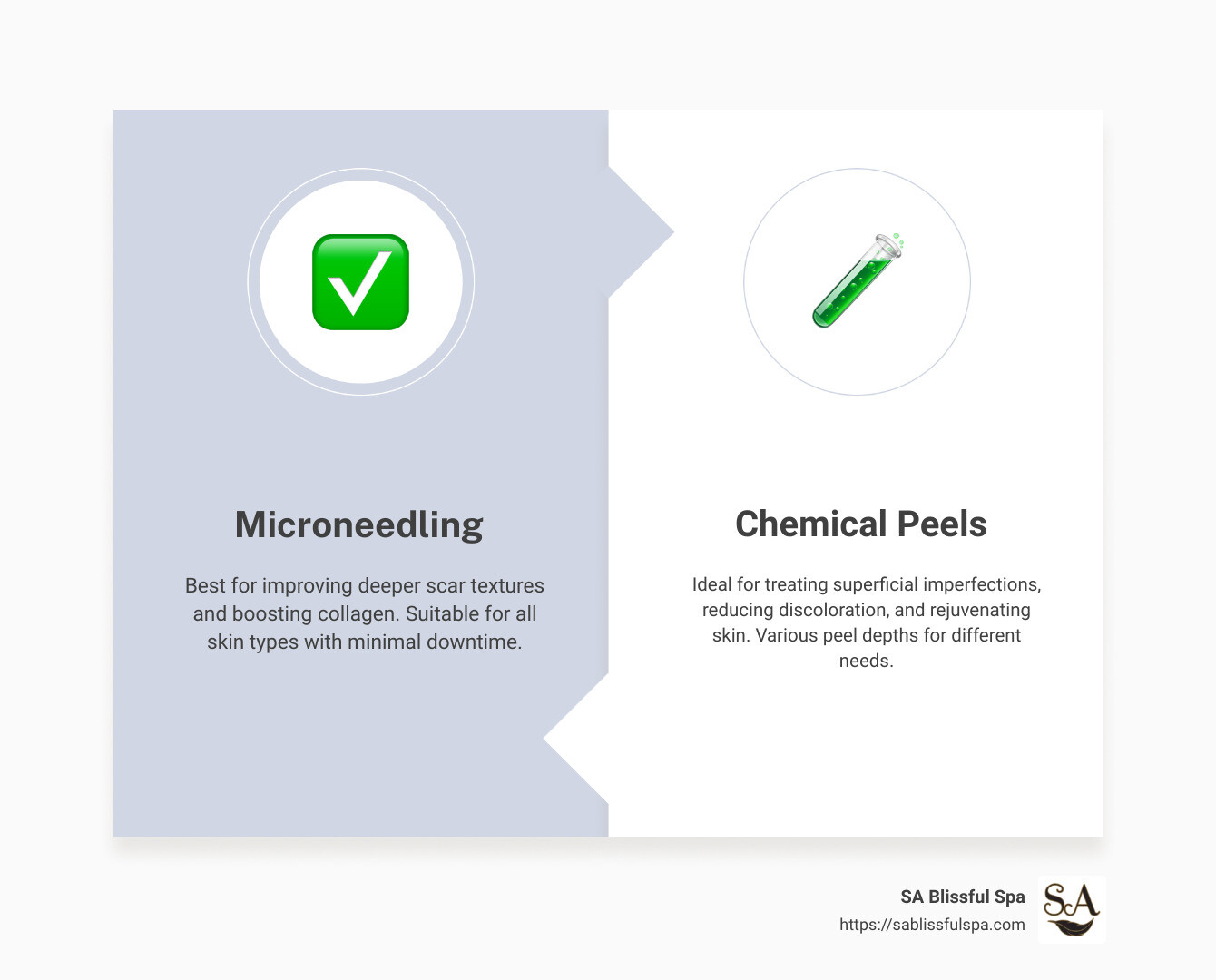
Microneedling vs chemical peel for acne scars: Deciding between these popular treatments can significantly impact the journey to achieving smoother, clearer skin. Here’s a quick overview for those who want to get the gist without reading the full article:
Acne scars can be a persistent concern, not just from a visual standpoint but also impacting psychological well-being. Fortunately, advancements in cosmetic treatments mean that options like microneedling and chemical peels are available to address these issues effectively. At SA Blissful Spa, we’re dedicated to helping you choose the right path for your skin’s unique needs.
I’m Saloni Bhandari, an experienced esthetician and founder of SA Blissful Spa. With years of expertise in microneedling vs chemical peel for acne scars, I am passionate about guiding clients toward the best solutions for their skincare concerns. Let’s explore how these treatments can be custom to your skin.
Relevant articles related to microneedling vs chemical peel for acne scars:
– are chemical peels good for acne
– what is a chemical peel
– how much do chemical peels for acne scars cost
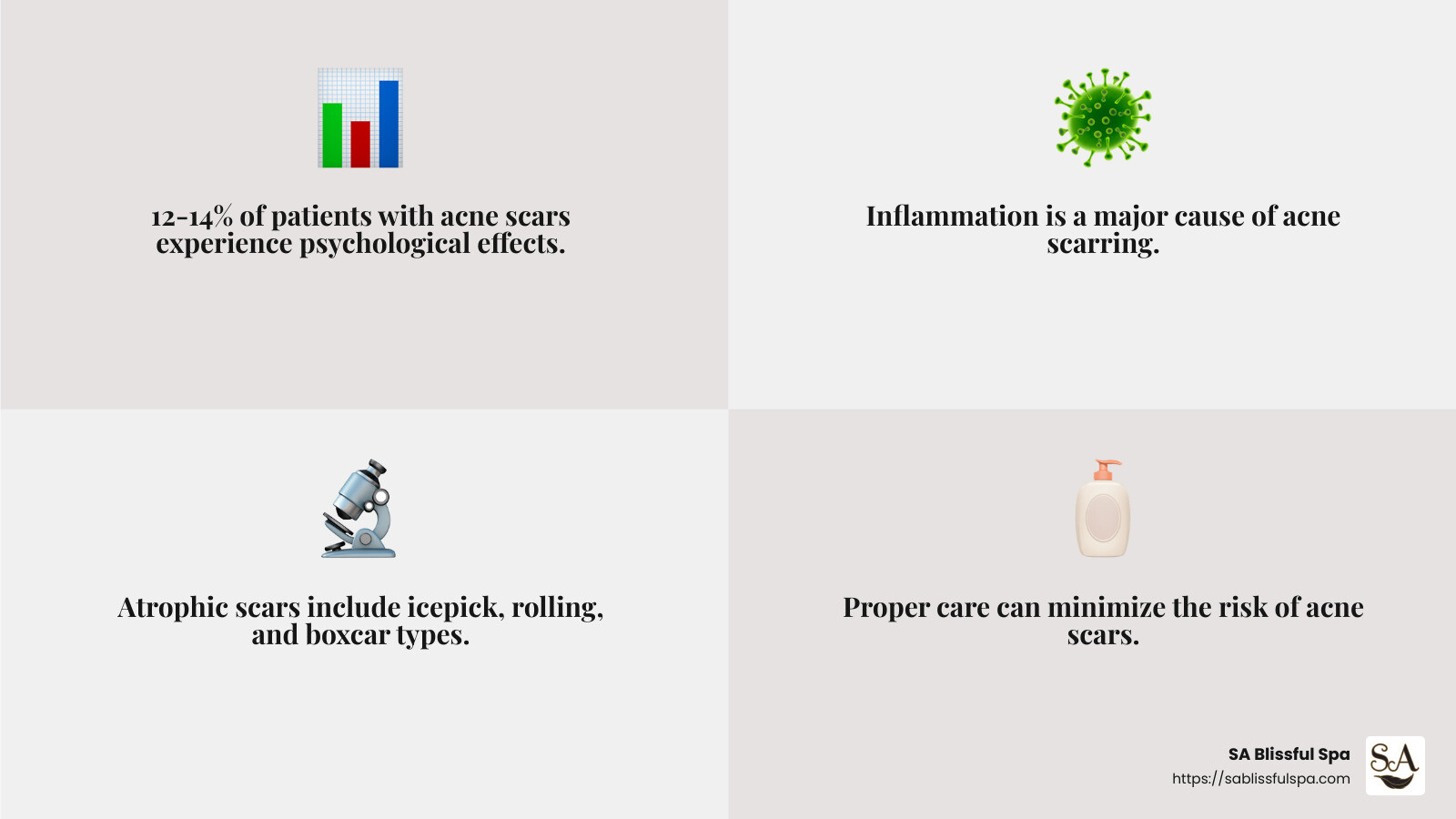
Acne scars are a common aftermath of acne outbreaks and can affect anyone. They come in different types, each with unique characteristics and impacts on the skin. Understanding these differences is key to choosing the right treatment.
Acne scars form when the skin’s healing process is disrupted. This can happen due to:
Acne scars can have a profound impact, not just physically but emotionally. They may cause:
At SA Blissful Spa, we understand the complexities of acne scars and offer personalized treatments to help you achieve smoother, more even skin. Whether it’s through microneedling vs chemical peel for acne scars, our team is here to guide you through every step of your skincare journey.
Microneedling is a minimally invasive cosmetic procedure designed to improve the skin’s texture and appearance. It involves using tiny needles to create controlled micro-injuries in the skin, prompting the body to produce more collagen and elastin. This process is known as collagen induction therapy and is key to skin rejuvenation.
Microneedling is particularly effective for treating acne scars. Here’s why:
The microneedling process is straightforward and involves several key steps:
Results from microneedling are not instantaneous but develop over time. Here’s what you can expect:
Microneedling offers a promising solution for those looking to address acne scars and improve overall skin health. With its ability to improve collagen production and refresh the skin, it’s a treatment worth considering at SA Blissful Spa.
A chemical peel is a skin treatment that involves applying a chemical solution to exfoliate and remove the outer layers of the skin. This process helps reveal a smoother, fresher layer of skin beneath, making it an effective treatment for acne scars.
Chemical peels come in three main types, each designed to reach different skin depths:
Chemical peels offer several benefits for those dealing with acne scars:
The chemical peel process involves several steps to ensure safety and effectiveness:
Recovery time varies depending on the type of peel. Superficial peels have the shortest downtime, while deep peels may require several weeks of healing.
Chemical peels can be a powerful tool in reducing acne scars and improving skin texture. By understanding the types and benefits, you can choose the right peel to meet your skin goals at SA Blissful Spa.
When it comes to tackling acne scars, both microneedling and chemical peels offer unique benefits. Let’s explore how they compare in terms of effectiveness, skin type suitability, and recovery time.
Microneedling has gained popularity for its ability to stimulate collagen production. This process helps improve skin texture and reduce the depth of acne scars. By creating tiny injuries in the skin, microneedling encourages the body to heal and produce new collagen. This makes it particularly effective for treating atrophic scars, which are the most common type of acne scars.
On the other hand, chemical peels work by exfoliating the top layers of skin, promoting the growth of new, smoother skin. Superficial peels are effective for mild acne scars, while medium and deep peels can target more pronounced scars. However, the degree of improvement in skin texture and discoloration is generally less than that achieved with microneedling.
Microneedling is safe for all skin types, including fair, darker, and sensitive skin. It is particularly beneficial for those with darker skin tones (Fitzpatrick Skin Phototype IV to VI), as it poses less risk of pigmentation changes compared to chemical peels.
Chemical peels, especially deeper ones, require careful consideration for darker skin tones. They can sometimes lead to hyperpigmentation or dyspigmentation. Superficial peels are generally safe for sensitive skin, but deeper peels may cause irritation.
For individuals with active acne, chemical peels might be the better choice, as they can help clear acne outbreaks while treating scars. Microneedling, however, should be avoided during active breakouts to prevent spreading bacteria.
Microneedling typically involves minimal downtime. Most people experience redness and tenderness similar to a sunburn, which resolves within a few days. It’s important to follow aftercare instructions, like using gentle cleansers and avoiding sun exposure.
In contrast, chemical peels can vary in downtime depending on their depth. Superficial peels might only cause mild redness and peeling, while medium and deep peels require more recovery time. Aftercare involves moisturizing the skin, protecting it from the sun, and avoiding picking at peeling skin.
Both treatments can range in cost depending on the depth and number of sessions required. Microneedling in NYC, for example, can range from $550 to $2000 per session. Chemical peels also vary, with deeper peels generally costing more due to their intensity and longer recovery.
In summary, choosing between microneedling and chemical peels depends on your skin type, scar severity, and personal preferences. Understanding the nuances of each treatment can help you make an informed decision at SA Blissful Spa.
When considering microneedling vs chemical peel for acne scars, you might wonder if combining these treatments could improve your results. While both treatments are powerful on their own, they can be combined for those seeking optimal skin rejuvenation.
Combining microneedling and chemical peels can provide synergistic effects. Microneedling boosts collagen production, which improves skin texture and reduces scar depth. Chemical peels, on the other hand, exfoliate the surface layer, promoting new skin growth and reducing discoloration. Together, they can improve each other’s benefits, leading to more comprehensive skin renewal.
For the best results, it’s important to follow a strategic treatment sequence. Typically, microneedling is performed first. This primes the skin by creating micro-channels that can improve the penetration of the chemical peel applied later. This sequence can maximize the efficacy of the chemical solution, leading to better results.
To achieve optimal results, it’s crucial to space out these treatments appropriately. A common recommendation is to wait at least two weeks between microneedling and a chemical peel. This allows the skin to recover from the microneedling session before undergoing another treatment. It’s also advisable to consult with a skincare professional at SA Blissful Spa to tailor the intervals based on your skin type and specific needs.
Combining these treatments can be particularly beneficial for those with stubborn acne scars or uneven skin tone. However, follow professional guidance to avoid over-treating the skin, which can lead to irritation or other side effects.
By understanding how to combine microneedling and chemical peels effectively, you can improve your skincare regimen and achieve clearer, more radiant skin.
Next, let’s address some frequently asked questions about these treatments and how they can fit into your skincare routine.
The choice between microneedling vs chemical peel for acne scars often depends on your skin type and the nature of your scars. Microneedling excels in boosting collagen production, which is crucial for improving skin texture and reducing the depth of scars. It’s a versatile option suitable for all skin types, including darker skin tones, as it minimizes the risk of hyperpigmentation.
Chemical peels, particularly medium-depth peels, are highly effective at resurfacing the skin and reducing discoloration. They can be a better choice for those with fairer skin tones, as they carry a higher risk of complications in darker skin. Consulting with a skincare professional at SA Blissful Spa can help determine the best option for your specific skin needs.
It’s important to allow your skin to heal properly between treatments. Typically, it’s recommended to wait at least two weeks after a microneedling session before undergoing a chemical peel. This waiting period ensures that any inflammation from microneedling has subsided, reducing the risk of irritation from the peel. Always follow the guidance of your skincare specialist to determine the optimal timing based on your skin’s response and recovery.
While microneedling and chemical peels can be combined for improved results, they should not be performed in the same session. Doing so could overstress the skin, leading to irritation or adverse effects. Instead, spacing them out—typically with a two-week interval—allows each treatment to work effectively without overwhelming the skin.
Combining these treatments strategically can offer synergistic benefits, such as improved skin texture and tone. For those interested in both treatments, a personalized plan crafted by professionals at SA Blissful Spa can help achieve the best outcomes while ensuring skin safety.
Achieving clear, radiant skin is a journey, and at SA Blissful Spa, we believe in guiding you every step of the way. Whether you’re considering microneedling vs chemical peel for acne scars, or contemplating a combination of both, our team is here to help you make the best choice for your skin.
Personalized Treatment Plans
Every individual’s skin is unique, which is why we emphasize personalized treatment plans. Our expert estheticians take the time to understand your skin type, concerns, and goals. By doing so, we can tailor a skincare regimen that not only addresses acne scars but also improves your overall skin health and beauty.
Consultation with Professionals
A consultation with our skincare professionals is the first step toward achieving your skin goals. During this session, we’ll discuss the benefits of microneedling and chemical peels, helping you understand which treatment—or combination of treatments—will offer the best results for your skin type and concerns.
Achieving Clear Skin at SA Blissful Spa
At SA Blissful Spa, we are committed to providing luxurious and effective skincare treatments in a serene and rejuvenating environment. Our approach combines advanced techniques with high-quality products, ensuring that you receive the most effective care possible.
For those ready to start on their journey to clearer skin, we invite you to learn more about our custom peel treatments. With our expertise and dedication to personalized care, achieving the skin you’ve always dreamed of is within reach.


Book your first appointment online and enjoy 15% off your first service (one-time offer).
Use code NEWCLIENT15