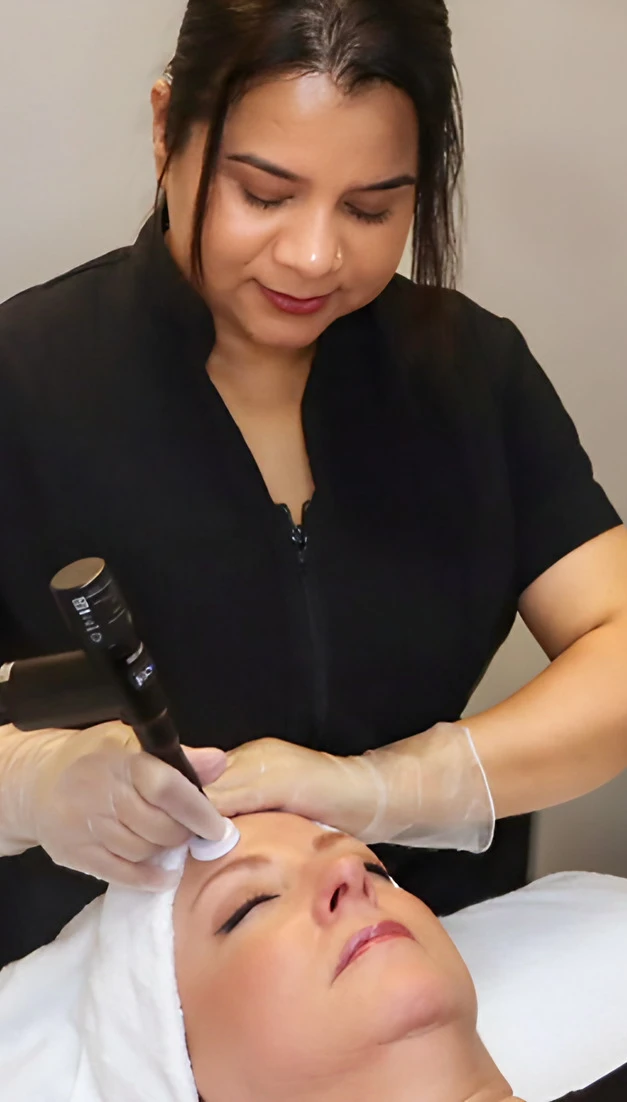
Does a chemical peel help with acne scars? The answer isn't straightforward, as it depends on various factors such as the type of scars, skin condition, and the specific peel used. Here's a quick overview:
- Light Chemical Peels can help reduce mild acne scars and improve overall skin texture.
- Medium Chemical Peels are more effective for moderate scars and can improve skin smoothness.
- Deep Chemical Peels can be considered for more severe acne scarring, but they come with increased risks and longer recovery.
Chemical peels are a popular treatment aimed at skin resurfacing by removing the top layers of skin to reveal smoother, more radiant skin beneath. By prompting the skin to renew itself, these peels can diminish the appearance of acne scars over a series of treatments.
I'm Saloni Bhandari, an experienced esthetician and founder of SA Blissful Spa, with expertise in helping clients achieve radiant skin. With a deep understanding of skincare, I aim to make complex topics like 'does a chemical peel help with acne scars' easy for everyone to grasp. Let's dive right into our guide on what chemical peels can do for acne scars.
 Does a chemical peel help with acne scars
vocabulary:
-
how many chemical peels do i need for acne scars
-
microneedling vs chemical peel for acne scars
-
chemical peel acne scars before and after
What Are Chemical Peels?
Chemical peels are a cosmetic treatment that uses
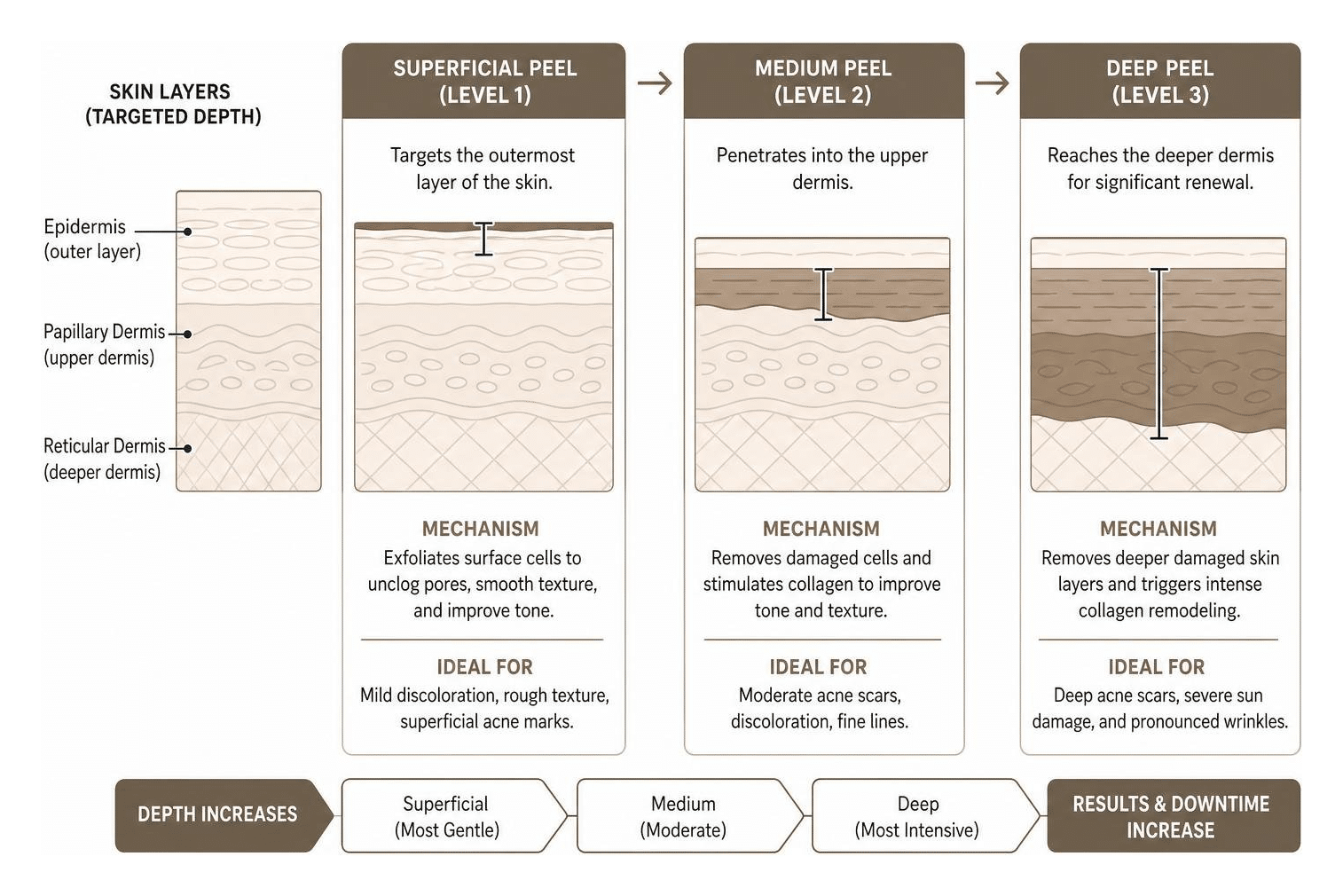
chemical exfoliants to remove the outer layers of skin, leading to smoother and more youthful-looking skin. They are often used to address skin issues like acne scars, uneven texture, and fine lines. There are three main types of chemical peels, each varying in depth and intensity: light, medium, and deep.
Light Chemical Peels
Light chemical peels are the gentlest option and primarily target the
epidermis, the outermost layer of skin. These peels often use
alpha-hydroxy acids (AHAs) and
beta-hydroxy acids (BHAs), such as glycolic acid and salicylic acid. They are ideal for treating mild acne scars, uneven pigmentation, and fine lines. As a superficial treatment, light peels can be done more frequently, often every few weeks, to maintain results.
- Alpha-hydroxy acids (AHAs): Good for exfoliating and improving skin texture.
- Beta-hydroxy acids (BHAs): Effective for oily and acne-prone skin, helping to unclog pores.
Medium Chemical Peels
Medium chemical peels penetrate deeper into the skin, reaching the
epidermis and parts of the dermis. They often use
trichloroacetic acid (TCA), which is more potent than AHAs and BHAs. This type of peel is effective for treating moderate acne scars, improving skin texture, and reducing fine to moderate wrinkles. Medium peels require more recovery time than light peels, with some redness and peeling expected.
- Trichloroacetic acid (TCA): Helps in addressing moderate scarring and pigmentation issues.
Deep Chemical Peels
Deep chemical peels are the most intensive and penetrate the deepest layers of the skin. They often use
carbolic acid (phenol) and are designed to treat more severe skin issues, such as deep wrinkles, significant acne scars, and even precancerous growths. Due to their intensity, deep peels involve a longer recovery period and carry more risks, such as changes in skin pigmentation.
- Carbolic acid (phenol): Used for severe scarring and deep wrinkles, offering dramatic results but with increased risk and recovery time.
Choosing the right type of chemical peel depends on your skin type, the severity of the acne scars, and your desired outcome. Consult with an experienced esthetician or dermatologist to determine the best option for your skin needs.
Does a Chemical Peel Help with Acne Scars?
Chemical peels can be a
powerful ally in the fight against acne scars. They work by deeply exfoliating the skin, which helps to remove dead skin cells and stimulate the production of new ones. This process encourages the growth of
collagen and elastin, essential proteins that give skin its firmness and elasticity. Over time, this can lead to
smoother skin and a reduction in the appearance of acne scars.
How Chemical Peels Work on Acne Scars
When a chemical peel is applied, it penetrates the skin to varying depths, depending on the type of peel used. This exfoliation process removes the damaged outer layer of skin, revealing fresher, healthier skin underneath. It also triggers the body’s natural healing process, boosting collagen production.
Collagen is crucial for filling in and smoothing out scars, making them less noticeable over time.
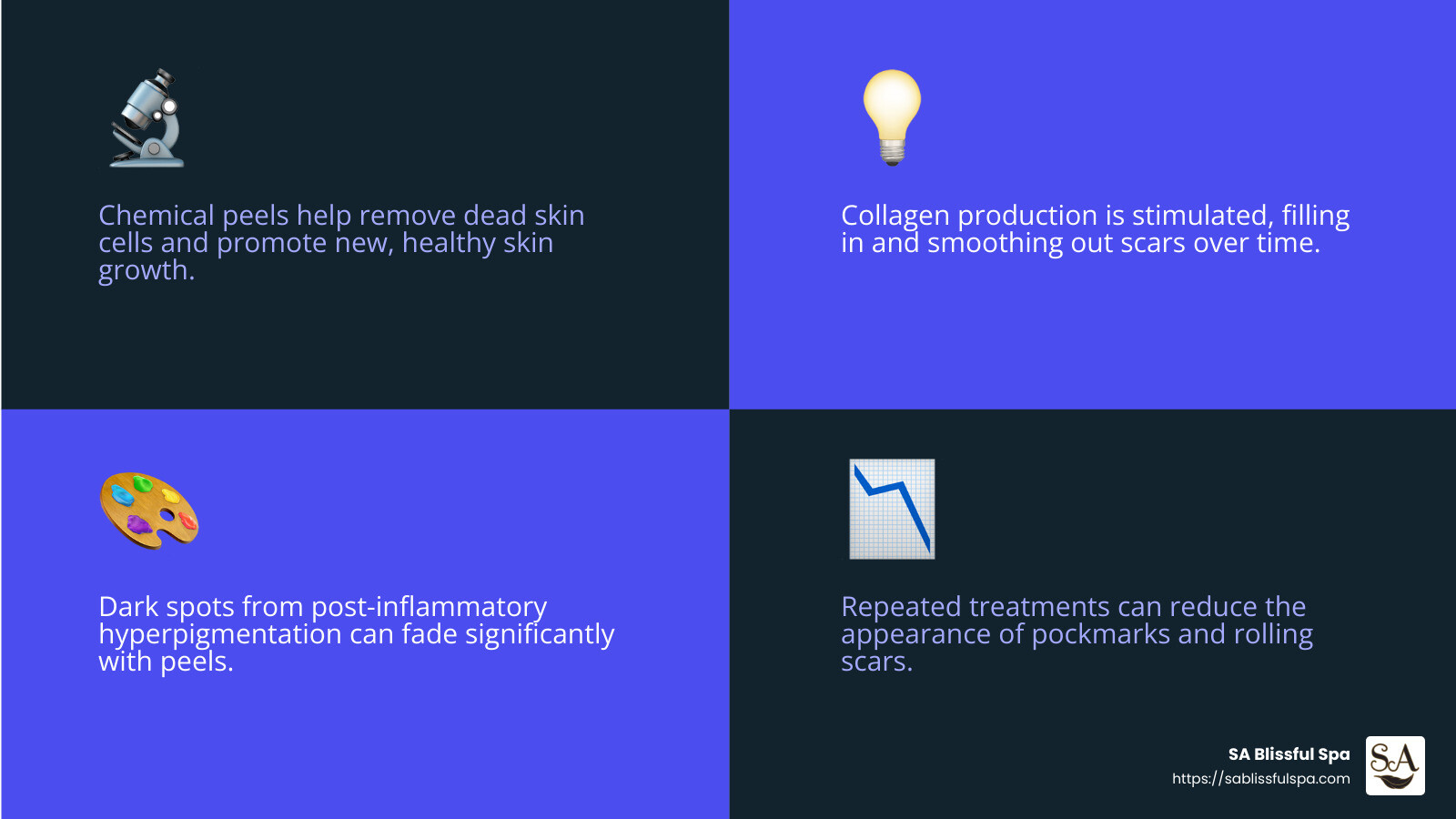
- Exfoliation: Removes dead skin cells and promotes the growth of new, healthy skin.
- Collagen and elastin production: Helps to repair and refresh the skin, reducing scar appearance.
Types of Acne Scars Treated by Chemical Peels
Chemical peels can be effective for various types of acne scars, particularly those that are more superficial. Here's how they work on different scars:
- Dark spots: Also known as post-inflammatory hyperpigmentation, these can fade significantly with chemical peels, especially light peels using AHAs.
- Pockmarks: Shallow depressions in the skin can become less pronounced with repeated treatments, as new skin cells and collagen fill them in.
- Rolling scars: Characterized by their wave-like appearance, these scars can benefit from increased collagen production, which helps smooth the skin's surface.
- Boxcar scars: These broad, shallow depressions respond well to medium and deep peels, which penetrate deeper layers of the skin.
While chemical peels can be effective, it's important to manage expectations. Severe or deep scars may require additional treatments or a combination of therapies for optimal results. Always consult with a skincare professional to determine the best approach for your specific skin needs.
Benefits and Risks of Chemical Peels for Acne Scars
Benefits
Chemical peels offer several notable benefits for those dealing with acne scars. One of the primary advantages is the
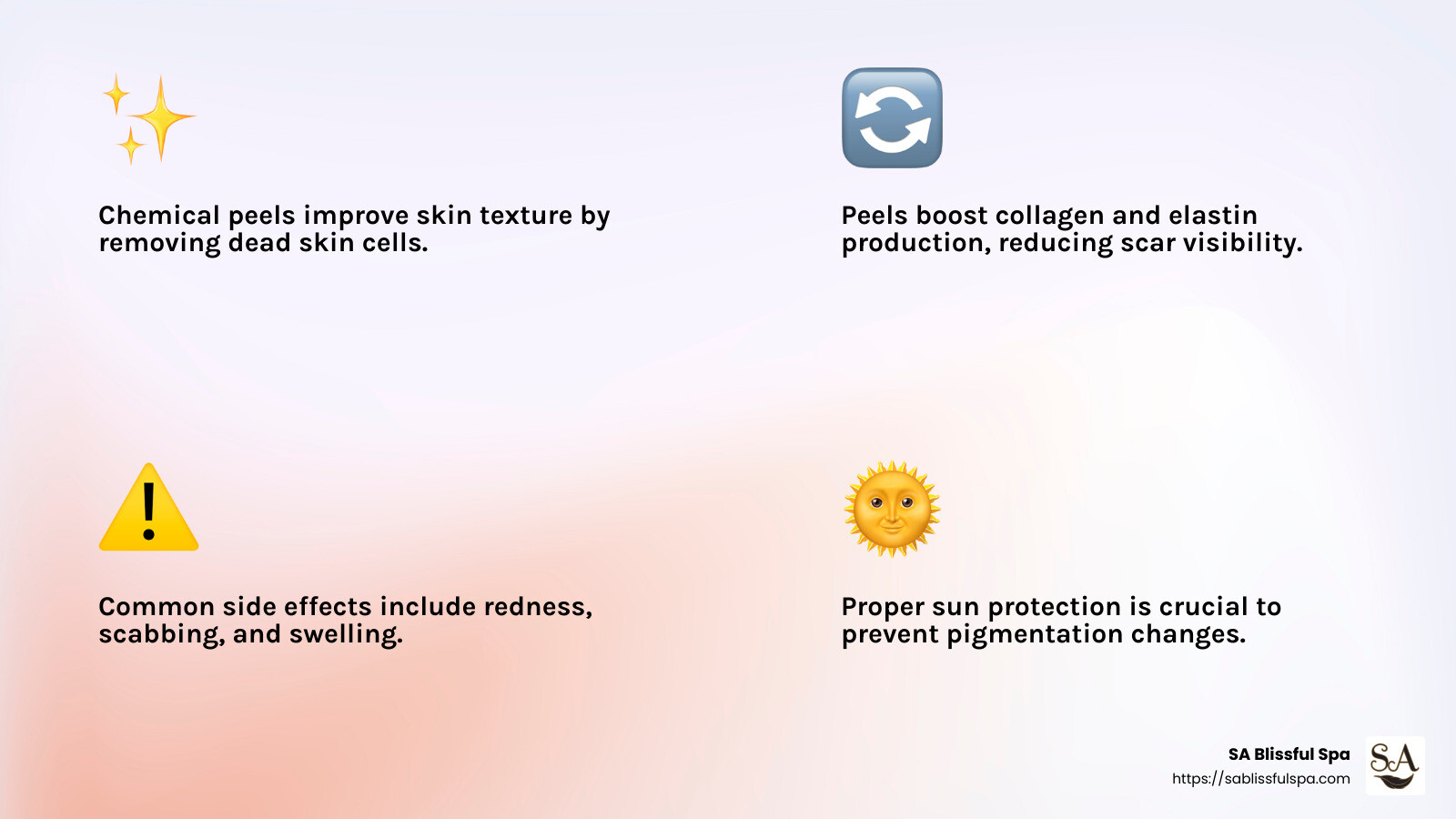
improved texture of the skin. By removing the outer layer of dead skin cells, peels can reveal smoother, fresher skin underneath. This process not only helps in reducing the appearance of scars but also works to
unclog pores, which can prevent future acne breakouts.
Another significant benefit is the
reduction of scarring. As peels stimulate the production of collagen and elastin, they gradually help fill in scars, making them less noticeable. This can be especially effective for treating dark spots and shallow scars like pockmarks or rolling scars.
Risks
While the benefits are compelling, it's important to consider the potential risks and side effects associated with chemical peels.
Redness, scabbing, and swelling are common after a peel, as the skin undergoes a healing process. These effects are usually temporary but can be uncomfortable.
More serious risks include
hyperpigmentation (darkening of the skin) or
hypopigmentation (lightening of the skin), particularly in individuals with darker skin tones. These pigment changes can occur if the skin is not properly protected from the sun post-treatment or if the peel penetrates too deeply.
Recovery time can vary depending on the depth of the peel. Light peels might require minimal downtime, while medium to deep peels could necessitate a longer recovery period. It's crucial to follow post-peel care instructions to minimize risks and achieve the best results.
In summary, while chemical peels can significantly improve skin texture and reduce scarring, being aware of the potential side effects and the importance of proper aftercare is essential. Always consult with a skincare professional to tailor the treatment to your specific skin type and needs.
How Many Chemical Peels Are Needed for Acne Scars?
The number of chemical peels needed to address acne scars can vary, but most people find that
3-5 sessions are generally effective. The exact number depends on several factors, including the
severity of the scars and how your skin responds to the treatment.
Severity of Scars
- Mild Scars: For lighter acne scars, fewer sessions may be needed. These scars often respond well to light or medium peels, which gently exfoliate the skin and stimulate collagen production.
- Moderate to Severe Scars: Deeper scars might require more intensive treatment with medium or deep chemical peels. These peels reach further into the skin layers to address more significant scarring.
Skin Response
- Individual Variability: Each person's skin reacts differently to chemical peels. Some may see noticeable improvements after just a few sessions, while others might need additional treatments to achieve the desired results.
- Collagen Production: The effectiveness of chemical peels also hinges on how well your skin produces collagen in response to the treatment. Collagen helps fill in scars and smooth out the skin's texture over time.
Consultation and Planning
It's essential to have a consultation with a skincare professional to determine the best treatment plan for your specific skin type and scar severity. They can recommend the appropriate type and frequency of peels to help you achieve smoother, clearer skin.
Patience is key. Allow your skin time to heal and regenerate between sessions, and always follow post-treatment care instructions for optimal results.
Chemical Peel vs. Other Treatments for Acne Scars
When considering treatments for acne scars, understand how different methods work and what they offer. Chemical peels, microneedling, and laser resurfacing are popular options, each with unique benefits and considerations.
Chemical Peel vs. Microneedling
Chemical peels and microneedling both aim to improve skin texture and reduce acne scars, but they work in different ways.
Chemical Peels
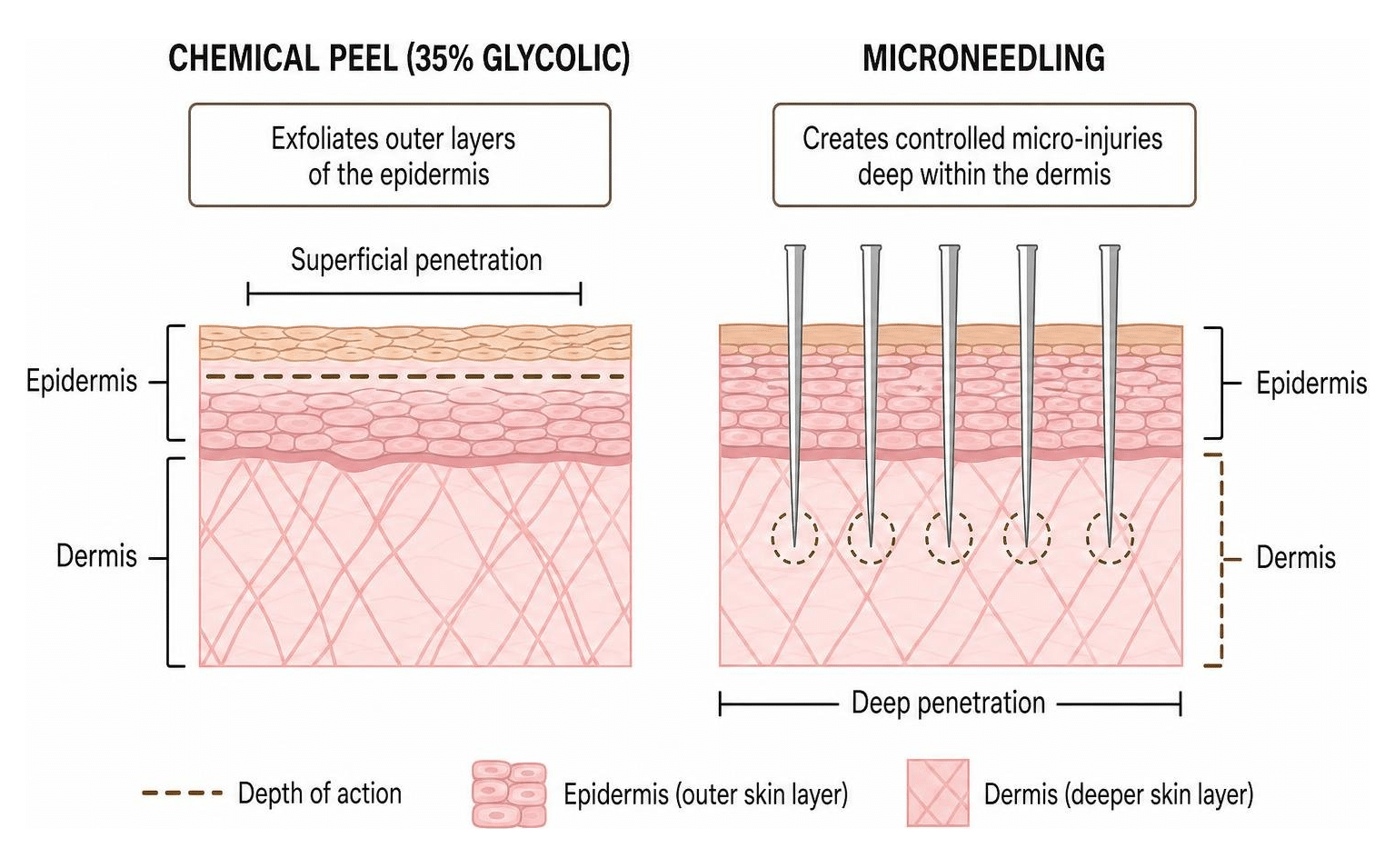
- Surface Layers: Chemical peels exfoliate the top layers of skin, promoting the growth of new skin cells. This process can help reduce the appearance of mild to moderate acne scars by smoothing the skin's surface.
- Collagen Production: While peels encourage some collagen production, their primary focus is on surface exfoliation.
Microneedling
- Deeper Layers: Microneedling involves creating tiny punctures in the skin to stimulate collagen and elastin production at deeper levels. This makes it particularly effective for deeper acne scars.
- Collagen Boost: The treatment significantly boosts collagen production, helping to fill in and smooth out deeper scars over time.
Chemical Peel vs. Laser Resurfacing
Laser resurfacing and chemical peels are both used to treat acne scars, but they differ in approach and intensity.
Chemical Peels
- Surface Treatment: Best for treating surface-level scars and improving overall skin texture. It’s a less invasive option with shorter recovery times compared to laser treatments.
- Recovery Time: Generally requires less downtime, especially for light to medium peels.
Laser Resurfacing
- Deeper Scars: Laser treatments can penetrate deeper into the skin, making them suitable for more severe scars. They can effectively target both surface and deeper layers.
- Intensive Recovery: This method often involves a longer recovery period, as it is more intensive than chemical peels.
Each treatment has its place in acne scar management, and the choice depends on the type and severity of the scars, as well as individual skin characteristics. Consulting with a skincare professional can help determine the most suitable option for achieving the best results.
By understanding these differences, you can make informed decisions about your skincare journey.
Frequently Asked Questions about Chemical Peels for Acne Scars
Should I do a chemical peel for acne scars?
If you're considering a
chemical peel for acne scars, it's important to evaluate your skin type and the nature of your scars. Chemical peels can be effective for reducing the appearance of mild to moderate acne scars, like dark spots or minor depressions. They work by exfoliating the top layers of skin, promoting new skin growth and collagen production. However, if you have severe raised or depressed scars, other treatments might be more suitable. Consulting with a skincare expert at
SA Blissful Spa can help you decide if a chemical peel is the right choice for your skin.
Which chemical is best for acne scars?
Different chemicals are used in peels, each targeting specific skin concerns. For acne scars, the choice of chemical depends on the type and severity of the scars:
- Alpha-hydroxy acids (AHAs): Ideal for light peels, targeting surface-level scars and improving skin tone.
- Beta-hydroxy acids (BHAs): Great for oily skin and acne-prone areas, helping to unclog pores and reduce inflammation.
- Trichloroacetic acid (TCA): Used for medium-depth peels, effective in treating deeper scars and stimulating collagen production.
Each type of peel has its unique benefits, and a skincare professional can recommend the best option for your skin's needs.
How many chemical peels does it take to get rid of scars?
The number of
chemical peels needed to improve acne scars varies based on the severity of the scars and individual skin response. Generally, a series of 3-5 peels spaced a few weeks apart can significantly improve skin texture and reduce scarring. However, some individuals might require more sessions for optimal results. Consistent treatment and following post-peel care instructions are crucial for achieving the best outcome. Always consult with a professional to tailor a treatment plan specific to your skin's requirements.
Conclusion
At
SA Blissful Spa, we are committed to helping you achieve your skin goals with expert and personalized care. Our spa offers a serene environment where you can relax and refresh, knowing that your skin is in capable hands.
Our team of experienced estheticians specializes in tailoring treatments to meet the unique needs of each client. Whether you're dealing with acne scars, uneven skin tone, or simply want to improve your skin's overall health, we have the expertise and high-quality products to deliver outstanding results.
Chemical peels are just one of the many treatments we offer to help you achieve smoother, more radiant skin. By exfoliating the outer layers and promoting new skin cell growth, chemical peels can significantly reduce the appearance of acne scars and improve skin texture. Our personalized approach ensures that you receive the most effective treatment for your specific skin concerns.
Experience the benefits of our expertly custom treatments and find the difference personalized care can make. Visit our
SA Blissful Spa peels page to learn more about our services and book your consultation today. Let us help you reveal your skin's true potential.