At home chemical peel for acne scars can be a convenient and cost-effective solution for those looking to refresh their skin without visiting a salon. Whether you’re aiming to reduce the appearance of acne scars or improve your skin’s overall health, these treatments could be key. But, it’s crucial to know how to use them safely and effectively at home:
Chemical peels are a powerful tool in your skincare arsenal, working to exfoliate dead skin cells and stimulate collagen production. An at-home peel can significantly improve skin texture and tone, particularly for those dealing with pesky acne scars. They can also tackle problems such as uneven skin tone, and signs of aging, making your skin look brighter and smoother.
I’m Saloni Bhandari, the founder of SA Blissful Spa, with a deep understanding of skincare and advanced techniques. My expertise with at home chemical peel for acne scars comes from years of practical experience in rejuvenating clients’ skin, helping them achieve radiant complexions with personalized, expert care.
Learn more about at home chemical peel for acne scars:
– chemical peel acne scars before and after
– how many chemical peels do i need for acne scars
– microneedling vs chemical peel for acne scars
Acne scars are a common aftermath of acne, and they can vary in appearance based on the type and severity of the acne and how your skin heals. Knowing the type of scars you have is crucial for selecting the most effective treatment.
Atrophic Scars are the most common type of acne scars. These scars appear as depressions or pits in the skin and form when the skin loses tissue. Within this category, there are three main types:
Hypertrophic Scars are raised and form when the skin produces too much collagen during the healing process. They are more common on the back and chest and can be red or dark.
Post-Inflammatory Hyperpigmentation (PIH) is not a true scar but rather a discoloration that occurs after an acne lesion has healed. It appears as dark spots on the skin and is more common in people with darker skin tones.
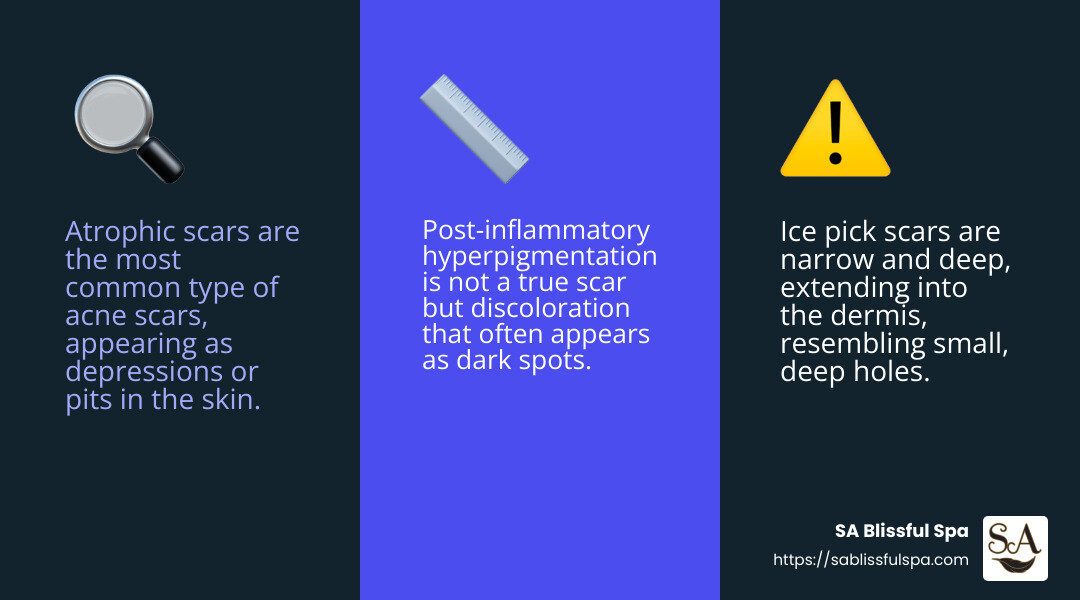
Each type of scar requires a different approach for treatment. For instance, at-home chemical peels might help with lighter, more superficial scars like PIH, but deeper scars like ice pick or boxcar may need more intensive treatments.
Understanding the nature of your scars can guide you in choosing the right at home chemical peel for acne scars and set realistic expectations for your skin’s healing journey.
At-home chemical peels can be a game-changer for those looking to improve the appearance of acne scars. They offer several benefits that can help transform your skin:
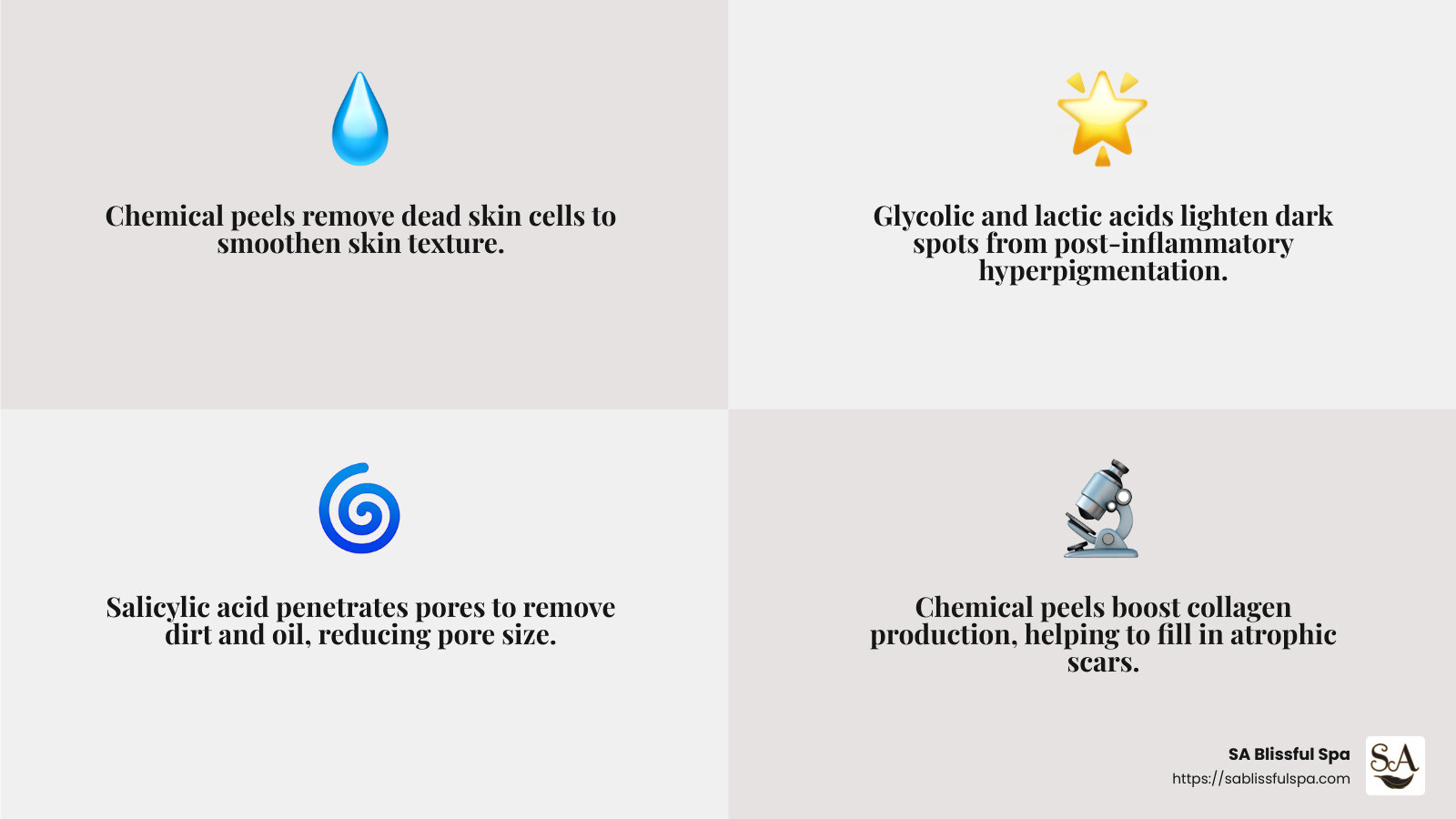
One of the most significant benefits of chemical peels is their ability to smooth out your skin’s texture. By removing the top layer of dead skin cells, these peels reveal fresh, healthy skin underneath. This process helps to reduce the appearance of shallow scars, like rolling scars, making your skin feel softer and more even.
Post-inflammatory hyperpigmentation (PIH) often leaves dark spots on the skin after acne heals. Chemical peels, especially those containing glycolic or lactic acid, can effectively lighten these spots over time. By promoting cell turnover, these peels help fade pigmentation, leading to a more uniform skin tone.
Chemical peels are excellent for unclogging pores. Ingredients like salicylic acid penetrate deep into the pores, removing dirt and oil. This not only helps prevent future breakouts but also minimizes the appearance of pores, giving your skin a cleaner and more refined look.
Chemical peels can stimulate collagen production, a vital protein that keeps your skin firm and plump. By promoting collagen growth, peels can help fill in atrophic scars, such as boxcar and rolling scars, making them less noticeable over time. This process aids in skin repair and rejuvenation.
Inflammation is a common issue with acne scars. Chemical peels can help soothe and reduce inflammation, thanks to their anti-inflammatory properties. By calming the skin, they help reduce redness and irritation, making scars less prominent.
Using at-home chemical peels for acne scars is a practical and cost-effective way to improve your skin’s appearance. While they work well for surface-level issues and minor scars, deeper scars might require professional treatments for optimal results.
Choosing the right at-home chemical peel for acne scars is crucial for achieving the best results for your skin type. Different acids target specific skin concerns, so select one that aligns with your needs. Here’s a quick guide to help you choose:
Glycolic acid is derived from sugar cane and is part of the alpha hydroxy acid (AHA) family. It is perfect for normal and oily skin types. Its small molecules penetrate the skin deeply, making it effective at exfoliating the surface layer. This helps improve texture and lighten dark spots. If you’re looking to tackle fine lines and uneven skin tone, glycolic acid is a great choice.
Salicylic acid belongs to the beta hydroxy acid (BHA) group and is ideal for oily and acne-prone skin. It penetrates deep into the pores, loosening dirt and oil, which helps prevent future breakouts and reduces the appearance of acne scars. This acid is particularly effective for unclogging pores and reducing inflammation, making it a go-to for those with persistent acne issues.
Lactic acid, another AHA, is derived from milk and is suitable for all skin types, including sensitive skin. It is known for its gentle exfoliating properties, making it less irritating than other acids. Lactic acid is excellent for fading dark spots and improving overall skin tone. It’s a safe starting point for those new to chemical peels.
Mandelic acid is also an AHA but has larger molecules, which makes it gentler and slower to penetrate the skin. It’s beneficial for all skin types and is especially good for darker skin tones. Mandelic acid helps in treating large pores and improving skin texture without causing irritation, making it a versatile option for many users.
Phytic acid is a gentle exfoliant suitable for sensitive skin and for addressing post-inflammatory hyperpigmentation. It works well for those who experience redness and irritation easily. Phytic acid helps brighten the skin and even out skin tone without the risk of over-exfoliation.
By understanding your skin type and concerns, you can select the most effective chemical peel to improve your acne scars. Always perform a patch test before applying a new peel to ensure compatibility with your skin.
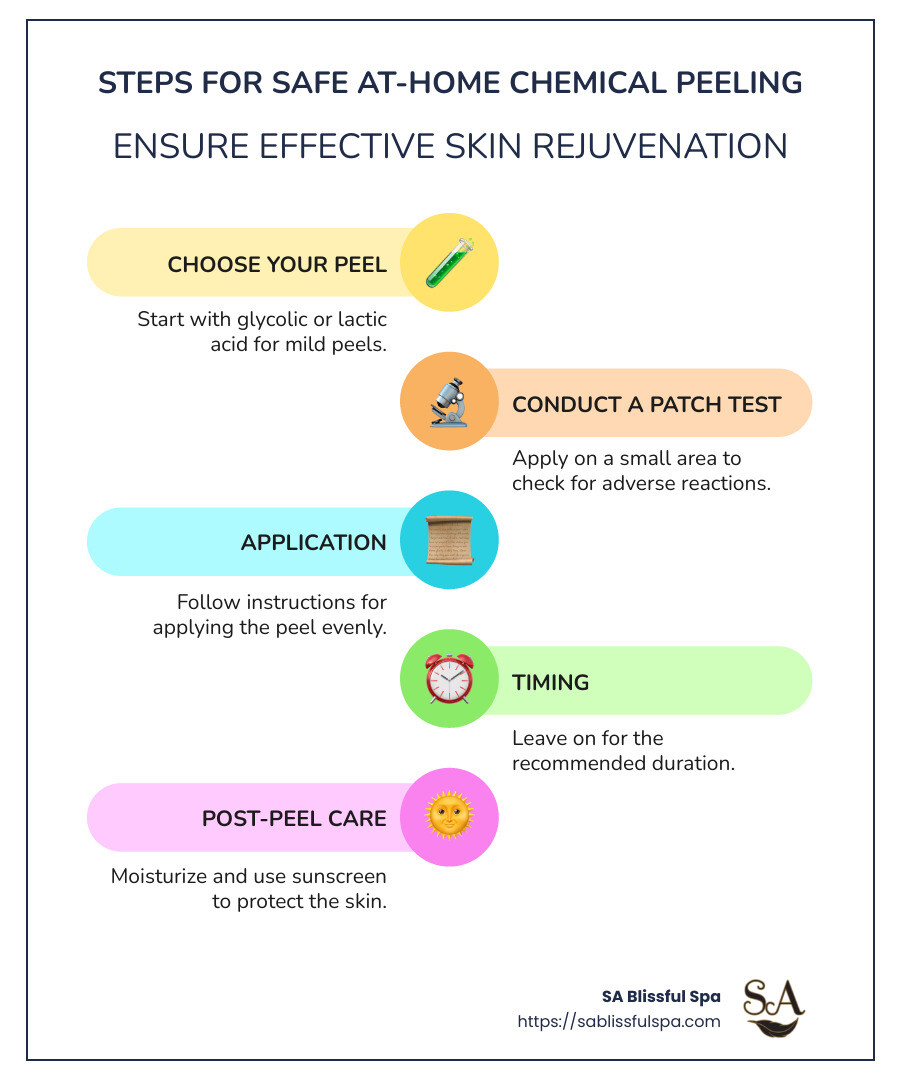
Ready to tackle those acne scars with an at-home chemical peel? Follow these steps for a safe and effective experience:
Following these steps ensures your at-home chemical peel for acne scars is both safe and effective, helping you achieve smoother, clearer skin. Patience and consistency are key.
When it comes to using an at-home chemical peel for acne scars, safety should be your top priority. Here are some important tips and precautions to follow:
The FDA has issued warnings about the potential dangers of at-home chemical peels if not used correctly. Always follow the product instructions carefully and never exceed the recommended application time. Begin with a patch test to ensure your skin doesn’t react adversely.
Trichloroacetic Acid (TCA) and Phenol
These ingredients are often found in professional-grade peels and can be too harsh for at-home use. TCA and phenol can lead to severe side effects like scarring and hyperpigmentation if not applied by a professional. Stick to milder acids like glycolic, lactic, or salicylic acid for home treatments.
Retinoids and Benzoyl Peroxide
Avoid using retinoids and benzoyl peroxide before and after your peel. These ingredients can make your skin more sensitive and prone to irritation. Discontinue their use at least 3-5 days before your peel to prevent any adverse reactions.
Sun exposure can worsen pigmentation issues and increase the risk of side effects after a peel. Protect your skin by applying a broad-spectrum sunscreen with an SPF of at least 30 every day. Wear a hat and seek shade when outdoors to further shield your skin.
By adhering to these safety tips and precautions, you can enjoy the benefits of an at-home chemical peel for acne scars while minimizing risks. Up next, we’ll address some frequently asked questions about these treatments to help you make informed decisions.
Yes, at-home chemical peels can be effective for treating certain types of acne scars, particularly those that are superficial or involve light discoloration. These peels work by exfoliating the outer layer of the skin, which helps to improve texture and tone. Superficial peels and light peels are generally safe for home use and can help lighten dark spots and smooth out minor irregularities.
However, it’s important to set realistic expectations. At-home peels are typically less potent than professional treatments, so while they can improve your skin’s appearance, they might not completely eliminate deeper scars.
The best chemical peel for acne scars depends on your skin type and the specific issues you’re facing. Here are some popular options:
Each of these acids offers unique benefits, so consider your skin’s needs when choosing a peel.
Chemical peels, particularly those used at home, are generally less effective for pitted scars or atrophic scars like ice pick or boxcar scars. These types of scars result from a loss of tissue and often require treatments that stimulate deeper collagen production, such as microneedling or laser therapy.
Mild chemical peels can help improve the appearance of pitted scars by promoting collagen production and skin regeneration, but they are unlikely to completely remove them. For significant improvement, you might need to explore professional treatments that target deeper layers of the skin.
By understanding the capabilities and limitations of at-home chemical peels, you can make informed decisions about your skincare routine. Whether you’re looking to smooth out texture or lighten dark spots, choosing the right peel can help you achieve healthier, more radiant skin.
At SA Blissful Spa, we believe in the power of personalized care to transform your skin. Our expert treatments are designed to address your unique needs, ensuring you achieve the best results possible. Whether you’re dealing with acne scars or simply looking to refresh your skin, our custom approach ensures you leave feeling refreshed and confident.
Our team of experienced estheticians specializes in creating customized peel plans. By understanding your skin type and specific concerns, we provide treatments that improve your skin’s health and beauty. With our focus on relaxation and rejuvenation, you’ll enjoy a serene experience that not only revitalizes your skin but also soothes your mind.
For those interested in exploring at-home chemical peels, safety and proper care are key. At-home peels can be a valuable addition to your skincare routine, offering benefits like smoother texture and reduced discoloration. However, for deeper scars or more significant results, professional treatments at SA Blissful Spa may be the best option.
We invite you to learn more about our peel services and find how our expert team can help you achieve the radiant, healthy skin you deserve. Let us guide you on your journey to skin rejuvenation with our personalized, expert care.


Book your first appointment online and enjoy 15% off your first service (one-time offer).
Use code NEWCLIENT15