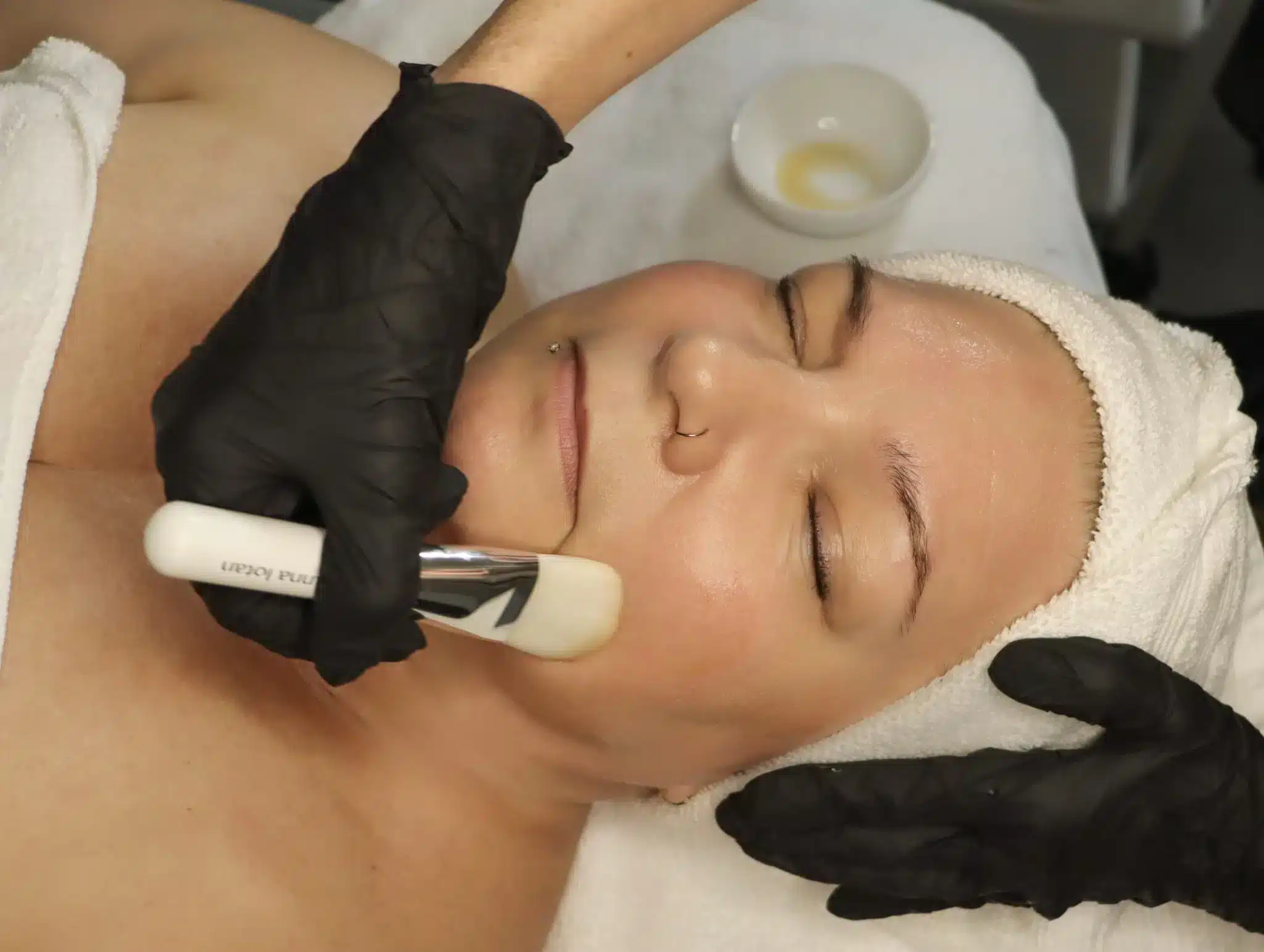
Why Finding the Best Chemical Peels for Acne Scars Actually Matters
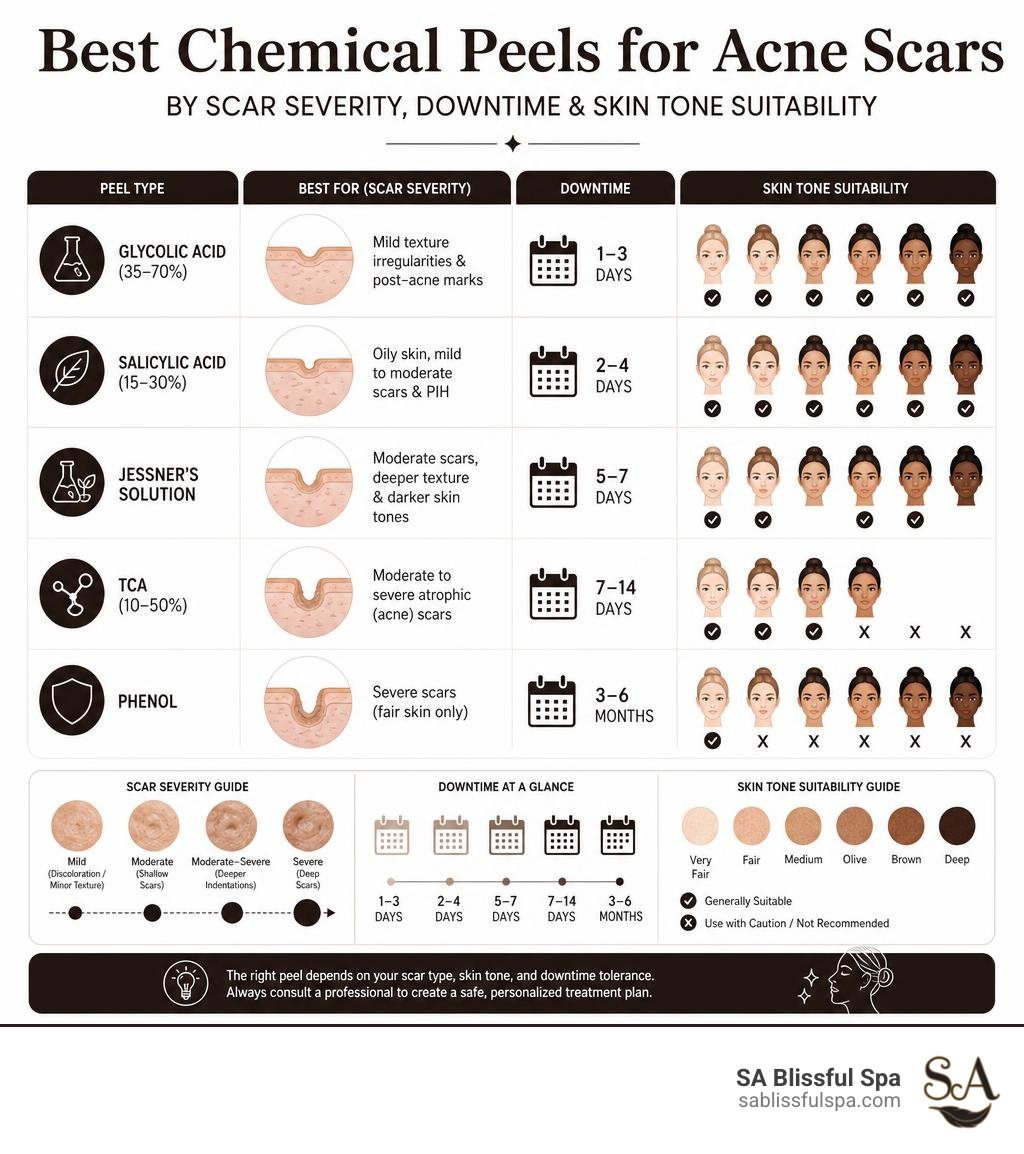
The best chemical peels for acne scars depend on your scar type, skin tone, and how much downtime you can handle. Here is a quick breakdown to match you with the right option fast:
| Peel Type | Best For | Downtime | Sessions Needed |
|---|---|---|---|
| Glycolic Acid (35–70%) | Mild texture, post-acne marks | 1–3 days | 3–6 |
| Salicylic Acid (15–30%) | Oily skin, mild to moderate scars, PIH | 2–4 days | 4–6 |
| Jessner's Solution | Moderate scars, darker skin tones | 5–7 days | 3–5 |
| TCA (10–50%) | Moderate to severe scars | 7–14 days | 2–4 |
| Phenol | Severe scars, fair skin only | 3–6 months | 1 |
Acne rarely leaves without a trace. Even after breakouts clear, the scars they leave behind — sunken pits, uneven texture, dark patches — can linger for years. These aren't just cosmetic frustrations. For many people, they affect confidence and daily life in real ways.
The good news is that chemical peels are one of the most well-studied tools for reducing acne scars. They work by removing damaged skin layers and triggering your skin's own collagen-building response. Clinical research confirms real results: one study found a medium-depth multimodal peel reduced atrophic acne scar volume by over 20% in just two sessions. Another showed that a combination Jessner's and TCA peel produced marked improvement (over 70% scar clearance) in 60% of patients.
But not every peel works for every scar or every skin tone. Choosing the wrong one can cause more harm than good — especially for deeper skin tones prone to post-inflammatory hyperpigmentation.
This guide breaks it all down clearly, so you can make a confident, informed choice.
I'm Saloni Bhandari, licensed esthetician and founder of SA Blissful Spa in Burlington, MA, and I've spent years helping clients find the best chemical peels for acne scars tailored to their unique skin. In this guide, I'll walk you through every major peel type — from gentle glycolic acids to retinol and vitamin C infusions — so you know exactly what to expect before your next treatment.
Understanding Acne Scars and How Chemical Peels Help
To understand why some chemical peels work wonders while others fall flat, we first have to look at what is happening beneath the skin's surface. Acne scars are not just surface-level discolorations; they represent structural changes in the skin.
When a severe breakout occurs, it causes localized inflammation that damages the surrounding tissue. As the skin tries to heal, it may produce too little collagen, resulting in depressed or atrophic scars. Conversely, if the skin produces too much collagen, it forms raised, hypertrophic scars.
Atrophic scars are by far the most common, and they are typically categorized into three distinct shapes:
- Ice Pick Scars: Narrow, deep, and sharp columns that look like the skin has been punctured by a tiny ice pick. Because they extend deep into the dermis, they are historically the most challenging to treat with superficial peels.
- Boxcar Scars: Round or oval depressions with sharp, vertical edges. They look similar to chickenpox scars and can be shallow or deep.
- Rolling Scars: Wide, shallow depressions that create a rolling or undulating wave-like pattern across the skin. These occur when fibrous bands of tissue tether the skin to the deeper subcutaneous layers, pulling the surface downward.
When we apply a chemical peeling agent, we are essentially delivering a controlled, intentional injury to the skin. By removing damaged outer layers, we trigger a cascade of cellular healing. This process breaks up abnormal pigment, encourages rapid cell turnover, and stimulates the dermal matrix to synthesize fresh collagen and elastin. Over time, this natural remodeling helps fill in the depressed areas, softens sharp edges, and releases the fibrotic retraction pulling the skin down.
To understand more about the biology of this process, you can read our detailed breakdown on how chemical peels tackle acne scars. If you want to dive deeper into the clinical classifications of these structural sequelae, the dermatological guide on Chemicalpeeling - Acne Scars provides highly detailed insights.
Comparing the Best Chemical Peels Acne Scar Treatments
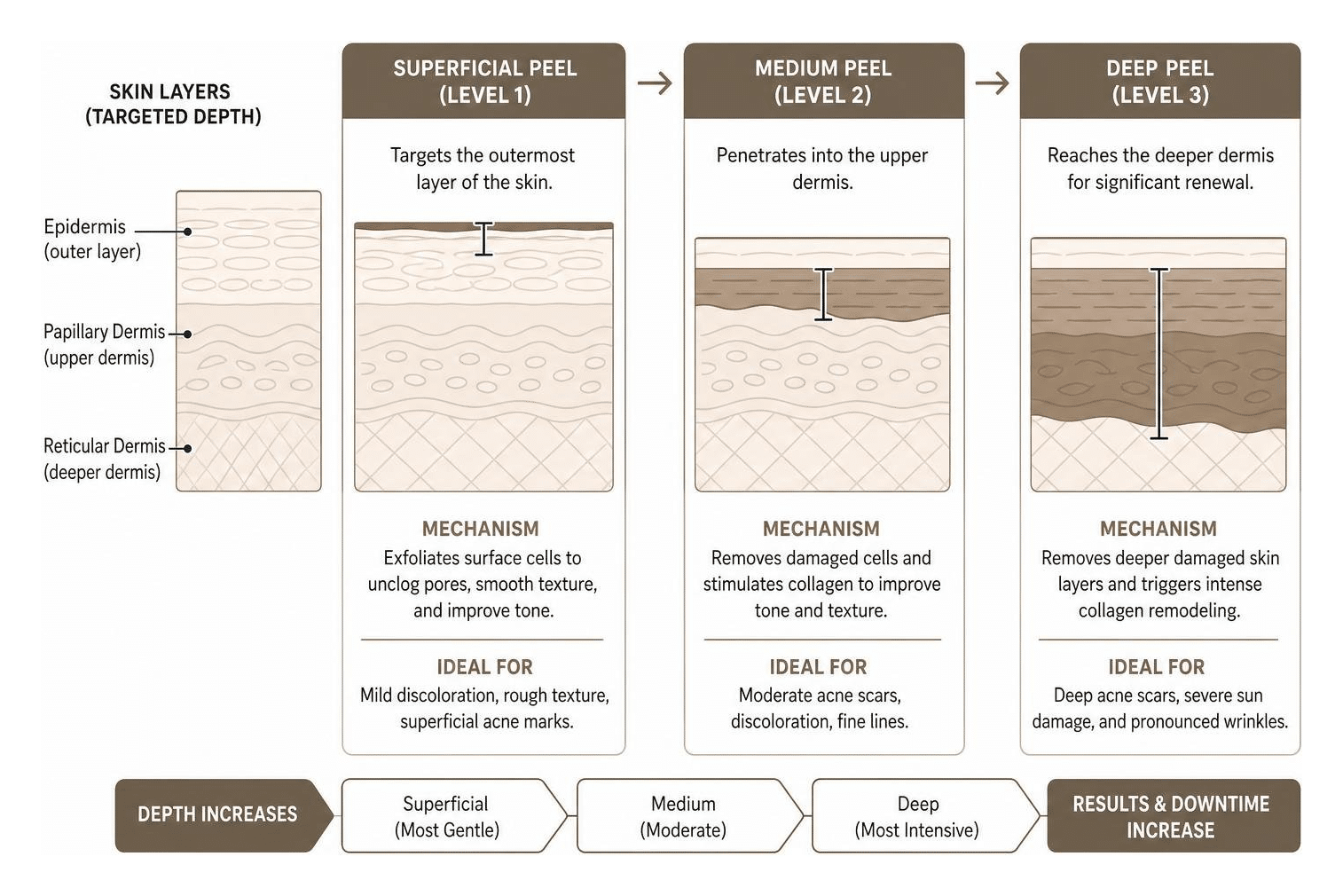
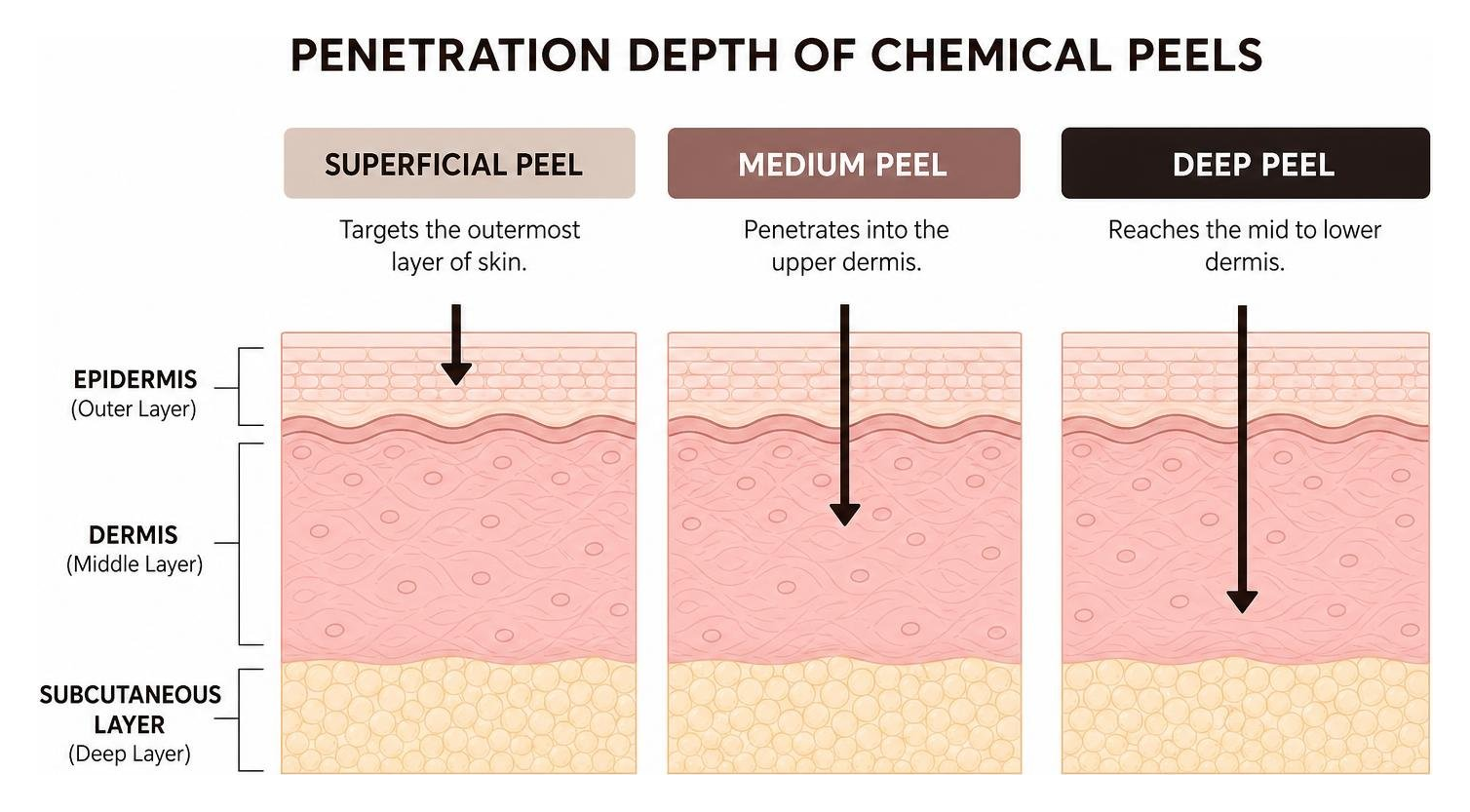
Choosing the best chemical peels acne scar treatment requires finding the sweet spot between how deep your scars are and how much downtime you can afford. Chemical peels are classified by their depth of penetration into the skin: superficial, medium, or deep.
To help you visualize how these treatments target different layers of the skin, look at the biological pathway below:
For a comprehensive overview of how these depth levels translate to real-world results, check out our guide on chemical peeling for acne scars. Below, we explore each major peel category in detail.
Glycolic and Salicylic Acid: The Best Chemical Peels Acne Scar Solutions for Mild Texture
If you are dealing with mild, shallow atrophic scars or dark spots left behind by healed blemishes, superficial peels are your best starting point. These are often referred to as "lunchtime peels" because they require virtually zero social downtime and only cause a few days of light, easily concealable flaking.
- Glycolic Acid (35–70%): As an alpha-hydroxy acid (AHA) with a very small molecular size, glycolic acid easily penetrates the skin's surface. It works by dissolving the cellular glue holding dead skin cells together, promoting epidermal remodeling and seboregulation. Clinical studies, such as the Efficacy of Alpha and Beta Hydroxy Acid Chemical Peels in Postacne Pigmentation, demonstrate that glycolic acid is highly effective at smoothing minor textural irregularities and fading post-inflammatory hyperpigmentation (PIH).
- Salicylic Acid (15–30%): Unlike water-soluble AHAs, salicylic acid is a beta-hydroxy acid (BHA) that is oil-soluble. This allows it to penetrate deep into the lipid-rich environment of the pores, dissolving the sebum and keratin plugs that can stretch out pores and make scars look more prominent. It is the ultimate choice for individuals who are still actively fighting breakouts while trying to fade old scars, offering mild-to-moderate scar revision with just 2 to 4 days of recovery.
TCA and Jessner's Solution: The Best Chemical Peels Acne Scar Options for Moderate Scars
For moderate boxcar and rolling scars, superficial acids aren't quite strong enough to reach the depth where collagen remodeling needs to occur. This is where medium-depth peels step in.
- Trichloroacetic Acid (TCA) (10–50%): TCA is a self-neutralizing acid that coagulates skin proteins, leading to a deeper, more uniform exfoliation of both the epidermis and upper dermis. A TCA peel of 15% to 35% is highly effective for remodeling moderate acne scars, though it does require a true commitment to healing. You can expect 7 to 14 days of recovery, during which the skin will darken, crust, and peel off.
- Jessner's Solution: This classic peeling agent is a standardized blend of salicylic acid, lactic acid, and resorcinol (or citric acid in modified formulas). It is frequently used to prep the skin or is layered underneath TCA to achieve a safer, more even penetration.
The clinical evidence supporting these medium-depth treatments is incredibly strong. For instance, the Efficacy of Modified Jessner's Peel and 20% TCA Versus 20% TCA Peel Alone showed that combining Modified Jessner's with 20% TCA achieved a marked improvement (greater than 70% scar clearance) in 60% of patients, compared to only 28% of those who used TCA alone. Furthermore, a recent clinical trial highlighted in the Cosmetic Benefits of Medium-Depth Chemical Peels showed that a multimodal medium-depth peel protocol (often called a yellow peel) reduced atrophic scar volume by over 20% in young adults while simultaneously reducing active inflammatory acne breakouts by 85%.
To see what this transformation actually looks like, browse our gallery of chemical peel acne scars before and after results.
Retinol and Vitamin C Infusions: Boosting Peel Efficacy for Acne Scars
While acids do the heavy lifting of exfoliation, modern clinical skincare often combines them with powerful metabolic boosters like retinol and vitamin C to accelerate healing and maximize collagen synthesis.
Retinol (Vitamin A) encourages rapid epidermal turnover and neocollagenesis, helping to rebuild the underlying dermal matrix. Vitamin C, a potent antioxidant, acts as an essential cofactor for collagen synthesis and works to inhibit tyrosinase, the enzyme responsible for dark spots. By infusing these nutrients into or immediately following a chemical peel, we provide the skin with the building blocks it needs to repair itself.
Advanced professional formulations, such as those discussed on the ProTouch at The LAB resource page, utilize these synergistic blends (combining TCA, salicylic acid, retinoic acid, and powerful antioxidants like glutathione) to safely lift pigmentation and smooth scars across all skin types with minimal discomfort.
Professional In-Office Peels vs. At-Home Alternatives
With so many "peeling solutions" available on store shelves, it is tempting to try and treat acne scars at home. However, there is a massive biological and safety divide between a retail product and a professional, in-office treatment.
At-home peels are strictly superficial. By law, retail skincare products must maintain a higher, safer pH level and lower acid concentrations to prevent accidental injury. While these are excellent for general skin maintenance and temporary brightness, they simply cannot penetrate deeply enough to stimulate the dermis or remodel pitted acne scars.
Attempting to buy professional-strength acids (especially TCA) online to perform DIY peels is incredibly dangerous. Professional peels require a deep understanding of the skin's pH, acid proticity, and "pKa"—the scientific value that dictates how actively an acid behaves on the skin.
Without professional monitoring, high-strength acids can easily cause severe chemical burns, permanent scarring, and severe post-inflammatory hyperpigmentation. In-office treatments utilize clinical-grade formulations that are carefully neutralized or monitored to ensure safety, as detailed in our guide on the best acne peel treatments. For those interested in the advanced medical guidelines professionals use to manage complex cases, you can explore the Chemicalpeeling - Advanced Acne Scar Protocol.
Chemical Peels vs. Microneedling for Acne Scars
When researching how to smooth out pitted acne scars, you will inevitably compare chemical peels to microneedling. Both are fantastic treatments, but they work through entirely different mechanisms.
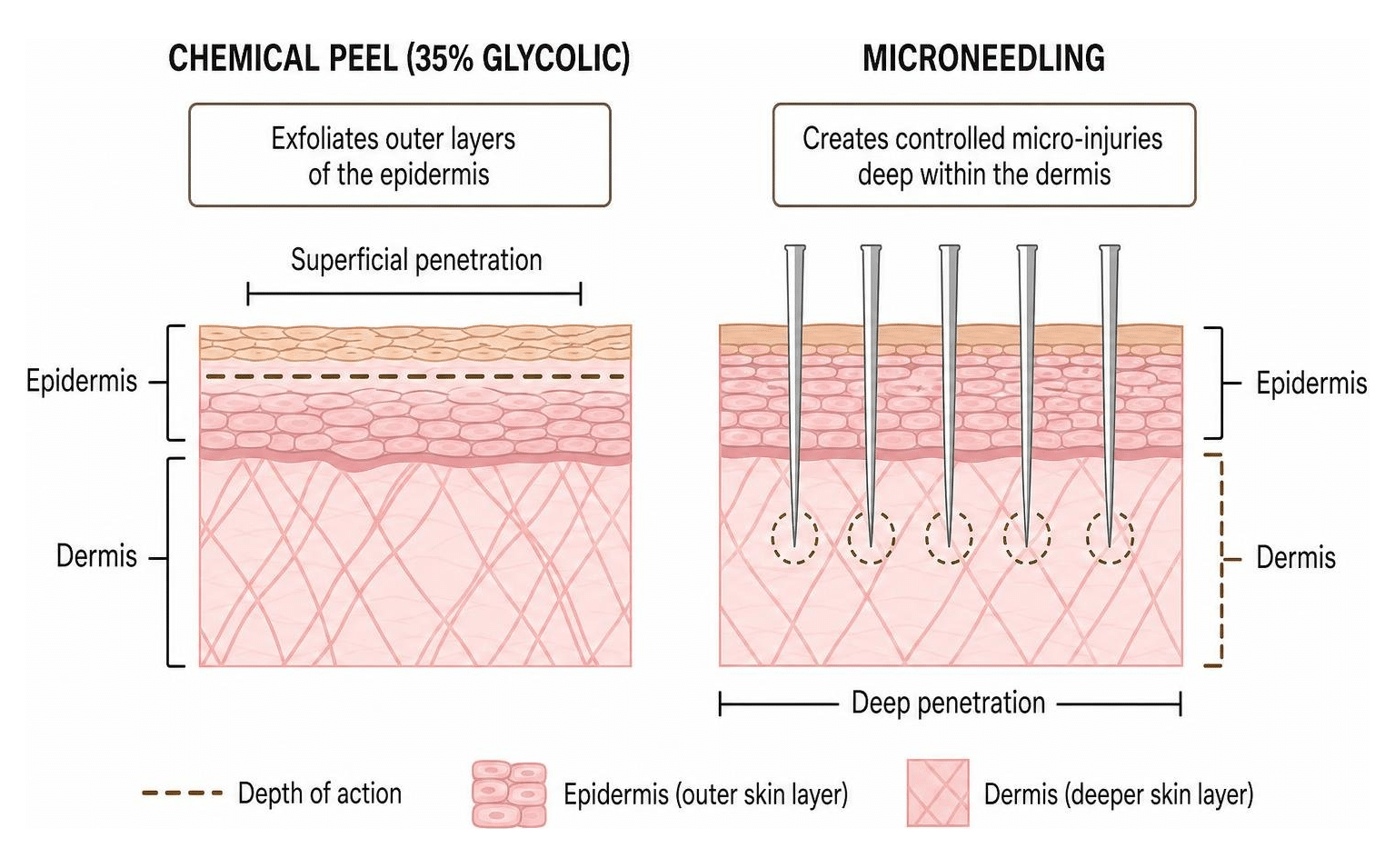
- Chemical Peels: Use chemical acids to dissolve the top layers of skin, promoting rapid cell turnover and triggering a healing response from the top down. They are highly effective for addressing surface texture, active acne, and pigment issues simultaneously.
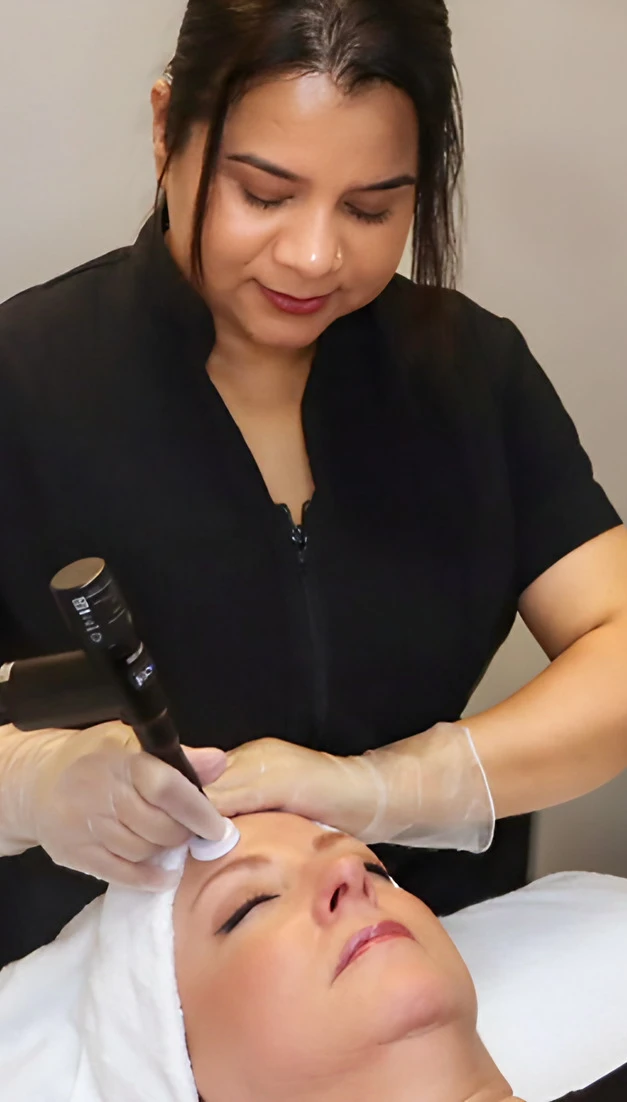
- Microneedling (Collagen Induction Therapy): Uses tiny, sterile needles to create micro-channels directly into the dermis from the bottom up. Because it keeps the outer epidermal barrier mostly intact, it does not rely on acid-driven exfoliation. This makes microneedling exceptionally safe for darker skin tones (Fitzpatrick types IV–VI) who are highly sensitive to acid-induced hyperpigmentation.
A direct clinical comparison of the two treatments revealed some fascinating statistics. In a 12-week study, 73.33% of patients with Fitzpatrick Skin Phototypes IV to VI achieved significant treatment efficacy with microneedling, compared to 33.33% with 35% glycolic acid peels.
However, this doesn't mean you have to choose just one. Many clinical protocols successfully combine both treatments—alternating microneedling to target deep structural remodeling with light chemical peels to polish the skin surface. To find out which path is ideal for your skin, read our head-to-head comparison on microneedling vs chemical peel for acne scars.
Safety, Skin of Color, and Pre/Post-Treatment Care
If you have a deeper skin tone (Fitzpatrick Skin Types IV–VI), safety must be your absolute top priority. Darker skin has highly active melanocytes (pigment-producing cells). When subjected to aggressive, unbuffered chemical peels, these cells can overreact, leading to post-inflammatory hyperpigmentation (PIH) or even permanent hypopigmentation (loss of color).
To prevent these complications, we use a process called "skin priming." For at least two weeks prior to a medium-depth peel, we often have clients prepare their skin using low-strength topical retinoids (like tretinoin) or pigment inhibitors (like azelaic acid). This helps regulate pigment production and ensures the peeling agent penetrates evenly.
Your post-treatment care is just as critical as the peel itself. After a peel, your skin barrier is temporarily compromised, making it incredibly vulnerable to UV damage.
Essential Post-Peel Care Rules:
- Strict Sun Protection: Apply a broad-spectrum SPF 30+ daily and avoid direct sun exposure entirely while peeling.
- Hands Off: Never scratch, pick, or pull at peeling skin. Doing so can pull off healthy skin prematurely, leading to scarring.
- Gentle Hydration: Stick to a simple, bland cleanser and a barrier-repairing moisturizer. Avoid all active acids, scrubs, and retinoids until your skin is completely healed.
- Proper Session Spacing: Ensure you allow your skin enough time to fully rebuild between treatments.
To learn more about how to safely structure your treatment plan, check out our guide on how many chemical peels do I need for acne scars.
Frequently Asked Questions About Chemical Peels for Acne Scars
How much do chemical peels for acne scars cost?
The cost of chemical peels varies widely depending on the depth of the peel, the complexity of the formulation, and where you live. Based on general internet data, superficial peels typically range from $150 to $300 per session, while advanced medium-depth peels can range from $500 to $1,000+. Deep phenol peels performed under medical supervision can exceed $3,000.
Please note: these are average industry costs based on national internet data and do not represent the actual service pricing at SA Blissful Spa. For a closer look at industry price ranges, you can read our article on how much do chemical peels for acne scars cost.
How many sessions are typically needed to see results?
For superficial peels (like glycolic or salicylic acid), a series of 4 to 6 sessions spaced 2 to 4 weeks apart is usually required to see noticeable changes in mild scars. Medium-depth peels (like TCA or Jessner's combinations) deliver more dramatic results, typically requiring 2 to 4 sessions spaced 4 to 8 weeks apart.
Can chemical peels be combined with microneedling?
Yes! Alternating these treatments is one of the most effective ways to address complex, mixed acne scars. By using microneedling to break up deep, fibrous scar tissue and chemical peels to refine surface texture and fade discoloration, you get the best of both worlds. However, these treatments must be carefully sequenced with adequate healing windows in between.
Conclusion
At SA Blissful Spa in Burlington, MA, we know that no two skin journeys are identical. The best chemical peels for acne scars are those that are customized to your specific scar morphology, skin tone, lifestyle, and comfort level. Whether you are looking for a gentle glycolic refresh or a transformative medium-depth peel, our expert, tailored treatments are designed to safely and effectively restore your skin's natural, smooth radiance.
If you live in Burlington, MA, or surrounding Middlesex County communities like Lexington, Woburn, Winchester, Arlington, or Bedford, we would love to help you design your personalized skin renewal plan. Book a professional chemical peel consultation with us today, and let's start your journey toward clearer, smoother, and more confident skin.