Looking for the best acne peel treatment? Here’s a quick answer:
| Best Acne Peel Treatment | Best For | Key Benefits |
|---|---|---|
| Salicylic Acid Peel (15-30%) | Oily, acne-prone skin | Penetrates pores, reduces inflammation, treats active acne |
| Glycolic Acid Peel (30-70%) | Mild acne, hyperpigmentation | Exfoliates surface, improves tone, reduces scarring |
| TCA Peel (15-35%) | Acne scars, deeper concerns | Stimulates collagen, reduces scarring, improves texture |
| Jessner’s Peel | Moderate acne, combination skin | Combines multiple acids, treats active acne and mild scarring |
| Mandelic Acid Peel | Sensitive skin, darker skin tones | Gentle exfoliation, reduces inflammation with minimal irritation |
When over-the-counter products fail to clear stubborn acne, professional best acne peel treatments offer a powerful solution by removing damaged outer skin layers and promoting fresh, clear skin. Chemical peels work by exfoliating the stratum corneum (top layer of skin), reducing inflammation, and decreasing acne-causing bacteria. The controlled exfoliation not only treats active breakouts but also diminishes acne scars by stimulating collagen production and cell renewal.
Different types of peels target specific skin concerns – from superficial peels that address active acne to medium-depth treatments that improve acne scarring. The right peel for you depends on your skin type, acne severity, and specific goals.
I’m Saloni Bhandari, founder of SA Blissful Spa and a licensed esthetician with extensive experience providing customized best acne peel treatments to clients struggling with persistent acne and scarring. My approach combines professional expertise with personalized care to help you achieve the clear, confident skin you deserve.
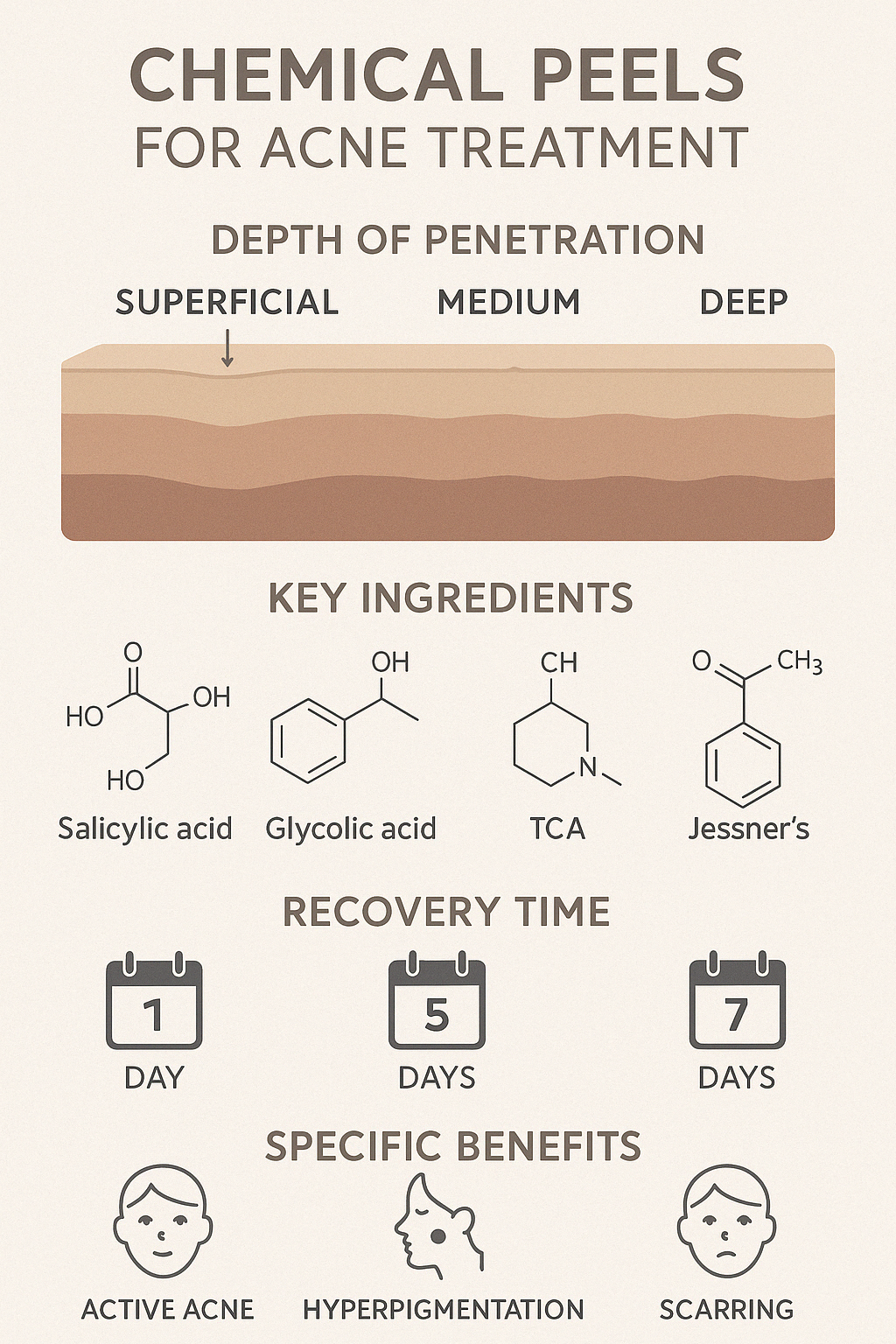
Simple guide to best acne peel treatment:
– can a chemical peel help acne
– chemical peels for scars
Let’s face it—acne can be frustrating, persistent, and sometimes even painful. Before we explore the best acne peel treatments available, it’s worth understanding exactly what we’re dealing with and why those stubborn spots sometimes leave lasting marks.
Acne is incredibly common, affecting nearly everyone at some point in their lives. While we often associate it with those awkward teenage years, the truth is that many adults continue battling breakouts well into their 30s, 40s, and beyond. At its core, acne develops when our hair follicles become clogged with a combination of oil, dead skin cells, and bacteria.
Not all acne is created equal. Your breakouts might fall into one of these main categories:
Comedonal acne includes those pesky blackheads and whiteheads. Blackheads (open comedones) appear dark because the oil in the pore is exposed to air and oxidizes, while whiteheads (closed comedones) stay beneath the skin surface, appearing as small white or flesh-colored bumps.
Inflammatory acne takes things up a notch, causing those red, tender bumps we call papules, or when filled with pus, pustules. These occur when bacteria multiply in the clogged pore, triggering inflammation.
Cystic acne represents the most severe form, creating painful, deep-seated inflammations beneath the skin that can feel like small marbles. These are the most likely to leave behind scars.
Nodular acne presents as large, solid, and often painful lumps under the skin. Like cystic acne, these deeper formations can be stubborn to treat and may linger for weeks or even months.
When acne heals, especially the inflammatory types, our skin sometimes overreacts during the healing process, leading to different types of scarring:

Ice pick scars look exactly as they sound—narrow, deep punctures that make it seem like someone took a tiny ice pick to your skin. These can be particularly challenging to treat since they extend deep into the dermis.
Boxcar scars are broader depressions with sharp, defined edges that resemble chickenpox scars. These typically appear on the temples and cheeks where skin is thicker.
Rolling scars give the skin a wavy, uneven texture because they form when bands of tissue develop between the skin and the subcutaneous layer below, essentially “pulling” the surface down in spots.
Hypertrophic and keloid scars buck the trend by rising above the skin’s surface. These occur when the body produces too much collagen during healing, creating a raised, sometimes reddish mark that can extend beyond the original acne spot.
Post-inflammatory hyperpigmentation (PIH) isn’t technically scarring but appears as dark spots after acne heals. This is especially common in deeper skin tones and can sometimes be as distressing as actual textural scarring.
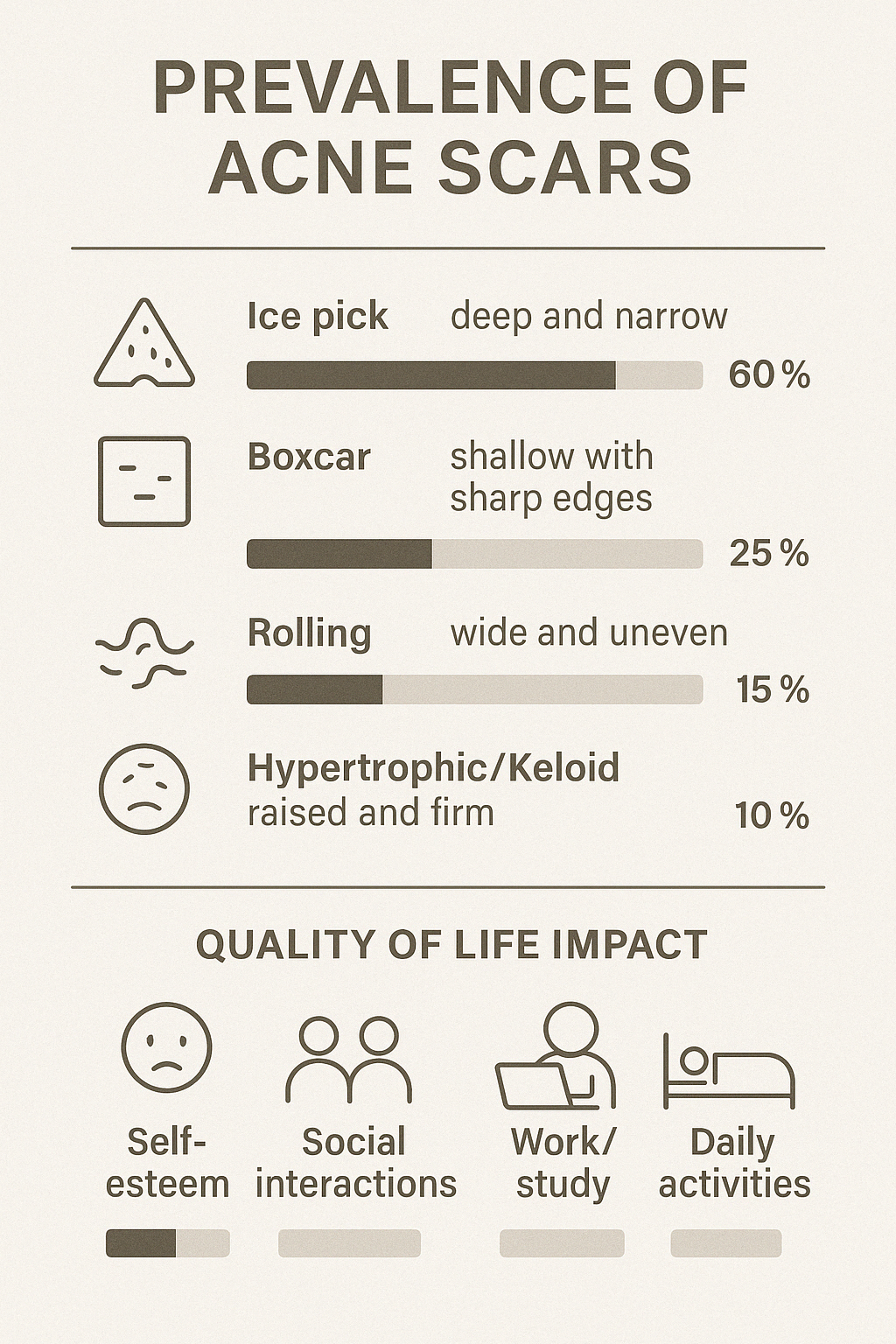
The impact of acne and its aftermath goes far deeper than skin. Many people don’t realize that acne can take a significant emotional toll. Research published in the British Journal of Dermatology found that individuals with acne reported psychological and emotional challenges comparable to those experienced by people with chronic conditions like epilepsy and diabetes. That’s serious!
When you look in the mirror and see spots or scars, it’s not just a cosmetic concern—it can affect how you interact socially, your confidence in professional settings, and even your willingness to try new things or meet new people.
This emotional dimension is precisely why finding the best acne peel treatment for your specific skin concerns isn’t just about vanity—it’s about reclaiming your confidence and quality of life. Chemical peels offer a powerful solution that addresses both active breakouts and the scarring they leave behind, working to restore not just clearer skin but also the confidence that often fades when acne persists.
Understanding your specific type of acne and scarring is the first step toward choosing the right treatment approach. In the next section, we’ll explore exactly how chemical peels work to address these various concerns.
Ever wondered how a best acne peel treatment actually works its magic on your troubled skin? Let’s pull back the curtain on this transformative skincare solution that’s helping countless people reclaim their confidence.
Chemical peels might sound intimidating (the word “chemical” can do that!), but they’re actually a sophisticated approach to treating stubborn acne and the scars it leaves behind. Think of them as a reset button for your skin.
When a chemical solution is applied to your skin, it starts a fascinating process. The acids in the peel gently dissolve the connections between dead skin cells, helping them shed away. But that’s just the beginning of what makes chemical peels one of the best acne peel treatments available.
These powerful solutions work on multiple fronts simultaneously. They clear away the debris clogging your pores that leads to breakouts in the first place. Many peels also have natural anti-inflammatory properties that calm angry, red acne lesions. By lowering your skin’s pH level, they create an environment where acne-causing bacteria simply can’t thrive.
Perhaps most impressively, the controlled exfoliation triggers your skin’s natural healing response. Your body rushes to repair this micro-damage by producing fresh collagen – the protein that gives skin its firmness and helps fill in depressed acne scars over time.
As one New York City dermatologist explains, “Exfoliating enzymes in chemical peels work by gently removing the dead layer of the skin—a.k.a. the stratum corneum—to brighten and smoothen the skin.”
And there’s a bonus effect: after a peel, your regular skincare products can penetrate more deeply, making them work better than ever.
Not all chemical peels are created equal. They vary in strength and depth, which determines both their effectiveness and recovery time. At SA Blissful Spa, we carefully select the right level for your specific concerns:
These gentle peels touch only the outermost layer of skin (epidermis) and are perfect for active acne and mild discoloration. With minimal downtime (0-3 days), you can get back to your routine quickly. Treatments like glycolic acid (up to 30%), salicylic acid (up to 30%), lactic acid, and mandelic acid fall into this category. Many clients incorporate these into their regular skincare routine, coming in every 2-4 weeks for optimal results.
When you need something stronger, medium peels reach deeper, penetrating both the epidermis and upper dermis. These are ideal for moderate acne scarring and more significant sun damage. Expect about 7-14 days of healing time, with treatments spaced every 3-6 months. TCA (15-35%) and Jessner’s solution are common medium-depth peels that provide dramatic improvements.
For severe scarring, deep peels like phenol or high-concentration TCA (>35%) reach into the deeper dermis. These powerful treatments usually require 14-21 days of recovery and are typically done just once or with years between treatments. While effective, at SA Blissful Spa we focus primarily on superficial and select medium-depth peels, as they provide excellent results for most concerns while maintaining safety and reasonable recovery times.
Research published in the Journal of the European Academy of Dermatology and Venereology confirms that “When used in mild-to-moderate facial acne, superficial peels reduce acne lesions with an effect that becomes more apparent with increasing numbers of treatments.”
If you’re dealing with acne scars, chemical peels offer specific benefits that make them a best acne peel treatment option:
The accelerated cell turnover means damaged skin cells are replaced by fresh, healthy ones. Those stubborn dark spots that linger after acne heals (post-inflammatory hyperpigmentation) gradually fade away with regular treatments. The overall texture of your skin improves as rough, uneven areas become smoother and more refined.
Most importantly, the collagen remodeling stimulated by peels helps fill in those depressed scars that can make your skin look pitted. This improvement happens gradually with consistent treatments.
The results speak for themselves. A clinical study using a combination of Jessner’s solution with 20% TCA showed marked improvement in acne scars for 60% of patients. Another study focused on superficial peels demonstrated a 47-75% reduction in acne lesions with salicylic acid peels.
As dermatologist Dr. Anna Guanche explains, “Chemical peels help with acne because they lower the pH of the skin, making bacteria uncomfortable and unable to survive. During this time, the solution penetrates the uppermost layers of the skin allowing the peel to achieve a certain depth.”
With this deeper understanding of how chemical peels transform acne-prone skin, let’s explore the specific types that might be your perfect match in the journey toward clear, confident skin.
For more scientific details about how chemical peels work for acne, check out this research on chemical peels for acne.
When you’re searching for the best acne peel treatment for your unique skin concerns, it’s easy to feel overwhelmed by options. At SA Blissful Spa, we understand this journey and have helped countless clients find their path to clearer, more confident skin. Let’s explore the most effective chemical peels that can transform both active acne and lingering scars.
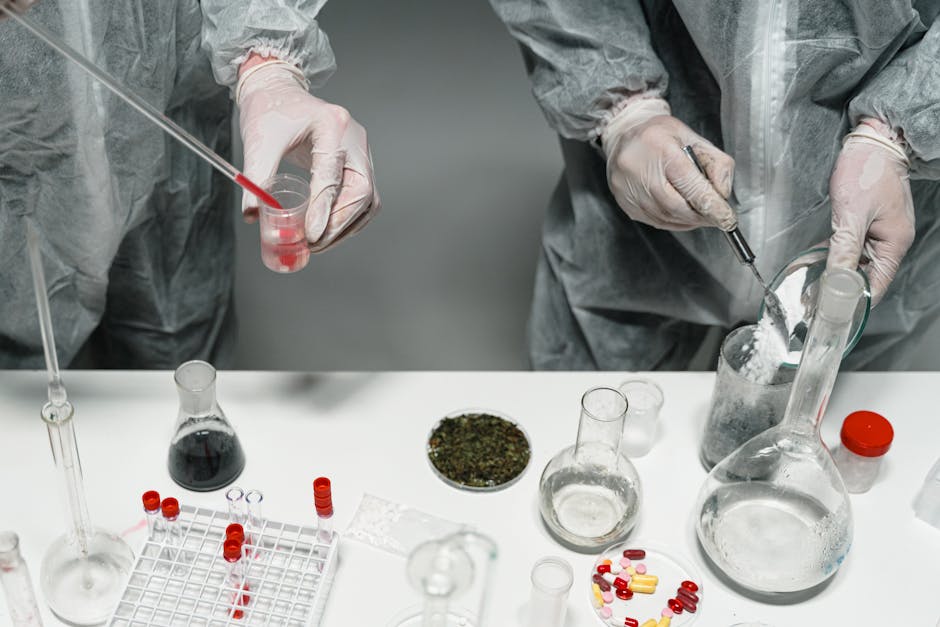
There’s a reason glycolic acid is considered one of the best acne peel treatments in the skincare world. This alpha-hydroxy acid (AHA) derived from sugarcane has the smallest molecular structure of all AHAs, allowing it to penetrate skin effectively and work its magic from within.
When glycolic acid touches your skin, it immediately begins dissolving the “glue” that holds dead skin cells together. This gentle yet powerful exfoliation helps unclog pores that contribute to acne formation. But that’s just the beginning of what makes this peel special.
Beyond clearing current breakouts, glycolic acid peels are exceptional for fading those stubborn post-acne marks that can linger for months. The acid stimulates collagen production beneath the surface, gradually filling in shallow acne scars and improving overall skin texture.
“I was skeptical at first,” shares one of our clients with combination skin, “but after my third glycolic peel, not only had my active breakouts calmed down, but those dark spots I’d been covering with makeup for years were noticeably lighter. I actually feel comfortable going foundation-free now!”
Glycolic acid peels work beautifully for most skin types, though we always take extra care with sensitive skin. Professional treatments typically range from 20% to 70% concentration, which we customize based on your skin’s needs and previous experience with exfoliation.
If you have oily, acne-prone skin that seems to break out at the slightest provocation, salicylic acid peels might be your skin’s new best friend. As a beta-hydroxy acid (BHA), salicylic acid has a unique superpower that distinguishes it from other peel ingredients – it’s oil-soluble.
This special property allows salicylic acid to dive deep into your pores, cutting through excess oil to dissolve the debris that causes breakouts. It’s like sending a targeted cleaning crew exactly where your skin needs it most. This makes it arguably the best acne peel treatment for those struggling with persistent oiliness and frequent breakouts.
The anti-inflammatory properties of salicylic acid provide immediate relief for angry, red pimples. Many clients notice their skin looks calmer even after just one treatment, with inflammation visibly reduced and breakouts beginning to heal faster.
“After struggling with cystic acne for years, I finally found something that works,” a regular client told us recently. “My skin is clearer than it’s been since middle school, and the best part is I’m not constantly shiny by midday anymore.”
Professional salicylic acid peels typically range from 15% to 30% in strength. They’re gentle enough that many clients can resume normal activities immediately, with just slight pinkness that fades within hours. For optimal results, we typically recommend a series of treatments spaced 2-4 weeks apart.
When acne scars have left their mark on both your skin and your confidence, trichloroacetic acid (TCA) peels offer a more intensive solution. These medium-depth peels reach deeper layers of skin to trigger significant remodeling of scar tissue.
TCA peels are the heavy hitters of the chemical peel world. They penetrate beyond the surface to create controlled damage that stimulates your skin’s natural healing response. As your skin rebuilds itself, it produces fresh collagen and elastin, gradually filling in depressed scars and creating smoother, more even texture.
The change isn’t instant – your skin needs time to heal and rebuild – but the results can be truly life-changing for those with significant scarring. Many clients find that TCA peels accomplish what years of lighter treatments couldn’t.
“I’d tried everything for my acne scars,” shares one of our long-term clients. “The improvement after my first TCA peel was subtle, but by the third treatment, even my husband noticed the difference. The boxcar scars on my cheeks that I’d had since my teens are now barely visible.”
TCA peels typically range from 15% to 35% in concentration, with higher percentages used for deeper scarring. Due to their strength, these peels require 7-14 days of social downtime, during which your skin will peel visibly as it renews itself. This is not a lunchtime treatment – but for many, the results are well worth the recovery period.
While professional treatments deliver the most dramatic results, at-home peels can play a valuable supporting role in your skincare routine. These gentler formulations help maintain results between spa visits and provide gradual improvement for very mild concerns.
At-home peels typically contain the same active ingredients as professional treatments but in much lower concentrations – usually 5-10% for glycolic acid and 1-2% for salicylic acid. This makes them safe for regular use but also means results will be more subtle and cumulative rather than immediate and dramatic.
Many of our clients incorporate at-home peels into their maintenance routines after completing a professional series. These products help extend the benefits of in-spa treatments by providing regular mild exfoliation that keeps pores clear and encourages continued cell turnover.
“The professional peels at SA Blissful Spa cleared my acne, and the at-home product they recommended helps me keep it that way,” explains a client who struggled with persistent adult acne. “I use it twice a week, and it’s been six months without a major breakout.”
At-home products have limitations. They’re wonderful for maintenance but rarely strong enough to address significant scarring or severe active acne. We’re always happy to recommend appropriate at-home options that complement your professional treatments while prioritizing safety.
At SA Blissful Spa, we believe in personalized care – because what works as the best acne peel treatment for one person might not be ideal for another. During your consultation, we’ll evaluate your skin concerns, history, and goals to create a customized treatment plan that delivers the clear, confident skin you deserve.
Finding the best acne peel treatment for your unique skin is a bit like finding the perfect pair of jeans—what works beautifully for your friend might not be right for you. That’s why I always take time with my clients at SA Blissful Spa to really understand their skin before recommending any treatment.
Your natural skin type is the foundation for choosing the right peel. Think of it as knowing your starting point on the map before planning your journey.
If you have oily or acne-prone skin, salicylic acid peels are often your best friend. These oil-soluble treatments can dive deep into those pores, control excess oil, and calm inflammation. Most of my clients with oily skin see great results with treatments every 2-4 weeks.
For those with dry or sensitive skin, gentler options like lactic acid or mandelic acid peels work wonders. Their larger molecular structure means they don’t penetrate as aggressively, giving you effective exfoliation without the irritation. I typically recommend starting with lower concentrations and shorter application times, spaced about 3-4 weeks apart.
Combination skin? You’re not alone! Many of my clients benefit from Jessner’s peels or customized combinations that can address multiple concerns at once. These balanced formulations can tackle oiliness in the T-zone while being gentle on drier areas.
For darker skin tones, we need to be extra careful to avoid post-inflammatory hyperpigmentation. Mandelic acid, lactic acid, or low-concentration salicylic acid peels are generally safer options. I always take extra precautions with deeper skin tones, often incorporating special pre-treatment protocols to minimize risks.
The type and extent of your acne or scarring will guide us toward the most effective treatment approach.
For active, inflamed acne, salicylic acid and low-concentration glycolic acid peels are my go-to recommendations. They target inflammation directly, reduce bacteria, and help unclog those stubborn pores. Be patient though—you might need several sessions before seeing dramatic improvement.
Those pesky blackheads and whiteheads (comedonal acne) respond particularly well to salicylic acid peels or combination peels with BHA. These treatments are excellent at dissolving the oil and debris trapped in pores. Many of my clients are thrilled to see improvement after just one or two treatments.
If you’re dealing with those annoying dark spots left behind after acne (post-inflammatory hyperpigmentation), glycolic acid peels, lactic acid peels, or mandelic acid for darker skin tones can help fade them by speeding up cell turnover. For these concerns, I typically recommend a series of 4-6 treatments for optimal results.
Mild acne scarring often improves with higher-concentration glycolic acid peels (50-70%) or low-concentration TCA (15%). These stimulate collagen production to gradually improve texture over multiple treatments.
For those with moderate to severe scarring, TCA peels (20-35%) may be necessary to penetrate deeply enough to remodel scar tissue. These treatments involve fewer sessions but more downtime, and sometimes work best when combined with other procedures.

I can’t stress this enough: a professional consultation is essential before any chemical peel. At SA Blissful Spa, our consultation isn’t just a quick chat—it’s a comprehensive assessment that includes:
A thorough skin analysis to examine your skin type, concerns, and history. We’ll talk about what’s bothering you most and what you hope to achieve.
A review of your medical history, because certain medications (like isotretinoin) and conditions can affect how your skin responds to peels.
Setting realistic expectations about what peels can achieve for your specific concerns. I believe in honest conversations about results.
Creating a customized treatment plan that maps out the optimal series of treatments for your skin.
Providing clear pre-treatment instructions to prepare your skin and maximize your results.
One of my guiding principles is matching the specific chemical peel to your unique skin profile to maximize benefits while minimizing risks.
While chemical peels are generally safe when performed correctly, it’s important to know what to expect afterward.
Most people experience some common and expected reactions: redness that can last 1-7 days depending on the peel depth, mild stinging during application, flaking or peeling for 3-7 days, temporary sensitivity to sunlight, and slight dryness or tightness. These are all normal parts of the healing process.
Less commonly, some clients experience prolonged redness, temporary hyperpigmentation (more common in darker skin tones), or cold sore activation if you have a history of herpes.
Rare side effects, primarily with deeper peels, can include scarring, persistent pigmentation changes, or infection. That’s why I take such care in screening clients, performing patch tests when necessary, and providing detailed aftercare instructions.
The success of your best acne peel treatment doesn’t end when you leave the spa—how you care for your skin afterward is just as important as the peel itself!
In the first 24-48 hours, treat your skin like delicate silk: gentle cleansing with lukewarm water only, no harsh products or exfoliants, applying only the recommended soothing products, and strictly avoiding sun exposure.
During the peeling phase (typically days 3-7), resist the urge to pick or pull at flaking skin (as tempting as it might be!), keep your skin moisturized, continue sun avoidance, and use SPF 30+ when outdoors. We’ll guide you in gradually reintroducing your regular skincare as your skin heals.
For long-term maintenance, follow the recommended treatment intervals we suggest, use supportive skincare products between treatments, be religious about sun protection, and consider incorporating gentle at-home maintenance products that we can recommend.
“The way you care for your skin after a peel can make the difference between good results and great results,” I often tell my clients at SA Blissful Spa. “Think of it as protecting your investment in your skin.”
By thoughtfully considering all these factors and working with our skilled team, you can find the best acne peel treatment for your unique skin concerns and finally achieve the clear, smooth complexion you’ve been dreaming of.
When exploring best acne peel treatments, you’ll come across these three popular options that work quite differently. Think of them as different tools in your skincare toolkit, each designed for specific jobs.
Glycolic acid peels are like your friendly neighborhood exfoliator – derived from sugarcane, these alpha-hydroxy acids have tiny molecules that easily penetrate your skin. They’re water-soluble and work primarily on the surface, making them perfect for overall skin renewal, fading those stubborn dark spots, and addressing mild scarring. During application, you’ll feel a moderate tingling sensation, and afterward, you might experience light to moderate peeling depending on the strength.
Salicylic acid peels, on the other hand, are the oil-fighting specialists. Coming from willow bark, these beta-hydroxy acids have a unique superpower – they’re oil-soluble, meaning they can dive deep into your pores to clear out congestion. This makes them ideal if you’re battling active breakouts, blackheads, or oily skin. Most people find these peels more comfortable, with just mild stinging that sometimes transitions to a numbing feeling. Afterward, you’ll typically notice gentle flaking rather than dramatic peeling.
TCA (trichloroacetic acid) peels are the heavy-duty option in the bunch. They’re neither AHA nor BHA but work by causing protein coagulation deeper in the skin. Think of them as the renovation experts for more serious concerns like acne scarring and significant texture issues. These peels can pack quite a punch with moderate to intense sensations during application, and you’ll likely experience more noticeable peeling afterward as sheets of skin naturally slough away.
“Each peel is like a different key that open ups specific benefits for your skin,” explains our senior esthetician at SA Blissful Spa. “We carefully select which one will work best based on what your skin needs most – whether that’s controlling oil with salicylic acid, brightening with glycolic, or rebuilding texture with TCA.”
Finding the right rhythm for your chemical peel treatments is a bit like establishing a workout routine – consistency matters, but pushing too hard too fast can backfire. The perfect schedule depends on both the type of peel and what your skin needs.
For gentler, superficial peels like glycolic, salicylic, or lactic acid, you can generally come in more frequently. If you’re actively battling breakouts, treatments every 2-4 weeks for a series of 4-6 sessions typically yields the best results. Once your skin has cleared, switching to a maintenance schedule of once every 4-6 weeks helps keep those breakouts at bay. For those focused on fading post-acne marks, a slightly longer series of treatments (6-8) spaced about 3-4 weeks apart often works wonders.
Medium-depth peels, like lower-concentration TCA or Jessner’s solutions, require more recovery time. For acne scarring, spacing these every 6-8 weeks for a series of 3-4 treatments allows your skin to fully heal and rebuild between sessions. After completing your initial series, maintenance treatments every 3-6 months can help preserve and improve your results.
Deep peels, such as high-concentration TCA treatments, are typically one-and-done procedures for severe scarring, or they might be repeated after several years.
I’ve noticed with my clients at SA Blissful Spa that rushing the process rarely leads to better outcomes. Your skin needs adequate time to recover and rebuild between treatments. We typically start with a conservative approach, carefully monitoring how your skin responds, then adjust the frequency based on your individual healing capacity and results.
One client shared: “I was impatient and wanted weekly peels, but my esthetician explained why that wasn’t ideal. Following her recommended schedule of treatments every three weeks gave my skin time to heal, and the results were so much better than when I’d tried rushing things in the past.”
Chemical peels can be wonderful for most skin types, but they’re not one-size-fits-all treatments. Think of it like clothing – while most people can wear jeans, the perfect fit and style varies widely from person to person.
If you have fair to medium skin (Fitzpatrick types I-III), you generally have more flexibility with peel options. Your skin typically tolerates a wider range of ingredients and concentrations with a lower risk of post-inflammatory hyperpigmentation (those dark spots that can appear after inflammation).
For those with deeper skin tones (Fitzpatrick types IV-VI), we take a more cautious but equally effective approach. Your skin has more melanin, which can react to inflammation by producing uneven pigmentation. This doesn’t mean peels aren’t for you – quite the opposite! It just means we’ll likely start with gentler options like mandelic acid (which has a larger molecule size and is less irritating), lactic acid, or low-concentration salicylic acid peels. We might also recommend pre-treating your skin with ingredients that help regulate melanin production before your peel.
If you have sensitive skin or conditions like rosacea, we don’t count you out either! We’ll typically recommend gentler peels at lower concentrations with shorter application times. For rosacea-prone skin, very mild salicylic acid peels can actually be beneficial thanks to their anti-inflammatory properties, especially when combined with soothing ingredients.
The only time we absolutely avoid peels is when your skin is actively inflamed or irritated. If you’re experiencing an active breakout with significant inflammation, we’ll wait until that calms down before proceeding.
“Understanding your unique skin is essential before recommending any peel,” I always tell my clients at SA Blissful Spa. “What works beautifully for your friend might not be right for you, and that’s perfectly normal. Our goal is to find the perfect match for your specific skin needs and concerns.”
Preparing for your best acne peel treatment is a bit like preparing for a special performance – the prep work you do beforehand significantly impacts your results. Here’s how to set yourself up for success:
About 1-2 weeks before your appointment, begin simplifying your skincare routine. This means temporarily setting aside your retinoids, exfoliating products, and any aggressive active ingredients that might sensitize your skin. Also, avoid scheduling any waxing, laser treatments, or intense facial scrubs during this time. If we’ve recommended specific pre-peel products for your skin type, now’s the time to incorporate those.
In the 48 hours leading up to your treatment, be extra vigilant about sun protection. Even brief sun exposure can make your skin more reactive to the peel. This is also the time to completely stop using any potentially irritating products – when in doubt, stick to gentle cleansing and moisturizing only.
On the day of your treatment, arrive with clean, makeup-free skin. There’s no need to do any special cleansing beforehand – we’ll take care of that in the treatment room. Be sure to mention any new medications, skincare products, or skin concerns that have developed since we last saw you.
“One of the most common mistakes I see is clients who exfoliate right before coming in for their peel, thinking they’re helping the process,” shares our lead esthetician. “In reality, this can make your skin more sensitive and reactive to the peel solution. Less is definitely more when it comes to pre-peel preparation.”
At SA Blissful Spa, we’ll provide you with detailed instructions custom to your specific skin type and the particular peel you’ll be receiving. Following these guidelines helps ensure you’ll get the most benefit with the least potential for irritation.
Understanding the journey of a chemical peel helps take the mystery (and anxiety) out of the process. Let me walk you through what happens from start to finish.
During your treatment, we begin with a thorough cleansing to remove any surface oils or residue that might interfere with the peel. If you have particularly sensitive areas, we’ll protect them with a thin barrier cream. Then comes the main event – application of the peel solution using a brush, gauze, or cotton applicator. You’ll likely feel some sensation ranging from mild tingling to moderate warmth, depending on the type and strength of your peel. This is completely normal and expected! The solution remains on your skin for a carefully timed period, typically between 3-10 minutes. Some peels self-neutralize, while others require us to apply a neutralizing solution to stop the activity at precisely the right moment.
Immediately after your peel, your skin will likely look anywhere from slightly pink to moderately red – similar to how your skin might look after exercise or sitting in a warm room. We’ll apply soothing, calming products and, most importantly, sun protection before you leave. You’ll also receive detailed instructions for caring for your skin in the coming days.
During the first 24-48 hours, that initial redness typically begins to subside. Your skin might feel slightly tight or appear a bit shiny – this is the beginning of the renewal process. This is when gentle care is absolutely crucial – stick to the mild cleanser and moisturizer we recommend, and be vigilant about sun protection.
Between days 3-7, the magic really starts happening. Depending on the type and strength of your peel, you may experience anything from minor flaking to more noticeable peeling. The golden rule during this phase? Let your skin do its thing naturally. Resist the urge to pick, pull, or manually exfoliate peeling skin – this can lead to uneven results or even scarring. Instead, keep your skin hydrated and protected, allowing the process to unfold at its own pace.
By the second week, most visible peeling has typically resolved, revealing fresher, clearer skin underneath. This is when many clients text me excited photos saying, “My skin hasn’t looked this good in years!” But the benefits don’t stop there – collagen remodeling continues beneath the surface for weeks afterward, gradually improving texture and tone.
“The post-peel period is when patience really pays off,” I often remind clients at SA Blissful Spa. “Those who follow the aftercare instructions and resist the temptation to ‘help’ the peeling along always achieve the best, most even results.”
We’re always just a phone call away if you have questions during your healing process. Your success is our success, and we’re here to support you every step of the way.
Finding the best acne peel treatment for your skin isn’t just about picking the most popular option—it’s about finding what works specifically for your unique skin concerns. Throughout this guide, we’ve explored the science behind different peel options and why professional guidance makes all the difference in your skincare journey.
After helping hundreds of clients at SA Blissful Spa, I’ve seen how transformative the right chemical peel can be for both active acne and stubborn scarring. The results can be truly life-changing, but getting there requires understanding a few key principles.
Not all peels are created equal—each has its special superpower. Salicylic acid peels work wonders for oily, breakout-prone skin by diving deep into pores and calming inflammation. If you’re dealing with uneven tone and texture, glycolic acid peels might be your best friend. And for those deeper, more stubborn scars? That’s where TCA peels truly shine by triggering collagen remodeling beneath the surface.
What makes me passionate about our approach at SA Blissful Spa is our commitment to customization. Your skin is as unique as your fingerprint, which is why we never use a one-size-fits-all approach. The concentration, application technique, and frequency of your treatments should be as individual as you are.
I always tell my clients that while DIY options exist (and can be helpful for maintenance), there’s simply no substitute for professional expertise when you’re serious about addressing acne concerns. The safety and results speak for themselves, especially when dealing with more significant scarring.
Chemical peels aren’t usually a one-and-done solution. The most impressive changes I’ve witnessed have come from consistent treatment plans where we build on each success. Your skin responds to this gradual approach by becoming clearer and more resilient over time.
And I can’t stress enough how critical your at-home care routine is between treatments! How you nurture your skin after each peel dramatically impacts your results. This partnership between professional treatments and daily care creates the foundation for lasting improvement.
At SA Blissful Spa, we understand that acne and scarring affect more than just your skin—they can impact your confidence and how you face the world each day. That’s why our team approaches each client with both expertise and empathy. Our comprehensive approach includes:
A thorough consultation where we really listen to your concerns and analyze your skin’s unique needs. Sometimes what you think is the problem isn’t actually what needs addressing first!
Treatment protocols that might combine different peel types—because sometimes your skin needs more than one approach to achieve the best results.
Detailed guidance for before and after your treatments, because what you do at home is just as important as what happens in our treatment room.
Personalized product recommendations that support and improve your professional treatments, creating a complete system for skin change.
Regular check-ins to monitor your progress and adjust your plan as your skin improves and your needs evolve.
The journey to clear, confident skin doesn’t have to be overwhelming or confusing. With the right professional guidance and best acne peel treatments custom specifically to your needs, you can effectively address both active breakouts and the marks they leave behind.
Ready to transform your skin with professional acne peel treatments? Contact SA Blissful Spa today to schedule your consultation. Let’s work together to create the clear, healthy complexion you deserve.
For more information about our chemical peel services, visit our chemical peeling for acne scars page.


Book your first appointment online and enjoy 15% off your first service (one-time offer).
Use code NEWCLIENT15