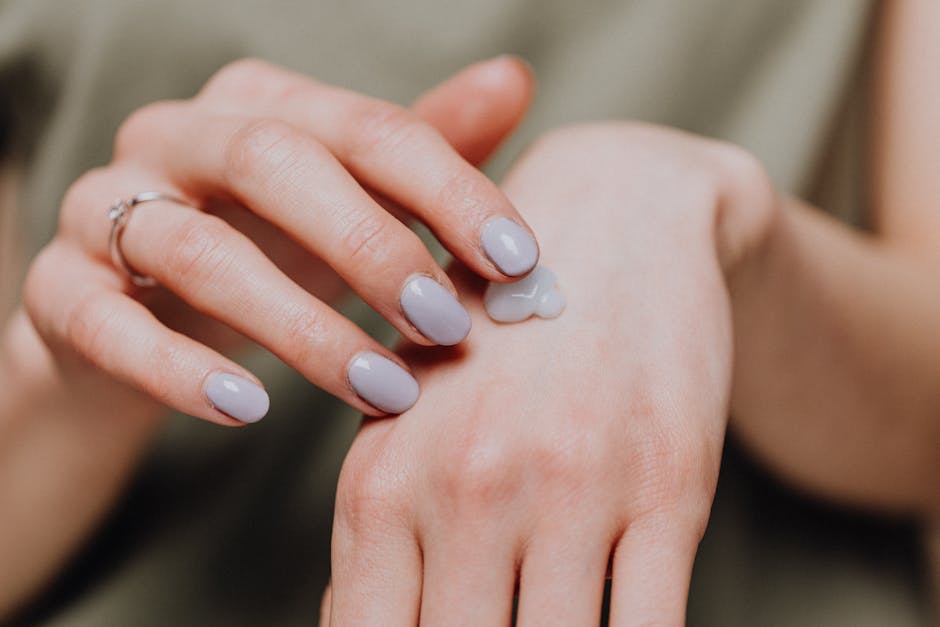
How to care for your skin after a chemical peel is critical for achieving the glowing, refreshd complexion you’re seeking. Here’s what you need to do immediately:
Essential Post-Peel Care Steps:
After a chemical peel, your skin goes through a natural renewal process. Depending on your skin’s sensitivity and the peel depth, you may experience tingling, burning, itching, dryness, redness, or tightness. Within 2-3 days, your skin may look flaky or tan as the outermost surface peels away, revealing fresher, more radiant skin underneath. Most people begin peeling on day 3 or 4, with the process taking 7-10 days on average.
The healing timeline varies significantly by peel depth. Light peels heal in 1-7 days with minimal downtime, medium peels require 7-14 days of recovery, and deep peels need about two weeks for new skin to fully develop (though redness may persist for months). Following proper aftercare instructions isn’t just recommended—it’s essential for preventing complications like scarring, infection, or hyperpigmentation while maximizing your treatment results.
As Saloni Bhandari, founder of SA Blissful Spa with experience in advanced skincare treatments, I’ve guided countless clients through how to care for your skin after a chemical peel to ensure they achieve optimal results. My goal is to help you steer this healing journey with confidence, so your investment in beautiful skin pays off with a radiant, smooth complexion.

Similar topics to how to care for your skin after a chemical peel:
A chemical peel is a fantastic way to refresh your skin, but the journey to that radiant glow involves a healing process. Understanding what to expect day by day will help you manage expectations and ensure optimal recovery.
Immediately after a chemical peel, depending on your skin’s sensitivity and the strength of the peel, you might experience various sensations. These can include tingling, a feeling of burning, itching, dryness, redness, or tightness. These immediate side effects are normal and usually subside within a few days. For professional-grade peels, you might also notice some swelling or even slight scabbing.
In the first 1-2 days, your skin may feel sensitive, tight, and look red, similar to a sunburn. As the days progress, specifically around day 3-5, the peeling phase typically begins. Your skin might start to look flaky or appear like it has a tan as the outermost layers prepare to shed. This is your skin making way for the fresh, new skin underneath. It’s common for peeling to start around the mouth and nose, then spread outwards.
The flaking skin is a sign that the peel is working its magic, eliminating dead surface skin cells. While you might see temporarily more pronounced discoloration or age spots as they rise to the skin’s surface, rest assured they are on their way out!
By day 6-10, for most light to medium peels, the active peeling should largely subside, and you’ll start to see the revelation of your new skin. The entire peeling process can take anywhere from 7-10 days on average, but this timeline can vary based on individual factors like your skin type, age, the weather, your lifestyle, and even your hormones.
For more detailed information about chemical peels and what they entail, please visit our page on chemical peels.
Light chemical peels are designed to remove only the outer layer of skin (the epidermis). These are fantastic for treating fine wrinkles, mild acne, uneven skin tone, and dryness. The good news? Downtime is minimal! You might experience slight redness and a little flaking, but these effects are usually mild. Treated areas typically heal within one to seven days. This means you can often resume your normal activities quite quickly, making light peels a popular choice for a quick refresh.
To explore the different types of peels we offer and their specific benefits, check out our guide on types of chemical peels.

Medium and deep chemical peels penetrate further into the skin, offering more dramatic results for concerns like deeper wrinkles, acne scars, and significant uneven skin tone. However, with greater results comes a longer recovery period and more pronounced initial side effects.
After a medium peel, you can expect noticeable redness, swelling, and a feeling of tightness. Your skin will peel more significantly than with a light peel. Treated areas generally take about seven to 14 days to heal, but residual redness might linger for months.
Deep chemical peels, which target even deeper skin layers, involve a more intensive recovery. New skin typically develops within about two weeks, but like medium peels, redness can persist for several months. During the initial healing, you might also experience scabbing. It’s crucial to follow your esthetician’s specific instructions for cleansing and applying protective ointments during this time.
Here’s a quick comparison of recovery timelines for different peel depths:
| Peel Depth | Layers Affected | Typical Healing Time | Common Side Effects |
|---|---|---|---|
| Light | Epidermis | 1-7 days | Mild redness, flaking |
| Medium | Epidermis & upper Dermis | 7-14 days | Redness, swelling, peeling, tightness |
| Deep | Deeper Dermis | ~2 weeks (new skin), months (redness) | Significant redness, swelling, scabbing, oozing |
After a chemical peel, your skin is like a newborn – delicate, vulnerable, and in need of extra tender loving care. This is where a gentle, minimalist skincare routine becomes your best friend. Our goal is to support your skin’s natural healing process, reinforce its protective barrier, and keep it hydrated. Hydration, both internally and externally, is absolutely key to comfortable and effective healing.
At SA Blissful Spa, we emphasize personalized care. For advice custom to your unique skin needs after a peel, consider our customized facial treatments.
The way you cleanse your skin post-peel is paramount. We recommend using cool water, as hot or cold water can irritate your already sensitive skin. Opt for a mild, soap-free cleanser, ideally one recommended by your esthetician.
When washing, use only your fingertips and a very light touch. Avoid using washcloths, sponges, or any cleansing tools that could be too abrasive. Gently massage the cleanser onto your skin, then rinse thoroughly with cool water. After cleansing, gently pat your skin dry with a soft, clean towel. Never rub or scrub, as this can cause further irritation, bleeding, or even scarring. Your skin is fragile right now!
For more information on gentle facial care, visit our page on facial spa treatments.

Moisturizing is perhaps the most crucial step in post-peel care. Your skin will likely feel dry and tight, and a good moisturizer acts as a protective barrier, reducing irritation and locking in much-needed moisture. We recommend using a neutral, non-comedogenic moisturizer. Many of our clients find that bland, neutral options work best during this sensitive period.
Apply your moisturizer multiple times a day, or whenever your skin feels dry or tight. The key is to apply just enough to keep your skin comfortable and hydrated, without suffocating it. Don’t forget to hydrate from the inside out too! Drinking plenty of water is vital to avoid dehydration and support your skin’s healing.
Your newly revealed skin is incredibly vulnerable to the sun’s harmful UV rays. Unprotected sun exposure after a peel can lead to inflammation, hyperpigmentation (dark spots), and even damage the healing process. This is why diligent sun protection is non-negotiable.
Always apply a broad-spectrum sunscreen with an SPF of 30 or higher. For the best protection and to minimize sensitivity, we strongly recommend a physical sunblock containing zinc oxide and/or titanium dioxide. These ingredients create a physical barrier on your skin, reflecting UV rays, and are generally more soothing to compromised skin compared to chemical sunscreens.
Avoid direct sun exposure for at least four weeks after your peel. If you must be outdoors, seek shade, wear a wide-brimmed hat, and sport sunglasses. Reapply your sunscreen every two hours, or more frequently if sweating or swimming. Think of your sunscreen as your skin’s new best friend!
For more detailed information on protecting your skin during recovery, the Mayo Clinic offers excellent guidance on chemical peel recovery.
Following your esthetician’s specific instructions is paramount to ensuring safety, maximizing the radiant results of your chemical peel, and preventing unwanted complications. We provide detailed guidance because we know every step contributes to your skin’s beautiful change.
For a comprehensive guide on ensuring your skin’s safety during and after treatments, check out our chemical peel safety ultimate guide.
Here’s a checklist of positive actions to accept during your post-peel recovery:
Just as important as knowing what to do is knowing what not to do. Avoiding certain activities and products can prevent complications and ensure a smooth recovery.
During your recovery, your skin is highly sensitive. We advise pausing the use of certain potent ingredients and products that could irritate or compromise your healing skin. This includes:
These products stimulate cell turnover or provide exfoliation, which your skin is already doing naturally post-peel. Reintroducing them too soon can lead to excessive irritation, redness, and even damage. When in doubt, always consult with your esthetician.
For more insights into maintaining healthy skin and advanced treatments, explore our page on anti-ageing skincare.
Patience is truly a virtue when it comes to post-peel recovery. Your skin has undergone a significant change, and allowing it to heal at its own pace is crucial. Listening to your skin’s signals – how it feels, its level of sensitivity – will guide you in resuming your normal routine.
The long-term benefits of chemical peels are remarkable: you can look forward to a smoother texture, reduced hyperpigmentation, fewer fine lines and wrinkles, diminished acne and enlarged pores, and an overall brighter, more even skin tone. These improvements are a testament to the power of controlled exfoliation and renewal.
Find more about the wonderful changes chemical peels can offer by visiting our page on the benefits of chemical peel.
The timeline for reintroducing your regular skincare routine, especially products with active ingredients, depends largely on the depth of your peel and how quickly your skin heals. Generally, we advise waiting until your skin is no longer hypersensitive and has stopped actively peeling. This often means waiting anywhere from one to two weeks, or even longer for deeper peels.
For a light or medium peel, you might be able to resume some of your normal products after about one week. For deeper peels, the wait will be longer until your skin is completely healed. When you do reintroduce products, do so gradually. Start with one product at a time and patch test it on a small area first to ensure your skin tolerates it well. Incorporating a gentle antioxidant serum (if not previously on the “avoid” list) after the initial peeling process can also be beneficial to protect your new skin.
If you have questions about specific products or need guidance on transitioning back to your routine, our team at SA Blissful Spa is here to help. We also offer a range of advanced skincare treatments that can further improve and maintain your results.
Just like with your regular skincare, there’s a waiting period before you can safely undergo other cosmetic treatments. Your skin needs time to fully recover and rebuild its protective barrier. We generally recommend waiting about two weeks after a chemical peel before scheduling any other potentially abrasive or stimulating procedures. This includes:
At SA Blissful Spa, we offer a variety of services, including various injectable treatments and laser treatments. We will always advise you on the appropriate waiting period between treatments to ensure your skin’s health and safety.
While chemical peels are generally safe and effective when performed by a qualified professional, it’s important to be aware of potential risks and complications. Understanding the difference between normal post-peel side effects and signs that require medical attention is crucial for your safety.
Normal side effects, as we’ve discussed, include redness, tightness, tingling, dryness, and peeling. These are expected and part of the healing process. However, some risks associated with chemical peels, especially medium to deep peels, can include:
For a comprehensive overview of potential risks and recovery, please refer to the information provided by medical societies like The Aesthetic Society on chemical peel aftercare and recovery.
It’s vital to know when a normal post-peel reaction might be turning into a complication. Don’t hesitate to contact your esthetician or a medical professional if you experience any of the following:
We are always here to support you through your healing journey. Your safety and satisfaction are our top priorities.
We understand that you might have many questions about how to care for your skin after a chemical peel. Here are some of the most common ones we receive:
The duration of peeling varies based on the peel’s depth and your individual skin’s response. For most light to medium peels, visible peeling typically starts around day 3 or 4 after the treatment and can last for an average of 7-10 days. Superficial peels tend to heal within 1-7 days, while medium peels may take 7-14 days for the active peeling phase. Factors like your skin type, age, lifestyle, and even the weather can influence how long the peeling process takes. Patience is key, and never force the peeling!
Yes, absolutely! It is entirely normal, and quite common, to not experience significant visible peeling after a chemical peel, especially with lighter peels. Even if you don’t see flakes, the peel is still working its magic. Microscopic exfoliation is occurring beneath the surface, stimulating cell turnover and improving your skin’s texture and tone. You will still reap the benefits of the treatment, such as improved brightness, smoother skin, and reduced imperfections, even without the dramatic “peel” effect.
Maintaining the beautiful results of your chemical peel is a marathon, not a sprint! The key lies in a consistent, diligent at-home skincare routine. This includes:
Results are not always permanent, as aging and new sun damage can lead to new lines and skin changes over time. Consistent care is your best defense!
Mastering how to care for your skin after a chemical peel is a crucial step towards open uping your most radiant complexion. By diligently following the key aftercare steps—gentle cleansing, consistent hydration, and unwavering sun protection—you empower your skin to heal beautifully and reveal its renewed glow.
At SA Blissful Spa, we believe that professional treatments, combined with expert guidance on at-home care, create the most impactful and lasting results. Our team of skilled estheticians in Burlington, MA, and serving clients from Arlington, Bedford, Belmont, Billerica, Carlisle, Concord, Lexington, Lincoln, Melrose, North Reading, Reading, Stoneham, Wakefield, Watertown, Wilmington, Winchester, and Woburn, is dedicated to providing personalized advice and support throughout your skincare journey.
We’re here to answer all your questions, ease any concerns, and ensure you feel confident and comfortable every step of the way. Don’t steer your post-peel recovery alone—let our expertise guide you to your best skin ever.
To start on your journey to skin perfection or to book your next chemical peel treatment, please don’t hesitate to contact us. We look forward to helping you achieve blissful, beautiful skin!
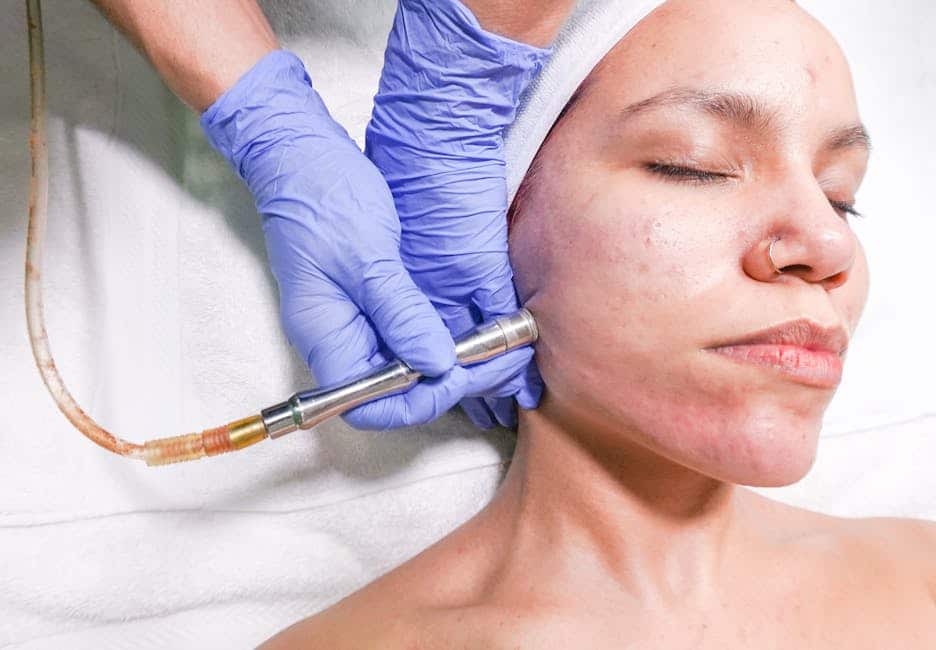


Book your first appointment online and enjoy 15% off your first service (one-time offer).
Use code NEWCLIENT15
