Are chemical peels actually effective? The short answer is yes—chemical peels can be a powerful tool for rejuvenating your skin. Here’s a quick overview to help you understand their effectiveness:
Chemical peels are cosmetic treatments that use acids to exfoliate the skin. When applied, these acids remove the outer layers of damaged skin, allowing new skin to grow. This process can effectively reduce signs of aging, such as wrinkles and fine lines.
There are various types of chemical peels, ranging from superficial to deep, each with its own set of benefits. Superficial peels might require less downtime but may need repeated sessions for visible results. Medium and deep peels, on the other hand, target more severe skin issues but come with longer recovery periods.
Dermatologists often recommend chemical peels to address common skin problems like acne, scarring, and uneven skin tone. These treatments can help improve overall skin health, making your complexion look fresher and more youthful.
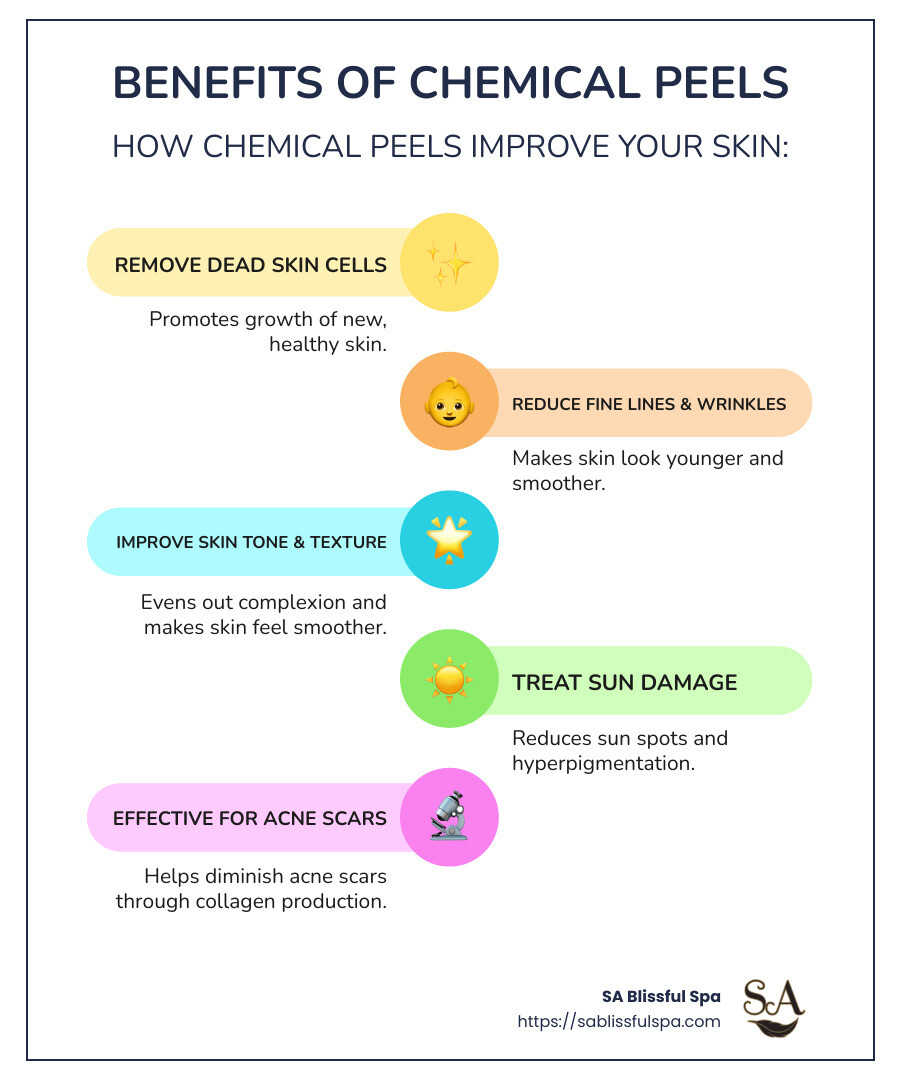
Chemical peels are cosmetic treatments that use a chemical solution to improve the appearance of your skin. This solution exfoliates the skin by causing the outer layers to peel away. As a result, new skin grows that is usually smoother, with fewer lines and wrinkles, and has a more even color.
The process involves applying a chemical solution to the skin, which causes controlled damage to its layers. This damage encourages the skin to regenerate, revealing a new layer of skin underneath.
Here’s a quick breakdown of what happens:
Chemical peels are classified based on how deeply they penetrate the skin:
Chemical peels can be effective for a variety of skin concerns:
The procedure is usually done in a doctor’s office or a specialized spa like SA Blissful Spa. Here’s what typically happens:
Recovery time varies based on the depth of the peel:

Chemical peels can be a powerful tool for rejuvenating your skin. By removing dead skin cells and promoting new skin growth, they can help improve texture, tone, and overall appearance.
Next up, we’ll dive into the effectiveness of chemical peels for specific skin concerns like acne, scarring, and wrinkles.
Chemical peels come in three main types: superficial, medium-depth, and deep peels. Each type targets different skin layers and issues, using various acids to achieve the desired effect.
Superficial peels are the gentlest type, affecting only the outermost layer of the skin, the epidermis. They are perfect for treating mild issues like fine lines, acne, and uneven skin tone.
Benefits:
Medium-depth peels penetrate both the epidermis and the upper part of the dermis, addressing moderate skin issues like deeper wrinkles, acne scars, and uneven pigmentation.
Benefits:
Deep peels go even further, reaching the lower dermis. They are used for severe skin issues such as deep wrinkles, significant scars, and precancerous growths.
Benefits:
Risks:
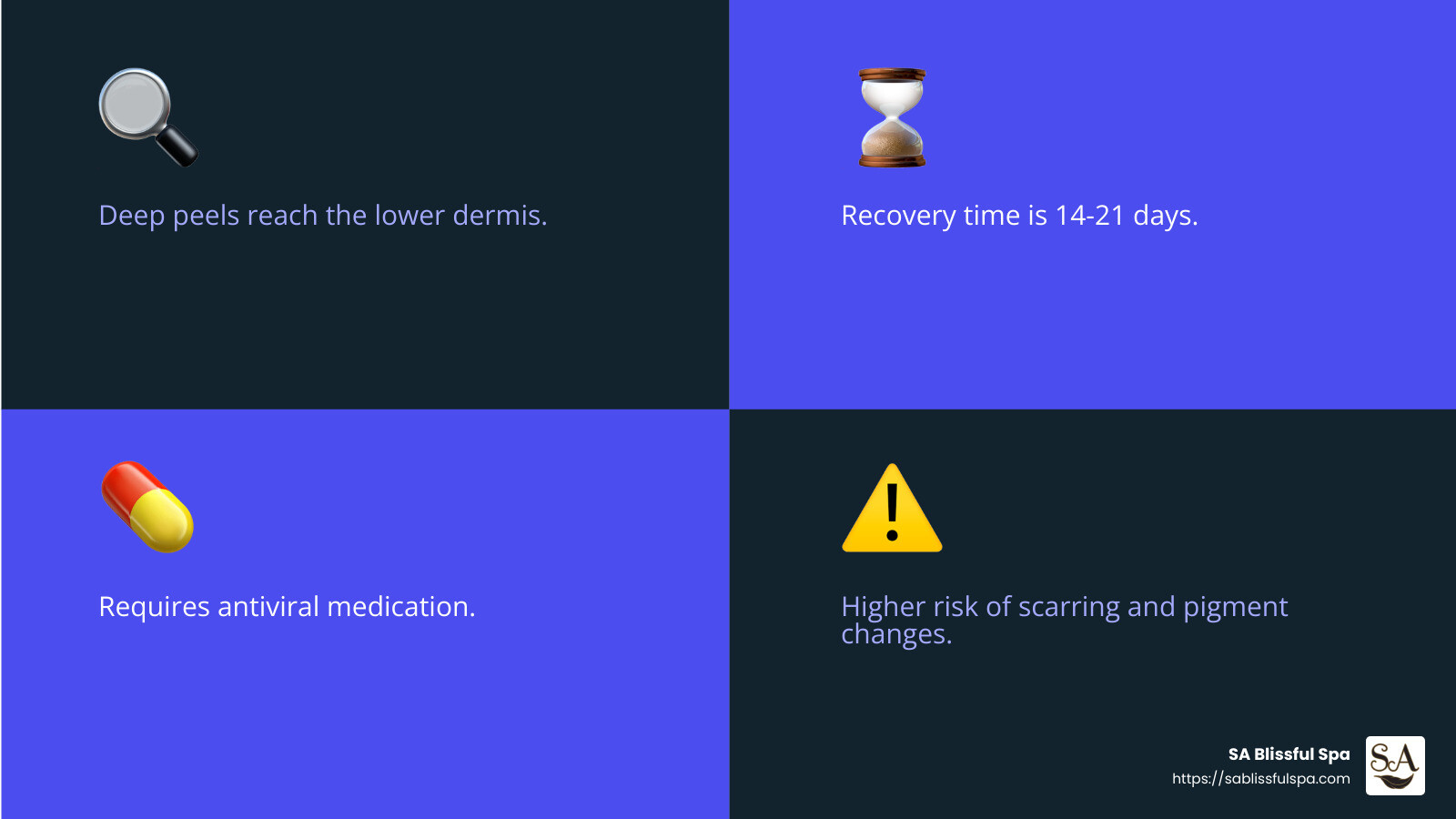
Chemical peels, when chosen and applied correctly, can be a powerful tool for skin rejuvenation. The type of peel that’s right for you depends on your specific skin concerns and how much downtime you can afford.
Next, we’ll explore the effectiveness of chemical peels for treating conditions like acne, scarring, and wrinkles.
Chemical peels are popular for their ability to tackle various skin issues. But are chemical peels actually effective? Let’s break down their effectiveness for different concerns.
Chemical peels can significantly reduce acne and acne scars. Salicylic acid (SA) and trichloroacetic acid (TCA) are particularly effective. SA is great for treating comedones (blackheads and whiteheads) and reducing inflammation. TCA, on the other hand, penetrates deeper to help with acne scars by promoting collagen production, which helps in skin repair.
Studies have shown that regular chemical peels can speed up the resolution of acne and improve the penetration of topical medications, making them more effective.
Chemical peels can also be effective against fine lines and wrinkles. Glycolic acid and lactic acid are frequently used for this purpose. These acids help to exfoliate the skin, promoting the growth of new, smoother skin. Phenol is often used in deeper peels for severe wrinkles, providing a more dramatic tightening effect.
A range of chemical peels has shown clinical benefits in treating photoaging, which includes fine lines and wrinkles. These peels help in resurfacing the skin, making it look more youthful and smooth.
Sun damage and hyperpigmentation, like sun spots and melasma, can also be treated effectively with chemical peels. Alpha-hydroxy acids (AHAs) and beta-hydroxy acids (BHAs) are commonly used for these issues. AHAs help in exfoliating the outer layer of the skin, reducing pigmentation, and promoting an even skin tone. BHAs, like salicylic acid, penetrate deeper to treat pigmentation issues more effectively.
Research indicates that repeated superficial peels can significantly improve the appearance of photodamaged skin. For more severe cases, medium to deep peels, sometimes combined with other treatments, can offer substantial improvements.
Chemical peels are a versatile and effective treatment for various skin issues. Whether you’re dealing with acne, wrinkles, or sun damage, there’s likely a peel that can help improve your skin’s health and appearance.
Chemical peels can provide impressive results, but they come with potential side effects and risks. Understanding these is crucial for anyone considering this treatment.
Common Side Effects
Aftercare Tips
Not everyone is a suitable candidate for chemical peels. Here are some factors to consider:
Skin Types
Medical Conditions
Special Conditions
Understanding these risks and managing side effects effectively can help you achieve the best results from your chemical peel while minimizing potential complications.
Chemical peels can cause a burning sensation and stinging during the procedure. This feeling usually lasts about five to ten minutes. For deeper peels, you might need pain medication to manage discomfort.
Cool compresses can help soothe the skin after the procedure. If you’re worried about pain, talk to your dermatologist about pain management options.
The longevity of results depends on the types of chemical peels:
Maintenance treatments, such as monthly light peels or periodic medium peels, can help prolong the results.
At-home chemical peel products are available but contain lower concentrations of acids compared to professional treatments. These are suitable for minor skin concerns, like mild sun damage or minor acne.
Professional treatments offer stronger acids and more dramatic results but come with higher risks. It’s crucial to never use professional-strength peels at home due to the risk of burns and other side effects.
Safety first: Always follow the instructions on commercial products carefully and consult a dermatologist to determine the best treatment for your skin type and concerns.
At SA Blissful Spa, we believe in the power of personalized care to help you achieve your best skin. Our expert estheticians are trained to tailor each treatment to your unique needs, ensuring optimal results every time.
Chemical peels are a key part of our skincare offerings. They can effectively address a variety of skin concerns, from acne and scarring to wrinkles and sun damage. By removing dead skin cells and promoting new skin growth, chemical peels can reveal a smoother, more radiant complexion.
Safety is a top priority at SA Blissful Spa. We take every precaution to ensure your peel is both effective and safe. This includes a thorough pre-treatment consultation, customized peel selection, and detailed aftercare instructions. Our goal is to minimize any risks while maximizing your results.
Rejuvenation is at the heart of what we do. Whether you’re dealing with fine lines, uneven skin tone, or just looking for a fresh glow, we have a peel that’s right for you. Our treatments not only improve your skin’s appearance but also boost its overall health.
Ready to experience the benefits of a chemical peel? Book your appointment today and let us help you achieve the healthy, glowing skin you deserve.
Learn more about our customized peel treatments.
By focusing on personalized care and expert treatments, we at SA Blissful Spa strive to improve your skin health and refresh your appearance. We look forward to welcoming you to our serene environment, where relaxation and effective skincare go hand in hand.


Book your first appointment online and enjoy 15% off your first service (one-time offer).
Use code NEWCLIENT15