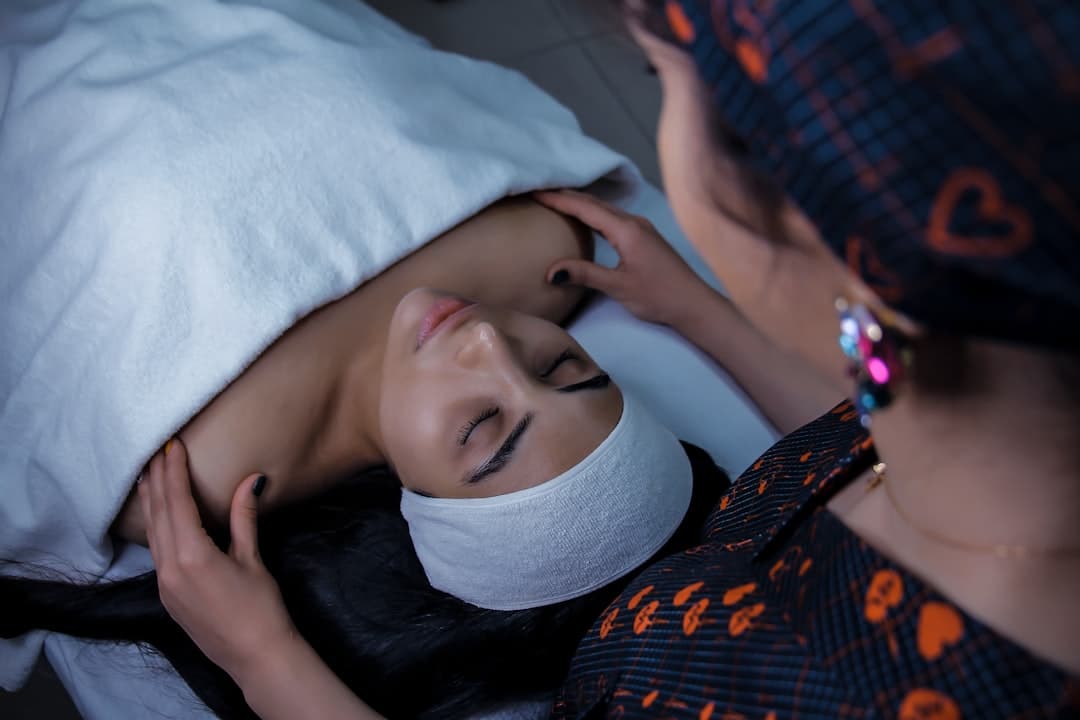
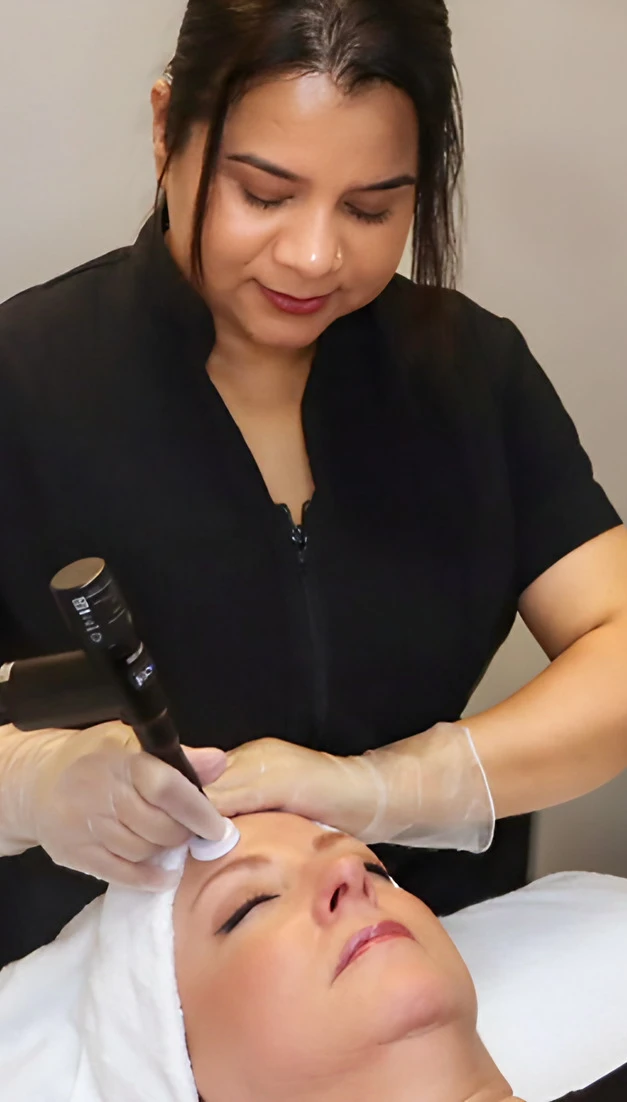
Why Chemical Peel Treatment is a Skin Rejuvenation Game-Changer
 Chemical Peel Treatment
is a professional skincare procedure that uses a chemical solution to remove damaged outer layers of skin, revealing smoother, brighter, and more youthful-looking skin underneath. Here's what you need to know:
Quick Overview:
- What it is: A controlled exfoliation process using acids (like glycolic, salicylic, or TCA) to remove dead skin cells.
- What it treats: Acne, fine lines, sun damage, hyperpigmentation, uneven skin tone, and dull complexion.
- Types: Light (surface-level), Medium (deeper penetration), and Deep (most intensive).
- Recovery: Ranges from 1-7 days for light peels to 14-21 days for deep peels.
- Results: Brighter, smoother, more even-toned skin with improved texture.
For busy professionals dealing with stress-related skin concerns, signs of aging, or a dull complexion, chemical peels offer a proven solution. They work by triggering your body's natural healing process to stimulate collagen production and reveal fresh, healthy skin.
The versatility of chemical peels is one of their most compelling aspects. They are a cost-effective way to treat various skin conditions, from acne and discoloration to fine lines and sun damage. The depth of the peel determines the intensity of the results and the length of the recovery time.
Important note: Chemical peels should only be performed by trained professionals. The FDA has issued warnings about at-home chemical peel products causing serious injuries. Professional supervision ensures safe application, proper concentration, and appropriate aftercare.
I'm
Saloni Bhandari, an experienced esthetician and founder of SA Blissful Spa in Burlington, MA, where I specialize in customized Chemical Peel Treatment designed to address each client's unique skin concerns. With years of experience in advanced skincare techniques, I'm passionate about helping busy professionals achieve the radiant, healthy skin they deserve through safe, effective treatments.
Common
Chemical Peel Treatment vocab:
Understanding the Science: How Chemical Peels Work
At its core, a
Chemical Peel Treatment is a controlled process designed to refresh your skin. It works by applying a specialized chemical solution that causes a controlled injury to the outer skin layers. This triggers your body's natural healing response, promoting skin regeneration. The result is a fresh layer of skin that is typically smoother, brighter, and less wrinkled.
To understand how peels work, it helps to know about two key skin layers:
- Epidermis: The outermost layer that acts as a protective barrier. Many common concerns like fine lines and uneven tone originate here.
- Dermis: Located beneath the epidermis, this layer contains collagen and elastin, which give skin its strength and elasticity. Deeper wrinkles and scars extend into this layer.
When a chemical solution is applied, it dissolves the bonds between dead skin cells on the surface or penetrates deeper to stimulate cellular turnover. The old, damaged skin peels away, making way for new, healthy cells. This process also stimulates the dermis to produce more collagen and elastin, leading to firmer skin over time. It's a "reboot" for your skin, encouraging it to produce a brand-new layer.
For more in-depth information about the science behind these treatments, explore our guide on
what is a chemical peel.

The Different Types of Chemical Peels
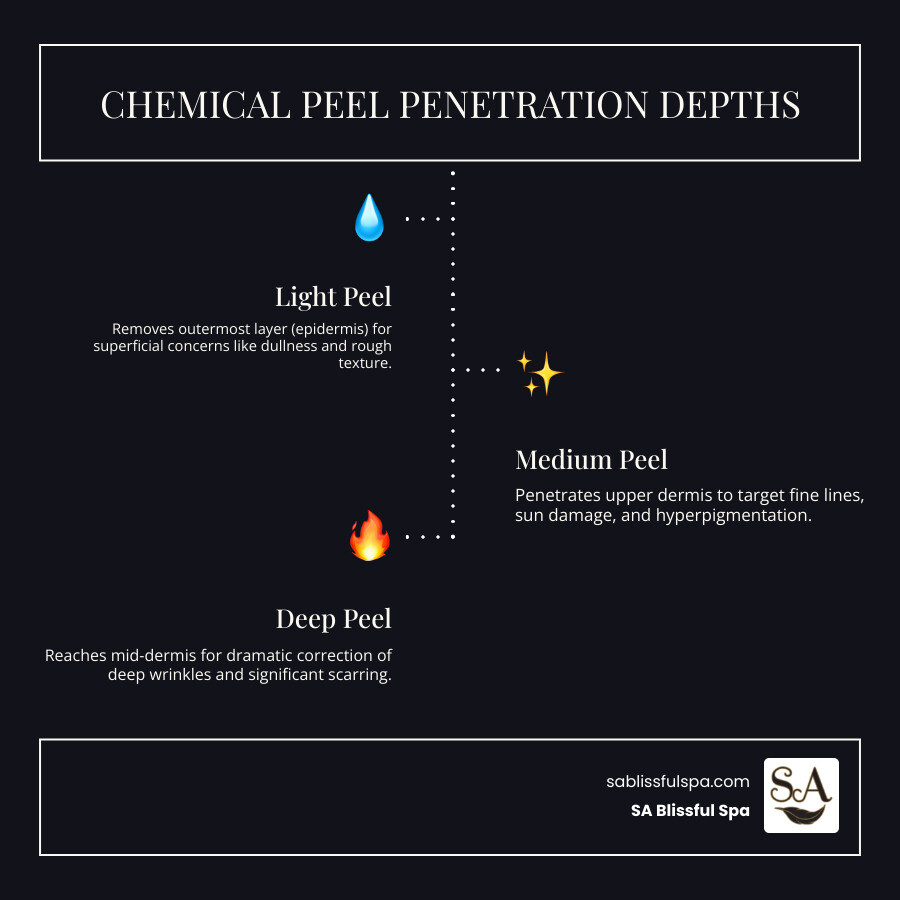
Chemical peels are not one-size-fits-all. They are categorized by their depth of penetration, which dictates the strength of the solution, the conditions they treat, and the recovery time. We work with you to determine the most beneficial type of peel for your unique skin concerns.
Here's a comparison of the three main types of chemical peels:
| Feature |
Light (Superficial) Peel |
Medium Peel |
Deep Peel |
| Penetration Depth |
Removes the outer layer of skin (epidermis). |
Removes epidermis and portions of the upper dermis. |
Penetrates into the mid-reticular dermis. |
| Common Acids |
Alpha Hydroxy Acids (AHAs) like Glycolic, Lactic; Salicylic acid. |
Trichloroacetic Acid (TCA); higher concentrations of Glycolic acid. |
Phenol (Carbolic acid); high-concentration TCA. |
| Skin Concerns Treated |
Fine wrinkles, acne, uneven skin tone, dryness, mild sun damage. |
Wrinkles, acne scars, uneven skin tone, moderate sun damage. |
Deeper wrinkles, scars, severe sun damage, pronounced pigment changes. |
| Recovery Time |
1 to 7 days (mild redness, flaking). |
7 to 14 days (redness, swelling, peeling). |
14 to 21 days for new skin, with redness lasting for months. |
| Typical Frequency |
Every 2 to 5 weeks for a series. |
Every 6 to 12 months to maintain results. |
Generally a one-time procedure. |
For a more comprehensive look at your options, please visit our page on
types of chemical peels.
Common Acids Used in Peels
The "chemical" in chemical peel refers to the acidic solutions used. Each acid has unique properties that determine its effect on the skin.
- Glycolic Acid (AHA): A popular AHA that is great for light peels. It improves skin texture, tone, fine lines, and mild hyperpigmentation, and helps clarify pores.
- Salicylic Acid (BHA): A Beta Hydroxy Acid (BHA) that is oil-soluble, making it highly effective for treating acne, blackheads, and oily skin by penetrating into pores.
- Trichloroacetic Acid (TCA): A versatile acid used for light to medium-depth peels. It is highly effective for treating wrinkles, acne scars, sun damage, and hyperpigmentation.
- Lactic Acid (AHA): A milder AHA derived from milk that also hydrates the skin. It is suitable for sensitive skin types and helps improve texture and mild discoloration.
- Phenol (Carbolic Acid): The strongest peeling agent, used for deep peels to treat severe wrinkles, deep scars, and extensive sun damage. It requires careful monitoring by a professional.
- Jessner's Solution: A combination peel containing salicylic acid, lactic acid, and resorcinol. It is effective for light to medium peels targeting acne, oily skin, and pigmentation issues.
Understanding these agents allows us to customize your
Chemical Peel Treatment to precisely target your concerns, ensuring the best possible outcome.
The Benefits and Conditions Treated by a Chemical Peel Treatment
A
Chemical Peel Treatment offers a remarkable way to revitalize your skin, addressing a multitude of concerns that can leave your complexion looking dull, uneven, or aged. We've seen how these treatments can transform skin, revealing a healthier, more radiant appearance.

The efficacy of chemical peels is well-documented. You can learn more about the scientific evidence supporting these applications by exploring resources like this
evidence on chemical peel applications.
For further details on how these treatments can benefit you, we invite you to read our guide on the
benefits of chemical peel.
What Skin Conditions Can a Peel Improve?
Chemical peels are incredibly versatile and can effectively treat a wide range of skin conditions. Here's how a
Chemical Peel Treatment can help:
- Acne and Acne Scars: Light to medium peels can reduce active acne by unclogging pores and regulating oil. They are also effective in improving the appearance of mild acne scars. For more information, explore chemical peels for acne and chemical peeling for acne scars.
- Fine Lines and Wrinkles: Peels stimulate collagen production, which helps to plump the skin and smooth out fine lines and wrinkles caused by sun damage and aging.
- Sun Damage (Photodamage): Peels can reduce signs of sun damage, including sun spots and rough skin texture, by removing the damaged outer layers.
- Hyperpigmentation and Melasma: These conditions, characterized by dark patches, can be significantly improved as peels help shed pigmented cells for a more even skin tone. Learn more about hyperpigmented scar treatment.
- Uneven Skin Tone and Texture: By removing dead and dull skin cells, peels instantly reveal a smoother, softer, and more uniform complexion.
- Precancerous Growths: Medium peels can sometimes treat precancerous scaly spots called actinic keratosis.
Key Benefits for Your Skin
Beyond addressing specific conditions, a
Chemical Peel Treatment offers a host of overarching benefits:
- Brighter, Smoother Skin: By shedding dull, dead cells, peels unveil a fresh layer of skin that is soft and reflects light better for a healthy glow.
- More Even Skin Tone: Peels effectively reduce discoloration, sun spots, and hyperpigmentation, leading to a balanced complexion.
- Reduced Fine Lines and Acne: The stimulation of collagen helps diminish fine lines, while the exfoliating action unclogs pores to reduce breakouts.
- Improved Skincare Efficacy: With the outer layer of dead skin removed, your skincare products can penetrate more deeply and work more effectively.
Your Chemical Peel Journey: Before, During, and After
Starting on a
Chemical Peel Treatment journey with us means you're in expert hands. We believe in a personalized approach, ensuring you feel informed and confident. The key to successful results lies in proper preparation, precise application, and diligent aftercare.
For a comprehensive understanding of how we prioritize your well-being, explore our guide on
chemical peel safety ultimate guide.
How to Prepare for Your Peel
Preparation is crucial for optimizing results and minimizing side effects. During your initial consultation, we will review your aesthetic goals, skin type, and medical history to determine the right peel for you. General preparation guidelines include:
- Avoid Sun Exposure: For at least two weeks before your peel, avoid direct sun and tanning. Daily sunscreen is a must.
- Adjust Your Skincare: We will advise you to stop using retinoids, exfoliants, or other strong products one to two weeks prior to your appointment to prevent sensitivity.
- Discuss Medications: Inform us of all medications you are taking. You may be prescribed an antiviral medication to prevent cold sores if you have a history of them.
- Avoid Hair Removal: Do not wax, shave, or use depilatory creams on the treatment area for at least 24 hours before your peel.
What to Expect During a Chemical Peel Treatment Procedure
When you come in for your
Chemical Peel Treatment, you can expect a professional and comfortable experience.
Here’s a general overview of the procedure:
- Skin Cleansing: We'll start by thoroughly cleansing your skin to remove any makeup, oil, or impurities.
- Protection: Your eyes and hair will be protected. A barrier cream may be applied to sensitive areas.
- Application: The chemical solution is carefully brushed onto your skin. You might feel a mild stinging or tingling sensation, which is normal.
- Monitoring and Neutralization: We monitor your skin's reaction throughout. Depending on the peel, the solution may be self-neutralizing or we will apply a neutralizing agent to stop the chemical reaction.
- Duration: The entire process typically takes 30 to 90 minutes, depending on the type of peel.
Aftercare and the Recovery Process
The period following your
Chemical Peel Treatment is critical for healing and achieving the best results. We will provide detailed, personalized aftercare instructions.
- Common Reactions: Redness, tightness, and swelling are normal. The intensity varies with the peel depth.
- Peeling and Flaking: Your skin will shed its damaged layers. It is crucial not to pick, rub, or scratch your skin, as this can cause scarring.
- Sun Protection is Critical: Your new skin is extremely sensitive to the sun. Daily, broad-spectrum sunscreen with a high SPF is non-negotiable. Avoid direct sun exposure for several weeks.
- Moisturizing: Keeping your skin hydrated is key. We'll recommend gentle moisturizers to aid the healing process.
- Healing Timelines:
- Light Chemical Peel: Healing takes about 1 to 7 days, with mild redness and scaling.
- Medium Chemical Peel: Healing takes 7 to 14 days, with more significant redness, swelling, and peeling.
- Deep Chemical Peel: New skin develops in about 14 to 21 days, but redness can last for several months.
For more detailed guidance on what to do after your treatment, check out our article:
can i do facial after chemical peel.
Is a Chemical Peel Right for You? Candidacy, Risks, and Results
Understanding whether a
Chemical Peel Treatment is the right choice involves evaluating your skin type, concerns, and overall health. We aim to ensure every client achieves safe and satisfying results.
Who is a Good Candidate for a Chemical Peel?
Good candidates are generally individuals looking to improve their skin's texture and tone. This includes those with:
- Fair to medium skin tones (Fitzpatrick Skin Types I-III), though some peels are safe for darker skin with proper preparation.
- Sun damage, including sun spots and fine lines.
- Acne-prone skin, including active acne or mild scarring.
- Pigmentation issues like hyperpigmentation or melasma.
- Realistic expectations about the treatment outcomes.
Who Should Avoid Chemical Peels?
Chemical peels are not recommended for everyone. You should avoid this treatment if you:
- Are pregnant or breastfeeding.
- Have active skin infections, cold sores, or open wounds in the treatment area.
- Have a history of keloid scarring.
- Have used isotretinoin (Accutane) in the last six months.
- Have certain sensitive skin conditions like eczema or psoriasis.
It's also vital to heed the
FDA warning on at-home peels: "Some chemical peels sold for at-home use are causing serious injuries...the FDA advises you to buy and use a chemical peel only under the supervision of a licensed, trained provider." We strongly echo this warning for your safety.
Potential Risks and Side Effects
While we prioritize safety, it’s important to be aware of potential side effects associated with a
Chemical Peel Treatment:
- Temporary Redness, Swelling, and Stinging: These are common and expected reactions.
- Scarring: Rare, but can occur if post-care instructions are not followed (e.g., picking at peeling skin).
- Changes in Skin Color: A risk of hyperpigmentation (darkening) or hypopigmentation (lightening) exists, particularly with improper sun protection after the peel.
- Infection: Bacterial, viral, or fungal infections are rare but possible.
- Cold Sore Reactivation: The peel can trigger a herpes outbreak in those with a history of cold sores.
- Systemic Risks (Deep Peels): Very deep phenol peels carry a rare but serious risk of affecting internal organs, which is why they require extreme caution and monitoring.
Understanding the Results of a Chemical Peel Treatment
The results depend on the peel type, your skin concerns, and your adherence to aftercare.
- Longevity of Results: Results are long-lasting but not permanent, as skin continues to age. A good skincare routine and sun protection are crucial for maintenance.
- Light Peels: Provide subtle improvements. A series of 3 to 5 treatments is often needed to achieve desired results like improved texture and tone.
- Medium Peels: Offer more noticeable results for uneven pigment and fine wrinkles. The procedure may be repeated every 6 to 12 months to maintain results.
- Deep Peels: Produce the most dramatic, long-lasting results for severe wrinkles and sun damage. This is typically a one-time procedure.
Frequently Asked Questions about Chemical Peels
We understand you might have more questions about
Chemical Peel Treatment. Here are answers to some of the most common inquiries we receive:
Can chemical peels be combined with other cosmetic procedures?
Yes, chemical peels can often be part of a broader rejuvenation plan, but careful planning with a professional is essential. Light peels can be added to facials for improved exfoliation. Other treatments like microneedling or injectables (Botox, fillers) should be spaced appropriately to allow for complete healing between procedures. During your consultation, we can create a customized treatment plan that safely combines different modalities to achieve your goals. If you're weighing your options, our guide on
microneedling vs chemical peel for acne scars might be helpful.
Is a chemical peel covered by insurance?
Generally, no. A
Chemical Peel Treatment is considered a cosmetic procedure when performed to improve the skin's appearance (e.g., reducing wrinkles or sun spots) and is not deemed medically necessary. Therefore, insurance typically does not cover the cost. In rare cases where a peel is used to treat a precancerous condition like actinic keratosis, some coverage may be possible with specific medical documentation, but this is not common.
How much does a chemical peel cost?
The cost of a
Chemical Peel Treatment varies based on the type of peel, the treatment area, the provider's expertise, and your geographic location.
- Cost Factors:
- Peel Depth: Light peels are the least expensive, while deep peels cost the most.
- Geographic Location: Prices vary by market rates in areas like Burlington, MA, and our surrounding towns (Arlington, Bedford, Belmont, Billerica, Carlisle, Concord, Lexington, Lincoln, Melrose, North Reading, Reading, Stoneham, Wakefield, Watertown, Wilmington, Winchester, Woburn).
- Provider Expertise: Highly experienced professionals may charge more.
- Number of Sessions: The total cost will depend on whether you need a single treatment or a series.
- Average Cost Range: Based on average market data, you can expect a wide range for chemical peels:
- Light Peels: Typically range from $100 to $500 per session.
- Medium Peels: Can range from $300 to $1,500 per session.
- Deep Peels: May range from $1,500 to over $6,000 for a single treatment.
Price Disclaimer: The prices listed above are average market costs based on internet data and are not actual costs for SA Blissful Spa. We encourage you to schedule a consultation with us to receive a personalized quote based on your specific needs and the recommended treatment plan.
For more detailed information regarding pricing, please refer to our
chemical peel cost guide 2025.
Conclusion
A
Chemical Peel Treatment is a powerful and versatile tool in professional skincare, offering profound rejuvenation and addressing a wide array of concerns from acne and sun damage to fine lines and uneven tone. By using the power of controlled exfoliation, these treatments stimulate your skin's natural healing processes, revealing a fresher, brighter, and smoother complexion.
At SA Blissful Spa, we are dedicated to providing expert, custom treatments that improve your skin health and beauty. We believe in the transformative potential of
Chemical Peel Treatment when performed safely and effectively by trained professionals. Our personalized approach ensures that your unique skin concerns are met with the most appropriate peel type and a comprehensive aftercare plan, guiding you toward radiant and healthy skin.
Ready to uncover your most luminous skin?
Book your professional chemical peel consultation today at SA Blissful Spa in Burlington, MA, and let us help you achieve the complexion you've always dreamed of.