Why Chemical Peel Spa Treatments Are a Top Choice for Skin Rejuvenation
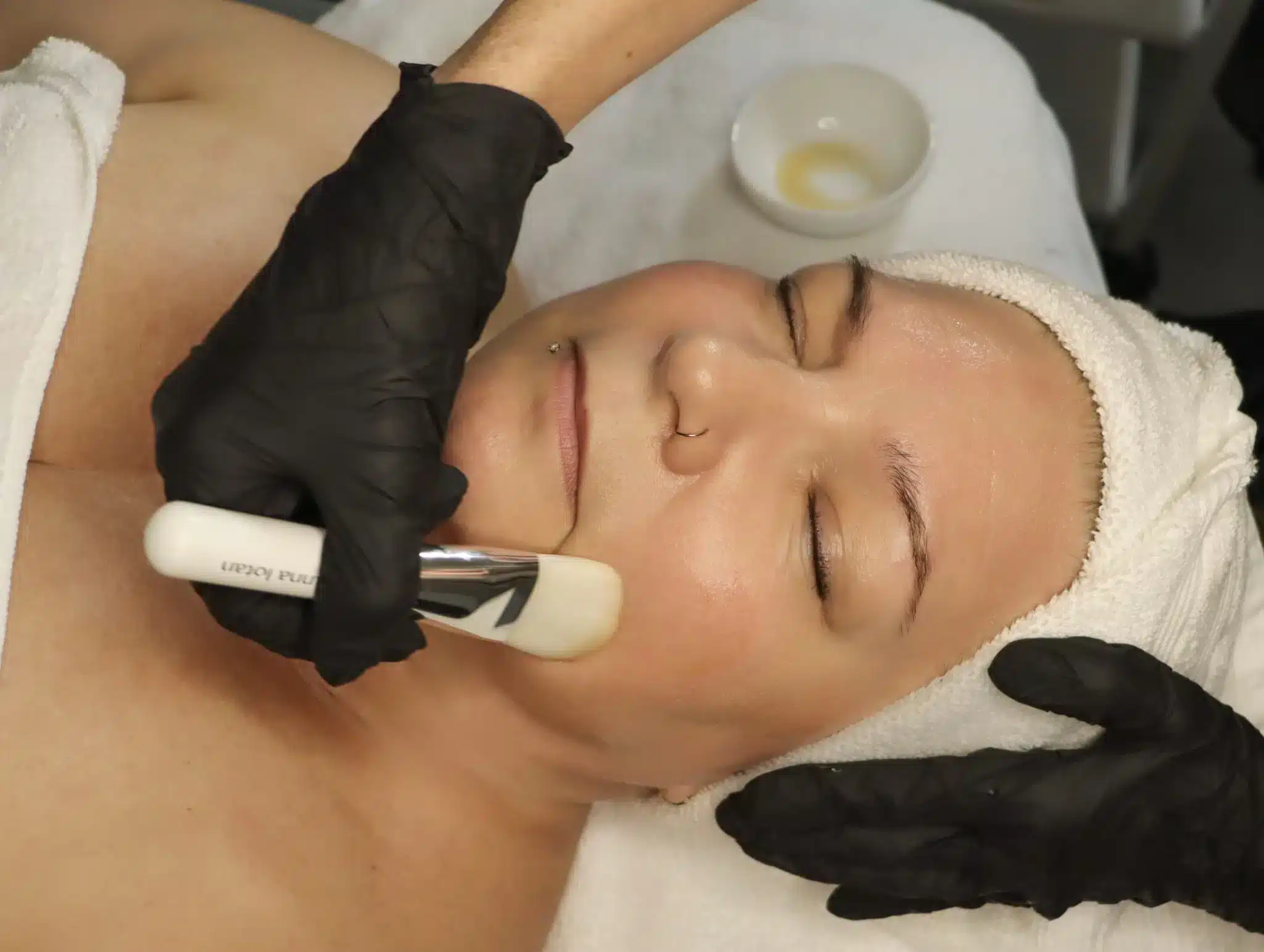
Chemical Peel Spa treatments are professional skin resurfacing procedures that use acid solutions to remove damaged outer layers of skin, revealing smoother, brighter skin underneath. They effectively treat fine lines, sun damage, acne scars, hyperpigmentation, and uneven texture through controlled exfoliation that stimulates collagen production and accelerates cell turnover.
Quick Overview: What to Expect from Chemical Peel Spa Treatments
- Types: Light (superficial), medium, and deep peels using different acid strengths
- Benefits: Improves texture, evens skin tone, reduces fine lines, treats acne and scarring
- Downtime: 1-7 days for light peels, 7-14 days for medium, 14-21 days for deep
- Treatment Series: 3-6 sessions spaced 4-6 weeks apart for optimal results
- Average Cost: $500 (Range: $200-$6,000) per session (based on internet data, not SA Blissful Spa pricing)
- Best For: Sun damage, aging signs, acne scars, melasma, uneven pigmentation
If you've been considering a chemical peel to reduce fine lines, fade sun damage, or achieve that radiant glow, you're not alone. Chemical peels have become one of the most reliable and least invasive ways to quickly improve your skin's appearance. Unlike at-home exfoliants, professional spa peels use medical-grade formulations applied by trained estheticians who customize the treatment to your unique skin type and concerns.
The beauty of chemical peels lies in their versatility. Whether you're dealing with stubborn acne, early signs of aging, or dull texture from city pollution and stress, there's a peel strength and formula designed for your needs. Modern peels are also much gentler than you might imagine—many clients return to normal activities the next day with minimal visible peeling.
As Saloni Bhandari, founder of SA Blissful Spa in Burlington, MA, I've helped countless clients achieve healthier, more radiant skin through customized Chemical Peel Spa treatments tailored to their individual concerns. With years of experience as a licensed esthetician specializing in advanced skincare techniques, I understand how to safely and effectively deliver results that boost both your complexion and your confidence.

Terms related to Chemical Peel Spa:
Understanding Chemical Peels and How They Work
At its core, a chemical peel is a form of accelerated exfoliation. While your skin naturally sheds dead cells every 28 to 45 days, this process slows down as we age, leading to a dull, tired complexion. A Chemical Peel Spa treatment uses specific acid solutions to dissolve the "glue" holding dead skin cells together, allowing them to lift away.
What is a Chemical Peel? It is more than just a way to remove dead skin. By removing the damaged outer layers, we trigger the body's natural healing response. This leads to increased cell renewal and collagen stimulation. Collagen is the protein responsible for keeping our skin firm and bouncy; by boosting its production, peels help soften the appearance of wrinkles and improve overall skin structural integrity.
The Science of Chemexfoliation
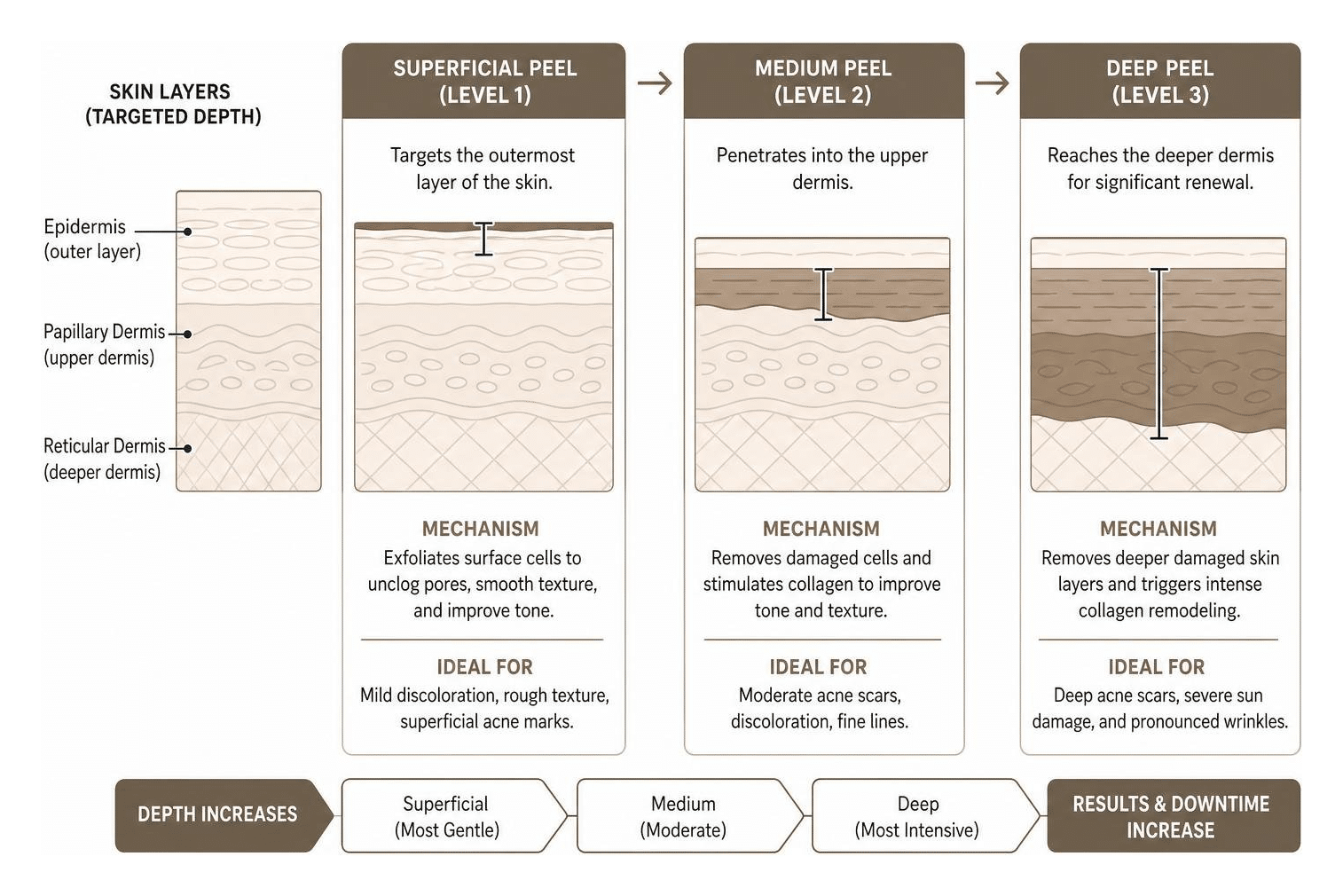
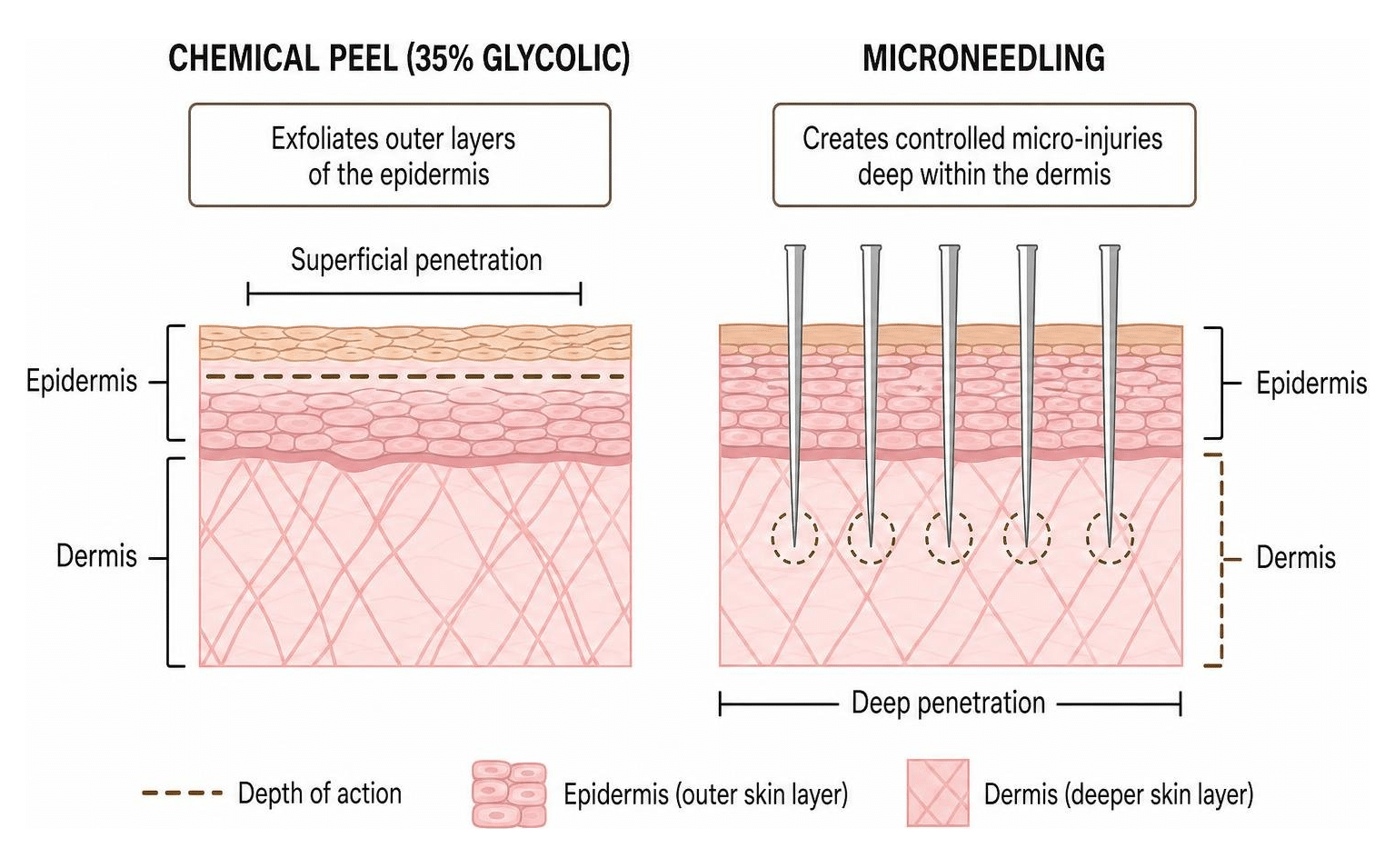
Chemexfoliation works by applying acid solutions—such as Alpha-Hydroxy Acids (AHAs), Beta-Hydroxy Acids (BHAs), or Trichloroacetic Acid (TCA)—to the skin. These solutions penetrate to different depths depending on their concentration and pH level.
- The Epidermis: Superficial peels target this outermost layer, addressing surface issues like dryness and minor pigment spots.
- The Dermis: Medium and deep peels reach into the dermis, where they can treat deeper wrinkles, significant sun damage, and even precancerous growths.
The Benefits of Chemical Peel treatments are cumulative. Each session helps to further refine the skin's surface, making it easier for your daily serums and moisturizers to penetrate and do their jobs effectively.
Realistic Results and Expectations
It is important to have a realistic outlook on what a Chemical Peel Spa treatment can achieve. While a single "glow peel" can provide an instant texture reset and tone correction before a big event, addressing deeper issues like acne scarring or melasma typically requires a series of treatments.
Are Chemical Peels Actually Effective? Absolutely. However, they are not a "one and done" miracle for chronic conditions. You can expect your skin to feel smoother and look more vibrant almost immediately after the initial healing phase, but the most dramatic changes in pigmentation and fine lines appear after three to six sessions.
Choosing the Right Chemical Peel Spa Treatment for Your Skin
Selecting the right peel is a collaborative process between you and your esthetician. We look at your skin type, your history with "actives" (like Retinol), and your lifestyle. For example, if you have a big vacation coming up, we wouldn't recommend a deep peel that requires weeks of sun avoidance.
Book Now Using Chemical Peeling To Improve Your Skin Condition to start your journey toward a clearer complexion. Whether you are looking for a Chemical Peel Facial that focuses on relaxation and light resurfacing or a more intensive medical-grade treatment, we tailor every step to your comfort level.
Light, Medium, and Deep Peel Strengths
The intensity of your treatment is categorized by how deep the acids penetrate the skin.
- Light/Superficial Peels: Usually involve AHAs (like Glycolic or Lactic acid) or BHAs (Salicylic acid). These are "lunchtime" peels with virtually no downtime. They are perfect for brightening and mild acne.
- Medium Peels: Often use Trichloroacetic acid (TCA). These reach the middle layers of the skin. You can expect 3-7 days of visible flaking or peeling. These are excellent for treating age spots and moderate wrinkles.
- Deep Peels: Use Phenol or high-concentration TCA. These are intensive procedures that require significant recovery time (up to 21 days) and are usually only performed once in a lifetime.
For a deeper dive into the differences, check our guide on the Types of Chemical Peels.
Targeting Acne, Aging, and Hyperpigmentation
One of the most common reasons clients visit our Chemical Peel Spa is to manage breakouts and their aftermath.
- Acne: Salicylic acid is oil-soluble, meaning it can get deep into the pores to dissolve the "plugs" that cause breakouts. Chemical Peel for Acne treatments help reduce active inflammation and prevent future clogs.
- Acne Scars: For those dealing with the textured reminders of past breakouts, medium-depth peels can help smooth out the skin's surface. Chemical Peel for Back Acne Scars is also a popular option for those struggling with "bacne" scarring.
- Aging and Pigmentation: Peels like the Mandelic or Pyruvic acid variants are fantastic for treating sun damage, melasma, and fine lines by evening out the melanin distribution in the skin.
Peels for the Face, Hands, and Body
While we often focus on the face, chemical peels are highly effective for other areas of the body.
- Hands: Often the first place to show age through "liver spots" or photoaging. A hand peel can significantly brighten the skin and reduce the appearance of sun damage.
- Body: Peels can treat up to 25% of the body in a single session. This is particularly helpful for conditions like Keratosis Pilaris (those little bumps often found on the back of the arms) or back acne.
Curious about the investment? See our Back Chemical Peel Cost Guide 2025 for more details on body-specific treatments.
The Treatment Experience: Preparation and Recovery

Walking into a Chemical Peel Spa for the first time can be a bit nerve-wracking, but the process is highly controlled and focused on clinical safety. We prioritize your skin's health above all else. For more on our safety standards, read our Chemical Peel Safety Ultimate Guide.
Pre-Treatment and Aftercare Protocols
Preparation is key to avoiding adverse reactions. We typically ask our clients to:
- Pause Retinoids: Stop using Retin-A, Retinol, or other strong actives 5-7 days before your appointment.
- Avoid Sun: No tanning or sunburns for at least two weeks prior.
- Hydrate: Well-hydrated skin heals faster and more evenly.
After your Chemical Peel Treatment, your main job is to protect your "new" skin. This means wearing SPF 30+ religiously (even on cloudy days!) and avoiding picking at any flaking skin. Picking can lead to scarring or hyperpigmentation, which defeats the purpose of the peel!
Recovery Timelines and Side Effects
Recovery varies wildly based on the peel's strength. While "social downtime" (when you might not want to be in photos) is common for medium peels, light peels often leave you with nothing more than a slight glow or minor dryness.
| Peel Depth | Healing Time | Common Side Effects |
|---|---|---|
| Superficial | 1 - 7 Days | Mild redness, slight dryness, "glow" |
| Medium | 7 - 14 Days | Redness, swelling, visible peeling/flaking |
| Deep | 14 - 21 Days | Significant peeling, crusting, redness for months |
Maximizing Your Results and Investment
To get the most out of your Chemical Peel Spa experience, consistency is your best friend. Think of it like going to the gym; one session is great, but a routine is where the real transformation happens.
For a breakdown of what to budget, consult our Chemical Peel Cost Guide 2025.
Professional Chemical Peel Spa vs. At-Home Kits
It can be tempting to buy a "professional strength" peel online, but we strongly advise against it. Professional peels are formulated with specific pH levels that require expert neutralizers.
At a Chemical Peel Spa, we use medical-grade solutions that are more potent but safer because they are applied under supervision. We monitor your skin's "frosting" (a white reaction that indicates depth) and can stop the process instantly if your skin becomes too reactive. Our Facial Peels Ultimate Guide further explains why professional application is the gold standard for safety.
Frequency and Combining Treatments
For most concerns, we recommend an initial series of 3 to 6 treatments spaced at 4-6 week intervals. This timeline aligns with your skin's natural renewal cycle.
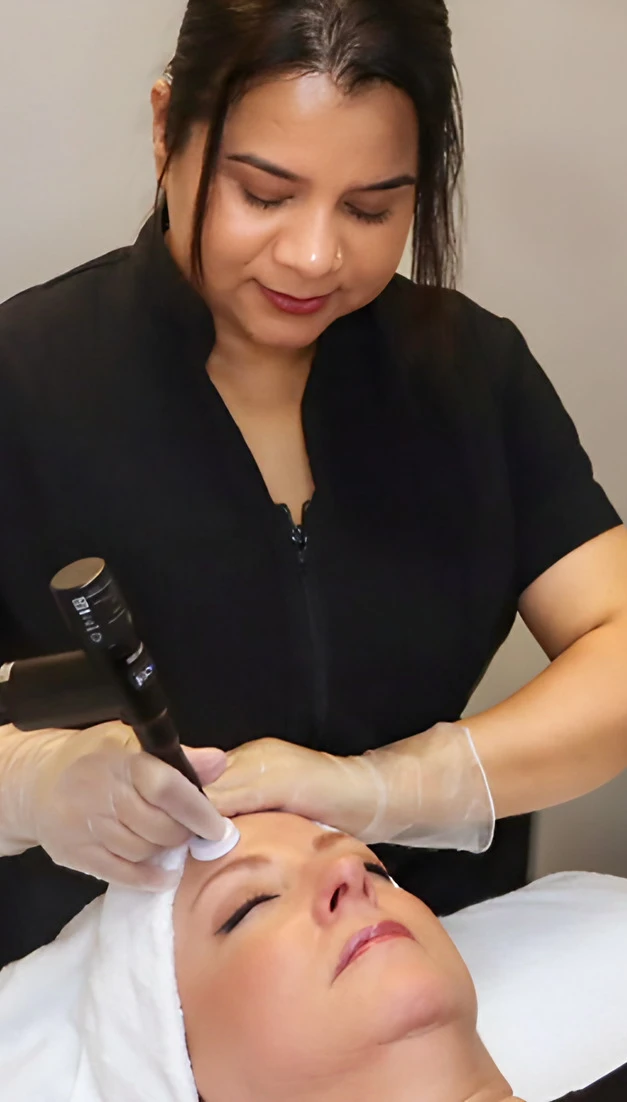
We can also combine peels with other modalities for enhanced results. For instance, a professional facial can be used to prep the skin, or we can follow a peel series with other specialized rejuvenation treatments to target deep acne scars. If you're wondering How Many Chemical Peels Do I Need for Acne Scars?, the answer usually starts with a series of four to six sessions.
Frequently Asked Questions about Chemical Peels
What to Look for in a Chemical Peel Spa?
When choosing a provider, look for licensed estheticians who prioritize a personalized consultation. A reputable spa will always:
- Perform a thorough skin analysis.
- Ask about your medical history and current medications (like Accutane).
- Provide clear pre- and post-care instructions.
- Offer patch testing if you have highly sensitive skin.
How Much Do Chemical Peels Cost?
Pricing for chemical peels can vary significantly depending on the depth of the peel and the geographic location. Based on internet data, the average cost of a chemical peel is approximately $500 per session. However, the range is quite broad:
- Entry-level/Superficial Peels: Can start as low as $200.
- Advanced/Deep Peels: Can reach upwards of $6,000.
Note: These are average costs based on internet data and not actual costs for SA Blissful Spa. Our pricing is designed to be accessible while maintaining the highest medical-grade standards.
Who Should Avoid Chemical Peels?
While peels are safe for most, there are certain contraindications. You should avoid or postpone a peel if you have:
- Active Breakouts: Specifically active cystic acne or open sores.
- Pregnancy/Nursing: Some acids (like Salicylic) are not recommended during this time.
- Rosacea or Eczema: Unless using a very specific, gentle formula like a Mandelic peel.
- Keloid Scarring: If you are prone to raised scars, deep peels may not be for you.
Conclusion
A Chemical Peel Spa treatment is one of the most effective ways to hit the "reset" button on your complexion. From clearing up stubborn acne to smoothing out the fine lines of time, these treatments offer a path to skin that looks as vibrant as you feel.
At SA Blissful Spa, we take pride in serving our neighbors across Massachusetts—from our home base in Burlington to the surrounding communities in Lexington, Winchester, Woburn, and beyond. We are dedicated to providing personalized skincare that respects your skin's barrier while delivering real, visible results.
Ready to uncover your most radiant skin? Explore our full range of Chemical Peels and schedule your consultation today. We can't wait to help you glow!