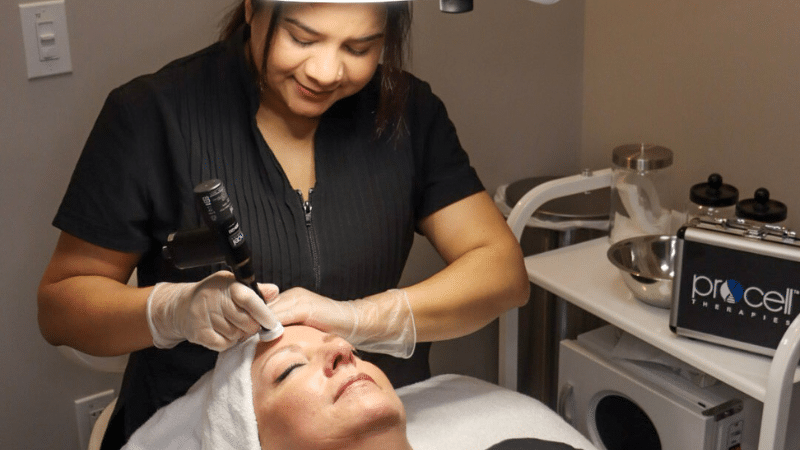
Why Peels for Acne Are One of the Most Effective Skin Treatments
Peels for acne are chemical solutions applied to the skin that remove dead skin cells, unclog pores, reduce oil, and help clear both active breakouts and acne scars.
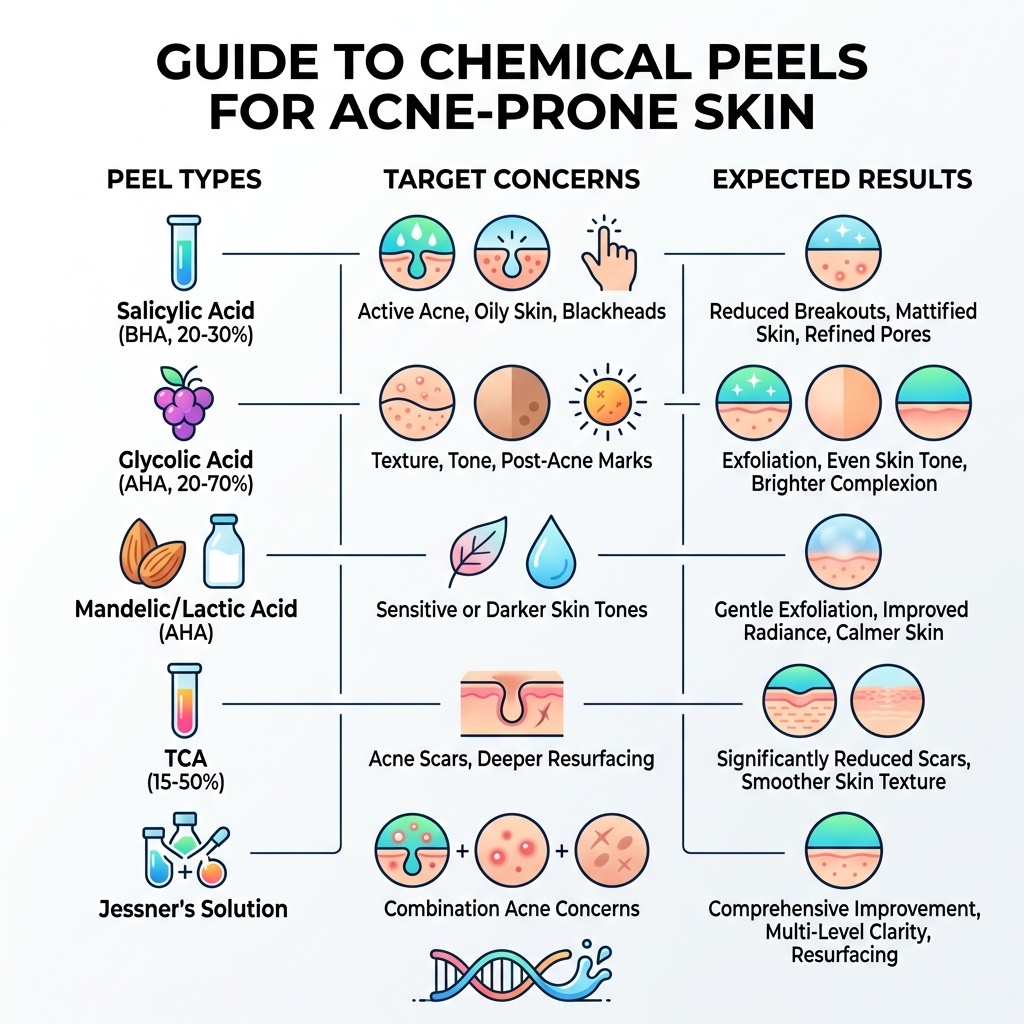
Here's a quick overview of the best peels for acne:
| Peel Type | Best For | Depth |
|---|---|---|
| Salicylic Acid (20-30%) | Active acne, oily skin, blackheads | Superficial |
| Glycolic Acid (20-70%) | Texture, tone, post-acne marks | Superficial to medium |
| Mandelic/Lactic Acid | Sensitive or darker skin tones | Superficial |
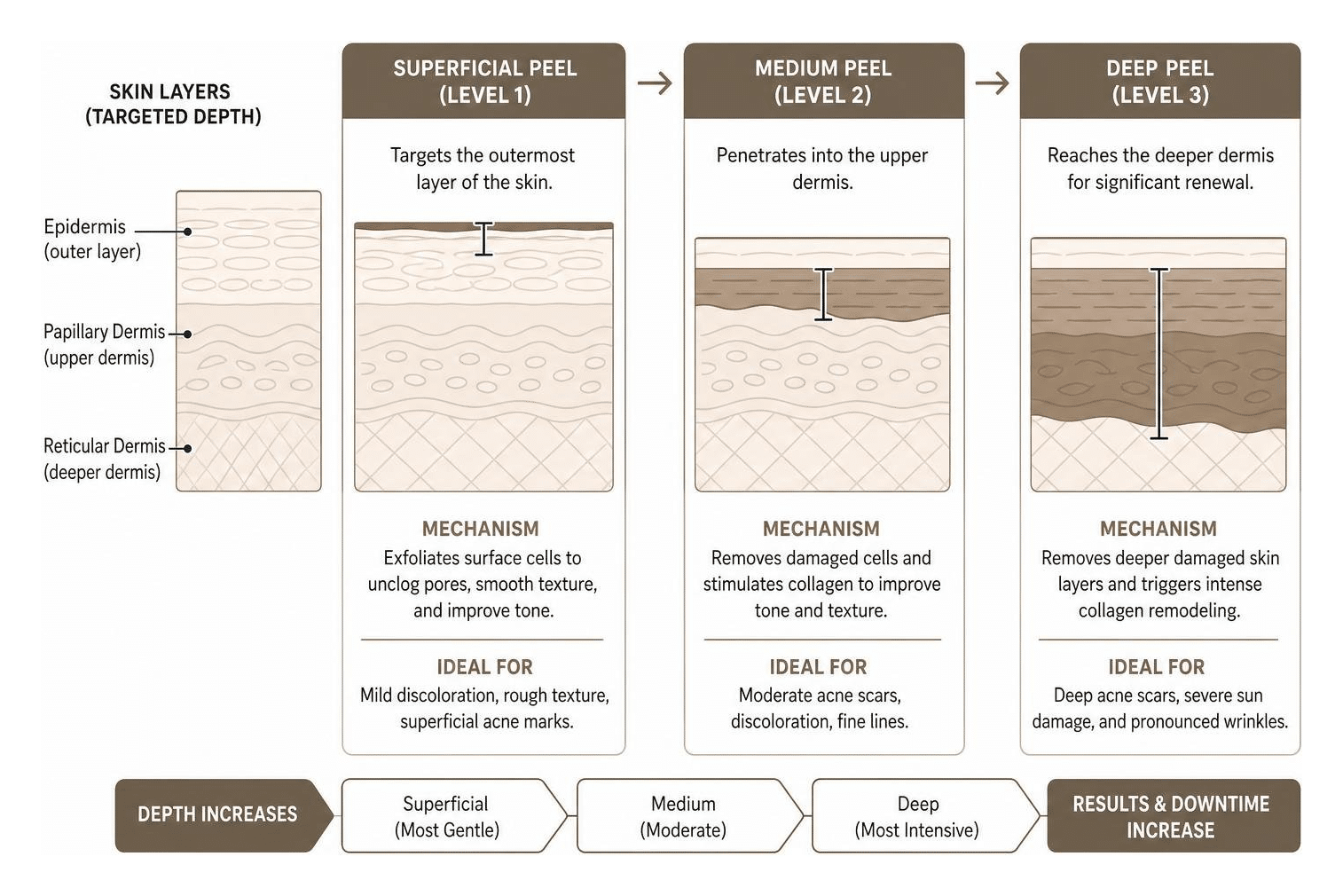
| TCA (15-50%) | Acne scars, deeper resurfacing | Medium |
| Jessner's Solution | Combination acne concerns | Superficial to medium |
Acne is the most common skin disorder among teenagers and young adults, affecting an estimated 80% of people at some point in their lives. Yet for many, standard cleansers and over-the-counter spot treatments just don't cut it.
That's where chemical peels come in.
By accelerating the skin's natural cell turnover and targeting the root causes of breakouts — excess oil, clogged pores, bacteria, and inflammation — peels offer a deeper level of correction than most daily skincare products can achieve.
Whether you're dealing with persistent active breakouts, stubborn post-acne dark spots, or the uneven texture left behind by old blemishes, there's a peel designed to help.
I'm Saloni Bhandari, an esthetician and founder of SA Blissful Spa, and I've helped many clients navigate their options with peels for acne as part of a personalized treatment plan. In this guide, I'll walk you through everything you need to know — from choosing the right acid to what to expect during and after your treatment.
How Chemical Peels for Acne Work
To understand how Peels for acne work, we first have to look at why acne happens in the first place. Acne is a common skin condition that occurs when your hair follicles become plugged with oil and dead skin cells. While a normal pore sheds about one layer of dead skin cells per day, acne-prone skin can shed up to five layers daily. This rapid buildup, combined with excess sebum (oil), creates a "plug" or microcomedone.

Chemical peels step in as a powerful reset button. When we apply a peel solution, it creates a controlled "injury" to the skin’s surface. This sounds scary, but it’s actually a very precise way to trigger the body’s natural healing response. Here is the magic behind the acne chemical peel process:
- Deep Exfoliation: The acid dissolves the "glue" that holds dead skin cells together. By removing this top layer, we prevent future clogs and instantly smooth the skin's texture.
- Sebum Control: Certain acids, like Salicylic, are oil-soluble. They dive deep into the pores to break up hardened oil and reduce the overall production of sebum.
- Bacterial Reduction: Peels create an environment that is less hospitable to P. acnes, the bacteria responsible for inflammatory breakouts.
- Inflammation Reduction: By clearing out the debris and bacteria, the skin's inflammatory response calms down, leading to less redness and swelling.
Essentially, we are forcing the skin to speed up its cell turnover. Instead of waiting weeks for a blemish to cycle through, a peel encourages the skin to shed the damaged layers and reveal the fresher, clearer skin underneath.
Choosing the Best Peels for Acne and Scars
Not all Peels for acne are created equal. Depending on whether you are fighting active "angry" pimples or trying to fade the "ghosts" of acne past (scars and dark spots), we choose different active ingredients.
| Acid | Primary Benefit | Best For |
|---|---|---|
| Salicylic Acid | Oil-soluble, anti-inflammatory | Active acne, blackheads, whiteheads |
| Glycolic Acid | Smallest molecule, deep penetration | Texture, tone, glycolic chemical peel for acne |
| TCA | Protein coagulation, collagen boost | Atrophic scars, deep texture issues |
| Mandelic Acid | Large molecule, gentle | Sensitive skin, hyperpigmentation |
Salicylic Acid (The Gold Standard for Active Acne)
If you have active breakouts, we almost always look toward Salicylic acid. Because it is a Beta Hydroxy Acid (BHA), it can penetrate through the oil that blocks pores. Clinical studies show that a 30% Salicylic acid peel is incredibly effective at reducing comedones and inflammatory lesions. It also has a unique "self-neutralizing" property, making it a very safe choice for many skin types.
Glycolic Acid (The Brightener)
Glycolic acid is an Alpha Hydroxy Acid (AHA). It’s fantastic for those who have moved past the active breakout stage but are left with uneven skin tone. It helps "unglue" the surface cells to reveal a brighter complexion. Research in a clinical study on chemical peels for acne highlights how Glycolic acid can significantly improve the appearance of post-inflammatory hyperpigmentation (PIH), especially in darker skin tones when used at appropriate concentrations.
TCA Peels (The Scar Eraser)
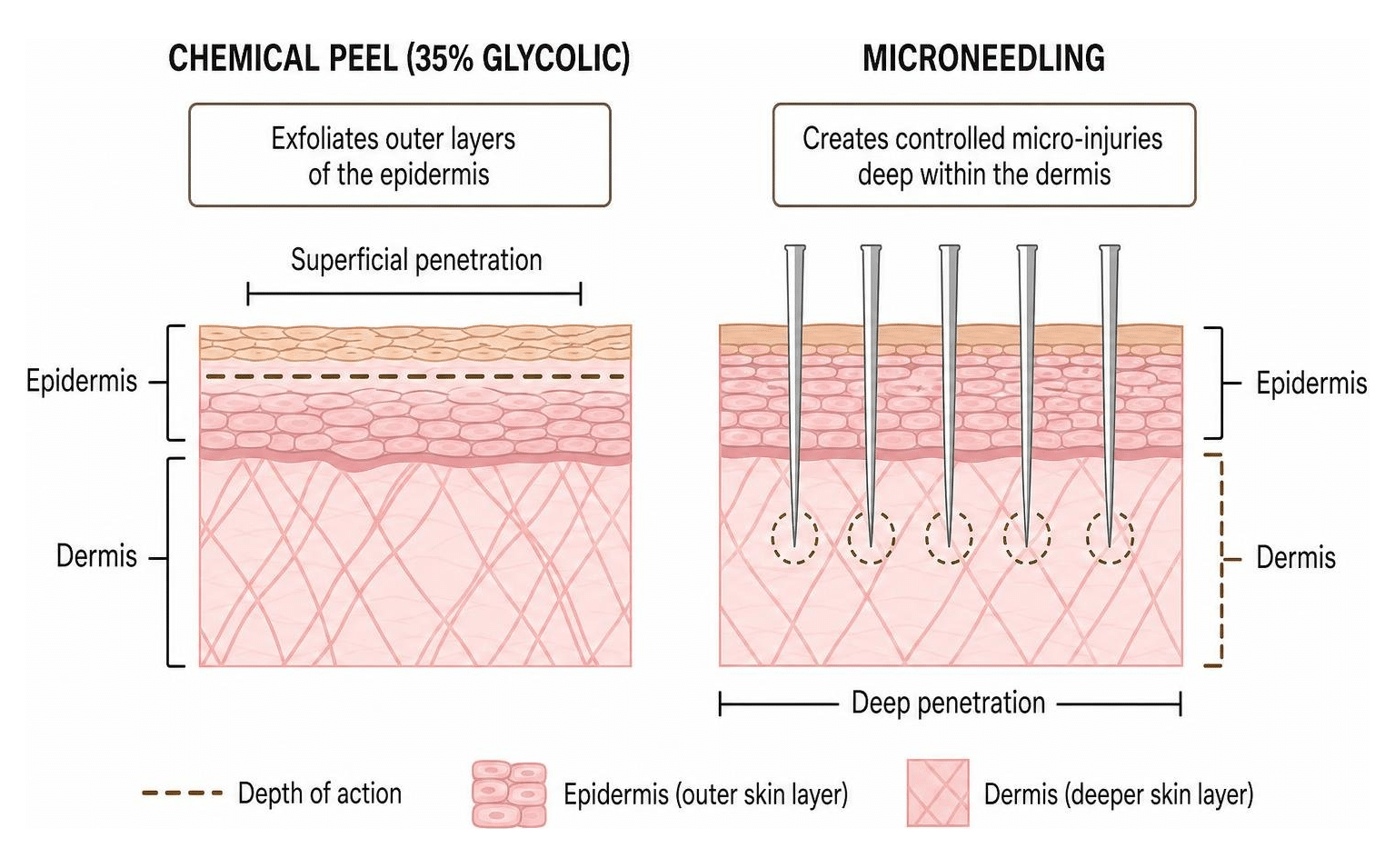
Trichloroacetic acid (TCA) is typically used for medium-depth peels. Unlike superficial peels that just hit the epidermis, TCA goes deeper into the dermis. This is necessary for treating acne scars because it stimulates the production of new collagen and elastin. This helps "fill in" atrophic (pitted) scars from the inside out.
Preparing for Your First Peels for Acne
Preparation is half the battle. Before we even touch a peel solution to your face, we conduct a thorough medical history and skin analysis. We use the Fitzpatrick Scale to determine your skin's tendency to burn or tan, which helps us pick the safest acid strength for you.
To get the best results and avoid irritation, you should:
- Stop Retinoids: Avoid Retin-A, Differin, or high-strength retinol for 3–7 days before your appointment.
- Avoid Waxing: No facial waxing or threading for at least a week prior.
- Sun Protection: Wear SPF 30+ daily. We cannot peel sun-damaged or sunburned skin.
- Manage Expectations: While one peel gives a nice glow, it usually takes a series of treatments to see significant changes. You might wonder how many chemical peels to get rid of acne—typically, we recommend a series of 3 to 6 sessions spaced 2 to 4 weeks apart.
Professional vs. At-Home Peels for Acne
It is tempting to grab a high-strength acid online and try it in your bathroom, but please be careful! Professional Peels for acne differ from at-home versions in three major ways:
- Concentration and pH: Professionals use medical-grade solutions with much lower pH levels, meaning they are far more potent and penetrate deeper.
- Safety: We are trained to spot "frosting" (a sign the peel has reached a certain depth) and know exactly when to neutralize the acid to prevent chemical burns.
- Customization: We can layer different acids or adjust the "dwell time" based on how your skin reacts in real-time.
When you see chemical peel acne results from a professional clinic, you’re seeing the result of controlled, deep-level resurfacing that simply isn't safe to do at home.
The Treatment Protocol: What to Expect
If you're nervous about your first appointment, don't be! Most of our clients find the process quite manageable.
- Cleansing: We start by thoroughly degreasing your skin with a prep solution (often alcohol or acetone based) to ensure the acid can penetrate evenly.
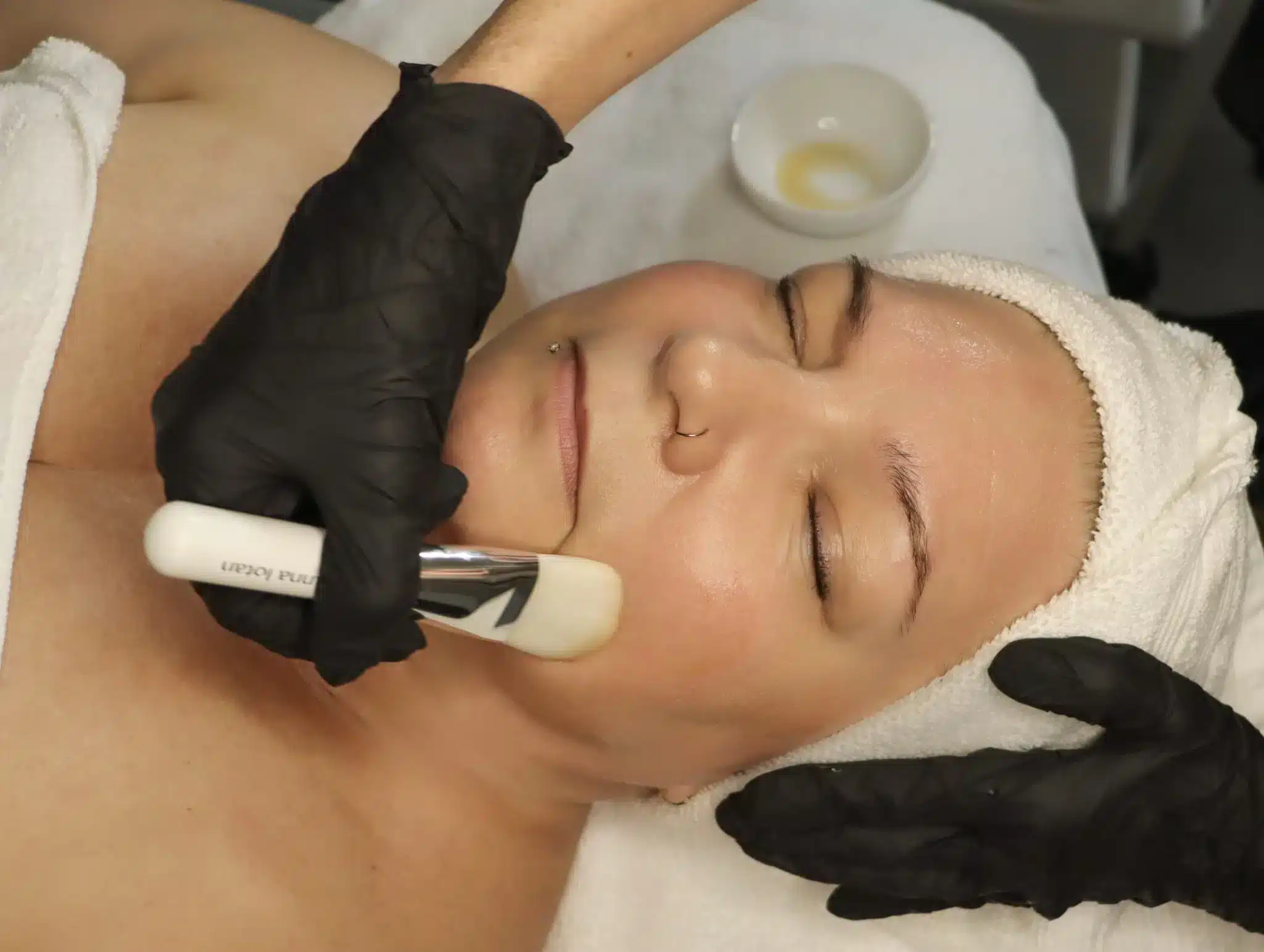
- Application: We apply the peel solution using a brush or gauze. You will likely feel a tingling, itching, or warming sensation. This is normal! We often use a small handheld fan to keep you cool and comfortable during this stage.
- Duration: Most superficial peels only stay on the skin for 3 to 10 minutes.
- Neutralization: Depending on the acid, we will either apply a neutralizing spray or simply rinse the skin with cool water to stop the chemical reaction.
- Post-Care: We finish with a soothing serum, a light moisturizer, and—most importantly—a physical sunblock.
Your Recovery Timeline
Your acne chemical peel experience doesn't end when you leave the spa. Here is what the next week usually looks like:
- Days 1-2: Skin may feel tight and look slightly red, similar to a mild sunburn.
- Days 3-5: This is when the "peeling" usually starts. It often begins around the mouth and nose. Do not pick! Picking at flaking skin can lead to scarring or hyperpigmentation.
- Days 7+: The peeling should be finished, revealing smoother, clearer skin.
Safety, Side Effects, and Contraindications
While Peels for acne are generally very safe when performed by a pro, there are risks to be aware of. Common side effects include temporary redness, dryness, and flaking. In some cases, you may experience "frosting," where the skin turns white—this is actually a desired effect for deeper peels, but it means you'll have more significant peeling later.
Darker Skin Tones and PIH
For our clients with darker skin tones (Fitzpatrick IV-VI), we take extra precautions. Darker skin is more prone to Post-Inflammatory Hyperpigmentation (PIH). If a peel is too aggressive, it can actually cause more dark spots. We often start with very gentle acids like Mandelic or Lactic and may recommend using a "pre-treatment" lightening cream for a few weeks before the peel.
Contraindications: When to Wait
You should avoid chemical peels if you:
- Have active cold sores (we can trigger a flare-up).
- Are pregnant or breastfeeding (some acids, like Salicylic, are generally avoided).
- Have used Isotretinoin (Accutane) in the last 6 months.
- Have an active sunburn or open wounds in the treatment area.
If you are looking for a chemical peel for scars, we will carefully evaluate your skin's current health to ensure it can handle the resurfacing process.
Frequently Asked Questions about Acne Peels
Are peels for acne safe for teenagers?
Yes! In fact, we often recommend them for "tween" and teen patients struggling with hormonal acne. Because teens often have very active oil glands, a series of light Salicylic or Mandelic peels can be a game-changer. It helps clear the skin without the systemic side effects of oral medications. We always ensure the treatment is gentle and tailored to younger, more sensitive skin. If you've wondered can chemical peels help with acne for your teenager, the answer is a resounding yes, provided they are performed by a professional.
How much do chemical peels cost?
The cost of a chemical peel varies wildly depending on the depth of the peel and the expertise of the provider. Based on general internet data, here is a range of what you might expect to see:
- Superficial Peels: $150 – $300 per session.
- Medium-Depth Peels: $400 – $1,000 per session.
- Deep Peels: $1,500 – $5,000+ (often performed by physicians).
Please note: These are average internet costs and are not the actual costs for services at SA Blissful Spa. Prices in the Greater Boston area can vary significantly. If you are looking for specific pricing for areas like the back, you can research the chemical peel for back acne scars cost to get a better idea of local averages.
Can I get a peel while using isotretinoin?
The traditional rule in dermatology was to wait 6 to 12 months after finishing Isotretinoin (Accutane) before having a chemical peel. This is because the medication makes your skin incredibly fragile and prone to scarring. While some recent studies suggest that light peels might be okay sooner, we strictly follow the conservative approach for your safety. If you're wondering does a chemical peel help with acne scars after your Accutane course, it absolutely does—but patience is key to ensuring your skin heals correctly.
Conclusion
At SA Blissful Spa, we believe that everyone deserves to feel confident in their skin. Whether you are a teen in Burlington, MA, dealing with your first breakouts or an adult in Winchester or Lexington looking to fade years of acne scarring, we are here to help.
Our approach to Peels for acne is never one-size-fits-all. We pride ourselves on offering expert, tailored treatments in a serene and relaxing environment. We serve clients across the Greater Boston area, including Woburn, Billerica, Reading, and beyond.
Are you ready to start your journey toward clearer, smoother skin? We invite you to visit us in Burlington for a personalized consultation where we can map out the perfect peel protocol for your unique needs. Book a professional chemical peel today and let's unmask your most radiant skin yet!