Why Understanding the Acne Chemical Peel Process Matters for Your Skin
The
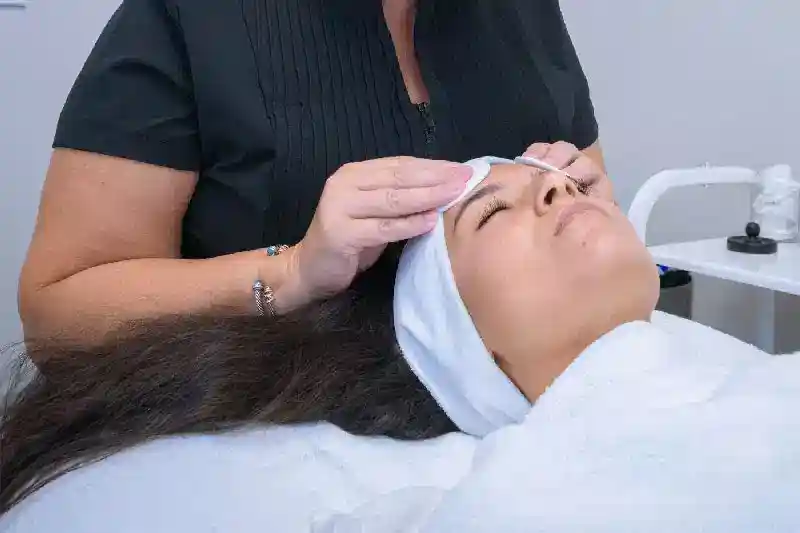
acne chemical peel process is a professional skin treatment that uses chemical solutions to exfoliate damaged skin layers, unclog pores, reduce oil production, and eliminate acne-causing bacteria. Here's what happens during the process:
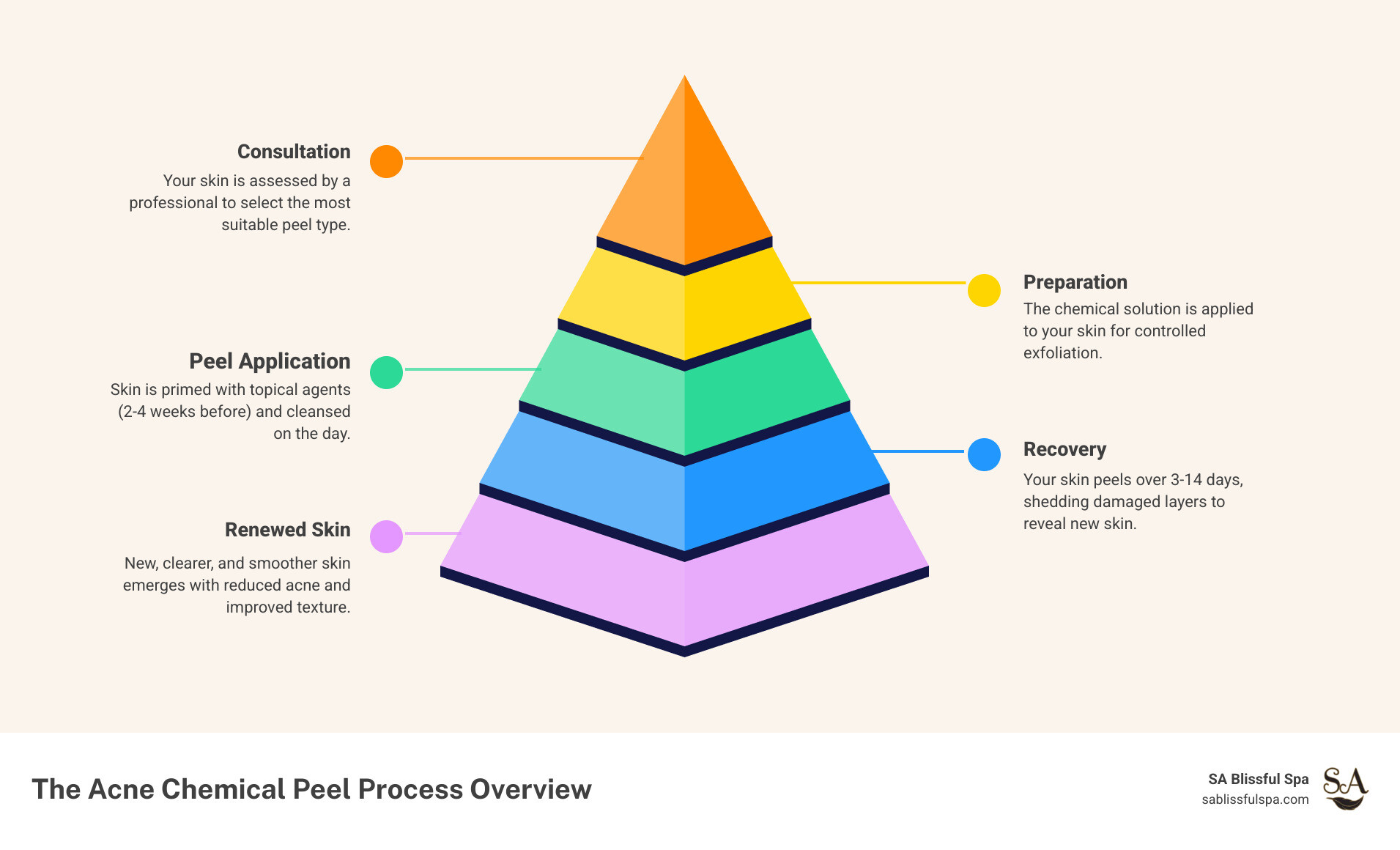
The Acne Chemical Peel Process Overview:
- Consultation - Your skin is assessed and the right peel type is selected
- Preparation - Skin is cleansed and prepped (2-4 weeks before with topical agents)
- Application - Chemical solution is applied to your skin for several minutes
- Neutralization - The peel is neutralized or naturally stops working
- Recovery - Your skin peels over 3-14 days, revealing fresh skin underneath
- Results - New, smoother skin emerges with reduced acne and improved texture
If you've struggled with persistent breakouts, acne scars, or post-acne dark spots, you're not alone. Over 80% of people experience acne at some point in their lives, and many find that topical treatments alone aren't enough. Chemical peels offer a deeper solution by literally peeling away the damaged layers of skin that harbor bacteria, excess oil, and dead cells.
The process might sound intense, but it's a
controlled and
predictable treatment that dermatologists and licensed estheticians have used for decades. Light peels can address active breakouts with minimal downtime, while deeper peels tackle stubborn scars and uneven texture. The key is understanding what to expect so you can prepare properly and get the best results.
As
Saloni Bhandari, founder of SA Blissful Spa and a licensed esthetician, I've guided countless clients through the acne chemical peel process, customizing treatments to their unique skin concerns and helping them achieve clearer, more confident skin. My approach combines professional expertise with personalized care to ensure each client understands every step of their treatment journey.
Basic
acne chemical peel process glossary:
What is a Chemical Peel and How Does It Combat Acne?
A chemical peel is a non-invasive treatment that uses specially formulated solutions to exfoliate the skin, revealing a healthier, more radiant layer beneath. At SA Blissful Spa, we apply these solutions to cause controlled damage to the outer skin layers, which then peel off. The new skin that emerges is typically smoother, with a more even tone and a brighter complexion.
This controlled exfoliation is key to combating acne. The chemical solution dissolves the bonds between dead skin cells, allowing them to shed. This stimulates new cell growth and boosts collagen and elastin production for firmer, smoother skin. For acne, peels address underlying causes by exfoliating dead skin cells to unclog pores, controlling excess oil, eliminating acne-causing bacteria, and reducing inflammation.
The Science Behind Peeling for Acne
The skin is made up of several layers, primarily the epidermis (outer layer) and the dermis (middle layer). Acne often begins when pores in the epidermis become clogged with dead skin cells and sebum (oil), creating a breeding ground for bacteria. Chemical peels work by penetrating these layers to varying depths, initiating a process of controlled skin exfoliation.
When a chemical solution is applied, it causes precise damage to skin cells, signaling the body's natural healing mechanisms. This response increases cell turnover, generating new, healthy skin cells at an accelerated rate. This fresh skin is firmer, smoother, and more resilient. The exfoliation improves skin texture and clarity by removing damaged cells. Our understanding of this process is backed by extensive
scientific research on chemical peels for acne, confirming their efficacy in regenerating healthier skin.
One of the most appealing aspects of chemical peels is their versatility. They can tackle many acne-related concerns simultaneously:
- Active Breakouts: By exfoliating dead skin and unclogging pores, peels reduce the severity and frequency of breakouts (comedonal and inflammatory). They also eliminate acne-causing bacteria and reduce inflammation for a calmer complexion.
- Acne Scars: Peels encourage skin regeneration and boost collagen, which helps fill in depressed acne scars and smooth rough texture. Medium-depth peels are particularly effective for mild scarring.
- Post-Inflammatory Hyperpigmentation (PIH): Chemical peels lighten the dark spots left after breakouts by breaking down excess melanin. This evens out skin tone and helps prevent further pigmentation.
- Uneven Skin Tone and Texture: Beyond specific marks, acne can leave the skin looking dull and uneven. Peels promote a more uniform complexion by removing damaged layers and stimulating fresh skin growth.
- Enlarged Pores: While peels can't permanently shrink pores, the exfoliation and deep cleansing action can make them appear smaller by removing debris and oil buildup.
Types of Chemical Peels for Acne and What They Treat
Chemical peels vary significantly in strength and depth, from light peels that target surface-level issues to deeper peels for more significant skin concerns. The right peel for you depends on your specific acne concerns, skin type, and how much downtime you're comfortable with. A professional consultation with us is crucial to determine the most effective treatment plan and customize it to your unique needs.
Light (Superficial) Peels: The "Lunchtime" Solution
Light chemical peels are often called "lunchtime peels" because they involve minimal downtime, allowing you to return to your daily activities almost immediately. These peels remove only the outermost layer of the skin (epidermis) and are excellent for treating active acne, mild discoloration, dryness, and improving overall skin tone and texture.
Common agents used in light peels include:
- Glycolic Acid: An alpha-hydroxy acid (AHA) that exfoliates the skin, helping to unclog pores and improve texture. We offer a GSA25 (Glycolic) peel which clarifies and relieves congested, irritated pores, regulates oil production, and helps with inflammation and redness.
- Salicylic Acid: A beta-hydroxy acid (BHA) that is oil-soluble, allowing it to penetrate deeper into pores, making it highly effective for comedonal and inflammatory acne.
- Lactic Acid: A gentler AHA, ideal for sensitive skin and those looking for hydration while exfoliating.
- Mandelic Acid: Another AHA, known for its larger molecular size, which means it penetrates the skin more slowly, reducing irritation, and is beneficial for acne and hyperpigmentation, especially in darker skin tones.
- Jessner's Solution: A combination peel typically containing salicylic acid, lactic acid, and resorcinol, effective for acne, oily skin, and superficial pigmentation.
Light peels are generally well-tolerated across all skin types and are often performed in a series of treatments (e.g., every two to five weeks) to achieve optimal results.
Medium-Depth Peels: Targeting Scars and Texture
Medium chemical peels penetrate deeper into the skin, affecting both the epidermis and the upper part of the dermis (papillary dermis). These peels are more effective for addressing concerns like acne scars, deeper wrinkles, and uneven skin tone that superficial peels can't fully resolve.
The most common chemical used for medium-depth peels is
Trichloroacetic Acid (TCA). TCA peels can significantly improve the appearance of acne scars by encouraging skin regeneration and boosting collagen production in the dermis. They also work wonders on age spots, fine lines, and moderate wrinkles.
Recovery from a medium peel takes longer than a light peel, typically a week or more, and requires some downtime. You might experience more noticeable redness, swelling, and flaking. We often recommend a series of 3-6 sessions every two weeks for some of our medium-depth peels for best results, while others, like our Change+ peel, are recommended 2-3 times a year.
Deep Peels: For Significant Skin Concerns
Deep chemical peels are the most intensive type of peel, extending their effects into the mid-reticular dermis. These peels produce the most dramatic results and are reserved for severe acne scars, deep wrinkles, extensive sun damage, and even precancerous growths.
The primary agent used for deep peels is
Phenol (carbolic acid). Because of the depth of penetration and potential risks, deep peels are typically a one-time procedure for the face and are always performed by a medical doctor in a controlled setting. They require significant downtime, with healing times often extending to several weeks, and redness potentially lasting for months.
For most acne concerns, particularly those we treat at SA Blissful Spa in Burlington, MA, and our other locations like Lexington, Woburn, and Melrose, light and medium-depth peels are usually sufficient and provide excellent results with manageable recovery periods.
The Complete Acne Chemical Peel Process: From Prep to Procedure
An acne chemical peel is a professional treatment requiring careful planning. Performed by a dermatologist or licensed esthetician, the process begins with a thorough evaluation of your skin type (using the Fitzpatrick scale), medical history, and concerns to ensure safety and efficacy.
Before the Peel: Preparing for the Acne Chemical Peel Process
Preparation is crucial for maximizing results and minimizing risks. We work closely with our clients to ensure their skin is ready for the treatment.
- Consultation: We'll discuss your skin concerns, medical history (including any history of abnormal scarring or cold sore outbreaks), and what you hope to achieve. We'll also assess your Fitzpatrick skin type, as individuals with darker skin tones (Fitzpatrick types IV to VI) have a greater risk of post-inflammatory hyperpigmentation. This helps us choose the safest and most effective peel for you.
- Skin Priming: For 2 to 4 weeks before a medium or deep peel, we may recommend a priming regimen. This involves applying topical agents like retinoids or AHAs to thin the outer skin layer, which improves peel penetration and promotes even results. For those at risk of hyperpigmentation, a hydroquinone cream may also be suggested.
- Medication Adjustments: We'll advise you to discontinue certain medications or topical products, like oral isotretinoin, for a period before the peel. If you have a history of cold sores, we may prescribe an antiviral medication to prevent a flare-up.
- Sun Protection: Diligently using broad-spectrum SPF 30+ sunscreen for at least 2-3 months before your peel is paramount to decrease the risk of hyperpigmentation.
- Avoid Trauma: Steer clear of procedures that could traumatize the skin, such as waxing, dermabrasion, or other harsh exfoliating treatments, for about a week before your peel. Avoid shaving the treated area for at least 24 hours prior.
- Procedure Day: On the day of your appointment, cleanse your skin thoroughly and abstain from applying any makeup or other skincare products.
During the Peel: The Actual Acne Chemical Peel Process
The application of the chemical peel solution is a precise and carefully monitored process:
- Skin Cleansing and Degreasing: We begin by thoroughly cleansing and degreasing your skin. This ensures the chemical solution can penetrate evenly and effectively.
- Protection: Your eyes and hair will be protected from the chemical solution. We might also apply petroleum jelly to sensitive areas or areas prone to chemical pooling.
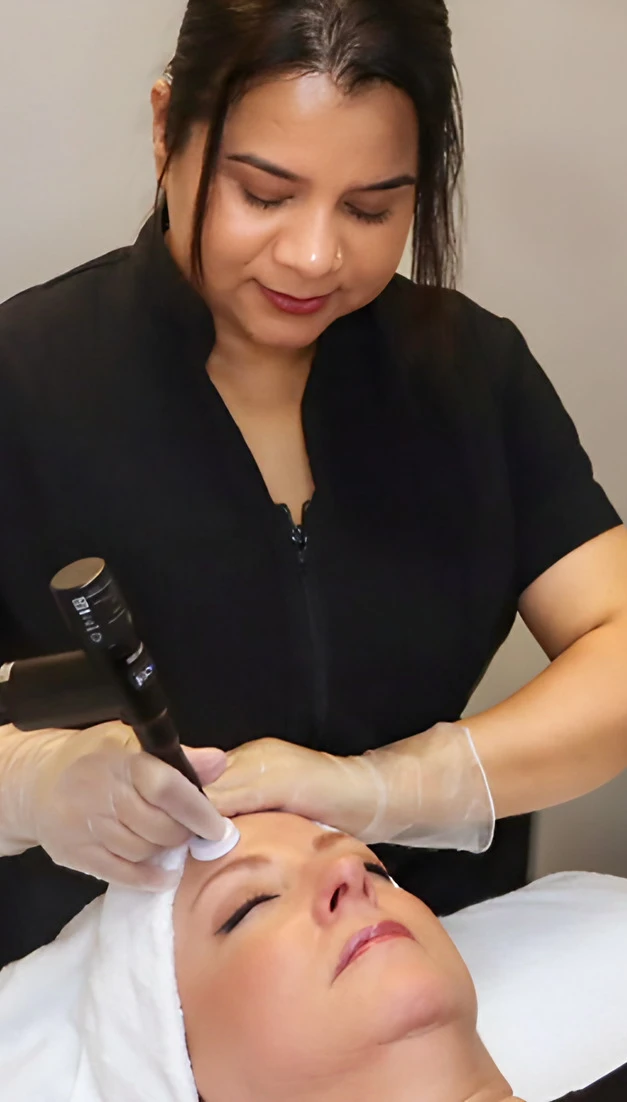
- Chemical Solution Application: The chosen chemical solution is then carefully applied to your skin, typically starting on the forehead and temples, progressing to the cheeks and chin, with areas around the eyes and mouth treated last. We apply the solution methodically to ensure even coverage.
- Sensation: During application, it's normal to feel sensations like stinging, burning, or tingling. The intensity depends on the type and depth of the peel. We'll provide a fan or cool compress to help manage any discomfort.
- Frosting: For some medium-depth peels, a white "frosting" may appear on the skin. This indicates protein denaturation and helps us gauge the depth of penetration. Level I frosting is typical for light peels, Level II for medium, and Level III for deep peels.
- Neutralization: Depending on the type of peel, the solution will either be left on for a specific amount of time (e.g., a few minutes) and then neutralized with a specific solution (like 5% sodium bicarbonate for glycolic acid peels) or cool saline compresses, or it will self-neutralize over time.
- Procedure Time: The actual application process is relatively quick, often taking 10-20 minutes, though preparation and post-application care extend the total appointment time.
Navigating the Healing Journey: A Day-by-Day Guide
The healing journey after a chemical peel is a transformative one, but it requires patience and diligent care. The recovery period varies significantly based on the depth of the peel. Understanding the
acne chemical peel process day-by-day helps manage expectations and ensures a smoother recovery.
Immediately after your peel, your skin will likely feel and look like a bad sunburn.
- Redness and Swelling: Expect noticeable redness and some swelling. This is a normal inflammatory response as your skin begins its healing process.
- Skin Sensitivity: Your skin will be sensitive to touch and may feel tight.
- Mild Discomfort: You might experience a stinging or burning sensation, which can be managed with cool compresses and over-the-counter pain relievers if needed.
For light peels, recovery may be within hours to a few days. For medium peels, this initial phase can last a bit longer.
The Peeling Phase (Day 3-7)
This is when the "peel" really begins!
- Dryness and Flaking: Starting around day three, your skin will become noticeably dry and begin to flake or scale. This is the old, damaged skin detaching to reveal the fresh skin underneath.
- Patchy Appearance: The peeling might appear patchy and uneven, which is completely normal. Resist the urge to pick or pull at the flakes, as this can lead to scarring or infection.
- Peak Peeling: Peeling typically reaches its peak during this period. For lighter peels, the flaking and peeling usually subside within one week. For medium peels, this phase can extend for up to two weeks.
Revealing New Skin (Day 8-14+)
As you enter the second week, the change becomes more apparent.
- Peeling Subsides: Most of the visible peeling should have significantly reduced or stopped.
- Smoother Texture and Brighter Complexion: Your new skin will begin to emerge, feeling smoother and looking brighter.
- Reduced Redness: While some residual redness might linger, it will be much less intense than in the initial days. For medium to deep peels, redness could persist for several weeks or even up to three months.
The typical healing time for a light chemical peel is 1 to 7 days, while a medium chemical peel generally takes 7 to 14 days for the initial healing, though redness can last longer. Deep peels have a healing time of 14 to 21 days, with significant downtime.
Essential Aftercare and Potential Risks
Once the peel is complete, the journey isn't over. Proper aftercare is just as vital as the peel itself to ensure optimal results and prevent complications. Your new skin will be delicate and temporarily more sensitive, especially to the sun.
Your Post-Peel Care Routine to Improve Recovery
Following our aftercare instructions diligently is paramount. We emphasize a gentle approach to nurture your healing skin.
Gentle skincare can aid in recovery, so simplifying your routine is key.
Do's for Aftercare:
- Cleanse Gently: Use a mild, non-irritating cleanser with lukewarm water. Pat your skin dry gently with a soft towel; do not rub or scrub.
- Moisturize Frequently: Keeping your skin hydrated is critical. Apply a bland emollient or fragrance-free moisturizer, such as petroleum jelly, several times a day. This helps soothe dryness and aids in the peeling process.
- Sun Protection is CRITICAL: Your new skin is extremely vulnerable to UV radiation. Apply a broad-spectrum sunscreen with SPF 30 or higher every single day, even indoors, and reapply every two hours if you're outside. Wear wide-brimmed hats and seek shade whenever possible. This is perhaps the most important step to prevent post-inflammatory hyperpigmentation.
- Hydrate Internally: Drink at least eight glasses of water a day to support your body's healing process.
- Cool Compresses: Apply cool compresses to soothe any lingering redness, stinging, or swelling.
- Follow Professional Advice: Adhere strictly to the specific aftercare instructions provided by your esthetician at SA Blissful Spa. We customize our advice to your specific peel and skin needs.
- Humidify: Consider using a humidifier, especially at night, to maintain moisture levels in your environment, which can aid recovery.
Don'ts for Aftercare:
- Do NOT Pick or Scrub: Absolutely do not pick, pull, or scrub at peeling or flaking skin. This can lead to scarring, infection, and uneven results. Let the skin shed naturally.
- Avoid Direct Sun Exposure: This cannot be stressed enough. Refrain from direct sun exposure, especially during peak hours, for several weeks to months after your peel.
- Avoid Harsh Products: Stay away from products containing active ingredients like retinoids, AHAs, BHAs, exfoliating scrubs, or harsh toners until your skin has fully healed and your esthetician advises reintroduction.
- No Heavy Makeup (Initially): For light peels, makeup can often be applied a few hours after. For medium peels, wait until re-epithelialization is complete, usually 1-2 weeks, to avoid irritation or infection.
- Avoid Strenuous Exercise/Excessive Sweating: For the first few days, avoid activities that cause excessive sweating, as sweat can irritate healing skin.
Understanding the Risks and Side Effects
While chemical peels are generally safe when performed by trained professionals, it's important to be aware of potential risks and side effects.
- Common and Temporary:
- Redness and Swelling: These are universal and expected, similar to a sunburn. They typically subside within days to a few weeks, though for medium peels, redness can linger for months for some individuals.
- Scabbing: Some crusting or scabbing can occur, especially with deeper peels, as the skin heals.
- Skin Sensitivity and Itching: The new skin will be more sensitive, and mild itching is common during the healing phase.
- Less Common, More Serious:
- Scarring: While rare, permanent scarring can occur, particularly if the skin is picked or if proper aftercare isn't followed. This risk is higher in individuals with a history of keloids or hypertrophic scarring.
- Changes in Skin Color:
- Hyperpigmentation (darkening): This is a greater risk for individuals with darker skin tones (Fitzpatrick types IV-VI) or those who don't strictly avoid sun exposure after the peel. Even with sunscreen, hyperpigmentation may result.
- Hypopigmentation (lightening): More common with deep peels, treated skin might lose the ability to tan, resulting in lighter patches.
- Infection: Although rare, chemical peels can lead to bacterial, fungal, or viral infections. If you have a history of cold sores (herpes virus), a peel can trigger a flare-up, which is why antiviral prophylaxis may be prescribed.
- Heart, Kidney, or Liver Damage: This is an extremely rare but serious risk associated only with deep phenol peels, due to systemic absorption of the chemical. Such peels are performed under strict medical supervision, often with cardiac monitoring, and are not typically offered in a spa setting like ours.
At SA Blissful Spa, we prioritize your safety and comfort. Our estheticians are trained to minimize risks and manage any potential side effects. We ensure you are fully informed about what to expect and how to care for your skin throughout the
acne chemical peel process.
Can Chemical Peels Be Combined with Other Acne Treatments?
Absolutely! Chemical peels can be a powerful standalone treatment for acne, but their efficacy can often be improved when combined with other acne treatments. This synergistic approach allows us to target different aspects of acne formation and healing, leading to more comprehensive results.
We often integrate chemical peels into a broader skincare regimen that might include:
- Topical Medications: Peels can improve the penetration of prescription topical retinoids, antibiotics, or benzoyl peroxide by removing the outer layer of dead skin cells. However, it's crucial to pause these active topicals for a period before and immediately after a peel, as advised by your esthetician or dermatologist, to prevent excessive irritation.
- Oral Medications: For severe or persistent acne, oral antibiotics or hormonal therapies might be part of your treatment plan. Chemical peels can complement these by addressing surface-level concerns, speeding up cell turnover, and improving skin texture.
- Other Spa Treatments: We frequently combine peels with other beneficial treatments at SA Blissful Spa. For instance, a light peel can be incorporated into a facial to improve exfoliation, or followed by LED light therapy to reduce inflammation and promote healing. Microneedling, another popular treatment for acne scars, can be alternated with chemical peels in a comprehensive treatment plan to achieve optimal scar revision.
- Professional Extractions: For clients with comedonal acne, gentle extractions performed by a skilled esthetician can remove stubborn blackheads and whiteheads, and a light chemical peel can then help keep pores clear.
The key to combining treatments effectively is a personalized approach. During your consultation at SA Blissful Spa, we will assess your skin's condition, your current skincare routine, and any medications you are taking to create a custom treatment plan that safely and effectively integrates chemical peels with other therapies. This ensures we maximize benefits while minimizing the risk of irritation or adverse reactions.
Conclusion: Achieve Clearer Skin with Professional Guidance
The
acne chemical peel process is a highly effective and versatile treatment for managing acne and its aftermath. We've explored how these peels work, from shedding damaged cells and unclogging pores to stimulating collagen and reducing inflammation. We've also detailed the different types of peels, the step-by-step process, and the crucial day-by-day recovery journey.
The long-term benefits of incorporating chemical peels into your skincare regimen for managing acne and its aftermath are significant:
- Sustained Acne Control: By regularly exfoliating and unclogging pores, peels can drastically reduce future breakouts, leading to long-term clearer skin.
- Improved Skin Texture: The stimulation of new cell growth and collagen production results in noticeably smoother, softer skin with a more refined texture.
- Faded Scars and Dark Spots: Consistent treatments can significantly diminish the appearance of acne scars and post-inflammatory hyperpigmentation, leading to a more even and uniform complexion.
- Improved Radiance: By removing dull, damaged surface cells, peels reveal brighter, more luminous skin, boosting your overall skin health and glow.
- Boosted Self-Esteem: For many, clearer skin translates directly to increased confidence and improved quality of life.
While the idea of peeling skin might seem daunting, with the right professional guidance and diligent aftercare, the results can be truly transformative. At SA Blissful Spa, we pride ourselves on offering expert, custom treatments in a serene environment, ensuring your comfort and satisfaction throughout the process. Our team is dedicated to helping you achieve your skincare goals, whether you're battling active breakouts, stubborn scars, or uneven skin tone.
We invite you to experience the difference professional care can make. If you're in Burlington, MA, or nearby areas like Arlington, Lexington, Woburn, or Melrose, we are here to help.
Improve skin texture and clarity – schedule your appointment now! Let us help you peel back the layers to reveal the radiant, healthy skin you deserve.