Why Your Acne Skincare Routine Could Be the Game-Changer You've Been Missing
Acne skincare is one of the most searched topics in beauty — and for good reason. Breakouts don't just affect teenagers. They affect busy adults, too, often striking at the worst possible moments.
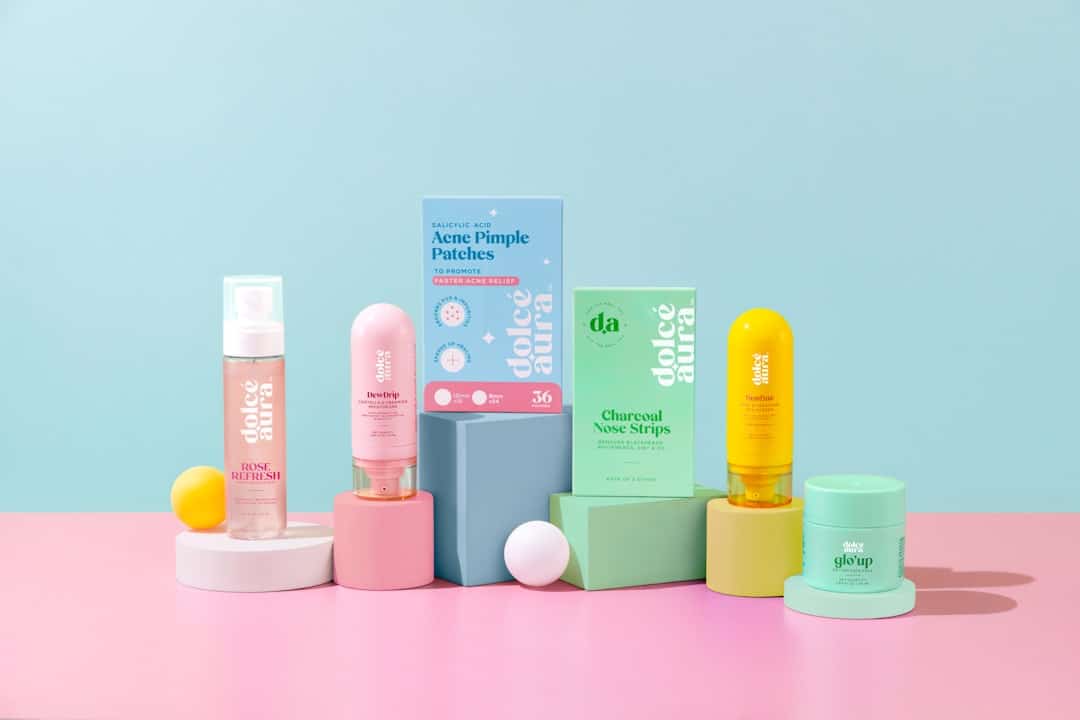
Here are the most effective acne skincare options to know about:
| Product Type | Key Ingredient | Best For |
|---|---|---|
| Acne cleanser | 2% Salicylic Acid | Oily, combination skin |
| Spot treatment | Benzoyl Peroxide (2.5%) | Active breakouts |
| Leave-on gel | Adapalene 0.1% | Preventing new breakouts |
| Moisturizer | Glycerin, niacinamide | Sensitive, barrier-damaged skin |
| SPF | Mineral, non-comedogenic | Daily protection |
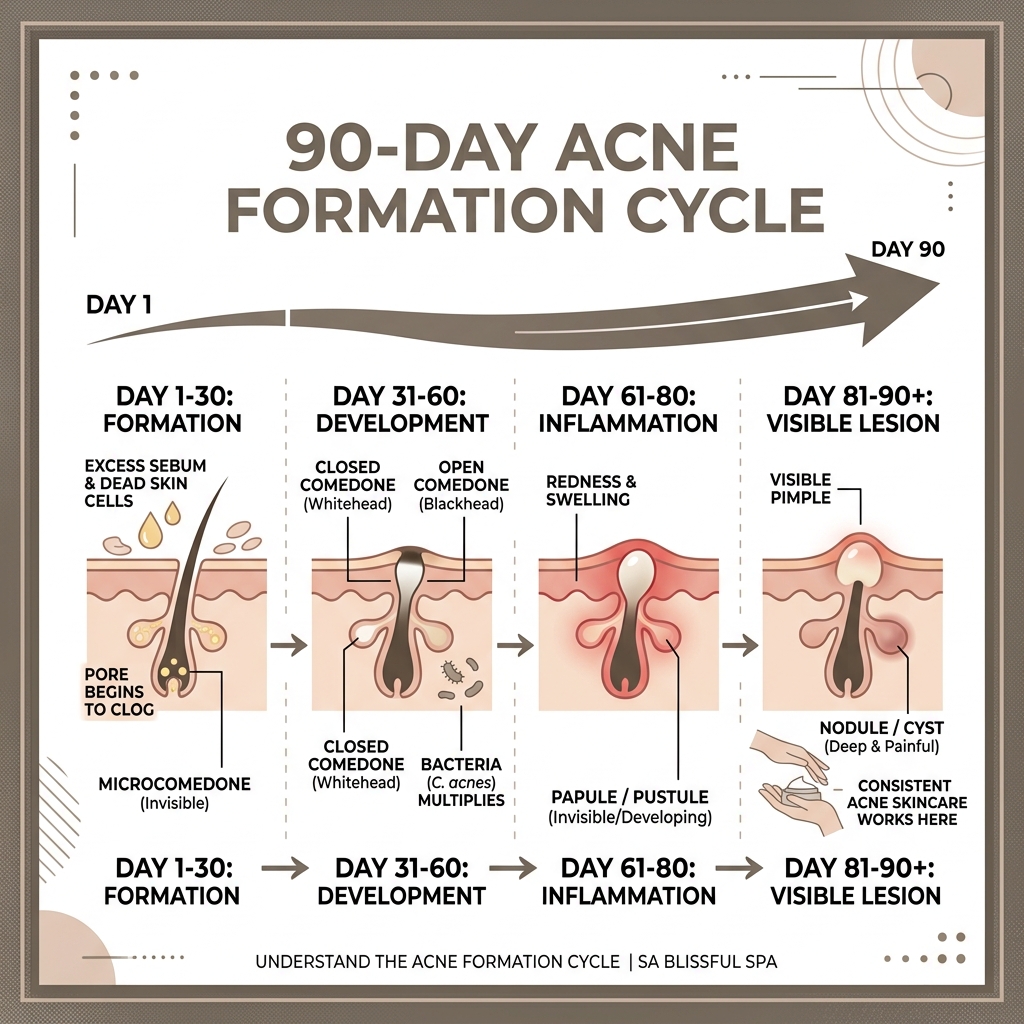
The hard truth? Acne isn't just a surface problem. It starts deep inside your pores — up to 90 days before a visible blemish appears. That means the pimple you see today was forming three months ago.
The good news is that with the right products and routine, real improvement is achievable — often within 3 to 6 weeks of consistent use.
I'm Saloni Bhandari, an esthetician and founder of SA Blissful Spa, with years of hands-on experience helping clients build personalized acne skincare routines that actually work. I've guided countless clients through clearing programs, product selection, and professional treatments tailored to their unique skin.
Below, I'll walk you through everything — from ingredients and daily routines to professional treatments and lifestyle habits.
ACNE Skincare vocabulary:
The Science of Breakouts: Why Your Pores Overreact
To truly master ACNE Skincare, we have to look beneath the surface. For most of our clients in Burlington and Lexington, acne isn't just about "dirty skin"—in fact, it's often an inherited disorder of the pores. While a "normal" pore sheds about one layer of dead skin cells per day, acne-prone pores are overachievers in the worst way, shedding up to five layers of dead skin cells daily.

This rapid shedding creates a "logjam" inside the pore. When those excess cells mix with sebum (your skin's natural oil), they form a sticky plug called a microcomedone. This is the "seed" of every blemish. If you want to dive deeper into the clinical side of why this happens, the American Academy of Dermatology offers excellent scientific research on acne causes.
Understanding the 90-Day Formation Process
One of the biggest frustrations we hear at our spa is, "I started a new cream yesterday, why do I have a new pimple today?" It’s important to remember that the acne formation process can take up to 90 days. The bump you’re seeing today began its journey three months ago. This is why consistency is the golden rule of ACNE Skincare. We aren't just treating the pimple on your chin; we are trying to stop the microscopic "seeds" that are currently forming for next month.
Why Acne-Prone Pores Shed Faster
This process of rapid shedding is known as retention hyperkeratosis. Essentially, the skin cells inside the follicle are "sticky" and don't fall away like they should. This cellular buildup provides the perfect feast for C. acnes bacteria. As the bacteria multiply, your body’s immune system sends in the cavalry, leading to the redness, swelling, and pus we recognize as an active lesion.
Essential Ingredients for Effective ACNE Skincare
Walking down the skincare aisle can feel like a chemistry exam. Which active ingredient is right for you? Most nonprescription acne treatments rely on a handful of heavy hitters. According to the Mayo Clinic guide to nonprescription acne treatments, selecting the right concentration is just as important as the ingredient itself.
| Ingredient | Primary Function | Typical Strength |
|---|---|---|
| Salicylic Acid | Unclogs pores & exfoliates | 0.5% – 2% |
| Benzoyl Peroxide | Kills bacteria & removes oil | 2.5% – 10% |
| Adapalene | Regulates cell turnover | 0.1% (OTC) |
| Azelaic Acid | Fades marks & kills bacteria | 10% (OTC) |
| Glycolic Acid | Surface exfoliation | 5% – 10% |
Targeted Actives for Rapid Clearing
While the basics work well, modern ACNE Skincare has evolved. We now see "smart" delivery systems, like OmniSome, which helps salicylic acid penetrate deeper into the pore—sometimes reaching the skin at twice the rate of traditional formulas. This can lead to visible improvements in as little as three days.
We also love Polyhydroxy Acids (PHAs) and Lipo-hydroxy Acids (LHAs). These are "cousins" to salicylic acid but are much gentler, making them perfect for those who want to clear their skin without the dreaded "peeling and redness" phase. For a deeper dive into the latest formulas, check out our guide on the best skin care acne treatments.
Choosing the Right ACNE Skincare for Your Skin Type
Not all acne is created equal. If you have oily skin, you might thrive on a 2% salicylic acid wash that removes up to 85% of excess oil in one go. However, if you have sensitive skin, those same products might leave you feeling tight and irritated.
We always recommend looking for "barrier-friendly" ingredients. Ingredients like glycerin, ectoin, and urea help keep the skin supple while the "actives" do the heavy lifting. A healthy skin microbiome is actually one of the secrets to clear skin!
Building a Results-Driven Daily Routine
A random collection of products won't clear your skin; a structured routine will. We tell our clients from Woburn to Winchester that your ACNE Skincare routine should follow a simple rhythm: Cleanse, Correct, and Protect.
Step-by-Step: Cleanse, Correct, and Protect
- Cleanse: Use a gentle, non-stripping cleanser twice a day. If you’re very oily, a salicylic-based wash is great. If you’re using strong prescriptions, stick to a creamy, barrier-balancing cleanser.
- Correct: This is where your serums and gels come in. Apply a thin layer of your active treatment (like an acne gel or azelaic acid) to the entire affected area—not just the spots you see.
- Hydrate: Even oily skin needs water! Look for "non-comedogenic" (pore-clearing) moisturizers.
- Protect: This is the most skipped step, but arguably the most important.
The Role of Sun Protection in ACNE Skincare
Many acne treatments, especially retinols and AHAs, make your skin more sensitive to the sun. Furthermore, UV rays can darken post-acne marks, turning a temporary red spot into a long-lasting brown scar. We recommend a mineral-based SPF 30 that offers a matte finish to help control shine throughout the day. If you're struggling with persistent congestion despite a good routine, it might be time to look into acne facials near me for a professional deep clean.
Professional Treatments and Advanced Clearing Programs
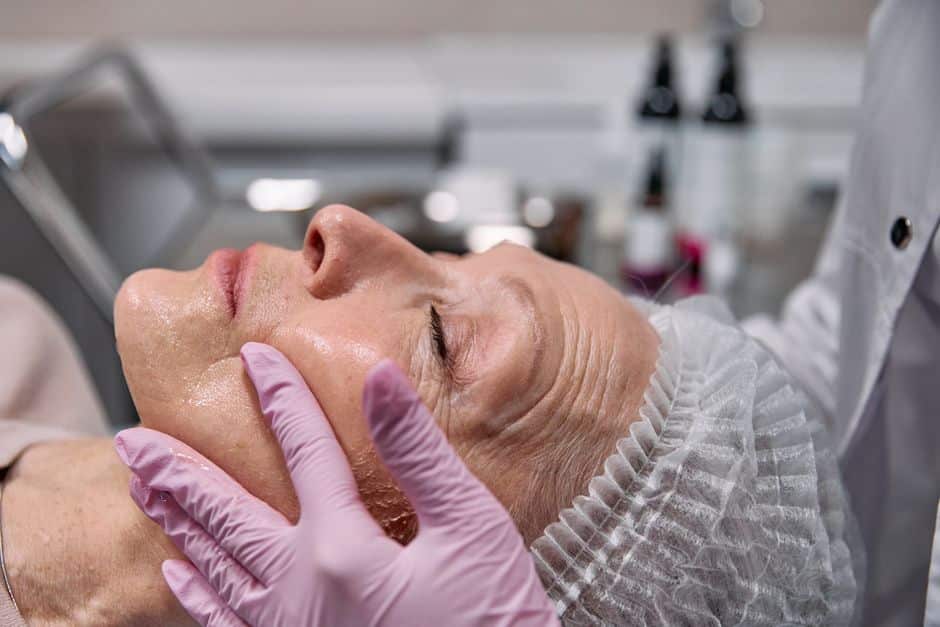
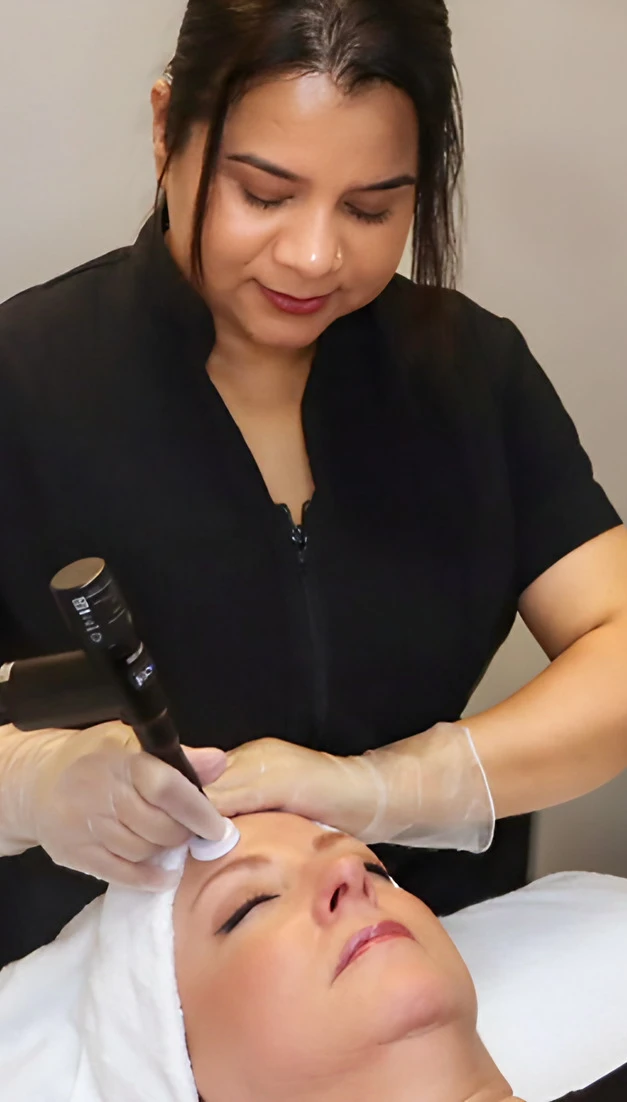
Sometimes, home care needs a professional boost. At SA Blissful Spa, we see incredible transformations when clients combine high-quality ACNE Skincare with in-spa treatments. Professional programs, like the Face Reality Acne Program, boast an incredibly high success rate because they are customized to your specific type of acne.
Accelerating Results with Chemical Peels
Chemical peels are one of the most effective tools in our kit. By applying specialized acids—like mandelic, salicylic, or glycolic—we can lift away layers of dead skin much faster than an at-home scrub ever could. This not only clears active breakouts but also smooths out skin texture. Curious about the process? Read more on how chemical peels help acne and explore the different types of professional chemical peels we offer.
Treating Body Acne and Post-Acne Marks
Acne doesn't always stop at the jawline. "Bacne" (back acne) can be particularly stubborn because the skin on the back is thicker. We often use stronger chemical peels and specialized mists for the body. For the marks left behind, "scar sticks" containing brightening agents or professional chemical peels for back acne can help fade discoloration and improve the appearance of textural scarring.
Lifestyle Habits for Long-Term Skin Clarity
You can have the best ACNE Skincare in the world, but if you’re sleeping on a dirty pillowcase or picking at your face, you’re fighting an uphill battle.
The Impact of Diet and Stress
While chocolate doesn't "cause" acne for everyone, research suggests that high-glycemic foods (white bread, sugary sodas) and certain dairy products can trigger inflammation in some people. Stress is another major factor; high cortisol levels can signal your oil glands to go into overdrive. We always suggest a holistic approach: stay hydrated, manage your stress, and try to get 7-8 hours of sleep.
Common Habits That Worsen Breakouts
- Pimple Popping: It’s tempting, but DIY extractions often push bacteria deeper into the skin, leading to more inflammation and permanent scarring.
- Over-Exfoliating: If your skin is red and shiny (but not oily), you might be overdoing the acids.
- Dirty Phones and Brushes: Your phone screen and makeup brushes are breeding grounds for bacteria. Wipe your phone daily and wash your brushes weekly!
Frequently Asked Questions about Acne Care
How long does it take to see results from acne treatments?
Patience is the hardest part of ACNE Skincare. While some products show a minor difference in 3 days, it typically takes 3 to 6 weeks of consistent use to see a real change. Because of that 90-day formation cycle we mentioned, you may need to stay on a routine for 3 full months to see the maximum benefit. For more on clinical timelines, see the Mayo Clinic's research on treatment.
Can I use acne treatments if I have sensitive or aging skin?
Absolutely. This is what we call "adult acne." The key is to use products that address both concerns—like encapsulated retinol, which fights wrinkles and acne simultaneously, or PHAs which exfoliate without irritation. We often pair these with barrier-repairing peptides to keep the skin looking youthful and calm.
When should I see a dermatologist for my acne?
If you have tried an OTC routine for 2 to 3 months with no improvement, or if you are dealing with deep, painful "under-the-skin" cysts, it's time to see a professional. Cystic acne often requires prescription-strength intervention to prevent permanent scarring.
Conclusion
Achieving clear skin isn't an overnight miracle; it’s a journey of understanding your skin's unique needs and staying consistent with the right ACNE Skincare. Whether you are in Burlington, Billerica, or Reading, our team at SA Blissful Spa is here to help you navigate actives, peels, and professional programs.
Ready to stop guessing and start glowing? We invite you to book a professional acne consultation today. Let's work together to create a personalized plan that helps you say goodbye to breakouts for good!
Note: Professional treatment costs, such as chemical peels or specialized acne facials, typically range from $100 to $450+ per session. These are average costs based on internet data and are not the actual costs for SA Blissful Spa.