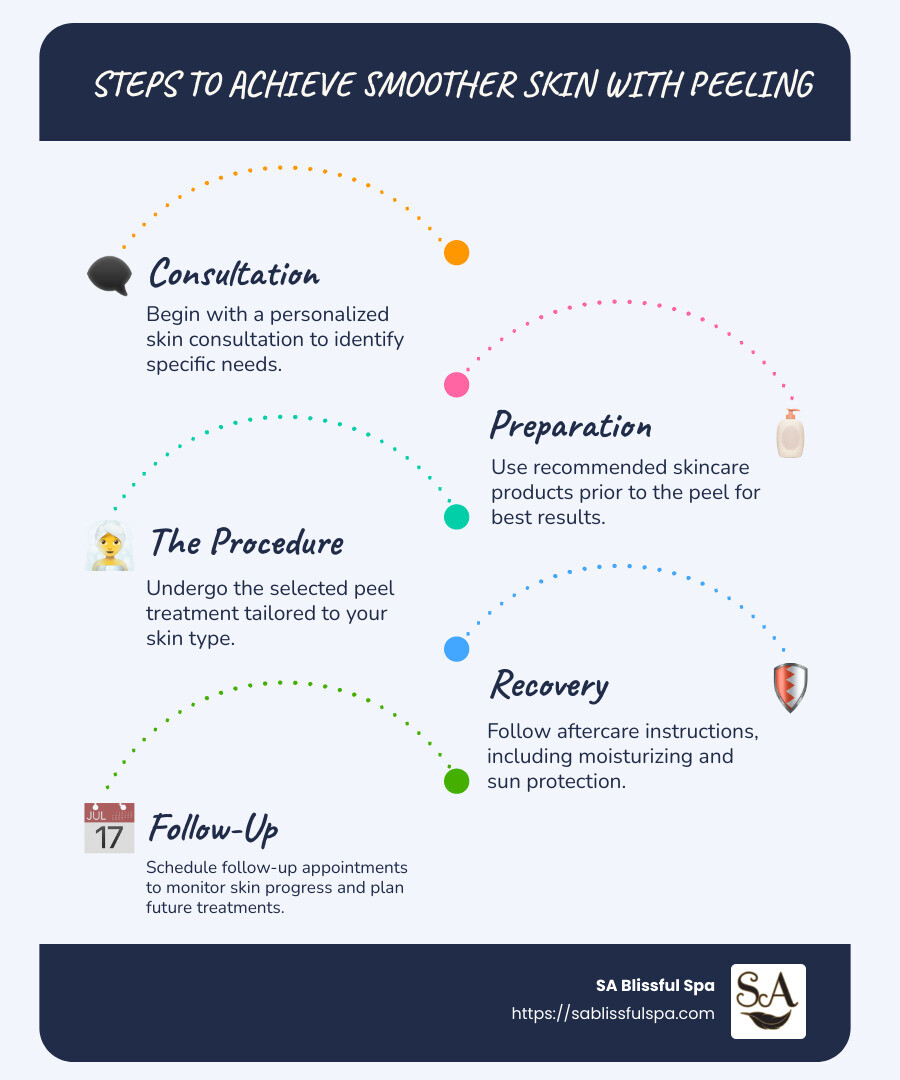
Facial and peeling treatments are essential rituals in skincare, offering a path to smoother and more radiant skin. These procedures work by removing dead skin cells, showing a fresh layer of skin beneath that can look healthier and more youthful. Here’s what you need to know if you’ve been curious about how facial and peeling can improve your skin.
At SA Blissful Spa, we specialize in personalized facial and peeling treatments that cater to your unique skin needs. I’m Saloni Bhandari, the founder and an experienced esthetician here at the spa, committed to ensuring serene, rejuvenating experiences. With my expertise in facial and peeling treatments, I aim to help you achieve the glowing complexion you deserve.
Basic facial and peeling terms:
– chemical peel facial
– what is a chemical peel
Facial peeling, often referred to as chemexfoliation or dermapeeling, is a skincare treatment that uses a chemical solution to remove layers of skin. This process reveals the more youthful and vibrant skin underneath.
Here’s how it works:
The goal of facial peeling is to improve the skin’s appearance by reducing imperfections such as fine lines, acne scars, and uneven skin tone. It’s a popular choice for those looking to refresh their complexion and achieve a more youthful look.
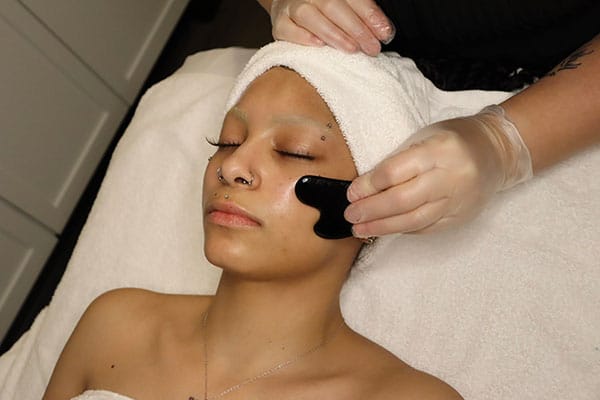
Different types of chemical solutions are used based on the desired depth of the peel. The depth can be superficial, medium, or deep, each targeting different skin concerns. For instance, a light peel might address fine wrinkles and uneven skin tone, while a deep peel could tackle deeper wrinkles and scars.
At SA Blissful Spa, we offer a range of facial peeling treatments custom to meet your specific skin needs. Our expert estheticians ensure that each treatment is personalized, focusing on your unique skin concerns and goals.
Facial peeling is not just about surface-level changes; it’s about rejuvenating your skin from the inside out, promoting a radiant and youthful appearance.
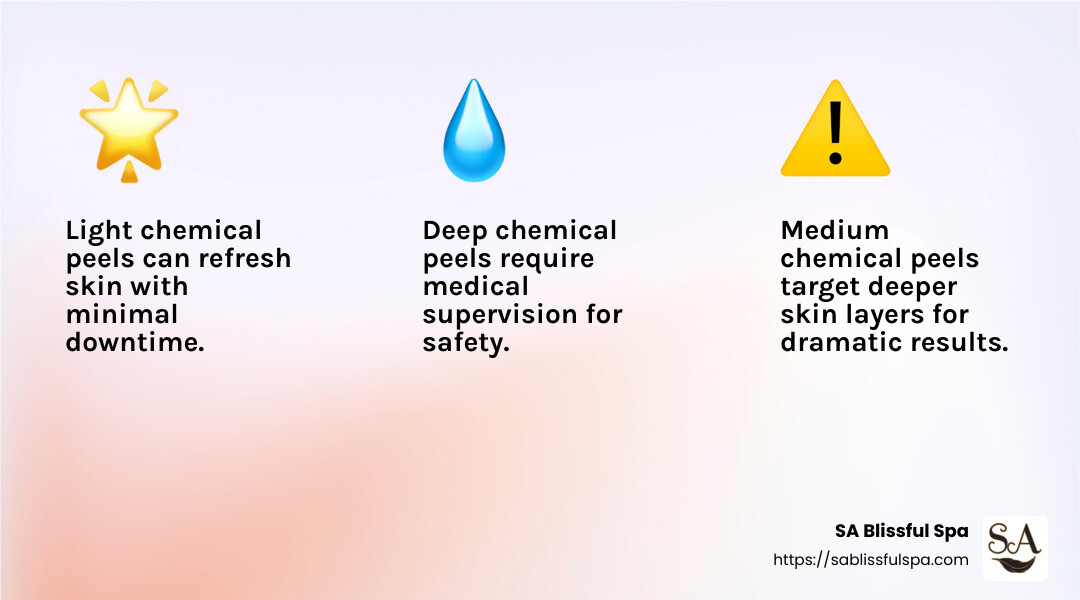
Chemical peels are categorized based on their depth of skin penetration—light, medium, or deep. Each type offers unique benefits and targets specific skin concerns. Let’s explore these in detail:
A light chemical peel, also known as a superficial peel, primarily targets the outermost layer of the skin, the epidermis. This peel is gentle and typically uses acids like glycolic or salicylic acid.
Light chemical peels are perfect for those seeking a quick refresh with minimal downtime. They can significantly improve skin texture, giving you a smoother and more radiant appearance.
A medium chemical peel penetrates both the epidermis and the upper part of the dermis. This type of peel is ideal for treating acne scars, deeper wrinkles, and more pronounced uneven skin tone.
Medium peels are a great option for those looking to address more significant skin issues while still enjoying relatively manageable recovery periods. Expect some redness and peeling, but the results are well worth it.
For more severe skin concerns, a deep chemical peel is the go-to treatment. This peel reaches the deeper layers of the dermis, making it effective for deep wrinkles, scars, and even precancerous growths.
Deep chemical peels are ideal for those with significant sun damage, deep facial wrinkles, or scars. Due to their intensity, these peels are typically performed under medical supervision with a comprehensive aftercare plan.
At SA Blissful Spa, our expert estheticians are skilled in selecting the right type of chemical peel to suit your skin’s unique needs. Whether you’re looking for a quick refresh or a more profound change, we ensure your skin receives the care it deserves.
Facial peeling offers multiple benefits for your skin, making it a popular choice for those looking to improve their complexion. Here’s what you can expect:
Facial peels can significantly reduce fine lines and wrinkles. By removing the top layer of dead skin cells, peels stimulate the production of collagen and elastin, the proteins responsible for skin elasticity. This results in smoother, more youthful-looking skin.
A smoother skin texture is one of the most noticeable outcomes of a facial peel. By exfoliating the skin, peels help to slough off rough patches and reveal the softer skin beneath. This can make your skin feel silky and look more even-toned.
Chemical peels, especially those containing salicylic acid, are effective in treating acne. They work by unclogging pores and reducing oil production, which helps prevent new breakouts. Peels also reduce inflammation, making them an excellent option for managing acne-prone skin.
Peels can improve the appearance of superficial scars, such as those from acne. By promoting the regeneration of skin cells, peels help to fade scars over time, giving your skin a more uniform appearance.
Uneven skin tone and hyperpigmentation can be addressed with facial peels. Ingredients like glycolic acid and trichloroacetic acid work to lighten dark spots and even out the skin tone, resulting in a brighter and more balanced complexion.
Facial peeling is a versatile treatment that can be customized based on individual skin concerns. At SA Blissful Spa, our skilled estheticians offer personalized peeling treatments to help you achieve your skin goals. Whether you’re aiming to reduce fine lines or even out your skin tone, facial peeling can be a powerful tool in your skincare arsenal.
While the benefits of facial peeling are numerous, it’s important to be aware of potential risks and side effects. Understanding these can help you make informed decisions and prepare for any possible outcomes.
After a peel, it’s common to experience redness and swelling. This is your skin’s natural response to the exfoliation process. For most, the redness fades within a few days, but in deeper peels, it might last longer.
Scabbing can occur as your skin heals. It’s crucial not to pick at scabs to avoid scarring. While scarring is rare, it can happen, especially if you have a history of keloids or unusual scarring tendencies. Always inform your esthetician about any past skin issues.
Changes in skin color are possible, particularly hyperpigmentation (dark spots) or hypopigmentation (light spots). Those with darker skin tones may be more prone to these pigmentation changes. Pre-treatment with bleaching agents can help minimize these risks.
Though rare, infections can occur if the skin is not properly cared for post-peel. Keep the treated area clean and follow aftercare instructions to reduce this risk. If you notice unusual symptoms like oozing or a foul smell, contact your dermatologist immediately.
Deep peels, especially those using phenol, carry more significant risks, including potential heart, kidney, and liver damage. This is due to phenol’s systemic absorption. Such peels require careful monitoring and are usually performed in a controlled medical setting.
Facial peeling can be a safe and effective treatment when performed by experienced professionals. At SA Blissful Spa, we prioritize your safety and tailor each treatment to your skin’s needs, ensuring a balanced approach to achieving your skincare goals.
Getting ready for a chemical peel involves more than just showing up for your appointment. It’s a process that ensures your skin is in the best condition to handle the treatment and heal properly afterward. Here’s what you need to know:
Before diving into any peel, your esthetician will review your medical history. This includes discussing any current or past medical conditions, medications you’re taking, and previous cosmetic procedures you’ve had. This information helps tailor the peel to your specific needs and minimize risks.
A thorough skin examination is crucial. Your esthetician will assess the area to be treated, considering factors like skin tone and thickness. This helps determine the most suitable type of peel for you.
Open communication is key. Talk about your goals, what you hope to achieve, and any concerns you might have. Understanding the potential outcomes and risks will help set realistic expectations for your results.
For some, antiviral medication might be necessary before and after the peel. This is particularly important if you have a history of cold sores, as the procedure can sometimes trigger an outbreak.
Using a retinoid cream like tretinoin before your peel can improve the results. It helps by thinning the outer layer of skin, allowing the peel to penetrate more evenly and deeply.
To reduce the risk of hyperpigmentation, especially in individuals with darker skin tones, a bleaching agent like hydroquinone may be recommended. This step can help prevent dark spots from forming after the peel.
Sun exposure can lead to complications like uneven pigmentation. It’s essential to avoid unprotected sun exposure before your peel. Discuss sun protection strategies with your esthetician to maintain your skin’s health.
Certain cosmetic treatments and hair removal techniques should be avoided before your peel. This includes electrolysis, facial scrubs, and hair-dyeing treatments. Stop shaving the area to be treated at least 24 hours before the procedure.
Preparing for a chemical peel is about ensuring your skin is ready for the change ahead. By following these steps, you can help maximize your results and minimize any potential risks.
The chemical peel process involves several steps to ensure your skin is treated effectively and safely. Here’s a breakdown of what happens during each type of peel:
A light chemical peel is the gentlest option, targeting the outermost skin layer.
A medium chemical peel penetrates deeper, reaching the outer layer of the dermis.
A deep chemical peel targets severe skin issues by reaching the reticular dermis.
Each type of chemical peel offers unique benefits and requires specific aftercare. Understanding the procedure helps in choosing the right peel for your skin needs.
After undergoing a chemical peel, proper aftercare is crucial to ensure your skin heals well and you achieve the best results. Let’s break down the aftercare for each type of peel:
Redness and Dryness: It’s normal to experience some redness and mild dryness after a light chemical peel. Your skin might feel a bit tight and irritated, similar to a mild sunburn.
Protective Ointment: Applying a protective ointment like petroleum jelly can soothe the skin and help retain moisture. This helps in reducing irritation and speeds up the healing process.
Makeup: The good news is you can usually wear makeup the next day, which is perfect if you have an event or need to return to work quickly.
Sun Protection: Your skin will be more sensitive to the sun, so it’s important to use a broad-spectrum sunscreen daily to protect the new skin.
Redness and Swelling: Expect more noticeable redness and swelling compared to a light peel. The skin might sting and feel tender.
Ice Packs and Pain Relief: To manage discomfort, use ice packs to soothe the skin. Over-the-counter pain relievers like ibuprofen can also help reduce swelling and provide relief.
Protective Ointment: Just like with a light peel, applying a protective ointment is crucial. This prevents dryness and aids in healing.
Avoid Makeup: It’s best to avoid makeup for about five to seven days, allowing your skin to heal without irritation.
Severe Redness and Swelling: A deep chemical peel results in significant redness and swelling. Your skin will feel like it’s throbbing and burning, which is part of the healing process.
Surgical Dressing: Your doctor will apply a surgical dressing to protect the treated area. This helps in the initial healing phase and minimizes infection risk.
Painkillers: Prescription painkillers may be necessary to manage the intense discomfort during the initial recovery period.
Follow-Up Care: Regular follow-up visits with your doctor are essential to monitor healing and address any concerns. You’ll need to soak the skin and apply ointments multiple times a day for about two weeks.
Sun Protection: Once the new skin forms, which takes about two weeks, it’s crucial to use sunscreen daily to prevent pigmentation changes and protect the sensitive new skin.
Each type of peel requires specific aftercare to ensure a smooth recovery and optimal results. Following these guidelines will help you enjoy the benefits of your chemical peel while minimizing side effects.
At SA Blissful Spa, we believe in the transformative power of facial and peeling treatments. Our approach combines personalized care with luxurious treatments to ensure your skin looks and feels its best.
Every skin type is unique, and so is our approach. Our expert estheticians take the time to understand your specific skin needs and goals. Whether you’re dealing with acne, uneven skin tone, or just want to refresh your look, we tailor each treatment to suit you perfectly.
Our spa offers a serene and rejuvenating environment where you can unwind while we work our magic. We use top-tier, skin-rejuvenating products that deliver noticeable results. Our treatments aim to exfoliate and renew skin cells, clear blocked pores, and even out skin tone, giving you a radiant complexion.
Our estheticians are highly trained and specialize in facial and peeling techniques. They are skilled in using advanced exfoliation methods to improve skin texture, reduce blemishes, fine lines, and dark spots. With their expertise, you can trust that you’re in good hands and on your way to achieving smoother, more even-toned skin.
Experience the luxury and effectiveness of our personalized peels at SA Blissful Spa. Let us help you open up the potential of your skin with treatments designed just for you.
After a chemical peel, your skin needs time to heal. It’s best to avoid facial treatments for about two weeks. During this period, your skin is likely to be sensitive and could become irritated or inflamed if you undergo additional treatments. Giving your skin this time helps ensure that the benefits of the peel are maximized and that your skin recovers fully.
Yes, a facial peel can be beneficial for your skin. It helps reduce fine lines and wrinkles, making your skin look smoother and more youthful. Peels are also effective in treating acne and scars, as well as improving uneven skin coloring. By removing dead skin cells, peels encourage new skin growth, which can lead to a refreshed and refreshd appearance.
Three days post-peel, your face might show signs of dryness, irritation, and mild swelling. It’s common to experience flaky skin as the old skin sheds to make way for new skin. You might also notice some discolorations or even breakouts. These effects are temporary and part of the normal healing process, leading to smoother, healthier-looking skin once recovery is complete.
Incorporating facial and peeling treatments into your skincare routine can offer transformative benefits. These treatments are designed to reduce fine lines, improve skin texture, and treat acne and scars. The result? Smoother, more radiant skin that feels refreshed and refreshd.
At SA Blissful Spa, we pride ourselves on delivering personalized skincare experiences custom to your unique needs. Our expert estheticians work closely with you to ensure that each treatment not only addresses your skin concerns but also improves your overall well-being.
Whether you’re looking to tackle specific skin issues or simply want to enjoy a luxurious pampering session, our spa offers a serene environment where your skin can truly thrive. Experience the benefits of professional facial peels and open up the potential of your skin with us.


Book your first appointment online and enjoy 15% off your first service (one-time offer).
Use code NEWCLIENT15
