Understanding the Battle Against Breakouts
 Best skin care acne treatment
options are no longer a mystery—they involve combining proven active ingredients like benzoyl peroxide, salicylic acid, or adapalene with a consistent skincare routine custom to your acne severity and skin type.
Quick Answer: Top Acne Treatment Approaches
- For Mild Acne: Start with OTC topical retinoids (adapalene) or benzoyl peroxide 2.5%, applied to the entire acne-prone area—not just spots.
- For Moderate Acne: Combine topical treatments (benzoyl peroxide + adapalene) with consistent use for 12 weeks before evaluating effectiveness.
- For Severe Acne: Consult a dermatologist for prescription options like oral antibiotics, hormonal treatments, or isotretinoin.
- Key Rule: Never use antibiotics (topical or oral) alone—always pair them with benzoyl peroxide to prevent resistance.
Acne is
incredibly common. It affects
85% of adolescents worldwide, and for many, it doesn't stop there—adult acne is on the rise, especially among women. The condition forms when hair follicles become clogged with dead skin cells and oil, creating an environment where bacteria thrive and inflammation begins. This can lead to everything from small blackheads to painful cystic lesions.
Beyond the physical symptoms, acne carries a significant emotional burden. Research shows it's associated with permanent scarring, social isolation, depression, and even suicidality. The good news?
Treatment works—and treating acne has been shown to reduce symptoms of depression.
Whether you're dealing with occasional breakouts or persistent blemishes, understanding your options is the first step toward clearer skin. The right approach depends on your acne type, skin sensitivity, and lifestyle factors like stress and diet.
I'm
Saloni Bhandari, an experienced esthetician and founder of SA Blissful Spa, where I've spent years helping clients steer the
best skin care acne treatment options through customized facials, chemical peels, and advanced skincare protocols. My goal is to empower you with the knowledge to make informed decisions about your skin—and to create a serene, effective path to the radiant complexion you deserve.
 Best skin care acne treatment
terminology:
First, Identify Your Acne: From Mild Bumps to Severe Blemishes
Before we dive into specific treatments, it's crucial to understand the type and severity of acne you're experiencing. Acne isn't a one-size-fits-all condition; its presentation can vary significantly, from a few pesky whiteheads to widespread, painful cysts.
What are the differences between mild, moderate, and severe acne?
Acne vulgaris, an inflammatory disease of the pilosebaceous unit, affects approximately 9% of the worldwide population. Its classification helps guide the most effective treatment approach:
- Mild Acne: This is often characterized by non-inflammatory lesions. You might notice:
- Comedones: These are clogged hair follicles.
- Blackheads (open comedones): Small, dark bumps on the skin's surface, caused by oxidized sebum and dead skin cells.
- Whiteheads (closed comedones): Small, flesh-colored or whitish bumps that are completely blocked.
- You might also experience a few scattered small pimples, or papules, which are small, red, tender bumps. Mild acne rarely leads to scarring.
- Treatment approach: Typically responds well to over-the-counter (OTC) topical treatments.
- Moderate Acne: This level involves a greater number of inflammatory lesions, often spread across larger areas of the face or body.
- Papules: More numerous and widespread red, tender bumps.
- Pustules: Red, tender bumps with a white or yellowish center, filled with pus.
- You might also start to see a few larger, deeper lesions known as nodules.
- Moderate acne carries a higher risk of post-inflammatory hyperpigmentation (PIH) and some scarring if not managed effectively.
- Treatment approach: Often requires a combination of OTC and potentially prescription topical treatments, sometimes with oral medications.
- Severe Acne: This is the most serious form, marked by extensive and painful inflammatory lesions that penetrate deep into the skin.
- Nodules: Large, painful, solid lesions that are deep within the skin.
- Cysts: Large, pus-filled lesions that resemble boils and can be very painful.
- Severe acne is widespread and often accompanied by significant redness and swelling. It is strongly associated with a high risk of permanent scarring (pitted scars, icepick scars, boxcar scars) and can cause considerable emotional distress.
- Treatment approach: Almost always requires prescription-strength medications, often oral, and may involve a referral to a specialist.
When should you consult a dermatologist for acne?
While many individuals with mild acne can find success with at-home treatments, there are clear indicators that it's time to seek professional help. We recommend consulting a board-certified dermatologist if:
- Over-the-counter treatments fail: If you've diligently used OTC products for 2-3 months (or even 4-8 weeks for initial improvement) without seeing significant clearing, it's time for an expert opinion.
- Acne is painful or cystic: Large, deep, painful nodules or cysts often require prescription medication to prevent scarring and manage discomfort.
- Scarring occurs: If your acne is leaving behind permanent indentations or textural changes, early intervention can prevent further damage.
- Post-inflammatory hyperpigmentation (PIH): Dark spots that linger after pimples heal indicate significant inflammation and may require specific treatments to fade.
- Psychological distress: Acne can profoundly impact self-esteem, leading to anxiety, depression, or social isolation. If your acne is affecting your mental well-being, a dermatologist can offer effective solutions.
It's never the wrong time to see a dermatologist for adult acne, regardless of its severity. They can provide a custom treatment plan and address any underlying causes. At SA Blissful Spa, we often collaborate with dermatologists to ensure our clients receive comprehensive care. For more information on the roles of skincare professionals, you can read our guide on
esthetician vs dermatologist. You can also
find a dermatologist for a consultation through the American Academy of Dermatology.
The Best Skin Care Acne Treatment: Key Ingredients and Product Types
The world of acne treatments can feel overwhelming, with countless products promising miraculous results. However, the
best skin care acne treatment is built on a foundation of scientifically proven active ingredients, whether they're found in over-the-counter (OTC) products or prescription medications.
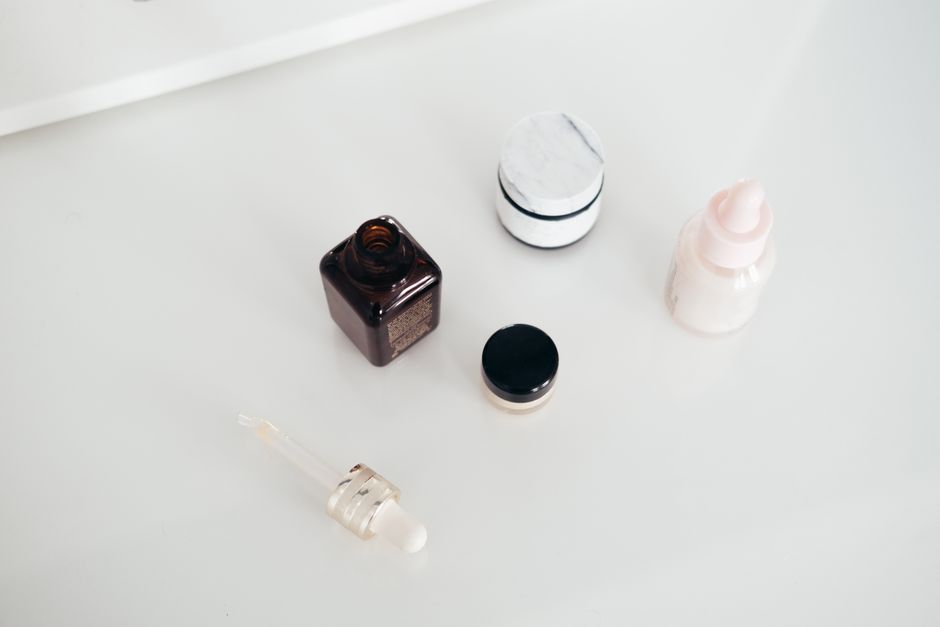
OTC products are generally effective for mild acne, while moderate to severe cases often necessitate prescription-strength solutions. The way these treatments work varies: some target acne-causing bacteria, others reduce excess oil, some exfoliate dead skin cells, and many work to calm inflammation.
Here's a quick comparison of some of the most common and effective ingredients:
| Ingredient |
Benefits |
Risks |
Best for Which Acne Type |
| Benzoyl Peroxide |
Kills acne-causing bacteria (P. acnes), removes excess oil, helps shed dead skin cells. |
Dryness, scaling, irritation, burning, stinging. Can bleach hair and clothing. |
Mild to moderate inflammatory acne (papules, pustules). |
| Salicylic Acid |
Unclogs pores by dissolving dead skin cells and oil, exfoliates within the pore, has anti-inflammatory properties. |
Mild stinging, skin discoloration, minor irritation. |
Blackheads, whiteheads, mild inflammatory acne. Good for oily skin. |
| Adapalene |
A retinoid that normalizes skin cell turnover, prevents new breakouts by unclogging pores, reduces inflammation. |
Dry skin, scaling, inflamed skin, stinging (usually subsides). Increases sun sensitivity. |
Mild to moderate comedonal and inflammatory acne. |
| Azelaic Acid |
Prevents pore plugging, mildly antibacterial, reduces inflammation, helps correct post-inflammatory hyperpigmentation (dark spots). |
Mild stinging, irritation. |
Mild to moderate inflammatory acne, rosacea, dark spots. Safe for pregnancy. |
| Alpha Hydroxy Acids (AHAs) |
Exfoliates dead skin cells on the surface, improves skin texture, calms inflammation, promotes new skin cell growth. |
Sun sensitivity, redness, irritation (especially at higher concentrations). |
Mild acne, improving skin texture, fading post-acne marks. |
| Niacinamide |
Reduces inflammation and redness, improves skin barrier function, helps regulate oil production. |
Generally well-tolerated; rare flushing or irritation at high concentrations. |
Mild to moderate inflammatory acne, redness, improving overall skin health. |
| Sulfur |
Draws out excess oil, has mild antiseptic properties, helps dry out blemishes. |
Can be drying, distinctive odor. |
Mild inflammatory acne, spot treatments for individual pimples. |
The Powerhouse Ingredients That Fight Acne
Let's take a closer look at the key active ingredients we rely on for the
best skin care acne treatment:
- Benzoyl Peroxide (BP): This ingredient is a true workhorse. It effectively kills P. acnes bacteria, which contributes to inflammatory acne, and also helps to shed dead skin cells and reduce excess oil. Interestingly, studies show that lower strength benzoyl peroxide products (2.5%) are as effective as higher strength preparations (up to 10%) but with significantly fewer side effects like dryness and irritation. We often recommend starting with a lower strength.
- Salicylic Acid (BHA): A beta hydroxy acid, salicylic acid is oil-soluble, meaning it can penetrate into the pore lining to dissolve clogs. It exfoliates from within the pore, making it excellent for treating blackheads, whiteheads, and preventing new breakouts. It also boasts anti-inflammatory properties.
- Adapalene (Retinoid): Adapalene gel 0.1% (like Differin) is a topical retinoid available over-the-counter. Retinoids are vitamin A derivatives that normalize skin cell turnover, preventing follicles from becoming clogged. They also reduce inflammation. Adapalene is a fantastic option for treating existing acne and preventing future breakouts, offering a milder alternative to some prescription retinoids.
- Azelaic Acid: This naturally occurring acid is a bit of a multi-tasker. It helps prevent pore plugging, has mild antibacterial properties, and significantly reduces inflammation. A major bonus? It's effective at correcting post-inflammatory hyperpigmentation (PIH), those pesky dark spots left after a pimple heals. It's also considered a safe option during pregnancy and breastfeeding, making it a valuable alternative.
- Alpha Hydroxy Acids (AHAs): Ingredients like Glycolic Acid and Lactic Acid are AHAs. They work on the skin's surface to exfoliate dead skin cells, helping to improve skin texture, calm inflammation, and spur new, smoother skin growth. This can also improve the appearance of acne scars and pores.
- Niacinamide: Also known as Vitamin B3, Niacinamide is a potent anti-inflammatory ingredient. It helps reduce redness, calms irritation, and can even help to improve the skin's barrier function, making it a great addition to any acne regimen, especially for sensitive skin.
- Sulfur: Often found in masks and spot treatments, sulfur works by drawing out excess oil from clogged pores and has mild antiseptic properties. It's effective at drying out individual blemishes.
For a comprehensive medical review of acne management, you can consult
Management of Acne Vulgaris : A Review .
The format of your acne treatment plays a significant role in its effectiveness and how it integrates into your daily routine.
- All-Over Treatments (Cleansers, Serums, Moisturizers): These are the foundation of any effective acne regimen.
- Cleansers: Incorporating an active ingredient like salicylic acid or benzoyl peroxide into your cleanser allows for daily treatment. These products are designed to be used over the entire acne-prone area, not just on individual spots, to treat existing acne and prevent future breakouts.
- Serums: Often lightweight and concentrated, serums can deliver potent active ingredients like adapalene, azelaic acid, or niacinamide more directly to the skin.
- Moisturizers: Crucial for all skin types, even oily. Look for non-comedogenic, fragrance-free formulas. Gel moisturizers are generally preferred for oily or combination skin due to their lightweight nature, while cream moisturizers offer deeper hydration for dry or sensitized skin.
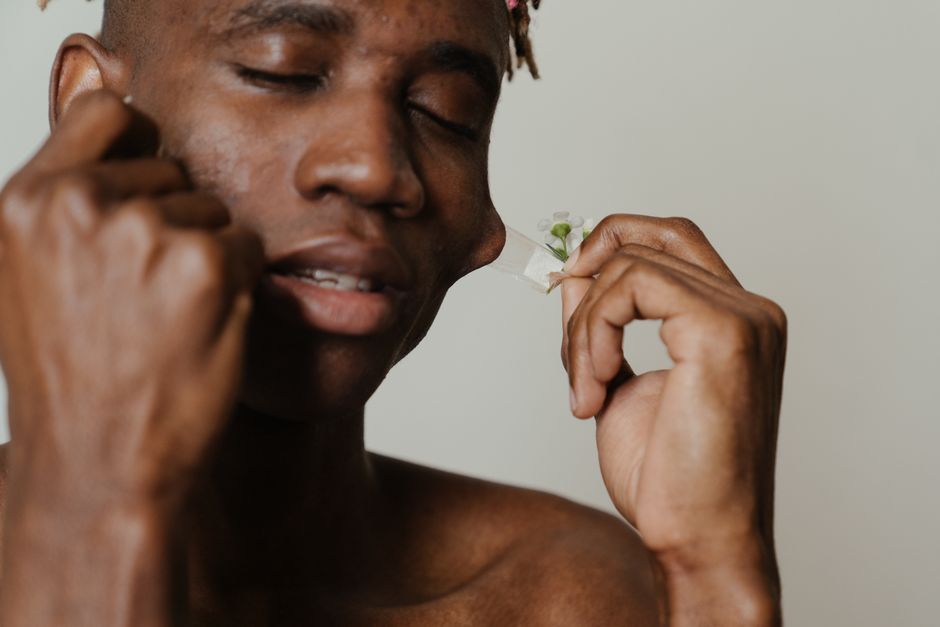
- Spot Treatments (Gels, Creams, Patches): These are "on-the-spot fixes" designed to tackle individual flare-ups head-on. Ingredients like benzoyl peroxide or sulfur are common in these. Hydrocolloid patches are also popular for their ability to absorb fluid from pimples and protect them. While useful for quick relief, spot treatments are secondary to a consistent all-over regimen.
- Masks (Clay, Exfoliating): Deep cleansing masks, often containing clay or sulfur, can draw out impurities and excess oil. Exfoliating masks with AHAs or BHAs can provide a deeper exfoliation. We recommend using these once to twice a week maximum to avoid stressing your skin barrier.
When choosing, always opt for products labeled "non-comedogenic" (won't clog pores) and ideally "fragrance-free," especially if you have sensitive skin. For personalized guidance and professional treatments that complement your at-home routine, explore our
acne facials at SA Blissful Spa.
Building Your Routine & Avoiding Common Mistakes
Consistency is the unsung hero of any successful skincare journey, especially when it comes to acne. Think of your routine as a marathon, not a sprint.
It's important to set realistic expectations. You can expect to see fewer breakouts in 4 to 8 weeks, and significant clearing of acne in 16 weeks after starting a new medication or routine, provided you use it consistently and as directed. For nonprescription products, it may take 2 to 3 months of daily use before you see results. Patience and persistence are paramount!
Beyond products, lifestyle factors play a significant role in managing acne:
- Diet: While there isn't definitive evidence supporting a specific "acne diet," maintaining a balanced diet is good for overall well-being. Some individuals find that high glycemic index foods or dairy can exacerbate breakouts, but this varies greatly.
- Stress: Stress can absolutely worsen acne. When you're stressed, your body produces more hormones like cortisol, which can increase oil production. Incorporating stress-reducing activities like adequate sleep, exercise, and relaxation techniques can be beneficial.
- Hygiene: Gentle and consistent cleansing is key. Ensure you're using non-oily or water-based products for your face and hair. Showering after strenuous activities is also important to wash away sweat and oil that can contribute to body acne.
How to Apply Your Acne Medication for Optimal Results
Applying your products correctly can make all the difference:
- Start Slow with New Actives: Introduce new active ingredients gradually (e.g., every other day) to allow your skin to adjust and minimize irritation, especially for potent ingredients like retinoids or benzoyl peroxide.
- Apply a Thin Layer to the Entire Acne-Prone Area: This is a game-changer. Instead of just dabbing medication on existing pimples, apply a thin layer to the entire area where you typically break out (e.g., forehead, chin, full face). This treats current blemishes and, more importantly, prevents the next breakout from forming.
- Don't Just Spot Treat: While spot treatments have their place for emergencies, relying solely on them misses the opportunity to prevent future acne.
- Follow with a Non-Comedogenic Moisturizer: Acne treatments can be drying. A good non-comedogenic, fragrance-free moisturizer helps maintain your skin barrier, reducing irritation and promoting healing.
- Importance of SPF: This cannot be stressed enough! Many acne treatments, especially retinoids and AHAs, increase your skin's sun sensitivity. UV exposure can also worsen inflammation and darken post-acne marks. Use an oil-free, non-comedogenic, broad-spectrum SPF 30 or higher every single day, even indoors.
Common Mistakes to Avoid When Treating Acne at Home
We've all been there, desperate for clear skin and trying everything. But some common practices can actually make acne worse:
- Over-Exfoliating: While exfoliation is beneficial, doing it too often or using too many strong exfoliants can strip your skin's natural barrier, leading to irritation, redness, and even more breakouts.
- Picking or Popping Pimples: This is a big no-no! Squeezing, popping, or picking at blemishes can push bacteria deeper into the skin, increase inflammation, prolong healing, and lead to permanent scars and dark spots.
- Using Harsh Scrubs: Abrasive facial scrubs can irritate inflamed skin, spread bacteria, and worsen acne. Opt for gentle chemical exfoliants (like AHAs or BHAs) or soft cloths instead.
- Trying Too Many New Products at Once: It's tempting to throw everything at acne, but introducing too many new products simultaneously makes it impossible to tell what's working or what's causing irritation. Introduce one new product at a time and patch test if you have sensitive skin.
- Skipping Moisturizer: Fear of making oily skin worse often leads people to skip moisturizer. This backfires, as dehydrated skin can produce more oil to compensate, and a compromised skin barrier is more susceptible to irritation and breakouts.
- Using DIY Treatments like Toothpaste: Absolutely not! Toothpaste contains abrasive ingredients, whitening agents, and flavors that can severely irritate and harm your skin without offering any acne-fighting benefits. Similarly, lemon juice (highly acidic, increases sun sensitivity) and baking soda (disrupts pH) are harmful. Rely on clinically proven ingredients instead.
Professional Help: When At-Home Care Isn't Enough
Sometimes, despite our best efforts with at-home routines, acne persists. This is when professional guidance becomes invaluable. At SA Blissful Spa, we understand that the
best skin care acne treatment often involves a partnership between your consistent home care and expert in-spa therapies.
Our skilled estheticians play a crucial role in complementing dermatological treatments. We can provide deep cleansing, gentle extractions, and soothing therapies that support your skin's healing process, reduce inflammation, and improve overall skin health. For more advanced needs, we offer various clinical treatments designed to tackle stubborn acne and its after-effects. Find more about our offerings in
clinical treatments.
Finding the best skin care acne treatment with professional guidance
When at-home solutions fall short, in-office procedures can offer significant breakthroughs:
- Chemical Peels: These treatments use various acids (like salicylic, glycolic, or retinoic acid) to exfoliate the top layers of skin. This process helps to unclog pores, reduce inflammation, improve skin texture, and fade post-acne marks and shallow scars. Repeated applications are often needed for optimal results. If you're curious about this option, learn more about chemical peels for acne.
- LED Light Therapy: This non-invasive treatment uses specific wavelengths of light to target acne. Blue light therapy is effective at killing acne-causing bacteria, while red light therapy reduces inflammation and promotes healing. Many of our clients in Burlington, MA and surrounding towns like Lexington, MA and Woburn, MA find this a soothing and effective addition to their regimen.
- Microneedling for Scarring: For textural acne scars, microneedling creates tiny micro-injuries in the skin, stimulating collagen and elastin production. This process helps to resurface the skin and improve the appearance of depressed scars over time.
- Extractions: Performed by a trained esthetician, professional extractions safely remove blackheads and whiteheads that haven't cleared with topical medications. This prevents them from progressing into inflammatory lesions and minimizes the risk of scarring, something we frequently perform at our Burlington, MA spa.
How to Manage Post-Inflammatory Hyperpigmentation (Dark Spots)
Post-inflammatory hyperpigmentation (PIH) refers to the dark spots (red, brown, or black) that can linger long after an acne lesion has healed. These are a common concern, especially for individuals with darker skin tones, and are a sign of significant skin inflammation. Managing PIH requires a multi-pronged approach:
- Sunscreen is Non-Negotiable: UV exposure is the primary factor that makes PIH darker and last longer. Daily, diligent use of broad-spectrum SPF 30+ is absolutely essential to prevent existing spots from worsening and to protect new skin.
- Ingredients like Vitamin C and Niacinamide: These powerful antioxidants and anti-inflammatory agents can help to brighten the skin and fade dark spots over time. Look for serums incorporating these ingredients.
- Professional Treatments for Stubborn Marks: For more persistent PIH, professional treatments like chemical peels (especially those with azelaic acid or glycolic acid) can accelerate the fading process. Prescription-strength azelaic acid is particularly effective for PIH. Learn more about managing these marks with our guide on hyperpigmentation scar treatment.
Frequently Asked Questions about Acne Treatments
We get a lot of questions about acne, and we're always happy to provide clear answers. Here are some of the most common ones:
How long does it typically take to see results from acne treatments?
Patience, dear friend, is a virtue in skincare! While you might see initial improvements, such as fewer new breakouts, within
4 to 8 weeks, it can take up to
16 weeks of consistent daily use to see significant clearing of your acne. For some nonprescription products, it may even take 2 to 3 months before results are noticeable. The key takeaway here is
consistency is key. Skipping days or giving up too soon can negate any progress made.
How does skin type influence the choice of acne treatment products?
Your unique skin type profoundly influences which products will be the
best skin care acne treatment for you:
- Oily Skin: If your skin is prone to excess shine, we recommend lightweight, gel-based cleansers and moisturizers. Salicylic acid is often a hero ingredient here, as it's oil-soluble and excels at decongesting pores. Benzoyl peroxide can also be very effective, and oily skin types might tolerate slightly higher strengths.
- Dry/Sensitive Skin: For those with dry, easily irritated, or sensitive skin, a gentler approach is necessary. Opt for creamy, hydrating cleansers that don't strip your skin. Lower strengths of active ingredients are crucial (e.g., 2.5% benzoyl peroxide, 0.1% adapalene). Azelaic acid is an excellent choice due to its anti-inflammatory properties and generally good tolerability. Look for products rich in ceramides and hyaluronic acid to support your skin barrier.
- Combination Skin: This skin type often requires a targeted approach. You might use salicylic acid on oilier, acne-prone areas (like the T-zone) and gentler, hydrating products on drier areas. A balanced routine that addresses both concerns is essential.
Are there any at-home acne treatments that are not recommended by dermatologists?
Yes, absolutely! While some home remedies are harmless, others can cause significant irritation and damage, making your acne worse. Dermatologists and estheticians universally advise against these:
- Toothpaste: As we mentioned earlier, toothpaste is for teeth, not pimples! It contains harsh ingredients like fluoride, baking soda, and menthol that can cause severe dryness, redness, irritation, and even chemical burns on delicate facial skin. It does not contain acne-fighting ingredients.
- Lemon Juice: The high acidity of lemon juice can disrupt your skin's natural pH balance, leading to irritation, increased sun sensitivity (phytophotodermatitis), and potentially worsen post-inflammatory hyperpigmentation.
- Baking Soda: Baking soda is highly alkaline and can severely disrupt your skin's acid mantle, leading to extreme dryness, irritation, and a compromised skin barrier, making it more vulnerable to bacteria and environmental damage.
These DIY solutions are not only ineffective but can also cause lasting harm. Stick to scientifically proven ingredients and professional advice for the
best skin care acne treatment.
Your Path to Clearer Skin Starts Here
Navigating the journey to clear skin can feel challenging, but with the right knowledge and tools, it's an achievable goal. We've explored the nuances of acne—from understanding its severity levels and the powerhouse ingredients that combat it, to building an effective routine and knowing when to seek professional help. The
best skin care acne treatment is ultimately one that is custom, consistent, and patient.
At SA Blissful Spa, we believe in empowering you with education and providing expert, personalized care. We offer a range of targeted treatments, from customized facials and chemical peels to advanced light therapies, designed to complement your home care and accelerate your results. Our goal is not just to treat acne, but to restore your skin's health and your confidence in a serene, blissful environment right here in Burlington, MA, serving our wonderful communities in Arlington, Bedford, Belmont, Billerica, Carlisle, Concord, Lexington, Lincoln, Melrose, North Reading, Reading, Stoneham, Wakefield, Watertown, Wilmington, Winchester, and Woburn.
For a personalized assessment and treatment plan designed to help you achieve your clearest, healthiest skin, we invite you to explore our advanced
facial services and begin your journey with us.