Does Waxing Damage Skin? Here's What You Need to Know First
Does waxing damage skin? The short answer is: not permanently, when done correctly. But waxing can cause short-term side effects, and certain situations do increase your risk of real skin damage.
Here's a quick breakdown:
| Concern | What Actually Happens |
|---|---|
| Permanent skin damage | Rare; unlikely with proper technique and aftercare |
| Redness and irritation | Common; usually resolves within 24 hours |
| Ingrown hairs | Possible; preventable with good aftercare |
| Wrinkles from waxing | Not proven; improper technique may contribute over time |
| Skin darkening | Can happen due to post-inflammatory hyperpigmentation |
| Burns or scarring | Rare; more likely with at-home waxing or improper technique |
| Who should avoid waxing | Retinol users, sunburned skin, those on acne medication |
There's a lot of conflicting information out there — some sources say waxing is completely harmless, others make it sound like your skin will never recover. The truth, as usual, is somewhere in the middle.
I'm Saloni Bhandari, a licensed esthetician and founder of SA Blissful Spa in Burlington, MA, with years of hands-on experience helping clients navigate questions like does waxing damage skin safely and confidently. In the sections below, I'll walk you through exactly what waxing does to your skin — short-term and long-term — so you can make the best choice for your skin health.
Relevant articles related to Does waxing damage skin?:
How Waxing Works and Does Waxing Damage Skin?
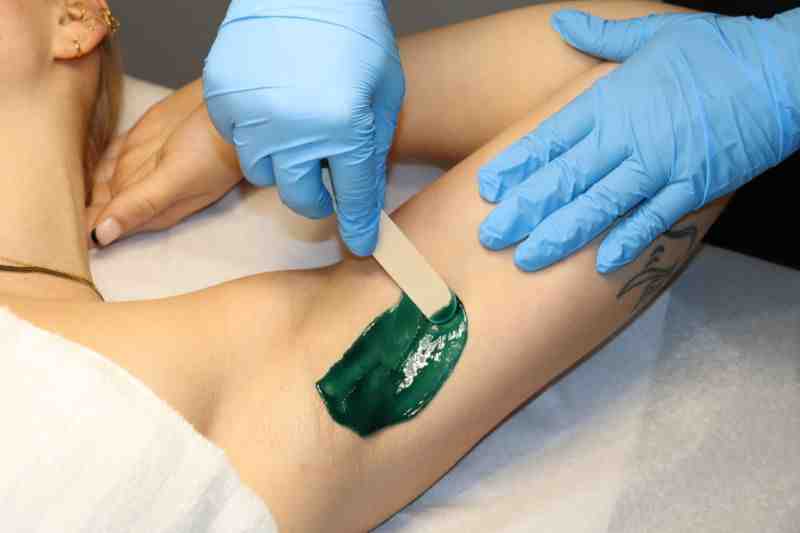
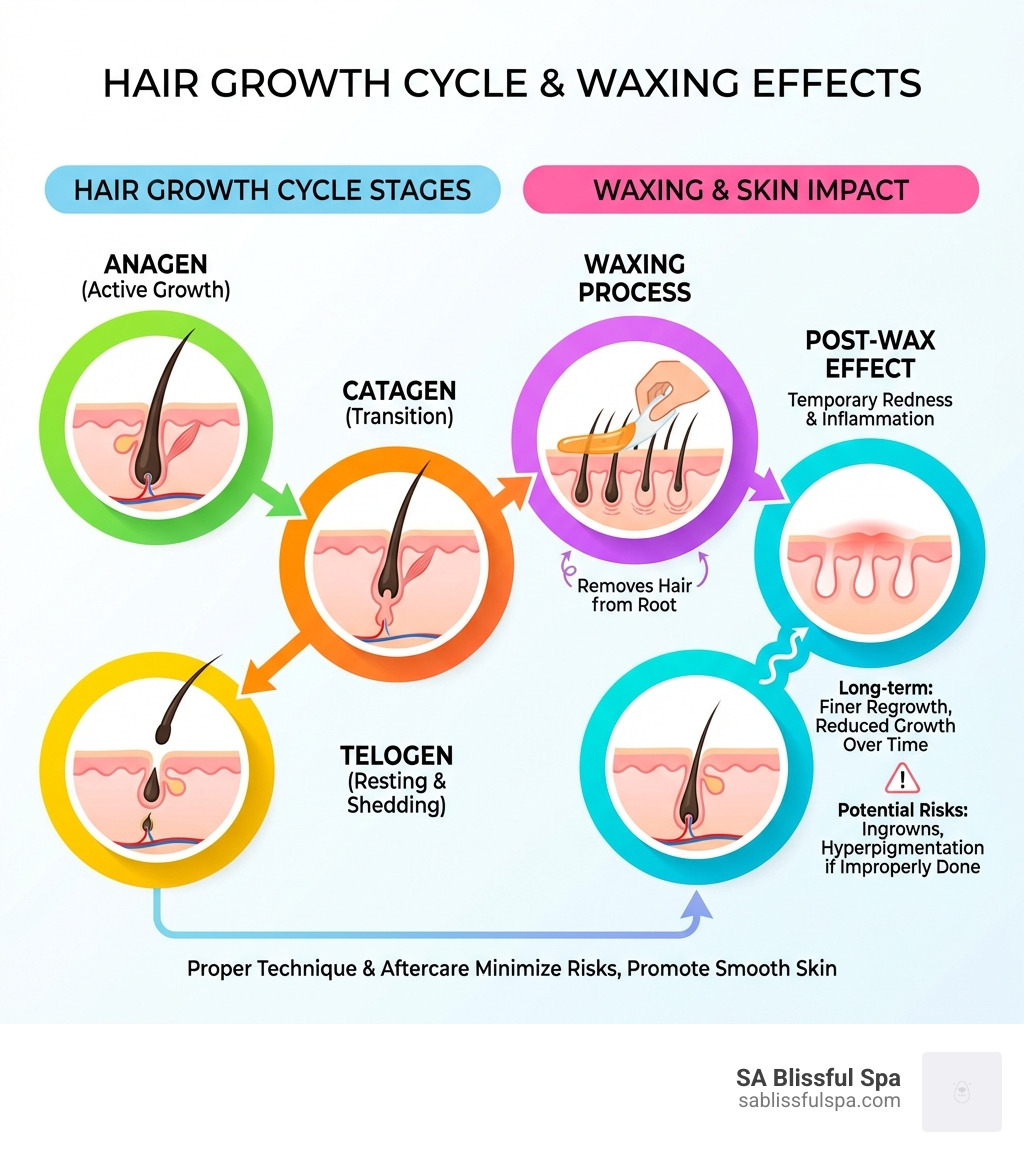
To understand if Does waxing damage skin?, we first need to look at the anatomy of the hair follicle. Unlike shaving, which simply blunts the hair at the surface, waxing is a form of epilation. This means we are applying a sticky substance—either hard or soft wax—that grips the hair and pulls the entire strand, root and all, out of the follicle.

When we perform a wax, several things happen simultaneously. First, the hair is removed from the bulb, which is why the results last so much longer than shaving. Second, waxing acts as a powerful exfoliant. As the wax is removed, it takes a layer of dead skin cells with it. This is often why waxing is the best hair removal option for achieving that "glowy" look; it’s essentially a physical peel and hair removal session in one.
However, because the wax adheres to the skin (especially soft wax), it can cause "epidermal lifting." This is when the very top layer of the skin is pulled a bit too aggressively. While this isn't permanent damage, it does temporarily weaken the skin barrier. To minimize this risk, we always ensure the hair is the correct length—between 1/4-inch and 1/2-inch (about the size of a grain of wild rice). If it's too short, the wax won't grip; if it's too long, it can lead to hair breakage or unnecessary skin tugging.
Short-Term Side Effects vs. Long-Term Skin Health
Most people will experience some form of reaction after a session. The most common is redness and slight irritation, which is simply the skin's way of saying, "Hey, what just happened?" In some cases, you might see small red bumps. This is often folliculitis, an inflammation of the hair follicles. While it looks scary, it’s usually temporary and can be calmed with a bit of hydrocortisone cream.
Another common side effect is a histamine reaction, where the skin develops hives or itchy welts. This isn't "damage"; it’s just your immune system responding to the "trauma" of hair removal. Proper after-wax care for sensitive skin—such as applying aloe vera or cold compresses—can settle these symptoms within a few hours to a day.
Does waxing damage skin elasticity or cause wrinkles?
One of the biggest myths we hear is that the repetitive pulling of wax causes the skin to sag or develop premature wrinkles. While it’s true that excessive "tugging" isn't great for collagen fibers, professional waxing involves holding the skin taut before the pull. This prevents the skin from stretching unnecessarily.
So, is face waxing safe for sensitive skin in the long run? Yes, provided the technician uses the correct technique. Significant skin sagging is more likely to be a result of natural aging and sun exposure rather than a monthly waxing appointment.
Does waxing damage skin by causing hyperpigmentation?
Hyperpigmentation—or skin darkening—is a valid concern. When the skin is irritated, it may produce extra melanin as a defense mechanism, leading to post-inflammatory hyperpigmentation (PIH). This is sometimes why people ask, does waxing cause dark upper lip?
The "darkness" is often not from the wax itself, but from the skin being extra sensitive to UV rays immediately after the treatment. Because waxing removes that protective layer of dead skin, the "new" skin underneath is highly susceptible to sun damage. We always emphasize UV protection and avoiding direct sunlight for at least 24 to 48 hours post-wax to prevent this melanin response.
Facial Waxing Risks and Retinol Precautions
The face is a unique challenge because the skin is significantly thinner than on the legs or back. This makes facial hair removal a high-stakes game. The biggest risk factor today isn't the wax itself—it's the skincare products you use at home.
If you use acne products or anti-aging creams containing retinol, your skin barrier is chemically thinned. Waxing while using these products can lead to "skin lifting," where the wax takes the living skin with it, resulting in scabbing, raw patches, or even scarring. To keep your skin safe, we recommend choosing the best face wax for sensitive skin (usually a high-quality hard wax) and pausing your retinoids for at least 3 to 7 days before your appointment.
Comparing Waxing to Other Hair Removal Methods
When deciding on a method, it helps to see how they stack up in terms of skin safety and longevity.
| Method | Longevity | Skin Impact | Best For |
|---|---|---|---|
| Waxing | 3-4 Weeks | Exfoliates; pulls from root | Most body areas; long-term smoothness |
| Shaving | 1-3 Days | Risk of razor burn and cuts | Large areas (legs) for quick fixes |
According to experts like Shilpi Khetarpal, MD, the choice between waxing or shaving often comes down to personal skin sensitivity. While shaving is painless, it can cause chronic irritation for those prone to ingrowns. Professional waxing provides a deeper level of hair removal that keeps skin smoother for significantly longer, making it a preferred choice for those seeking a low-maintenance routine.
Average Costs of Hair Removal
If you're budgeting for your beauty routine, here is a general idea of what you might expect to pay. Please note that these are average costs based on internet data and are not the actual costs for services at SA Blissful Spa.
- Eyebrow/Lip Wax: $15 – $75
- Bikini/Brazilian Wax: $40 – $180
- Full Leg Wax: $60 – $250
As you can see, the price range is wide, with high-end luxury treatments often costing 3x or more than the average "quick" salon visit.
Who Should Avoid Waxing and How to Protect Your Skin
Not everyone is a candidate for waxing. You should avoid it if you have:
- Sunburned, broken, or severely irritated skin.
- Taken oral retinoids (like isotretinoin) in the last 6 to 12 months.
- Used topical retinoids in the last week.
- Active breakouts or undiagnosed skin rashes.
Understanding your skin type is essential. For those with sensitive skin, we often recommend hard waxing. Hard wax shrink-wraps the hair and does not stick to the skin, which significantly reduces trauma. This makes it the best underarm wax for sensitive skin and the gold standard for a bikini wax for sensitive skin. Choosing the right wax type is the best way to ensure you don't end up asking "does waxing damage skin?" after your appointment.
Frequently Asked Questions about Waxing Safety
How long do waxing results last?
Typically, results last 3 to 4 weeks. This depends on your individual hair growth cycle. Because we are removing the hair from the root, it takes much longer to reach the surface than it does after shaving. Regular maintenance every 4 to 6 weeks helps keep the hair in the same growth phase for more consistent results. You might also wonder, does waxing upper lip cause more hair growth? The answer is no—it actually does the opposite!
Does hair grow back thicker after waxing?
This is a common fear, but the science says otherwise. Because waxing can eventually damage the hair bulb, many people find they have finer regrowth and a softer texture over time. If you’ve wondered, does hair grow back thicker after waxing upper lip, rest assured that it usually grows back thinner and more sparse with consistent sessions.
Is waxing better than shaving for sensitive skin?
For many, yes. While the initial pull is more painful, waxing eliminates the daily friction of a razor blade. It provides deep exfoliation and prevents the "stubble itch" and razor rash that often plague those with sensitive skin.
Conclusion
At SA Blissful Spa, we believe that hair removal should be a part of your wellness journey, not a source of stress. Whether you are visiting us from Burlington, MA, or surrounding areas like Lexington, Woburn, or Winchester, our goal is to provide expert, tailored treatments that prioritize your skin health.
Does waxing damage skin? Only if you don't have a pro in your corner! Our professional estheticians are trained to assess your skin type and use the safest techniques possible to ensure rejuvenation rather than irritation. Ready for a glow-up? Explore our eyebrow shaping services and experience the blissful difference for yourself.