Open uping Smooth Skin: The Best Face Wax for Sensitive Skin
When it comes to finding the
best face wax for sensitive skin, hard wax is often your top choice. This type of wax is gentle and adheres to the hair, not your delicate skin, greatly reducing irritation and discomfort.
Here's why hard wax stands out for sensitive facial skin:
- Adheres to Hair, Not Skin: Less pulling and tugging on your complexion.
- Reduced Irritation: Minimizes redness and bumps.
- Ideal for Delicate Areas: Perfect for upper lip, eyebrows, and chin.
- Low Melting Point: Safer and more comfortable for sensitive areas.
Trying to find a facial hair removal method that doesn't leave your sensitive skin red and irritated can feel like a constant battle. We understand the frustration of wanting smooth skin without the discomfort. But achieving a calm, hair-free complexion through waxing is absolutely possible.
This comprehensive guide will walk you through choosing the right wax, mastering the technique, and providing the essential care for a beautifully smooth and calm complexion.
As Saloni Bhandari, founder of SA Blissful Spa, I've spent years helping clients achieve radiant skin. My passion lies in understanding unique skin needs, especially when it comes to guiding you toward the
best face wax for sensitive skin.
Decoding Sensitive Skin: What It Means for Facial Waxing
Before we dive into the wonderful world of waxes, let's first chat a bit about sensitive skin. What exactly makes skin "sensitive," and why does it sometimes seem to have a mind of its own, especially when it comes to something like waxing?
At its heart, sensitive skin means your skin has a
weaker protective barrier. Think of your skin's barrier like a friendly bodyguard that keeps unwanted guests (irritants!) out and good stuff (moisture!) in. For sensitive skin, this bodyguard might be a little under the weather, letting irritants sneak in more easily. This leaves your skin more vulnerable and
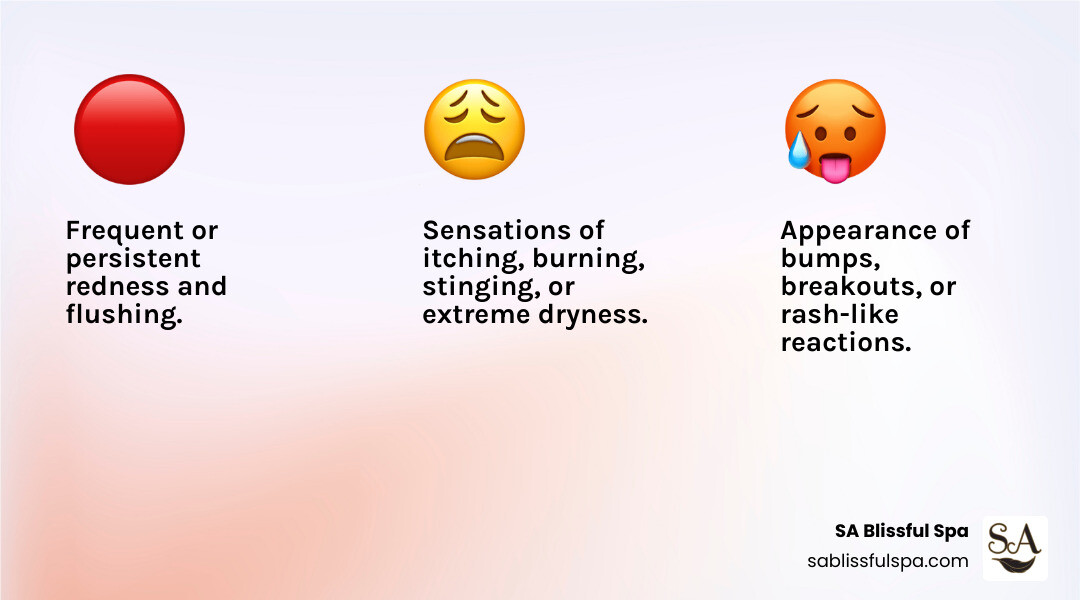
prone to inflammation. That's why you might see redness, feel itching or burning, or even notice dryness.
Now, what causes this sensitivity? It's often a mix of things, unique to each of us! Sometimes, it's simply a matter of
genetics – a trait passed down from Mom or Dad. Other times, it can be brought on or made worse by harsh
skincare products, various
environmental factors like pollution or extreme weather, or even those pesky
hormonal changes. Underlying conditions like eczema or
rosacea can also make your skin extra sensitive. We've certainly noticed that how skin reacts to waxing can be very personal; oily or acne-prone skin might experience breakouts, while dry or normal skin might sail through without a hitch.
When sensitive skin meets waxing, those typical symptoms can really ramp up. You might notice more intense
redness, tiny little
bumps (often called "histamine reactions"), a feeling of
itching, or even a
burning sensation. So, why is waxing, a method we love for its long-lasting smoothness, such a tricky dance for sensitive skin?
It really comes down to a few key actions. First, there's the
heat application. Even though waxes for sensitive skin melt at lower temperatures, any warmth can be a trigger for easily reactive skin. Then, we have the
physical pulling action. While it's super effective at removing hair right from the root, that sudden pull can feel like a mini-trauma to sensitive skin, leading to irritation. And finally, waxing isn't just about hair removal; it also acts as a gentle
exfoliation of the top skin layer. While this is usually a good thing for many, it can be a bit too much for an already delicate, compromised skin barrier, leaving it feeling exposed and more reactive.
The skin on your face is naturally thinner and more delicate than skin elsewhere on your body. It's also constantly exposed to everything around us, making it extra reactive. Understanding these delicate nuances is the very first step toward finding the
best face wax for sensitive skin and ensuring your waxing experience is as comfortable and effective as possible.
The Ultimate Guide to the Best Face Wax for Sensitive Skin
This section will explore the different types of wax and what makes a formula suitable for delicate facial areas. We want you to feel empowered to choose the perfect wax that will treat your delicate facial skin with the kindness it deserves.
Hard Wax: The Top Choice for Delicate Areas
When it comes to finding the
best face wax for sensitive skin, hard wax (also known as stripless wax) consistently comes out on top. And for good reason! This type of wax is truly a gentle giant in the waxing world.
The magic of hard wax lies in its unique adherence. Unlike soft wax, hard wax clings only to the hair, not the skin. This means when it's removed, there's significantly less pulling and tugging on your delicate facial complexion. The result? A much less painful experience and dramatically reduced irritation, redness, and bumps. Because it adheres to the hair and not the skin, it minimizes the risk of lifting or damaging the skin, which is crucial for sensitive areas.
Hard waxes also typically melt at a lower temperature compared to traditional soft waxes, making them safer and more comfortable for sensitive areas like the upper lip, eyebrows, and chin. Its creamy consistency allows for precise application, which is essential for those smaller, more intricate facial zones. Dermatologists often recommend hard wax for sensitive facial areas due to its less traumatic action on the skin.
For those considering at-home waxing, hard wax beads are a fantastic option, as they can be easily melted in a wax warmer and applied with a spatula. This gives you greater control over application and temperature.
For more in-depth information on how this amazing product works, explore our guide on
More info about Hard Wax Hair Removal.
Soft Wax and Sugar Wax: Other Gentle Options
While hard wax often reigns supreme for sensitive facial skin, it's worth understanding other options that can also be gentle, depending on your skin's specific needs and the area being waxed.
Soft Wax (Strip Wax): This is the more traditional type of wax, spread thinly over the skin and removed with a cloth or paper strip. Soft wax adheres to both the hair and the skin, which means it provides excellent exfoliation in addition to hair removal. However, this dual adherence can sometimes lead to a higher risk of irritation, redness, or even skin lifting for very sensitive skin types, especially on delicate facial areas. While efficient for larger body areas, we generally advise caution when using soft wax on the face if you have particularly reactive skin. If you do opt for soft wax on your face, ensure the product is specifically labeled for facial use and that it contains soothing ingredients.
Sugar Wax: Ah, sugar wax – the sweet alternative! This natural paste, typically made from sugar, lemon juice, and water, is a fantastic option for sensitive skin. It's applied against the direction of hair growth and flicked off in the direction of hair growth, which can be less painful for some than traditional waxing. Like hard wax, sugar wax primarily adheres to the hair and dead skin cells, not live skin, reducing trauma. It's also water-soluble, meaning any residue can be easily rinsed off with warm water, leaving no sticky aftermath. Sugar waxing offers gentle exfoliation and can be a wonderful choice for those seeking a truly natural and mild hair removal method for their face. Its gentle nature makes it an excellent contender for the
best face wax for sensitive skin.
Key Ingredients to Look For in a Face Wax for Sensitive Skin
When selecting a face wax, especially if your skin tends to be reactive, the ingredient list is your best friend. Look for formulations that are designed to soothe, protect, and minimize irritation. Here are the heroes we look for:
- Soothing Botanicals: Ingredients like chamomile, aloe vera, and lavender are powerhouses for calming irritated skin. Chamomile, in particular, is renowned for its skin-calming properties. Azulene, often derived from chamomile, is another excellent anti-inflammatory ingredient.
- Natural Moisturizers: Components such as shea butter, cocoa butter, and beeswax provide a protective barrier and help keep the skin hydrated during the waxing process. Plant oils like coconut, olive, jojoba, and tea tree oil also offer nourishing and anti-inflammatory benefits. Rose hip oil and castor oil, found in some sensitive formulas, also contribute to skin relief and moisture.
- Hypoallergenic Formulas: These waxes are specifically designed to reduce the risk of allergic reactions. They often have a low melting point, which means they don't need to be heated to extremely high temperatures, providing a less traumatic experience for your skin by adhering to the hair without aggressively sticking to your skin.
By choosing waxes rich in these gentle, skin-loving ingredients, you're setting your sensitive skin up for a much happier waxing experience.
Ingredients to Avoid for a Calm Complexion
Just as important as knowing what to look for, is knowing what to steer clear of. Certain ingredients can be major culprits for irritating sensitive skin. To keep your complexion calm and happy, we advise avoiding waxes that contain:
- Artificial Fragrances: While a pleasant scent might seem appealing, synthetic fragrances are a common trigger for skin irritation and allergic reactions, especially on delicate facial skin.
- Synthetic Dyes: Similar to fragrances, artificial colors serve no benefit to your skin and can provoke sensitivity.
- Harsh Chemical Resins: Some waxes use lower-quality resins that can be overly aggressive on the skin. Look for waxes made with high-quality, hypoallergenic resins.
- Parabens and Phthalates: These preservatives and plasticizers, while common in many products, can be problematic for sensitive skin. We always advocate for "blissfully-free" products that skip these.
- Alcohol: Alcohol can be very drying and irritating, stripping your skin of its natural oils and weakening its protective barrier.
Always remember, your sensitive skin deserves the highest quality products. Opting for salon-grade options that are specifically intended for facial use and free from these potential irritants is a key step in finding the
best face wax for sensitive skin.
Your Pre-Waxing Playbook: How to Prep Sensitive Skin

A little preparation dramatically reduces redness, bumps, and post-wax discomfort. Think of the steps below as a mini warm-up that gets your skin ready for its best performance.
Cleanse, Exfoliate, and Moisturize ‑ The Essential Trio
- Cleanse – On waxing day wash the area with a gentle, alcohol-free cleanser to remove makeup, oil, and sunscreen. Wax grips hair, not debris.
- Exfoliate – 24–48 hours beforehand, lightly buff the skin with a soft cloth or mild scrub to lift dead cells that can trap hairs. Skip strong acids or retinoids right before waxing.
- Moisturize – Well-hydrated skin is more pliable and less reactive. Moisturize daily, but leave the skin product-free for at least eight hours before waxing so the wax can adhere properly.
Patch Test & Perfect Hair Length
- Patch test – At least 24 hours before your full service, place a tiny dot of melted wax on a discreet spot such as behind the ear. If excess redness, itching, or swelling appear, choose a different formula.
- Hair length – Aim for ¼ inch (about the size of a grain of rice). Hair that is shorter may be missed; much longer hair can pinch and sting.
Following these simple rules sets the stage for a smoother, calmer wax and helps even the most sensitive complexions stay happy.
The Gentle Art of At-Home Facial Waxing

With the right tools and a patient hand, you can achieve spa-level results at home.
Step-by-Step Application & Removal
- Set up – Work in a clean, well-lit space. Heat hard wax to a thick, honey-like consistency (about 150 – 170 °F, or lower if the product specifies).
- Test temperature – Dab a little wax on the inside of your wrist; it should feel comfortably warm, never hot.
- Apply – Using a spatula, spread wax in the direction of hair growth in small sections while holding the skin taut with your free hand.
- Remove – Once the wax cools and firms, swiftly pull it off parallel to the skin and against hair growth. Immediately press your hand on the area to calm the sting.
Need more detail for tricky spots? See our guide on
how to wax your upper lip at home.
Common Mistakes to Avoid
- Overheating wax – Too-hot wax burns and inflames sensitive skin; always temperature-test first.
- Re-waxing the same patch – Going over a spot twice in one session risks skin lifting. Use tweezers for leftovers.
- Skipping the patch test – A 24-hour test is the easiest way to rule out allergies.
- Pulling upward – Lift the wax strip back along the skin, not straight up, to minimize trauma.
- Using body wax on the face – Choose hard or sugar wax labeled for facial use; soft strip wax is usually too aggressive here.
Master these basics and waxing goes from intimidating to totally doable—without leaving your complexion angry or inflamed.
Post-Wax Protocol: Soothing and Protecting Your Skin
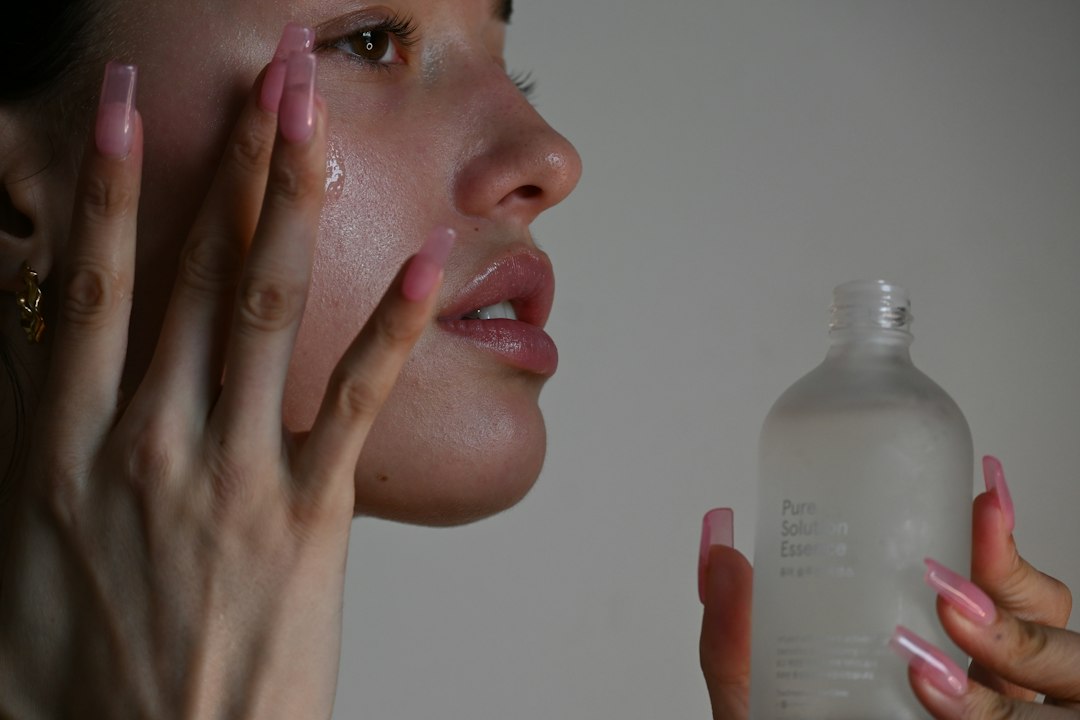
Congratulations, you've successfully waxed your sensitive facial skin! But the journey to a calm, smooth complexion isn't over yet. Aftercare is just as important as prep for keeping sensitive skin happy and preventing any lingering irritation. Think of it as the cool-down period after a workout – essential for recovery!
The moments immediately after waxing are crucial for minimizing redness and discomfort:
- Remove Residue: After you've removed all the wax, you might notice some sticky residue. Never use water, soap, or alcohol to remove this, as it can be irritating. Instead, use a specialized post-wax oil, or a simple carrier oil like jojoba, sweet almond oil, or mineral oil, to gently dissolve any leftover wax. These oils also provide immediate nourishment.
- Cool Down: Your skin might feel warm and look a little flushed. Immediately apply a cold compress to the waxed area for a few minutes. A chilled aloe vera gel is also a superhero here, offering instant cooling and soothing relief. Some of our clients have even found success dabbing a moistened green tea bag on irritated areas, as green tea is loaded with natural anti-inflammatories.
The 48-Hour Care Guide
The first 24-48 hours after a face wax are when your sensitive skin is most vulnerable and prone to harm. Follow this guide diligently:
- Avoid Irritants: Your skin is extra sensitive, so treat it with kid gloves.
- Sun Exposure: Stay out of direct sunlight for at least 24-48 hours. If you must go outside, apply a broad-spectrum SPF 30-50 to the waxed areas.
- Heat: Skip hot showers, saunas, steam rooms, and intense physical workouts that cause excessive sweating for at least 24 hours. The increased heat and friction can exacerbate redness and irritation.
- Harsh Products: Avoid products containing artificial fragrances, alcohol, acids (like AHAs, BHAs, Retinol, or Vitamin C serums), or harsh chemicals for at least 24-48 hours post-waxing. These can irritate freshly waxed skin.
- Prevent Ingrown Hairs: This is a common concern, but preventable!
- Exfoliation: Begin gently exfoliating the waxed area 2-3 days after your session. This helps remove dead skin cells that can trap new hair growth and lead to ingrowns. Use a very gentle scrub or a soft brush.
- Moisturize: Keep your skin consistently hydrated with a lightweight, non-comedogenic lotion that is free from fragrances and dyes. Well-moisturized skin allows hair to grow through more easily, preventing it from curling back into the follicle. Diluted tea tree essential oil or pure witch hazel extract can also be applied as natural antiseptics to prevent breakouts.
By following this post-wax protocol, you're actively nurturing your sensitive skin, ensuring it remains calm, smooth, and beautiful.
Frequently Asked Questions about Face Waxing for Sensitive Skin
It's completely natural to have questions, especially when it comes to waxing your delicate facial skin. Here at SA Blissful Spa, we've heard them all! Let's explore some of the most common questions our clients ask about facial waxing for sensitive skin.
How often should you wax your face if you have sensitive skin?
For those with sensitive skin, we typically recommend scheduling your facial waxing sessions every
4 to 6 weeks. This isn't just a random number; it's a carefully chosen timeframe that gives your skin plenty of time to fully recover and refresh between appointments.
This interval also ensures your hair is at the perfect length for effective removal – about 1/4 inch, or the size of a grain of rice. When the hair is just right, the wax can grip it effectively, leading to a smoother, less irritating experience. Sticking to this consistent schedule can actually lead to less irritation over time, as your skin gets used to the process. You might even notice your hair growing back finer and sparser! Consistency truly is your best friend when it comes to sensitive skin and waxing.
Can facial waxing make hair grow back thicker?
This is one of the most common myths we hear, and we're happy to bust it for you! No, absolutely not. Facial waxing does not make your hair grow back thicker, darker, or coarser. In fact, it's quite the opposite.
When you wax, the hair is pulled directly from the root. Over time, this consistent removal can actually damage the hair follicle itself. This often leads to the hair growing back finer, softer, and even sparser than before. Many people experience a noticeable reduction in hair growth over time with regular waxing. So, rest assured, waxing your peach fuzz won't leave you with a beard! For more details on this topic, you can read our full article:
Does Waxing Upper Lip Cause More Hair Growth?.
Why do I get bumps after waxing my face?
Those little red bumps that sometimes pop up right after waxing can be a bit alarming, but they're a completely normal reaction, especially if you have sensitive skin. There are typically two main reasons for their appearance:
First, you might be experiencing a
histamine reaction. Your body sees the act of pulling hair from the root as a minor "trauma." In response, it releases histamines, which can cause temporary redness, swelling, and those tiny, raised bumps. Think of it as your body's natural, though sometimes inconvenient, defense mechanism. These reactions usually calm down and disappear within a few hours.
Second, the bumps could be a sign of
folliculitis, which is simply an inflammation of the hair follicle. When hair is removed, the follicle can become irritated, leading to small red bumps or even tiny whiteheads. This is more likely to happen if the skin isn't perfectly clean before waxing, allowing bacteria to enter the newly opened follicles.
The good news is these bumps are almost always temporary! You can significantly minimize their appearance with proper pre- and post-wax care. This includes thoroughly cleansing your skin beforehand, applying a cold compress immediately after, and using soothing products like aloe vera or calming gels. In rarer cases, some people might experience temporary skin darkening, known as Post-Inflammatory Hyperpigmentation (PIH). This happens when tiny capillaries rupture during the hair removal process, but it typically fades over time.
Conclusion: Accept Smooth Skin with Confidence
Phew! We've covered a lot of ground, haven't we? Navigating facial hair removal with sensitive skin might have felt like a puzzle before, but we truly hope this guide has pieced together a clear picture for you. The secret to a smooth, irritation-free complexion really comes down to a few key ingredients: choosing the
best face wax for sensitive skin (and often, that's hard wax!), being super diligent with your skin prep, mastering those gentle application and removal techniques, and then, of course, giving your skin the loving care it deserves afterward. These are the cornerstones of happy, successful facial waxing.
With all this knowledge and these techniques in your beauty toolkit, you absolutely
can achieve beautifully smooth, irritation-free results right in the comfort of your own home. We believe in empowering you to feel confident and in control of your beauty routine!
However, we also completely understand that sometimes, certain skin conditions need a little extra TLC. Or perhaps you simply crave that truly luxurious, worry-free experience where you can just sit back and let the experts work their magic. For those moments, or if you're seeking a perfectly flawless result without any fuss, turning to the professionals is always a wonderful choice. At SA Blissful Spa, we're incredibly proud to offer expert care, using only the highest-quality products designed specifically for even the most delicate skin. Our specialists are truly passionate about understanding the unique needs of sensitive skin, ensuring your waxing experience is comfortable, effective, and leaves you feeling utterly blissful.
Ready to experience a truly professional waxing experience custom just for your sensitive skin? We warmly invite you to explore our
professional hair wax removal services. You'll find us conveniently located in Arlington, Bedford, Belmont, Billerica, Burlington, Carlisle, Concord, Lexington, Lincoln, Melrose, North Reading, Reading, Stoneham, Wakefield, Watertown, Wilmington, Winchester, and Woburn, MA. Let us help you unveil the confident, smooth skin you've been dreaming of!