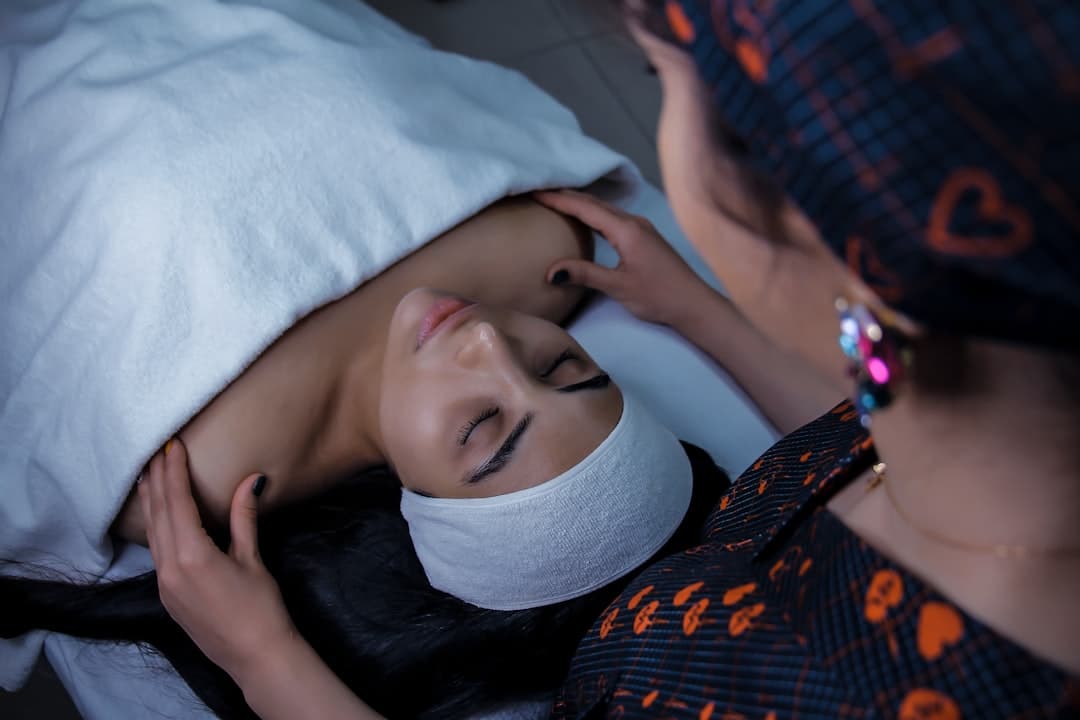
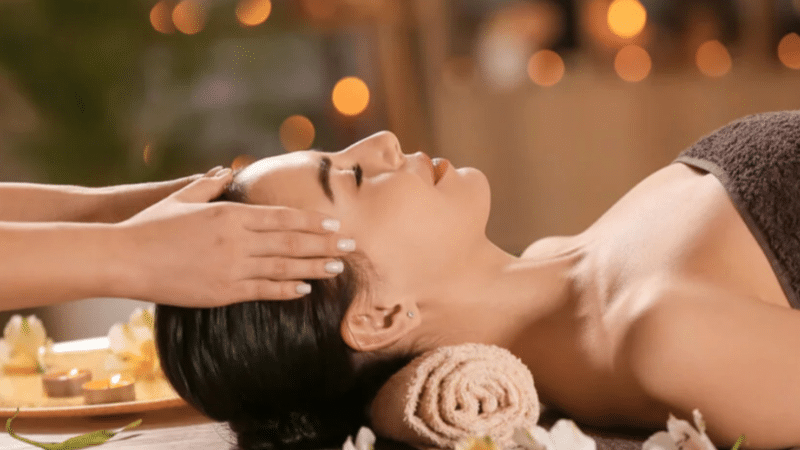
Understanding What an Esthetician Really Is
 Whats esthetician
is a question many people ask when they first consider professional skincare. Simply put,
an esthetician is a state-licensed skincare professional trained to provide cosmetic treatments that improve and maintain the health and appearance of your skin. Unlike medical professionals, estheticians focus on non-invasive procedures like facials, chemical peels, waxing, and personalized skincare recommendations.
Key Facts About Estheticians:
- Licensed Professionals: Must complete 300-1,500 hours of training (varies by state) and pass state board exams.
- Cosmetic Focus: Specialize in skin appearance, not medical diagnosis or treatment.
- Core Services: Facials, peels, microdermabrasion, hair removal, and makeup application.
- Growing Field: Expected to grow 17% by 2029, much faster than average careers.
- Median Salary: Around $56,500 per year in the United States.
- Work Settings: Day spas, salons, medical spas, and private practice.
The esthetics industry is booming, reflecting our collective desire to invest in our skin's health. Understanding the role, training, and capabilities of these skincare specialists is the first step toward achieving that glowing, confident complexion. At SA Blissful Spa, our passion lies in combining advanced techniques with personalized care to deliver transformative results for our clients' unique skincare concerns.
 Whats esthetician
terms simplified:
The Primary Role and Services of an Esthetician
At its heart,
whats esthetician truly means is a dedication to skin health and beauty. Our primary role is enhancing your skin's appearance through non-invasive cosmetic treatments. We are your go-to professionals for achieving a healthy glow, tackling everyday skin concerns, and establishing an effective skincare routine.

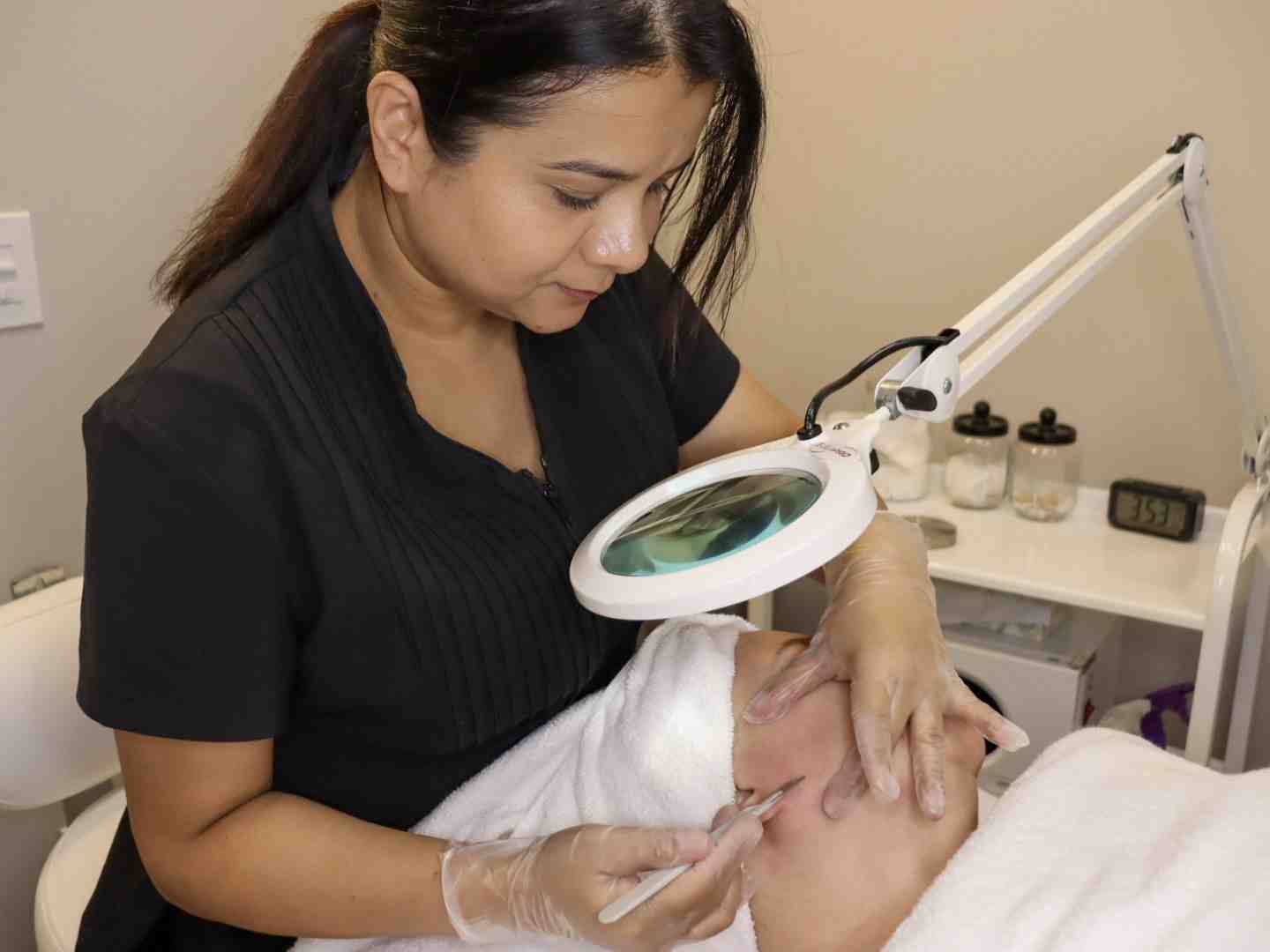
Your visit begins with a thorough skin analysis and client consultation. We assess your skin type, identify concerns like dryness or signs of aging, and discuss your goals. This allows us to create personalized recommendations, as effective skincare is never one-size-fits-all. We use our knowledge of skin anatomy and product chemistry to cleanse, exfoliate, and nourish your skin, helping you put your best face forward.
Common Esthetician Services
The range of services an esthetician offers is extensive, all designed to make your skin look and feel its best. Here are some of the most common treatments we provide:
- Facials: Customized treatments that cleanse, exfoliate, extract impurities, and hydrate your skin. We offer various types, including hydrating, firming, and acne-focused facials, often incorporating advanced techniques. More info about Facial Treatments.
- Chemical Peels: Applying a solution to exfoliate the skin’s outer layers, revealing a smoother, brighter complexion. We use light peels to address fine lines, hyperpigmentation, and acne.
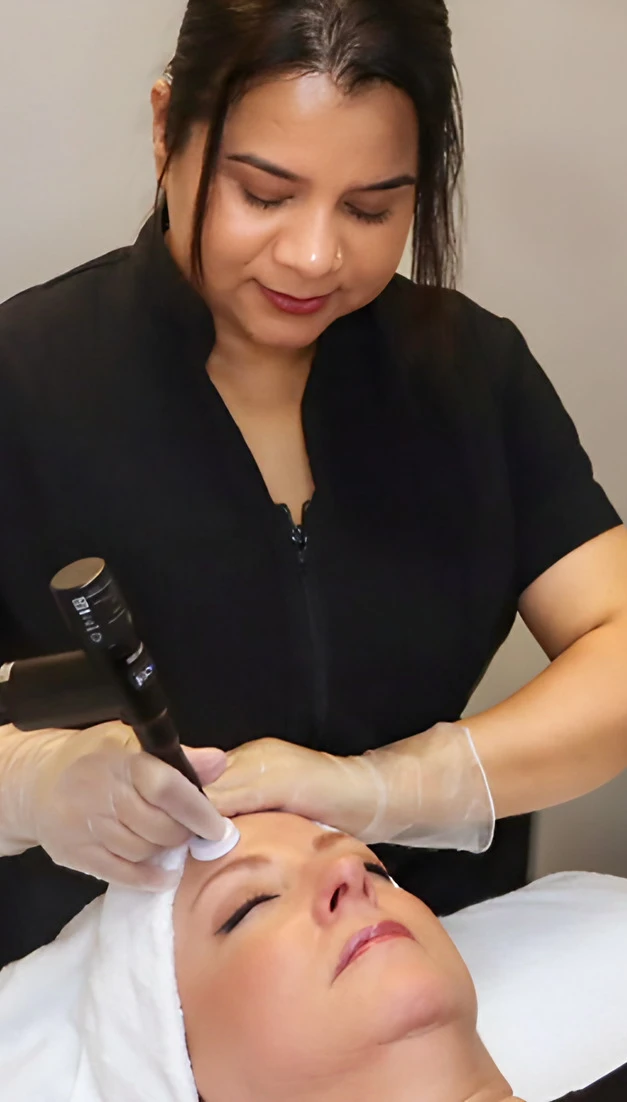
- Microdermabrasion: A treatment using a diamond-tipped wand to gently exfoliate the skin, improving texture and tone.
- Hair Removal: Various methods such as waxing, threading, and sugaring for the face and body.
- Body Treatments: Body wraps, scrubs, and specialized treatments that exfoliate and hydrate the skin on your body.
- Makeup Application: Professional makeup services for special occasions or consultations to help you choose the right products.
- Lash and Brow Services: Brow shaping, tinting, lash lifts, and extensions to improve your natural features.
Each service is chosen to provide specific benefits, from calming irritation to reducing signs of aging.
Learn about our full range of Services.
What an Esthetician Legally Cannot Do
It's crucial to understand our legal limitations. We are skincare specialists, not medical doctors, which defines our scope of practice and ensures client safety.
Here's what an esthetician legally cannot do:
- Diagnose Medical Conditions: We cannot diagnose skin diseases. We will always refer you to a dermatologist for medical concerns.
- Prescribe Medication: We are not authorized to prescribe oral or topical medications.
- Perform Injections: Procedures like Botox or dermal fillers are medical procedures performed by licensed medical professionals.
- Perform Surgery: Any invasive surgical procedure is strictly outside an esthetician's practice.
- Treat Severe Skin Conditions: We can help with mild acne but cannot treat severe conditions like skin cancer that require medical intervention.
Our role is to improve the cosmetic appearance of your skin through non-invasive means, and we collaborate with medical professionals when necessary to ensure you receive comprehensive care.
The Path to Becoming a Licensed Esthetician
Becoming a licensed esthetician is a journey that combines a passion for skincare with rigorous training and adherence to state regulations. It's a path that demands dedication and continuous learning.
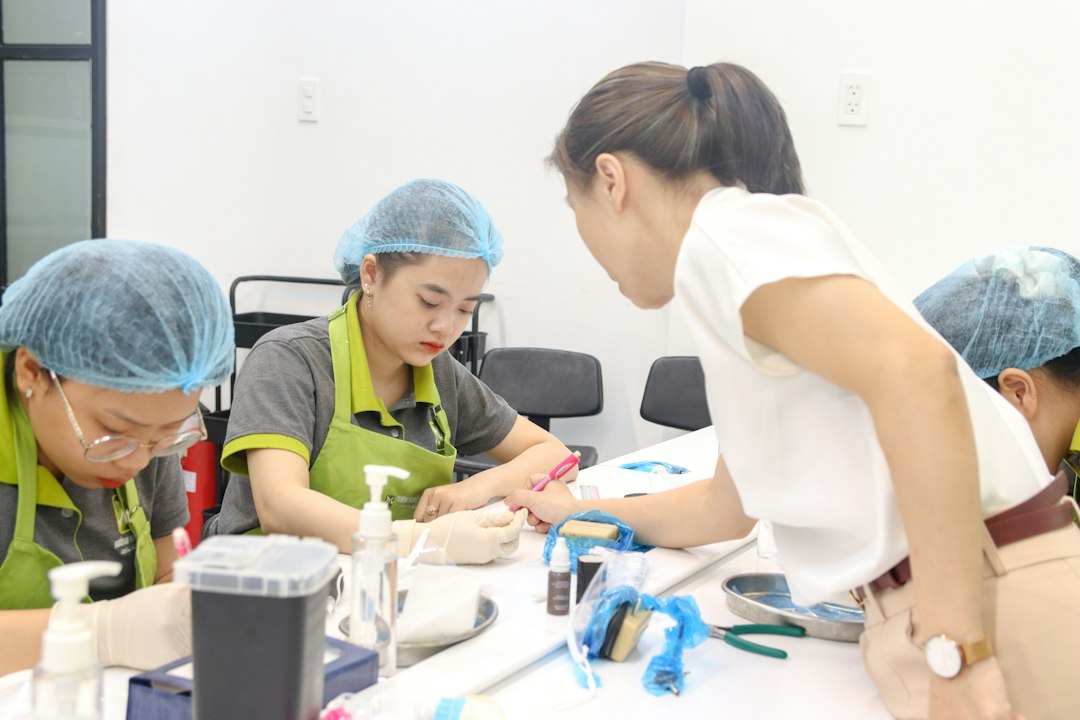
The process involves completing education requirements, gaining hands-on training, and passing state licensure exams. For us, maintaining our licenses and staying at the forefront of skincare innovation is paramount to providing the best service in Burlington, MA, and surrounding communities.
So, whats esthetician training really like?
Whats esthetician training entails is a comprehensive educational experience at a specialized school. The curriculum builds a strong foundation in skincare science and practical application.
Training hours vary by state, ranging from 300 to 1,500 hours. During this time, students gain in-depth knowledge in:
- Skin Anatomy and Physiology: Understanding the skin's structure and function.
- Product Chemistry: Learning about skincare ingredients and how they work.
- Safety and Sanitation: Mastering strict hygiene and disinfection protocols.
- Practical Skills Development: Gaining hands-on experience with facials, peels, and other treatments.
- Client Consultation: Learning to assess client needs and provide personalized recommendations.
This intensive training prepares us to perform treatments and educate clients on proper skincare. You can find more detailed career information from the
Information from the Bureau of Labor Statistics.
Licensing and Certification
After completing training, the next step is passing state board exams, which consist of a written test and a practical exam. Passing both is mandatory to obtain a state license to practice legally.
License renewal often requires continuing education, ensuring estheticians stay current with evolving techniques and safety standards. Many also pursue advanced certifications in specialized areas like laser treatments or advanced chemical peels.
The term "Master Esthetician" is a higher level of licensure in some states, requiring more training for advanced procedures. While Massachusetts doesn't have this specific license, our estheticians continually pursue advanced education to provide the highest level of care. You can learn more about our team at
More on our expert Estheticians.
Whats Esthetician vs. Other Skincare Professionals?
Navigating skincare professionals can be confusing. You might wonder,
whats esthetician compared to an aesthetician or a dermatologist? Understanding their distinct roles, work settings, and services is key to choosing the right care for your skin.
Esthetician vs. Aesthetician
The terms "esthetician" and "aesthetician" are often used interchangeably, but there can be subtle differences in focus and work setting.
| Feature |
Esthetician |
Aesthetician |
| Spelling |
More common in the U.S. (sometimes "esthetician" is used) |
Often implies a more clinical or medical focus in some regions |
| Focus |
Primarily cosmetic skincare, beauty improvement, and relaxation. Treats general skin issues like dryness, oiliness, and aging. |
Often associated with clinical or medical esthetics; focuses on damaged skin from burns, surgery, or specific skin conditions. |
| Work Setting |
Salons, day spas, luxury resorts, private practices. |
Medical spas, dermatology offices, plastic surgery clinics, burn units, hospitals. |
| Services |
Facials, chemical peels (superficial), microdermabrasion, waxing, makeup, lash/brow services. |
May include advanced treatments like laser therapies, deeper chemical peels, micro-needling, and assisting with pre/post-operative care under medical supervision. |
| Training Depth |
Standard esthetics program (300-1500 hours). |
May have additional training in medical terminology, anatomy, and advanced modalities. |
| Legal Limitations |
Cannot diagnose, prescribe, or perform invasive medical procedures. |
Works under the supervision of a medical doctor when performing advanced procedures. |
While the spelling difference is minor, the "aesthetician" title sometimes implies a professional with more clinical training. However, the roles can overlap significantly. The key takeaway is that both are licensed skincare specialists, and the context of their work and advanced training often differentiates their roles. You can find more on these
Key differences explained.
Esthetician vs. Dermatologist
This is a crucial distinction. An esthetician provides cosmetic care, while a dermatologist is a medical doctor.
- Esthetician: Cosmetic Care
- Focus: We improve the cosmetic appearance of your skin through non-invasive treatments like facials and product recommendations.
- Scope: We address general concerns like dryness, mild acne, and superficial signs of aging.
- Qualifications: State-licensed professionals with specialized training.
- Limitations: We cannot diagnose diseases, prescribe medications, or perform surgery.
- Dermatologist: Medical Doctor
- Focus: A board-certified medical doctor specializing in diseases of the skin, hair, and nails.
- Scope: They treat medical conditions like severe acne, eczema, and skin cancer, and can perform surgery.
- Qualifications: Medical school, residency, and board certification.
- Role: Your primary provider for any medical skin concerns.
We often collaborate with dermatologists, providing complementary cosmetic treatments to support medical care. For a deeper dive,
Read our Esthetician vs Dermatologist guide.
Whats an Esthetician with Advanced Training?
Many professionals pursue advanced training. When asking
whats esthetician with extra expertise means, two terms often appear:
- Medical Esthetician: A licensed esthetician with additional training to work in a medical setting under a physician's supervision. They perform advanced treatments like laser therapy, deeper chemical peels, micro-needling, and pre- and post-operative care.
- Master Esthetician: A specific licensure level in a few states (like Utah and Virginia) requiring more training hours to perform advanced procedures like medium-depth peels and certain laser therapies. In Massachusetts, while we don't have this specific license, our estheticians pursue advanced education to offer a comprehensive range of treatments.
Both represent a higher level of specialization, always with a strong emphasis on client safety. To understand more about this specialized role,
Learn about the Medical Esthetician role.
Career Outlook: Where Estheticians Work and What They Earn
The esthetics industry is experiencing an exciting period of growth, making it a promising career path. The Bureau of Labor Statistics projects the job market for skincare specialists to grow 17% by 2029, much faster than average. This expansion is driven by increasing consumer awareness of skin health and a growing desire for self-care.
This high demand translates into career flexibility and entrepreneurship opportunities. From luxury spas to medical clinics, the esthetics field offers a diverse landscape of possibilities for skilled professionals.
Typical Work Environments
One of the appealing aspects of being an esthetician is the variety of work environments. In Burlington, MA, and neighboring towns like Arlington and Lexington, you'll find estheticians in diverse settings:
- Day Spas and Salons: The most traditional setting, focusing on relaxation and cosmetic treatments like facials and waxing.
- Medical Spas (MedSpas): These combine a spa atmosphere with advanced procedures like laser therapies, performed under physician supervision.
- Dermatology Clinics and Plastic Surgery Offices: Estheticians provide complementary services, such as pre- and post-operative skincare.
- Resorts and Cruise Ships: These settings offer opportunities to provide skincare services to guests on vacation.
- Private Practice: Many experienced estheticians open their own businesses to offer personalized, specialized services.
Regardless of the setting, our goal is to provide exceptional skincare. If you're looking for expert care in our area, we invite you to
Find a top-rated esthetician near you.
Potential Salary and Prospects
Understanding
whats esthetician earns is a key consideration. The median pay for estheticians is around $56,500 a year, but this figure can vary widely.
Salary ranges depend on several factors:
- Location: Metropolitan areas like Burlington, MA, often have higher earning potential.
- Experience and Specialization: Advanced certifications in areas like medical esthetics can increase income.
- Work Environment: High-end spas or medical clinics often command higher prices.
- Compensation Structure: Many estheticians work on commission or an hourly wage plus tips.
- Entrepreneurship: Owning a business has the potential for higher income.
According to data from ZipRecruiter, esthetician salaries can range from approximately $20,000 to $155,000 per year, depending on the specific role and specialization. The career prospects for estheticians remain strong, with continuous education and building a loyal client base being key to a rewarding career. For more detailed insights, refer to
Salary.com data on esthetician pay.
Frequently Asked Questions about Estheticians
We often hear many questions about our role and how we can best support your skincare journey. Here are some of the most common inquiries to help clarify
whats esthetician services truly encompass.
What is the difference between an esthetician and a cosmetologist?
This is a common question, and the main difference is specialization.
- Esthetician: A skincare specialist. Our training is deeply focused on the skin's anatomy and chemistry. We provide in-depth treatments, skin analysis, and personalized recommendations for skin health.
- Cosmetologist: A general beauty practitioner. Their training covers hair, nails, and basic makeup, with less specialized skincare education.
If your primary concern is your skin, an esthetician is your go-to professional. For hair or nail services, a cosmetologist is the expert you need. For a more detailed comparison, you can
Explore the differences.
How often should I see an esthetician?
The frequency of visits depends on your skin concerns and goals. For general maintenance, we typically recommend a professional facial every
4-6 weeks. This aligns with your skin's natural cell turnover cycle.
Regular treatments help to deep cleanse, boost cell renewal, address concerns like hydration or oil control, and maintain the benefits of your professional treatments. If you have specific concerns like acne or hyperpigmentation, we may suggest a more frequent schedule initially. Consistency is key to achieving and maintaining healthy skin!
Can an esthetician help with acne?
Absolutely! Estheticians can be very effective in managing mild to moderate acne through professional treatments and personalized home care.
Here's how we can help:
- Deep-Cleansing Facials: To thoroughly cleanse the skin and reduce pore congestion.
- Extractions: To safely clear blackheads and whiteheads.
- Light Chemical Peels: Superficial peels with salicylic acid are excellent for exfoliating and reducing oil.
- Product Recommendations: We guide you on the most effective home-care products for acne-prone skin.
- Lifestyle Advice: We can provide advice on factors like diet and stress that can impact acne.
However, estheticians cannot prescribe medications for severe, cystic acne. In those cases, we will always refer you to a dermatologist for medical treatment. We work as a complementary part of your overall skincare team.
Conclusion
Understanding
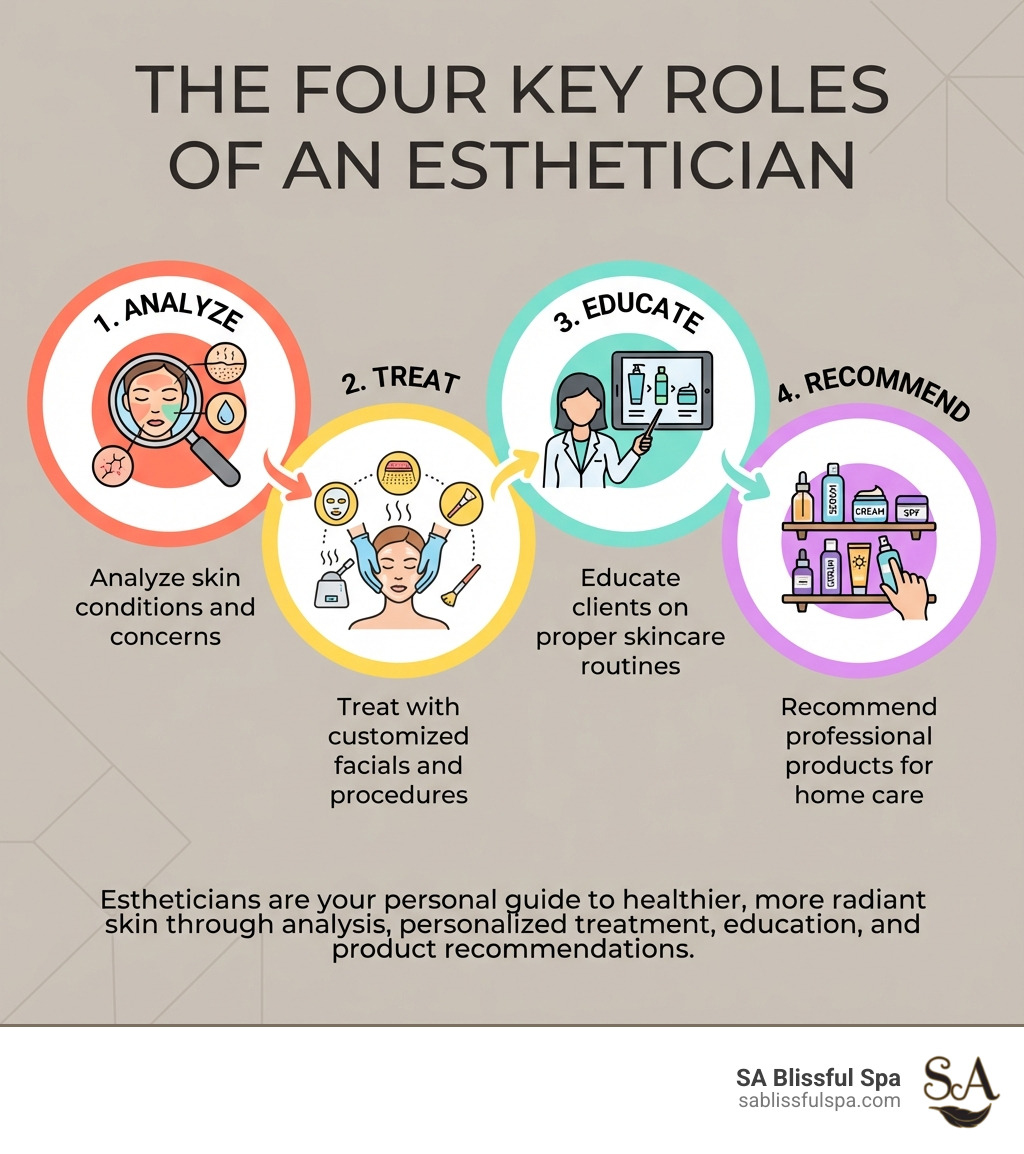
whats esthetician truly means reveals a world of dedicated professionals passionate about skin health and beauty. We are state-licensed experts focused on providing non-invasive cosmetic treatments, from rejuvenating facials and targeted chemical peels to precise hair removal and personalized skincare guidance. Our role is to analyze your skin, treat its concerns, educate you on optimal care, and recommend the best products for your unique needs.
The esthetics industry is flourishing, reflecting a growing appreciation for professional skincare as an essential part of overall wellness. With diverse career paths and a commitment to continuous learning, estheticians play a vital role in enhancing not just the appearance of your skin, but also your confidence and well-being.
At SA Blissful Spa in Burlington, MA, we embody this dedication. Our team of expert estheticians combines advanced techniques with a warm, personalized approach to deliver transformative results. We believe that professional skincare is an investment in yourself, and we are here to guide you every step of the way, helping you achieve and maintain healthy, radiant skin.
Find the difference that expert, custom treatments can make.
Learn more about our approach to professional skincare and let us help you unmask your most beautiful skin.