Medical esthetician: A specialized career blending beauty and medical knowledge to improve skin health.
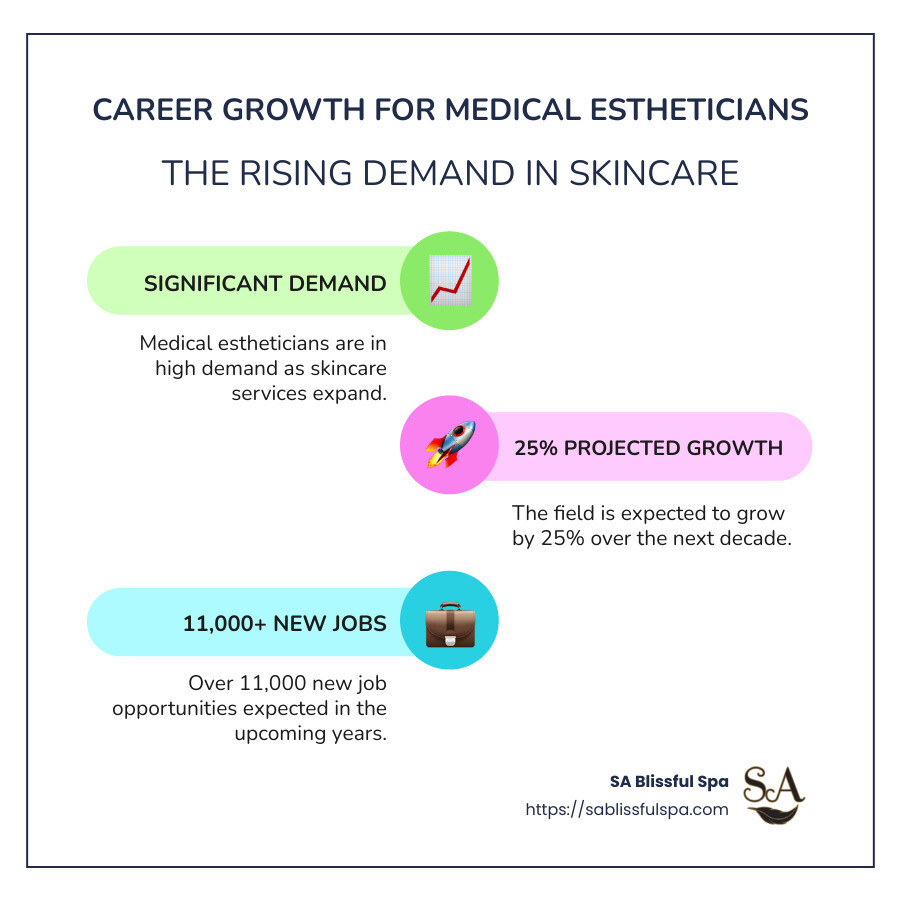
As of the latest data, medical estheticians are in high demand, with job opportunities rapidly expanding due to growing interest in skincare services. The field is expected to experience a robust 25% growth rate, adding over 11,000 new jobs. This makes it one of the most promising careers in the beauty and wellness industry today.
I’m Saloni Bhandari, an experienced esthetician and passionate advocate for skin health. With years of expertise in the field, my focus is on providing custom treatments that combine advanced techniques and products. Join me as we uncover the path to becoming a successful medical esthetician.
Learn more about medical esthetician:
– esthetician vs dermatologist
– facial spa treatment
– spa and beauty treatments
When it comes to skincare, the roles of esthetician and medical esthetician are often confused, yet they differ significantly in their scope and focus.
Estheticians typically work in non-medical settings like spas and salons. Their main role involves providing basic skincare services such as facials, waxing, and simple chemical peels. They focus on enhancing the beauty and health of clients with healthy skin. Their training is more oriented towards beauty and relaxation.
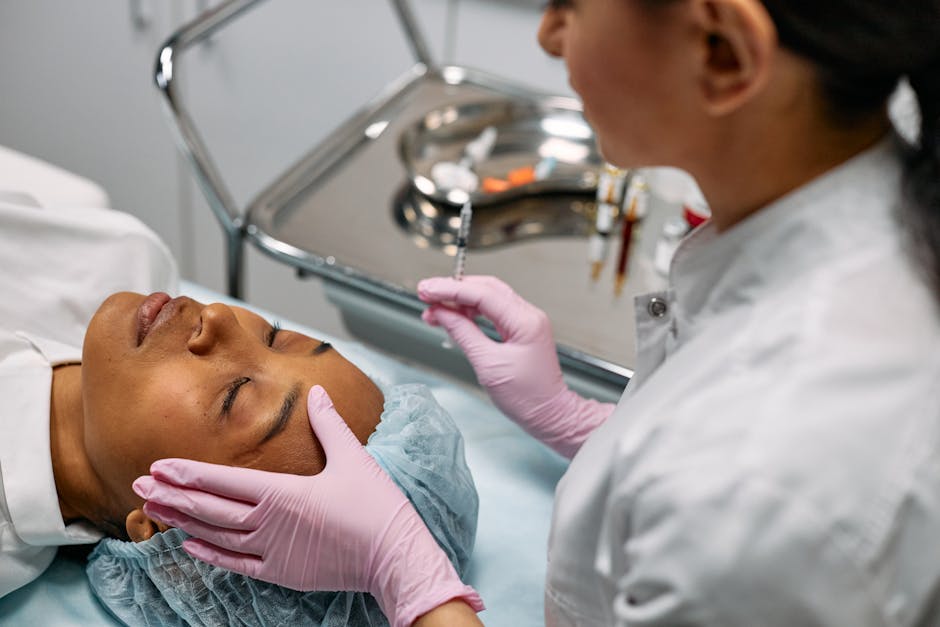
On the other hand, medical estheticians are trained to perform advanced skincare treatments, often in clinical environments. They work alongside healthcare professionals in settings like dermatology offices, medical spas, and plastic surgery centers. This advanced role requires a deeper understanding of medical-level treatments and involves addressing complex skin issues such as severe acne, burns, and post-surgical care.
Key Differences:
Statistics show that the demand for specialized skincare has led to a projected job growth of 25% for medical estheticians over the next decade. This reflects the increasing consumer interest in medical-grade skincare solutions.
In summary, while both roles aim to improve skin health, medical estheticians possess the expertise and qualifications to perform more advanced, medically-aligned treatments. This distinction opens doors to a wider range of job opportunities and potentially higher salaries in the growing field of medical aesthetics.
To start your journey as a medical esthetician, you’ll first need to meet certain educational requirements. The foundational step is obtaining a high school diploma or a GED. This is a prerequisite for enrolling in any cosmetology or esthetics program.
Next, you’ll want to find a state-approved cosmetology or esthetics school. These programs are designed to equip you with the essential skills and knowledge needed in skincare, including treatments like facials, chemical peels, and more. Some states also offer the option to complete an apprenticeship instead of attending a traditional beauty school, which can be a more hands-on way to learn.
Here’s a quick look at your education path:
Once you’ve completed your education, the next step is to obtain your license. Licensing requirements vary by state, but they generally involve passing a state board exam. This exam tests your knowledge and skills in esthetics and ensures you’re ready to practice professionally.
The National Interstate Council of State Boards of Cosmetology (NIC) often administers these exams. Some states might have additional requirements, so it’s crucial to check the specific regulations in your state.
Steps to get licensed:
Becoming a medical esthetician is a rewarding career path that combines beauty with healthcare. With the right education and licensing, you’ll be equipped to work in various settings, from medical spas to dermatology offices.
As a medical esthetician, you have a variety of exciting work settings to choose from. Whether you prefer the bustle of a hospital or the tranquility of a spa, your skills will be in demand.
Medical Settings: Hospitals and clinics often employ medical estheticians to assist patients undergoing treatments that affect the skin. Here, you’ll help patients manage skin changes due to medical procedures, offering both practical skincare solutions and emotional support.
Spas and Salons: While traditional estheticians focus on relaxation and aesthetics, medical estheticians in spas and salons can offer more advanced treatments, such as chemical peels and microdermabrasion, under medical supervision.
Plastic Surgery and Dermatology Offices: These environments are ideal for medical estheticians. You’ll work closely with doctors to provide pre- and post-operative skincare, helping patients recover from procedures with less discomfort and better results.
Rehabilitation Clinics: In these settings, medical estheticians support patients with skin recovery after injuries or surgeries. You might teach patients how to care for healing skin or camouflage scars with makeup.
Chemical Peels and Microdermabrasion: These treatments are common in a medical esthetician’s toolkit. They help improve skin texture and reduce the appearance of fine lines and scars.
Laser Therapy: Many medical estheticians are trained in laser treatments, which can address issues like acne scars, pigmentation, and unwanted hair.
Patient Education: A significant part of your role will be educating patients. You’ll guide them on at-home skincare routines, pre- and post-procedure care, and how to maintain healthy skin.
In every setting, the goal is to improve the patient’s skin health and appearance, boosting their confidence and well-being. Whether you’re working to reduce swelling in a plastic surgery office or teaching makeup techniques in a rehabilitation clinic, your role as a medical esthetician is both impactful and rewarding.
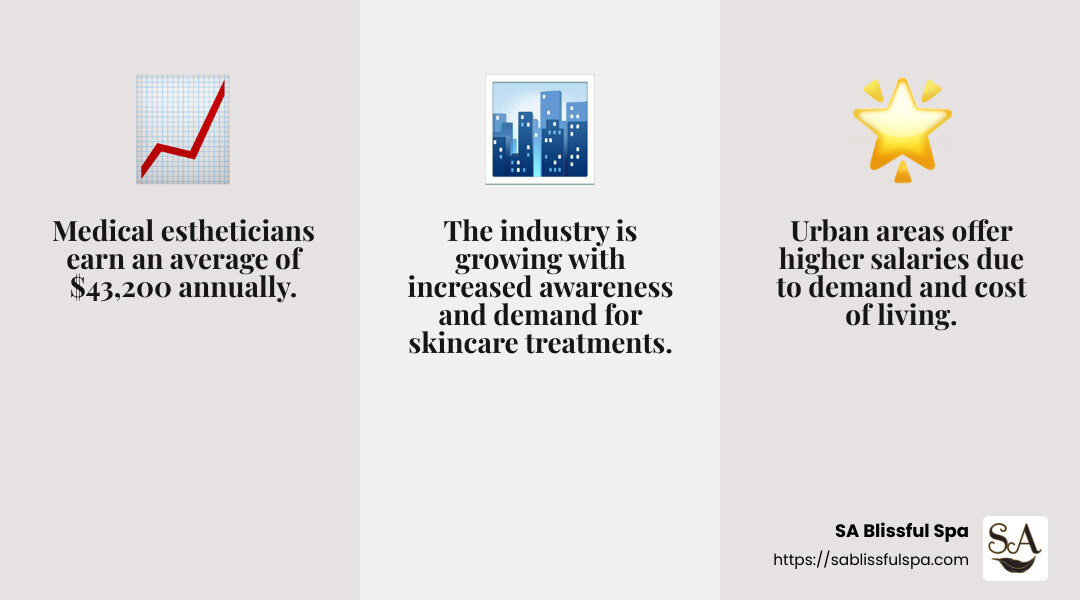
The career outlook for a medical esthetician is promising, with steady demand and opportunities for growth. According to the latest data, the average salary for estheticians, including medical estheticians, is around $43,200 per year as of 2023. However, where you work can significantly impact your earnings.
Top Earners: In urban areas, especially those with a high demand for advanced skincare treatments, salaries can be much higher. Medical estheticians working in metropolitan areas often earn more due to the higher cost of living and increased demand for services.
Location Matters: For instance, in states like California and Texas, medical estheticians can expect to earn above the national average. These states have thriving beauty and wellness industries, with a large clientele seeking advanced skincare services. In California, the busy cities and affluent populations lead to higher paychecks. Similarly, in Texas, the growing demand for medical esthetic services contributes to competitive salaries.
National Averages: While urban areas tend to offer higher salaries, rural and less populated regions may offer lower wages. However, the cost of living in these areas is typically lower, which can balance out the lower income. The key is to find a location that aligns with your lifestyle and career goals.
Job Growth Projections: The medical esthetic industry is expected to continue growing. As awareness and acceptance of aesthetic treatments increase, more people are seeking these services. This growth translates into more job opportunities and potentially higher salaries for skilled medical estheticians.
In summary, a career as a medical esthetician not only offers a rewarding work environment but also provides the potential for a lucrative income, especially in thriving urban areas. As the industry grows, so do the opportunities for those passionate about skincare and helping others look and feel their best.
An esthetician focuses on cosmetic skincare treatments like facials, waxing, and basic peels, typically in spas or salons. They help clients maintain healthy skin and address concerns like acne or dryness.
A medical esthetician, on the other hand, works in clinical settings like dermatology offices or medical spas. They perform more advanced procedures such as laser therapy, chemical peels, and microdermabrasion. They often assist clients with skin conditions, post-surgery care, or scars.
In Texas, becoming a medical esthetician typically involves completing a state-approved esthetics program, which can take around 6 to 9 months. After finishing the program, you must pass the state licensing exam.
Some choose to further their skills with additional training in advanced treatments like laser hair removal. This extra training can help you stand out and open more job opportunities.
The salary for medical estheticians varies by location and experience. On average, they earn about $43,200 per year. However, those working in urban areas or specialized medical settings often earn more.
Top earners in states like California and Texas can make significantly higher salaries due to the demand for advanced skincare services. In these regions, the combination of a large client base and high living costs contributes to higher paychecks.
Becoming a medical esthetician offers a fulfilling career path with numerous opportunities for growth and satisfaction. At SA Blissful Spa, we understand the importance of advanced skincare and personalized treatments. Our commitment to relaxation and rejuvenation makes us a top choice for those seeking luxurious skincare services in Burlington, MA.
Working as a medical esthetician can be incredibly rewarding. You have the chance to help clients improve their skin health and boost their confidence. Whether you’re assisting someone with post-surgery care or helping to reduce the appearance of scars, your work makes a tangible difference in people’s lives.
The demand for skilled skincare professionals is on the rise, with the industry projected to grow significantly. This means job security and the potential for a lucrative career.
There’s also a world of entrepreneurial opportunities for medical estheticians. Many choose to start their own businesses or contract their services to medical practices. By partnering with physicians, especially those not yet offering cosmetic services, you can tap into a lucrative market.
As Louis Silberman, CEO at the National Laser Institute, points out, the medical esthetics industry is a $13.5 billion marketplace. This opens doors for those with the right skills and business acumen.
If you’re passionate about skincare and helping others, consider a career as a medical esthetician. At SA Blissful Spa, we offer a serene environment where you can hone your skills and provide top-notch care. Explore our facial treatments and see how we can help you achieve your skincare goals. Visit us to experience the perfect blend of expertise and tranquility.


Book your first appointment online and enjoy 15% off your first service (one-time offer).
Use code NEWCLIENT15