Why Understanding Skin Care Professional Titles Matters
The
difference between esthetician and aesthetician often confuses clients seeking professional skin care services. While these terms sound nearly identical and are frequently used interchangeably, they actually represent distinct specializations within the beauty and wellness industry.
Quick Answer:
- Esthetician: Focuses on cosmetic skincare treatments like facials, waxing, and relaxation services in spas and salons
- Aesthetician: Specializes in medical-grade treatments like chemical peels, laser procedures, and corrective skincare in clinical settings
- Key Difference: Estheticians emphasize beauty and wellness, while aestheticians provide paramedical treatments
The confusion stems from more than just spelling. As one industry professional noted, "The technical difference is important to know" because it affects the type of care you'll receive. Estheticians typically work in day spas and salons, helping clients maintain healthy skin through relaxing treatments. Aestheticians often work in medical settings like dermatology offices, addressing more complex skin concerns with advanced procedures.
This distinction matters when choosing the right professional for your specific needs. Whether you're seeking a relaxing facial to unwind from your busy schedule or need corrective treatments for sun damage or acne scarring, understanding these roles helps you make an informed decision.
As
Saloni Bhandari, founder of SA Blissful Spa and a licensed esthetician with experience in the field, I've witnessed how understanding the difference between esthetician and aesthetician helps clients receive the most appropriate care for their skin goals. My expertise in customized facial treatments and advanced skincare techniques allows me to guide clients toward the best solutions for their unique needs.

Basic
difference between esthetician and aesthetician vocab:
The Core Difference Between Esthetician and Aesthetician: Focus and Environment
The most important
difference between esthetician and aesthetician comes down to where they work and what they focus on. Think of it like this: one creates a spa day experience, while the other provides clinical skincare treatments.
When you visit an esthetician, you're stepping into a world of
relaxation and beauty. When you see an aesthetician, you're entering a more
medical-focused environment where treatments address specific skin concerns or conditions.
The setting tells the story. Estheticians work in places designed to make you feel pampered, while aestheticians typically work in clinical settings where medical oversight guides their treatments.
Esthetician: The Cosmetic Skincare Specialist
Estheticians are all about helping you look and feel your best through
cosmetic skincare treatments. Their focus centers on beauty, wellness, and maintaining healthy skin through relaxing, preventative care.
You'll find estheticians working in
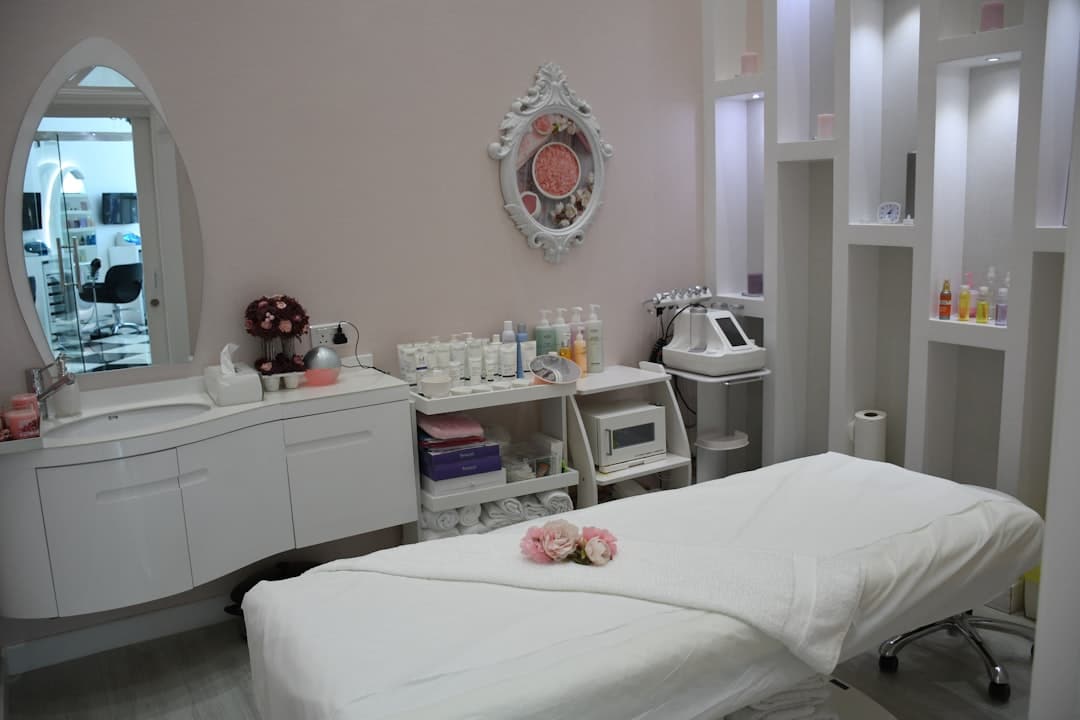
day spas and salons, where the atmosphere encourages you to unwind and enjoy your treatment. Many also work at
resorts where guests want to combine skincare with their vacation experience.
The esthetician's approach emphasizes
skin maintenance rather than correction. They help clients develop good skincare routines, address minor concerns, and provide that wonderful feeling of being pampered. Their treatments are designed to be enjoyable experiences that leave you feeling refreshed and confident.
At places like SA Blissful Spa, estheticians create personalized treatment plans that focus on your skin's health while providing a truly relaxing experience. The goal is to improve your natural beauty through gentle, effective treatments.
More info about spa skincare
Aesthetician: The Clinical Skincare Specialist
Aestheticians take a more
medical approach to skincare. They work in clinical environments where treatments focus on correcting skin problems and providing paramedical care.
You'll typically find aestheticians in
medical spas, dermatology clinics, and hospitals. These settings allow them to perform more advanced procedures under medical supervision. The environment feels more clinical than relaxing, reflecting the medical nature of their work.
Aestheticians specialize in
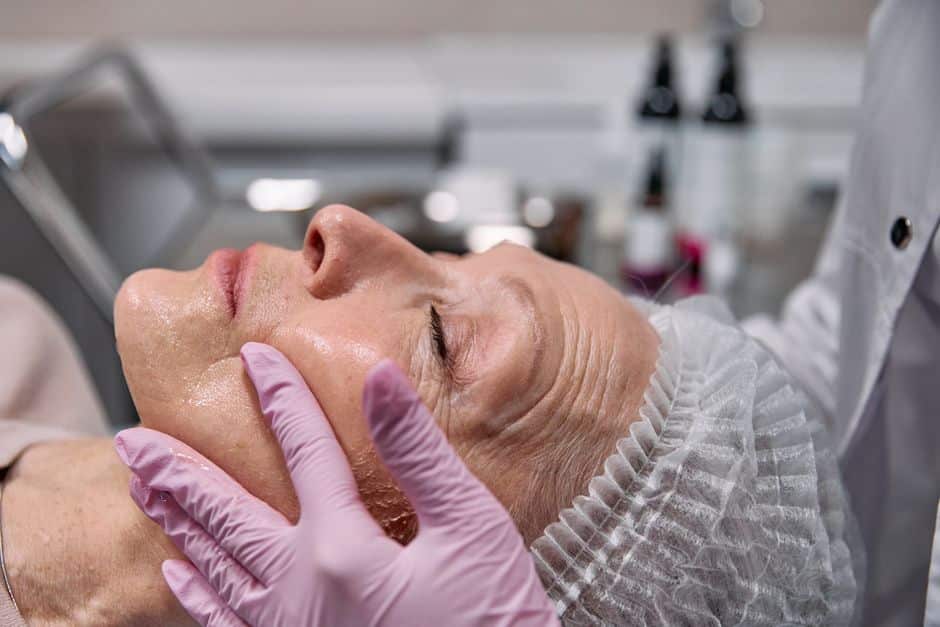
corrective procedures that address significant skin concerns. They often provide
post-procedure care for clients recovering from medical treatments or surgeries. Their training prepares them to handle complex skin conditions that require more intensive intervention.
The client experience differs significantly too. While estheticians focus on
client care in a spa setting, aestheticians provide
patient care in medical environments. This distinction reflects the therapeutic nature of their treatments.
More info about medical estheticians
Scope of Practice: Comparing Services

Understanding the specific services performed by each professional is crucial to grasping the
difference between esthetician and aesthetician. While there can be some overlap, particularly with services like chemical peels (where the depth and intensity vary), their typical service menus reflect their distinct areas of expertise.
What is the primary difference between esthetician and aesthetician services?
The primary difference between esthetician and aesthetician services lies in their depth and purpose. Estheticians focus on beautifying and maintaining healthy skin through non-invasive, cosmetic treatments. Their services primarily address superficial skin concerns and promote relaxation.
Here are the types of services typically performed by an esthetician:
- Facials: Classic and customized facials custom to different skin types and concerns, including cleansing, exfoliation, extractions, masks, and massage.
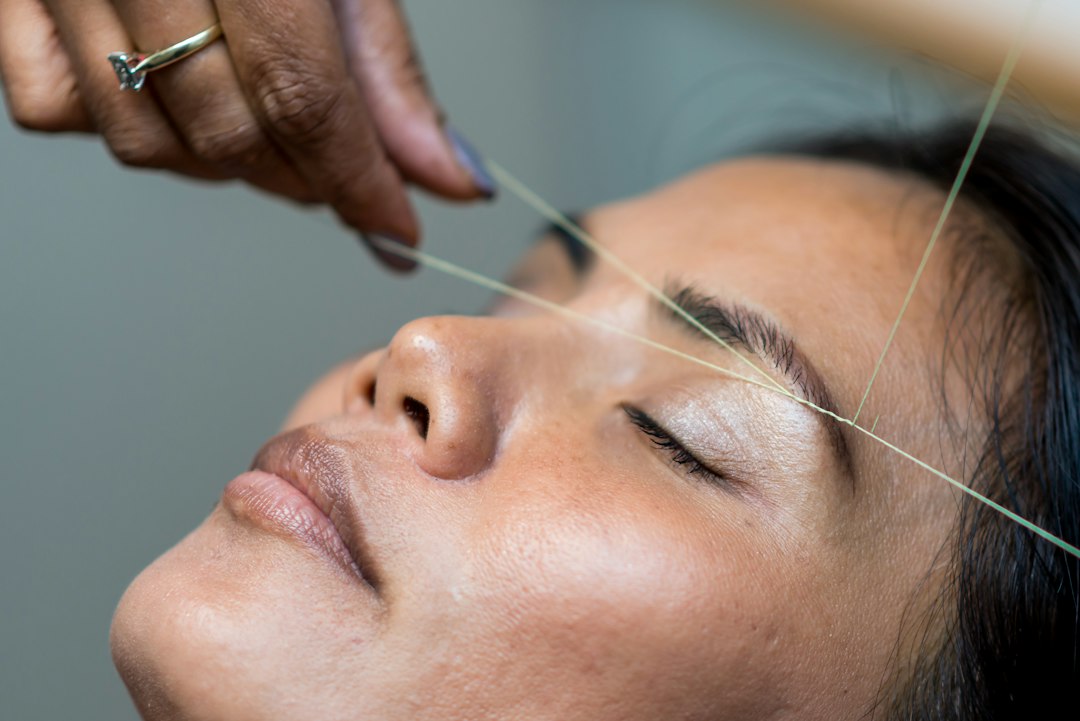
- Waxing: Hair removal from various body parts, including eyebrows, lips, legs, and bikini areas.
- Body Wraps and Scrubs: Treatments aimed at detoxifying, hydrating, or exfoliating the body skin.
- Makeup Application: Professional makeup services for special occasions or lessons on application techniques.
- Eyelash Extensions and Tints: Enhancing the appearance of eyelashes through extensions or dyeing.
- Brow Shaping and Tinting: Sculpting and coloring eyebrows to frame the face.
- Microdermabrasion (superficial): A gentle exfoliation technique to remove dead skin cells.
- Superficial Chemical Peels: Mild peels that only affect the outermost layer of the skin, improving texture and tone.
- Aromatherapy: Utilizing essential oils for relaxation and skin benefits.
- Product Recommendations: Advising clients on suitable skincare products for home use.
We, as estheticians, are experts in helping you achieve that radiant glow and maintain healthy, beautiful skin through treatments that are as relaxing as they are effective.
Aestheticians, on the other hand, perform more advanced, often paramedical, treatments that dig deeper into the skin to address specific conditions or assist in recovery. These procedures are typically more intensive and may require specialized training and equipment.
Here are the types of services typically performed by an aesthetician:
- Chemical Peels (Advanced/Medical-Grade): Stronger peels that penetrate deeper into the skin to treat issues like hyperpigmentation, severe acne, or fine lines.
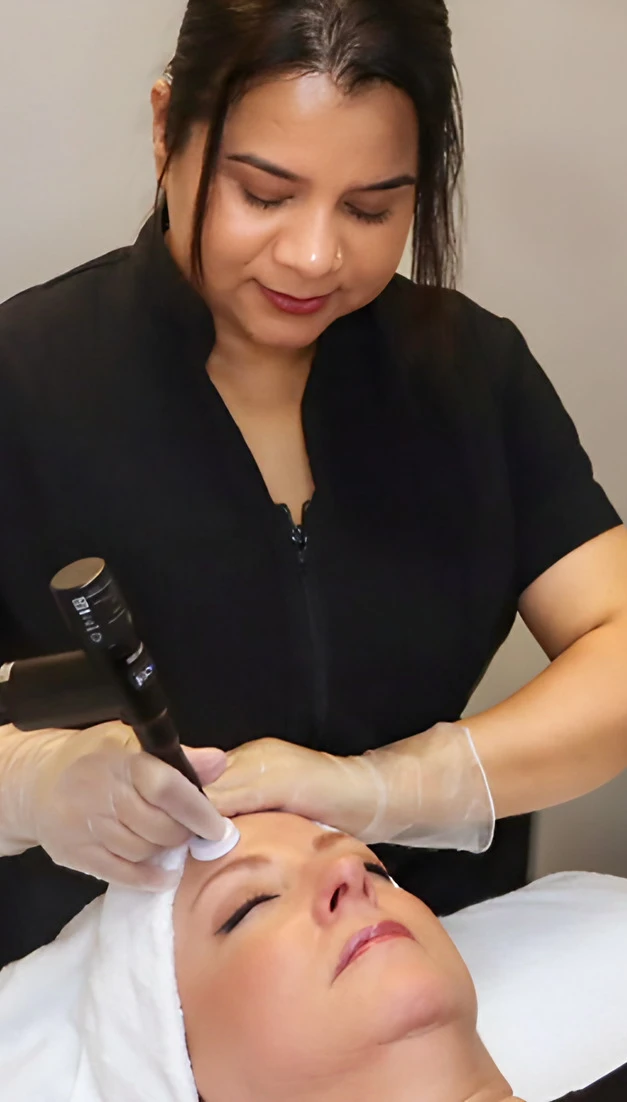
- Microneedling: A procedure that uses fine needles to create micro-injuries in the skin, stimulating collagen and elastin production for skin rejuvenation, scar reduction, and improved texture.
- Laser Hair Removal: Using laser technology to permanently reduce unwanted hair.
- Laser Skin Resurfacing: Utilizing lasers to improve skin texture, reduce wrinkles, and treat sun damage.
- Permanent Makeup Application: Applying cosmetic tattoos for eyebrows, eyeliner, or lip color.
- Lymphatic Drainage: Manual or machine-assisted massage to reduce swelling and improve circulation, often post-surgery.
- Sclerotherapy: A procedure to treat varicose veins (though this is often performed by medical doctors, aestheticians may assist).
- Tattoo Removal: Using laser technology to break down tattoo ink.
- Skin Tightening: Non-invasive treatments using technologies like radiofrequency or ultrasound to promote collagen production and firm the skin.
- Pre- and Post-operative Skincare: Preparing skin for surgery and aiding in the healing process afterward.
- Assisting in Minor Surgical Procedures: Under the direct supervision of a physician.
For those looking into more intensive solutions for specific skin concerns, seeking out an aesthetician who specializes in
More info about advanced skincare treatments is a wise choice.
Here's a comparison of common services:
| Service Category |
Esthetician (Cosmetic Focus) |
Aesthetician (Medical/Clinical Focus) |
| Facials |
Basic, customized, hydrating, anti-aging, acne facials for general skin health and relaxation. |
Clinical facials, often part of a treatment plan for specific conditions, potentially more aggressive. |
| Peels |
Superficial chemical peels (e.g., glycolic, lactic) for exfoliation and brightening. |
Medium to deep chemical peels (e.g., TCA, Jessner's) for significant skin correction. |
| Exfoliation |
Microdermabrasion (superficial), enzyme peels, manual exfoliation. |
Microneedling, laser resurfacing, dermaplaning (can be performed by both, but aestheticians often go deeper). |
| Hair Removal |
Waxing, sugaring, threading. |
Laser hair removal, electrolysis (depending on state regulations). |
| Body Treatments |
Body wraps, scrubs, massage (non-therapeutic). |
Lymphatic drainage (especially post-surgical), specialized body contouring treatments. |
| Makeup |
Cosmetic application for events, makeup lessons. |
Permanent makeup (cosmetic tattooing). |
| Product Guidance |
Recommending over-the-counter products for home care. |
Recommending medical-grade skincare products, often physician-dispensed. |
| Specialized Treatments |
Eyelash extensions, brow tinting, aromatherapy. |
Tattoo removal, scar revision, skin tightening, vein treatments (often assisting a physician). |
Education, Licensing, and Career Outlook
The journey to becoming an esthetician or an aesthetician involves distinct educational paths, licensing requirements, and promising career prospects. Understanding these aspects is another key part of the
difference between esthetician and aesthetician.
Training and Licensing: The Difference Between Esthetician and Aesthetician
Both estheticians and aestheticians must be licensed to practice, and this typically involves completing a state-approved educational program and passing comprehensive exams. However, the depth and focus of their training can differ:
- Esthetician Training: Programs usually focus on cosmetic skincare, facials, hair removal, makeup artistry, and skin analysis. These programs typically take around 600-750 hours of training, often completed in less than a year (e.g., 24 weeks part-time or 15 weeks full-time).
- Aesthetician Training: While the baseline might be similar to esthetician training, aestheticians (especially medical aestheticians) often pursue additional, more specialized education. This can include courses on laser technology, advanced chemical peels, microneedling, and pre/post-operative care. These advanced courses can range from brief 2-3 week modules to one or two-year comprehensive programs.
Upon completing their education, both must pass state licensing exams, which typically include both written and practical components. Licensing requirements can vary significantly from state to state. Some states may even offer a "Master Esthetician" license for those who complete advanced training, blurring the lines further and allowing for a broader scope of practice within cosmetic or even some paramedical services. Continuing education hours are often required for license renewal, ensuring professionals stay updated on new techniques and safety protocols.
Career Growth and Salary Expectations
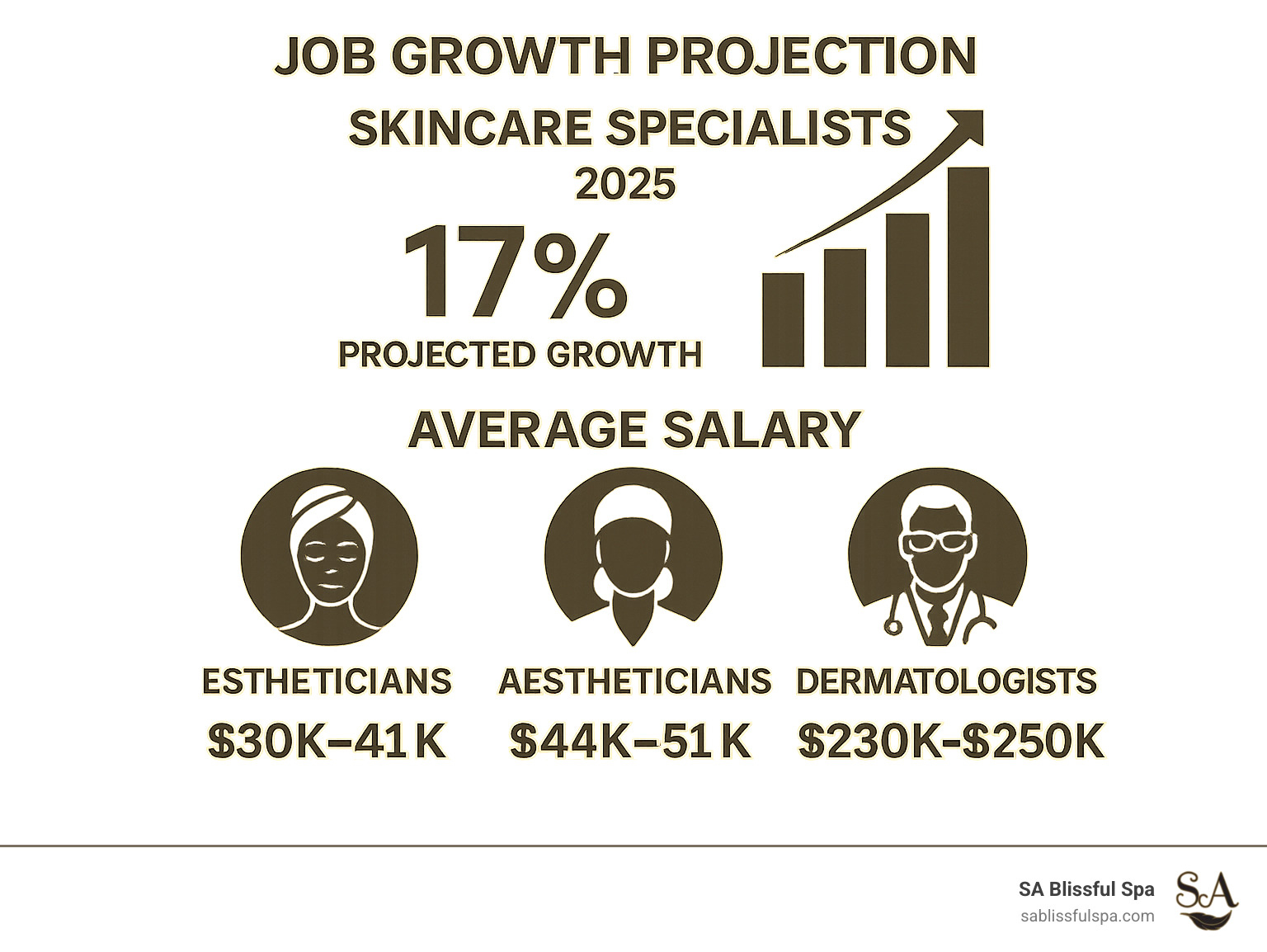
The skincare industry is booming, and the outlook for both estheticians and aestheticians is exceptionally positive. The U.S. Bureau of Labor Statistics predicts job opportunities for skincare specialists to grow 17% by 2029, which is much faster than the average for other careers. More recent projections show a 29% increase in skin care jobs between 2020 and 2030, and a 9% annual rise in demand for skin care specialists between 2022-2032. This growth is largely fueled by an increasing client demand for self-care and specialized skin treatments.
You can learn more about the career outlook for skincare specialists from the
Bureau of Labor Statistics Occupation Outlook Handbook, which details the robust growth in this field, including a
29% predicted increase in skin care jobs.
When it comes to salary, there's also a notable
difference between esthetician and aesthetician, reflecting their differing scopes of practice and work environments.
- The average salary for all skin care specialists was approximately $41,230 as of May 2020.
- Estheticians working in 'Personal Care Services' (like spas and salons) earned an average annual salary of $40,910 as of May 2020.
- Estheticians working in doctor's offices (often functioning as aestheticians or medical estheticians) earned a higher average annual salary of $47,010 as of May 2020.
- More recent data suggests the average aesthetician salary is around $33,000 per year, whereas the average esthetician salary is $35,000 annually. However, medical aestheticians working in the offices of physicians can earn a median salary of $49,710 a year, and some can earn well over $100,000 annually depending on experience, location, and specialization.
Disclaimer: Please note that these salary figures are averages based on internet data and not actual costs for SA Blissful Spa. Individual salaries can vary widely based on location, experience, specific services offered, and the type of establishment.
Estheticians, Aestheticians, and Dermatologists: Understanding the Roles

When exploring the
difference between esthetician and aesthetician, it's helpful to understand how both professionals fit into the broader world of skin care, especially alongside dermatologists. Think of it as a three-tier system where each professional serves different needs and has distinct qualifications.
The biggest distinction is pretty straightforward: while estheticians and aestheticians are licensed skin care specialists, dermatologists are actual medical doctors. This isn't just a fancy title difference – it represents years of additional education and a completely different scope of practice.
How do estheticians and aestheticians differ from a dermatologist?
Dermatologists are full-fledged medical doctors who have dedicated over a decade to understanding skin health from a medical perspective. They complete
four years of college, followed by
four years of medical school, and then
three to four years of specialized dermatology residency. That's at least
12 years of intensive education focused on diagnosing and treating medical conditions.
What does all that training mean for you? Dermatologists can
diagnose and treat over 3,000 skin conditions, from everyday concerns like acne and eczema to serious diseases like skin cancer. They're the professionals who can
perform biopsies,
prescribe medications, and
conduct surgical procedures. When you have a suspicious mole, persistent rash, or severe acne that won't respond to over-the-counter treatments, a dermatologist is who you need to see.
On the flip side, both estheticians and aestheticians focus on improving your skin's health and appearance, but they approach it from a wellness and beauty perspective rather than a medical one.
Estheticians concentrate on
cosmetic skin care – think relaxing facials, gentle exfoliation, and maintaining healthy skin through preventative treatments.
Aestheticians work more in the
paramedical space, often in medical settings, performing advanced procedures like deeper chemical peels or laser treatments under medical supervision.
Here's what's important to remember: neither estheticians nor aestheticians can
diagnose medical conditions or
prescribe medication. They're trained to recognize when something needs medical attention and will refer you to a dermatologist when necessary. It's actually a beautiful collaboration – your esthetician might help you maintain glowing skin between dermatology visits, while your dermatologist handles any medical concerns.
For a more detailed comparison of these roles, check out our guide on
esthetician vs dermatologist.
How do state regulations affect their responsibilities?
Here's where things get interesting – and sometimes confusing. The
difference between esthetician and aesthetician isn't just about training and focus; it's also heavily influenced by where you live.
State regulations play a huge role in defining what each professional can and cannot do.
Each state's licensing board creates specific rules about
scope of practice – basically, a detailed list of what services each professional is legally allowed to perform. For example, in some states, an esthetician might be permitted to perform light chemical peels, while in others, that same treatment might require an aesthetician working under medical supervision.
Laser treatments are almost always heavily regulated, typically requiring aestheticians to work directly under a physician.
These regulations exist for good reason –
they protect you, the client. By ensuring that only properly trained professionals perform specific treatments, states help prevent injuries and ensure you receive safe, effective care. Neither estheticians nor aestheticians can step outside their defined scope of practice, which means
no diagnosing medical conditions,
no prescribing medications, and
no surgical procedures.
What makes this particularly important is that
state legislation affects licensing requirements and daily responsibilities. The term "medical aesthetician" might be a recognized specialty in one state but simply a job description in another. Some states offer
Master Esthetician licenses that allow for more advanced treatments, while others keep stricter boundaries.
For clients, this means it's worth asking your skin care professional about their specific training and what they're licensed to do in your state. At SA Blissful Spa in Massachusetts, our licensed estheticians are well-versed in state regulations and will always work within their scope of practice to provide you with safe, effective treatments.
The bottom line? While we can give you general guidance about these roles,
local laws always take precedence. When in doubt, your skin care professional should be happy to explain exactly what they can offer and when they might recommend seeing a dermatologist instead.
Frequently Asked Questions about Skin Professionals
We often get questions about the roles of estheticians and aestheticians. Here are some of the most common ones we encounter:
Is one spelling ('esthetician' vs. 'aesthetician') more common or professional?
This is perhaps the most common point of confusion! The spelling
difference between esthetician and aesthetician is largely a matter of regional preference and perceived focus, rather than a universally regulated distinction in professional standing.
The truth is, neither spelling is inherently more professional than the other.
'Esthetician' (without the 'a') is generally more common in American English, particularly within the traditional beauty and spa industry. You'll see this spelling frequently in day spas, salons, and wellness centers where the focus is on cosmetic skin care, relaxation, and beautifying treatments.
'Aesthetician' (with the 'ae') follows British English conventions and is often used in the U.S. to suggest a more medical or clinical focus. Many medical spas and dermatology clinics prefer "aesthetician" or "medical aesthetician" to differentiate their services as more advanced or medically oriented.
However, here's what's important to understand: this isn't a universally regulated distinction. Some states use 'esthetician' in their official licensing, while others use 'aesthetician' for essentially the same qualifications and scope of practice. The professionalism of either title comes from the individual's training, licensure, and adherence to ethical practices - not just the spelling on their business card.
No, an esthetician cannot perform medical procedures. This is a clear line in the sand regarding the
difference between esthetician and aesthetician and dermatologists.
Estheticians are limited to non-invasive, cosmetic treatments that primarily affect the surface layers of the skin. We work within a specific scope of practice that doesn't include diagnosing skin conditions, prescribing medication, or performing any procedure that significantly breaks the skin barrier. You won't find us giving injections or performing surgical procedures - that's simply not what we're trained or licensed to do.
Aestheticians, particularly those with advanced training working in medical settings, may perform certain paramedical procedures like deeper chemical peels or some laser treatments. However, these are almost always performed under the direct supervision or guidance of a licensed medical doctor, such as a dermatologist or plastic surgeon. Even with this advanced training, they still cannot diagnose medical conditions or prescribe medication.
The bottom line? If a procedure requires a medical diagnosis, involves breaking the skin deeply, or requires prescription medication, it falls outside the scope of practice for both estheticians and aestheticians and should only be performed by a medical doctor.
Which professional is right for my skin concerns?
Choosing the right skin care professional depends entirely on your specific needs and goals, and understanding this choice is key to getting the best results for your skin.
Choose an esthetician if you're looking for
relaxation and rejuvenation through facials and massages,
routine skin maintenance and preventative care, or solutions for
general skin concerns like dryness, oiliness, or mild acne. We're also your go-to for
cosmetic improvements like waxing, lash extensions, or makeup application, all delivered in a
pampering spa environment designed for your comfort and relaxation.
Choose an aesthetician when you need
more intensive, corrective treatments for specific skin issues like significant sun damage, deeper wrinkles, scarring from acne or injury, or severe hyperpigmentation. They're equipped for
procedures involving advanced technology like certain lasers, microneedling, or medical-grade chemical peels. Aestheticians also provide
pre- or post-operative skincare support for cosmetic surgeries and can assist with
skin concerns related to medical treatments like chemotherapy or radiation, typically in a clinical setting alongside a dermatologist or plastic surgeon.
Consult a dermatologist if you have
undiagnosed skin issues like rashes, lesions, or growths,
persistent or severe acne that doesn't respond to conventional treatments, or
suspected skin infections, allergies, or autoimmune conditions. Dermatologists are essential for
skin cancer concerns and
chronic skin diseases like psoriasis, eczema, or rosacea that require medical management. Any skin issue that requires a medical diagnosis, prescription medication, or surgical intervention should be addressed by a dermatologist first.
Conclusion: Your Path to Healthy Skin
Understanding the
difference between esthetician and aesthetician empowers you to make the best choice for your skin's unique needs. It's really that simple – once you know what each professional focuses on, finding the right fit becomes much clearer.
Estheticians are your partners in
cosmetic skincare and relaxation. We specialize in helping you maintain beautiful, healthy skin through luxurious treatments like facials, gentle peels, and waxing services. Our focus is on making you feel pampered while addressing everyday skin concerns in a peaceful spa environment.
Aestheticians take a more
clinical approach, working in medical settings to tackle complex skin issues with advanced procedures. They're your go-to for corrective treatments that require specialized equipment or medical oversight.
And when you need actual
medical diagnosis or treatment for skin conditions, a dermatologist is the only professional qualified to provide that level of care.
At SA Blissful Spa, our
licensed estheticians bring expertise and genuine care to every treatment. We believe your skincare journey should be both effective and enjoyable. Whether you're dealing with dry skin that needs deep hydration, searching for the perfect facial to help you unwind, or wanting to achieve that healthy glow for a special occasion, we're here to help.
Our personalized approach means every treatment is custom specifically to you. We take time to understand your skin's needs and your personal goals, then create a treatment plan that delivers real results in our serene, welcoming environment.
Your skin deserves expert care from professionals who truly understand the art and science of skincare. We invite you to experience the difference that comes from working with estheticians who are passionate about helping you look and feel your absolute best.
Ready to start your journey to healthier, more radiant skin?
Find expert estheticians near you at SA Blissful Spa, proudly serving Burlington, MA, and the surrounding communities of Arlington, Bedford, Belmont, Billerica, Carlisle, Concord, Lexington, Lincoln, Melrose, North Reading, Reading, Stoneham, Wakefield, Watertown, Wilmington, Winchester, and Woburn.