Why Understanding Professional Skincare Roles Matters
The difference between a dermatologist and an esthetician is one of the most common questions in skincare. With 64.5% of people experiencing skin abnormalities and over 44 million dermatologist visits annually, choosing the right professional can save you time, money, and protect your health.
Quick Answer: Key Differences
- Dermatologist: Medical doctor (MD) who diagnoses and treats skin diseases, prescribes medication, and performs surgery.
- Esthetician: Licensed skincare specialist focused on cosmetic treatments and improving skin appearance.
- Education: Dermatologists complete 12+ years of medical training; estheticians require 300-1,000 hours of training.
- Scope: Dermatologists treat medical conditions; estheticians provide beauty and maintenance services.
- Setting: Dermatologists work in medical offices; estheticians work in spas and salons.
The confusion is understandable. Both professionals work with skin, but their training and focus are vastly different. One treats medical conditions, while the other improves your natural beauty.
As Saloni Bhandari, founder of SA Blissful Spa and licensed esthetician, I've spent years helping clients understand
the difference between a dermatologist and an esthetician. Knowing when to seek medical treatment versus cosmetic improvement is crucial for your skin's health and your satisfaction with the results.
 Difference between a dermatologist and an esthetician
terms explained:
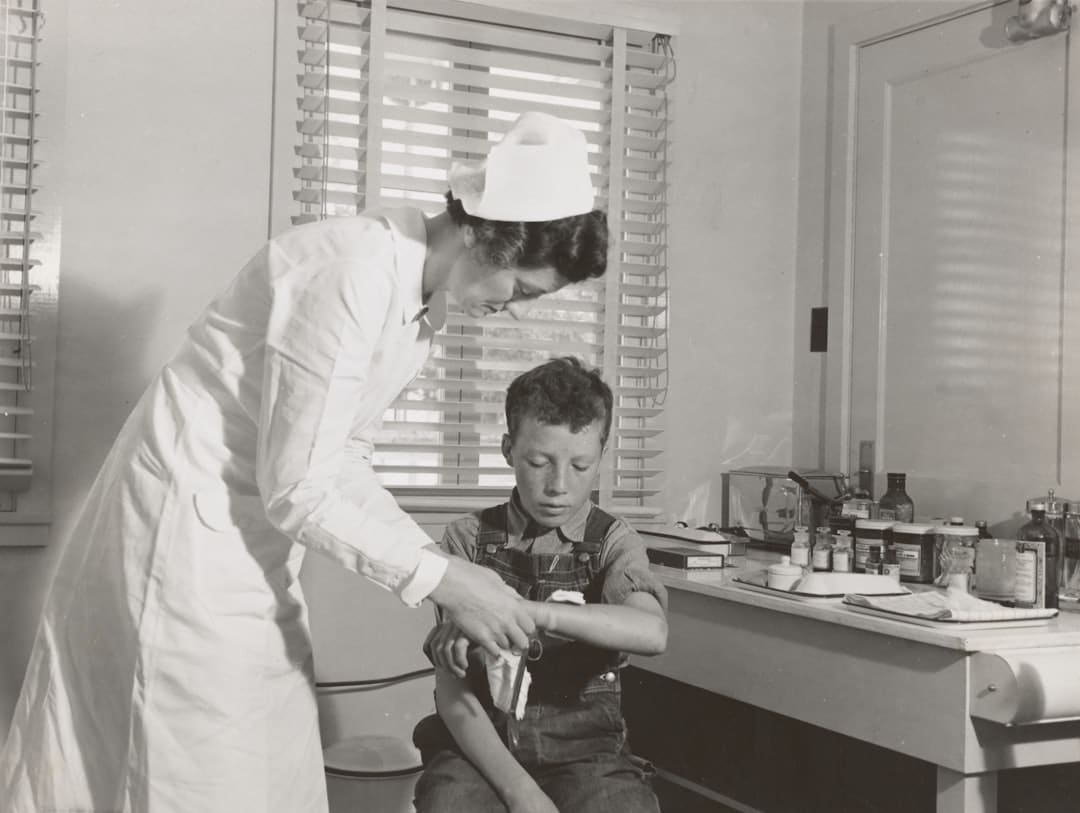
What is a Dermatologist? The Medical Skin Expert
Think of a dermatologist as your skin's personal physician. These highly trained medical doctors (MDs) specialize in diagnosing, treating, and preventing diseases of the skin, hair, and nails. The
difference between a dermatologist and an esthetician becomes clear when you realize dermatologists focus on medical health, not just beauty treatments. A dermatologist is your expert for a mysterious rash, a changing mole, or severe acne.

Education and Credentials
Becoming a dermatologist requires at least
12 years of intensive training. The journey includes a bachelor's degree, four years of medical school, a one-year internship, and a highly competitive three-year dermatology residency. After residency, most pursue
board certification through the
American Board of Dermatology, a rigorous standard that allows them to add "FAAD" (Fellow of the American Academy of Dermatology) to their name.
Continuing medical education is also required to stay current. This extensive background highlights the
difference between a dermatologist and an esthetician.
Conditions Treated and Services Offered
Dermatologists handle over 3,000 skin, hair, and nail conditions, from common concerns to life-threatening diseases.
- Acne: Treated with prescription medications and advanced procedures.
- Eczema and Psoriasis: Managed with specialized treatments addressing underlying immune issues.
- Rosacea: Targeted therapies reduce facial redness and visible blood vessels.
- Skin Cancer: Dermatologists are experts in detection, performing biopsies and surgical procedures like Mohs surgery.
- Hair Loss and Nail Disorders: Investigated to find and treat underlying medical causes.
- Infections: They treat bacterial, viral, and fungal skin infections.
A key distinction is their ability to
prescribe medication, perform
biopsies, and conduct
surgical procedures like mole or cyst removal. Many also offer advanced
cosmetic procedures like Botox, dermal fillers, deep chemical peels, and laser treatments from a medical perspective, ensuring safety. This training allows them to identify when skin problems signal broader health concerns. For
more info about skin doctors, we've got you covered with additional details about their roles and specialties.
What is an Esthetician? The Skincare and Beauty Specialist
In contrast to a dermatologist's medical focus, an esthetician is a licensed professional who improves the skin's cosmetic appearance and health. Think of us as your skin's personal trainer, focusing on beautification, maintenance, and relaxation for the epidermis (the outermost skin layer). As Dr. Susan Massick, a clinical associate professor of dermatology, explains, "An esthetician’s main focus is on beautifying the epidermis – that’s the surface layer of the skin."

Education and Credentials
Becoming an esthetician requires specialized training and state licensure, a much shorter path than a dermatologist's. Requirements vary by state but generally include:
- Training Hours: Completing a program at an accredited school, typically requiring 300 to 1,000 hours. For example, Florida requires 220 hours for a facial specialist.
- State Board Exam: Passing both written and practical exams to earn licensure.
- Licensing: All 50 states require estheticians to be licensed. The Associated Skin Care Professionals (ASCP) is a great resource for finding licensed professionals.
- Continuing Education: Many estheticians pursue advanced certifications to expand their skills.
Crucially, estheticians are
not medical doctors. We
cannot diagnose skin conditions, prescribe medication, or perform invasive medical procedures. Our expertise is in non-invasive treatments and skincare guidance.
Concerns Addressed and Services Offered
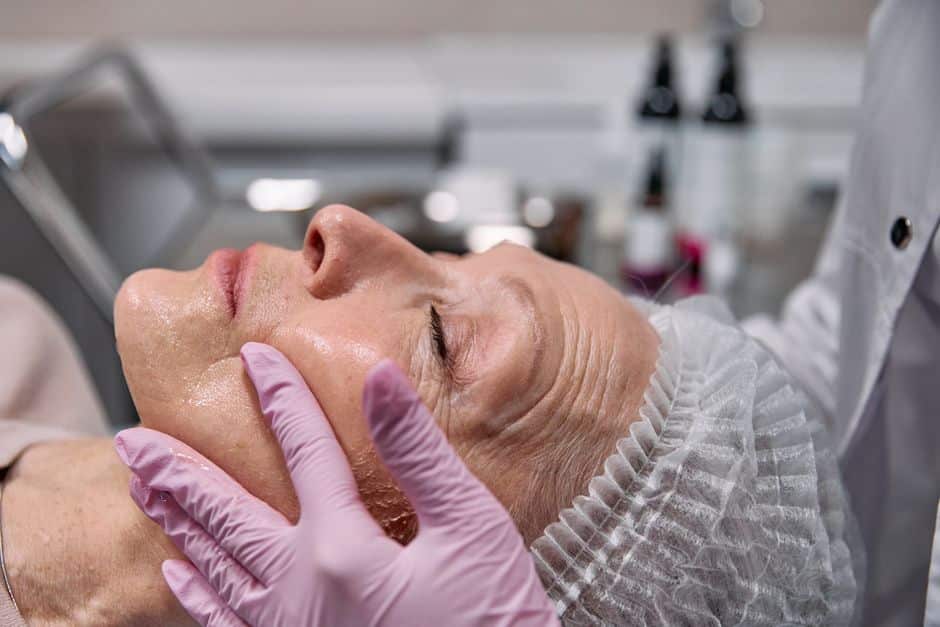
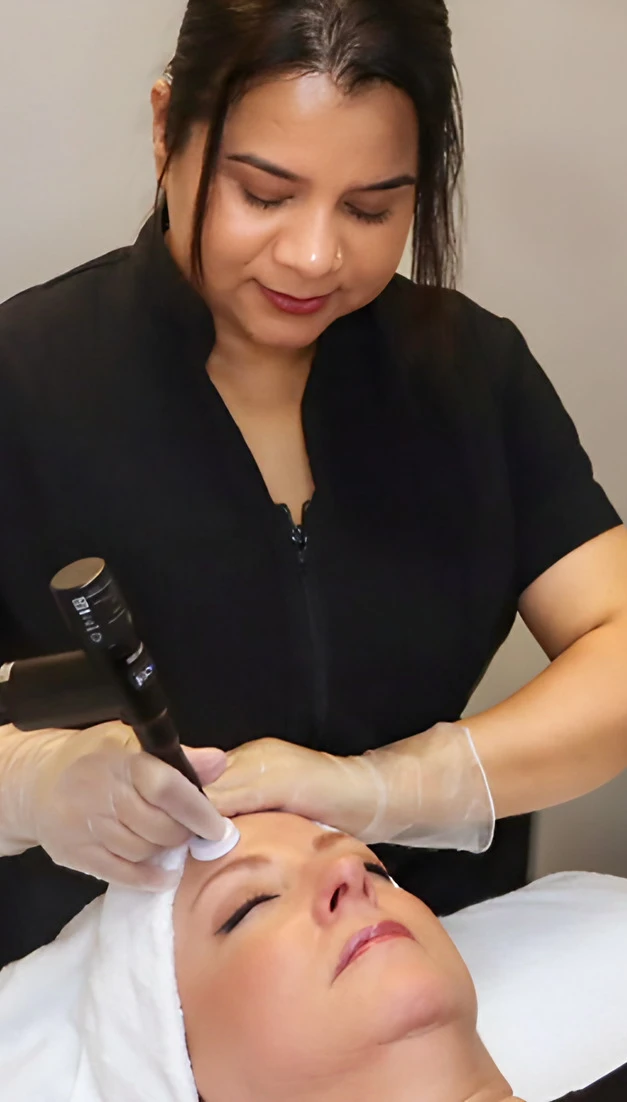
Estheticians address a wide range of cosmetic concerns to help clients achieve radiant skin. We focus on improving the skin's appearance and feel, often in a relaxing, pampering setting. Common services include:
- Facials: Customized treatments for various skin types (e.g., anti-aging, hydrating, clarifying).
- Superficial Chemical Peels: Mild peels to exfoliate the outer skin layer, improving texture and tone.
- Microdermabrasion: A non-invasive exfoliation technique for smoother, brighter skin.
- Extractions: Careful removal of blackheads and whiteheads.
- Waxing and Hair Removal: Professional removal of unwanted hair.
- Makeup Application: Services for special occasions or lessons.
- Body Wraps and Scrubs: Treatments to hydrate, detoxify, or exfoliate the body.
- Skincare Product Advice: Recommending appropriate products and home care routines.
- Light Therapy: Using devices like LED for benefits like reducing acne bacteria or stimulating collagen.
- Dermaplaning: A physical exfoliation method to remove dead skin and vellus hair. (Note: Some procedures like dermaplaning, laser, and microblading are restricted in certain states and require separate licensure).
At SA Blissful Spa, we pride ourselves on offering a wide array of treatments designed to refresh and improve your skin. You can
explore our facial spa treatments and other services to see how we can help you achieve your skin goals.
The Core Difference Between a Dermatologist and an Esthetician
The fundamental
difference between a dermatologist and an esthetician comes down to medical training and scope of practice. A dermatologist is a medical detective solving complex skin issues, while an esthetician is a wellness coach helping you look and feel your best.
Here's a direct comparison:
| Feature |
Dermatologist |
Esthetician |
| Primary Role |
Medical doctor who diagnoses & treats skin diseases |
Skincare specialist who improves skin appearance |
| Focus |
Health & pathology of skin, hair, nails |
Cosmetic appearance & maintenance of epidermis |
| Education Path |
12+ years (Bachelor's, Medical School, Residency) |
300-1,000+ hours (Esthetics school) |
| Licensing |
Medical license, Board Certification (e.g., ABD) |
State licensure (e.g., Facial Specialist) |
| Ability to Diagnose |
Yes, medically trained to diagnose conditions |
No, cannot diagnose skin conditions |
| Ability to Prescribe |
Yes, can prescribe medications |
No, cannot prescribe medications |
| Services Offered |
Medical treatments, surgery, deep peels, injectables, advanced lasers |
Facials, mild peels, microdermabrasion, waxing, makeup, product advice |
| Typical Work Setting |
Medical offices, hospitals, clinics |
Spas, salons, medical spas, beauty centers |
| Average Salary Outlook |
High (e.g., $289,200 - $392,900 in FL) |
Moderate (e.g., $41,769 - $53,105 in FL) |
Please note: Salary figures are average estimates based on internet data and can vary widely based on location, experience, and practice type. For example, while the average dermatologist salary in Florida might be in the range of $289,200 - $392,900, top earners or those in specialized practices could make upwards of $1 million annually. Similarly, while medical estheticians in Florida might earn between $41,769 and $53,105 per year, experienced or self-employed estheticians with a loyal client base can potentially earn over $150,000 annually. These are not actual costs for SA Blissful Spa services.
Understanding the Difference Between a Dermatologist and an Esthetician for Medical Conditions
For concerning signals like suspicious moles, persistent rashes, or severe acne, a dermatologist is essential. Their medical training allows them to
diagnose the underlying causes of skin problems, not just treat the symptoms you can see. They can prescribe powerful medications and create comprehensive treatment plans.
As an esthetician, I cannot diagnose medical conditions.
Legal and safety boundaries exist for your protection. If I notice anything suspicious during a treatment, like a changing mole, I will always refer you to a dermatologist for proper medical evaluation. This ensures you get the most effective care. For a deeper dive into this important distinction, check out our detailed
Esthetician vs. Dermatologist comparison.
Choosing a Professional: The Difference Between a Dermatologist and an Esthetician for Cosmetic Goals
When your goal is achieving a healthy glow, an esthetician's expertise shines. We focus on the
aesthetic side of skincare—improving texture, maintaining hydration, and helping you feel confident through relaxing, rejuvenating treatments.
Dermatologists also play an important
role in advanced cosmetic procedures like Botox, fillers, or deeper laser resurfacing, where their medical expertise ensures safety. The best results often come from
collaborative care. A dermatologist can treat a medical condition like rosacea, while an esthetician helps maintain skin health with regular facials. Many of us work as medical estheticians in dermatology offices, bridging medical and aesthetic care. If you're curious about this specialized role, you can
learn about medical estheticians and how we collaborate with medical professionals to give you the best of both worlds.
When to See a Dermatologist vs. When to See an Esthetician
Choosing between a dermatologist and an esthetician is about understanding your skin's needs. Are you dealing with a medical concern or focusing on cosmetic improvement and maintenance? If your skin is sending warning signals, it's dermatologist territory. If you're looking to pamper your skin and maintain its health, an esthetician is your perfect match.

See a Dermatologist For:
When your skin concern involves health, diagnosis, or prescription-strength treatment, a dermatologist should be your first call. They're like skilled detectives who can uncover what's really happening beneath the surface of your skin.
- Persistent or severe acne: For cystic breakouts or scarring that doesn't respond to over-the-counter products.
- Suspicious moles or lesions: Any new or changing growths require immediate medical attention.
- Rashes, hives, or allergic reactions: A medical diagnosis is needed for sudden or persistent rashes.
- Eczema, psoriasis, or rosacea flare-ups: These chronic conditions require a dermatologist's long-term management.
- Hair loss or nail problems: These can signal underlying health issues that need a medical diagnosis.
- Desire for injectables or deep peels: Procedures like Botox, fillers, or deep chemical peels require a doctor's expertise for safety.
- Any skin concern involving pain, bleeding, or rapid changes should be treated as a red flag requiring immediate medical evaluation.
To find a qualified professional in your area, you can
find a board-certified dermatologist via the AAD.
See an Esthetician For:
When your goals center around improving your skin's appearance, maintaining its health, or simply treating yourself to some well-deserved relaxation, an esthetician is your ideal partner. We specialize in preventative care, cosmetic improvement, and creating that blissful experience your skin craves.
- Relaxing and rejuvenating facials: To deep cleanse, hydrate, and pamper your skin.
- Improving skin tone and texture: To address dullness, minor discoloration, or rough patches.
- Routine skin maintenance: Professional treatments help prevent future issues and keep skin healthy.
- Mild acne and blackheads: We provide effective extractions and targeted treatments for surface-level breakouts.
- Anti-aging treatments: We can help reduce fine lines and boost radiance with non-invasive treatments.
- Hair removal services: Professional waxing, sugaring, or threading for smooth skin.
- Skincare product advice: To help you steer options and build an effective routine.
Understanding
the difference between a dermatologist and an esthetician helps you make the right choice for your specific needs. For those in the Burlington, MA area seeking expert esthetic care, we're here to help you achieve your skin goals in our peaceful, professional environment. You can
find estheticians near you and find how we can make a difference for your skin's health and beauty.
Frequently Asked Questions about Skin Professionals
When clients visit us at SA Blissful Spa, they often have burning questions about
the difference between a dermatologist and an esthetician. The confusion is completely understandable, so here are answers to the most common questions.
The answer depends on state regulations, which vary significantly. In most states,
microneedling is considered a medical procedure because it penetrates the skin, posing a risk of infection. Therefore, it often requires direct physician supervision.
Laser treatments are even more regulated. Most laser procedures require a medical license to operate. In many states, only dermatologists or other medical professionals can perform these treatments, or an esthetician may do so only under direct medical supervision. Always check your local laws and verify your practitioner's credentials before booking any advanced treatment. Your safety is the top priority.
Is it cheaper to see an esthetician than a dermatologist?
Generally, yes for cosmetic services, but it's nuanced. A dermatologist visit for a
medical issue is often covered by insurance if deemed medically necessary. However,
cosmetic procedures from a dermatologist, like Botox or fillers, are not covered by insurance and can be costly. A consultation alone can be $100-$500, with procedures like Botox costing $300-$1,500 and lasers running $500-$5,000 per session.
Esthetician services are typically out-of-pocket but are generally more accessible for cosmetic goals. Based on internet data (not our actual SA Blissful Spa prices), facials can range from $75 to $300+, microdermabrasion might cost $100 to $350 per session, and waxing services typically range from $15 to $100. You can visit an esthetician more frequently for routine maintenance without breaking the bank.
Can a dermatologist provide esthetician services like facials?
Yes,
dermatologists are medically qualified to perform any service an esthetician offers. They have extensive training in skin anatomy and physiology. However,
it's typically not the primary focus of their practice or the most cost-effective choice for a basic facial. Most dermatologists focus on diagnosing medical conditions and performing advanced procedures.
Some dermatology practices employ medical estheticians to handle routine facials and cosmetic services under the doctor's supervision. This collaborative approach gives patients the best of both worlds, highlighting how
the difference between a dermatologist and an esthetician allows each to bring unique expertise to your skincare.
Conclusion: Partnering for Your Best Skin
Understanding
the difference between a dermatologist and an esthetician empowers you to make confident decisions on your skincare journey. A dermatologist is your medical expert for skin health and disease, while an esthetician is your beauty specialist for enhancing your skin's natural radiance.
The key is choosing the right professional for your needs. For
medical concerns like suspicious moles or inflammatory conditions, a dermatologist's medical training is invaluable. For
cosmetic improvements and routine maintenance, an esthetician offers expertise and relaxation.
These two roles can work together harmoniously. A dermatologist can address underlying medical issues, while we complement that care with treatments to refine texture and maintain results. This partnership ensures both your health needs and aesthetic goals are met.
Choosing the right professional saves you time, money, and protects your health. It empowers you to take control of your skincare with confidence.
For those in the Burlington, MA area seeking to improve their skin's beauty and health, SA Blissful Spa offers a serene environment for rejuvenation. Our skilled team delivers exceptional results that leave your skin feeling truly blissful.
Ready to experience the difference personalized esthetic care can make?
Explore our facial services and let us help you achieve your healthiest, most radiant complexion in our peaceful Burlington sanctuary.