Your Ultimate Guide to At-Home Waxing
Wax for wax machine selection is crucial for achieving smooth, salon-quality results at home. The global hair removal market, valued at $10.7 billion in 2023, shows increasing demand for at-home waxing solutions as busy professionals seek cost-effective alternatives to salon visits.
Quick Answer: Best Wax Types for Wax Machines
- Hard Wax Beads: Ideal for sensitive areas (face, bikini) - adheres to hair, not skin
- Soft Wax: Best for large areas (legs, arms) - economical and fast coverage
- Sugar Wax: Organic option using sugar, water, and lemon - pulls hair naturally
- Paraffin Wax: Professional-grade option for consistent temperature control
The key to successful at-home waxing lies in choosing the right wax for your machine and skin type. Hard wax beads work best for coarse hair and sensitive areas, while soft wax excels at covering large body areas quickly. Temperature control is critical - aim for a honey-like consistency at 150-180°F to avoid burns while ensuring effective hair removal.
Modern digital wax warmers have revolutionized home waxing by maintaining consistent temperatures throughout your session. As one satisfied user shared: "The kit made at-home waxing SO easy! It heats up fast, grabs even the stubborn hairs, and leaves my skin super smooth."
I'm Saloni Bhandari, founder of SA Blissful Spa, and I've helped countless clients master the art of hair removal through both professional treatments and guidance on selecting the best
wax for wax machine setups at home. My experience as a licensed esthetician has shown me that the right wax choice makes all the difference between frustration and flawless results.
 Wax for wax machine
glossary:
Understanding Your Waxing Setup
Think of your waxing machine as your best friend in at-home hair removal. It's not just some fancy gadget collecting dust on your shelf – it's a carefully designed device that transforms solid
wax for wax machine into the perfect consistency for smooth, effective hair removal.
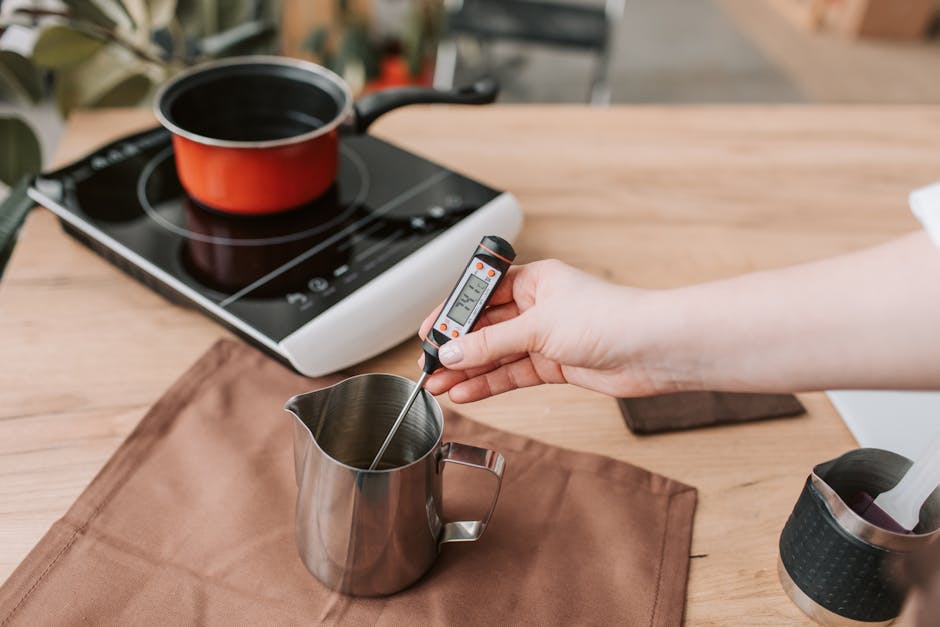
Here's the magic behind these little powerhouses: wax machines (also called wax warmers or heaters) use internal heating elements to gently melt your solid wax into that perfect liquid consistency we're all after. Most come equipped with a thermostat or temperature control dial that lets you set and maintain just the right heat level.
This temperature control isn't just a nice-to-have feature – it's absolutely crucial. Different waxes need different temperatures, and keeping things consistent prevents your wax from becoming dangerously hot (hello, burns!) or frustratingly cool (goodbye, effective hair removal).
Digital wax warmers are real game-changers, especially if you're just starting your at-home waxing journey. These smart devices display the exact temperature, taking all the guesswork out of the process. No more wondering if your wax is ready or playing the dangerous game of "is this too hot?" The precision makes your entire waxing experience safer and way more enjoyable. For those ready to dive deeper into advanced techniques, our guide on
Hard Wax Hair Removal has you covered.
The Different Types of Wax for a Wax Machine
Choosing the right
wax for wax machine can feel overwhelming with all the options out there, but understanding the basics will set you up for success. Each type has its own personality and works best in different situations.
Hard wax beads are the superstars of at-home waxing, especially if you're dealing with sensitive areas. These little beads melt into a thick, workable consistency that's surprisingly gentle. The beauty of hard wax? It sticks to your hair, not your skin, and hardens on its own so you can peel it off without any strips. This makes it perfect for delicate spots like your face, underarms, and bikini area.
The secret ingredients in hard wax include natural
resins (like rosin),
beeswax for that perfect pliable texture, and soothing oils like jojoba or wheat germ oil. Some formulas even contain
titanium dioxide, which helps calm redness – a blessing for sensitive skin types.
Soft wax is your go-to for covering large areas quickly and economically. It comes in cans and needs waxing strips for removal. While it adheres to both hair and skin (making it a bit more intense), it's incredibly effective for legs, arms, and back areas where you want to get the job done fast.
Sugar wax brings us back to ancient beauty secrets with its simple, natural formula of sugar, water, and lemon juice. What makes it special? You apply it against hair growth and remove it with the grain, which can mean fewer ingrown hairs and less breakage. Plus, it's water-soluble, so cleanup is a breeze.
Paraffin wax deserves a mention here, though it's more about pampering than hair removal. While your wax machine can absolutely melt paraffin for luxurious hand and foot treatments, it's all about moisturizing and soothing rather than removing unwanted hair.
Each wax type gets its unique properties from carefully chosen ingredients. Resins provide that essential stickiness, beeswax adds flexibility, and various oils and additives improve performance and comfort. For detailed brand recommendations, check out our
Best Hard Wax Brands guide.
How Temperature Control Impacts Your Results
Temperature control isn't just important – it's everything when it comes to successful waxing with your
wax for wax machine. Get this right, and you're golden. Get it wrong, and you're in for a frustrating (and potentially painful) experience.
Too hot, and you're risking burns and serious skin irritation. Too cool, and your wax becomes thick and stubborn, refusing to spread properly or grab hair effectively. It's like trying to spread cold peanut butter on toast – technically possible, but why make life harder for yourself?
The sweet spot for most hair removal waxes sits between
150-180°F (65-82°C), aiming for that perfect honey-like consistency. Digital wax warmers shine here because they let you dial in the exact temperature and maintain it throughout your session.
Here's a non-negotiable rule:
always do a patch test on a small area like your wrist before diving into your full waxing session. This simple step ensures your wax temperature is comfortable and checks for any skin reactions.
Proper temperature control makes a world of difference in comfort levels. While some sensation is normal with waxing, getting the temperature just right can minimize unnecessary discomfort. If you're curious about what to expect, our article
Does Eyebrow Waxing Hurt? offers helpful insights into managing the waxing experience.
Hard Wax vs. Soft Wax: The Ultimate Showdown
The age-old debate in the waxing world comes down to one crucial question: hard wax or soft wax? As someone who's guided countless clients through their hair removal journeys, I can tell you that choosing the right
wax for wax machine isn't just about personal preference – it's about matching the wax to your specific needs and body areas.

Think of it this way: hard wax is like that gentle friend who knows exactly when to let go, while soft wax is the efficient buddy who gets the job done fast across large areas. Both have their place in your at-home waxing toolkit, and understanding their differences will transform your results.
Here's what you need to know about each type:
| Feature |
Hard Wax |
Soft Wax |
| Application Method |
Applied in a thicker layer, hardens on its own |
Applied in a thin layer with a spatula |
| Removal Method |
Pulled off directly by hand (stripless) |
Removed with a fabric or paper strip |
| Best for Areas |
Small, sensitive areas: face, bikini, underarms |
Large areas: legs, arms, back, chest |
| Pain Level |
Generally considered less painful as it adheres to hair, not skin |
Can be more painful as it adheres to skin as well |
| Skin Type Suitability |
Excellent for sensitive skin; reduces irritation |
Can be more irritating for sensitive skin due to adhesion |
The beauty of understanding these differences becomes crystal clear when you're planning treatments like a
Brazilian Bikini Wax, where the gentler approach of hard wax makes all the difference in comfort and results.
Advantages of Using Hard Wax
Hard wax is truly the MVP when it comes to sensitive areas and coarse hair removal. The magic lies in its unique ability to
adhere only to the hair, not your skin. This game-changing property means significantly less pain and irritation – something your delicate facial skin and bikini area will thank you for.
Picture this: you're tackling those stubborn hairs during an
Underarm Hair Wax session. With hard wax, there's
no need for strips – the wax hardens on its own and gets pulled off directly. It's like having a built-in removal system that grabs even the most stubborn, coarse hairs without the mess of fabric strips.
What makes hard wax particularly brilliant is how it encapsulates each hair completely. This means it can grab those tricky short hairs that other methods might miss, leaving you with incredibly smooth results. Plus, since it's
ideal for sensitive areas like your face and bikini line, you can achieve professional-level smoothness in areas where precision and gentleness matter most.
When to Choose Soft Wax
Soft wax shines when you need to
cover large areas quickly and efficiently. If you're planning a full leg session or tackling your arms and back, soft wax is your speed demon. Its ability to spread in an ultra-thin layer means you can cover vast expanses of skin in record time.
The trade-off? You'll need those trusty
waxing strips for removal. But here's the thing – this system is incredibly
economical for large body parts. You get maximum coverage with minimal product, making it perfect for those areas where
How Long Does Leg Waxing Last? becomes your primary concern rather than sensitivity.
Soft wax works by adhering to both hair and the top layer of skin, which makes it incredibly effective at catching every hair in its path. While this means it can be more intense on sensitive areas, it's absolutely perfect for legs, arms, and back where you want thorough, efficient hair removal across large surfaces.
The key is knowing when to use which type of
wax for wax machine – and now you're equipped with that knowledge to make the best choice for each area of your body.
Choosing the Right Wax for Your Wax Machine
Finding the perfect
wax for wax machine is like finding the right skincare routine – it's all about understanding what works best for your unique needs. Your skin type, hair texture, and the areas you want to wax all play important roles in this decision.

If you have
sensitive skin, you'll want to look for hard waxes that contain soothing ingredients like titanium dioxide, chamomile, or azulene. These gentle formulations are designed to minimize redness and irritation – exactly what you need for delicate facial areas. Our
Best Face Wax for Sensitive Skin guide dives deeper into these gentle options.
Your
hair type matters too. Coarse or stubborn hair responds beautifully to hard waxes because they grip the hair shaft more firmly. Think of it like a strong handshake – it gets the job done! On the other hand, finer hair on larger areas can be effectively tackled with soft waxes that spread easily and work quickly.
The
body area you're targeting is equally important. Hard wax shines on sensitive spots like your face, bikini line, and underarms, while soft wax is your best friend for covering large areas like legs and arms efficiently.
Now, let's talk about choosing the right machine to melt your
wax for wax machine. The
capacity you need depends on your waxing habits. Single-pot warmers are perfect for personal use at home, while double-pot warmers let you heat two different wax types at once – handy if you're doing a full-body session with both hard and soft wax.
Digital temperature control is worth every penny. Unlike analog dials that leave you guessing, digital displays show you exactly what temperature you're working with. This precision keeps you safe from burns and ensures your wax has that perfect honey-like consistency every time.
Look for kits that include
accessories like spatulas, pre-wax cleansers, and soothing post-wax oils. These extras are especially valuable for beginners who are still building their waxing toolkit. A good
warranty is also a sign that the manufacturer stands behind their product – some quality brands offer up to two years of coverage on their warmers.
What is the Best Wax for a Wax Machine at Home?
For most people starting their at-home waxing journey, an all-in-one hard wax kit is the sweet spot. These comprehensive packages take the guesswork out of shopping by including everything you need: a digital warmer, plenty of hard wax beads, pre and post-wax care products, and applicators.
Hard wax beads are incredibly versatile. You can use them on your face, bikini area, underarms, and even legs – making them a smart investment for your
wax for wax machine arsenal. Many brands offer different scents and colors too, which makes the whole experience more enjoyable.
If you're feeling nervous about trying this at home, you're not alone! Thankfully, there are fantastic visual resources available. Check out tutorial videos on platforms like
TikTok and
YouTube from reputable waxing brands. Seeing the technique in action can boost your confidence and help you avoid common beginner mistakes.
The key is starting with quality products that are designed for home use. Professional-grade
wax for wax machine options often include detailed instructions and customer support, which can be invaluable when you're learning the ropes.
Understanding Wax Machine Price Ranges
The cost of wax machines varies quite a bit, depending on what features and capacity you're looking for. Basic single-pot warmers start around $25 – perfect for occasional touch-ups or if you're just testing the waters with at-home waxing.
Mid-range all-in-one kits typically fall between $40 to $100 and offer excellent value for beginners. These kits bundle everything together, so you're not hunting around for compatible wax types or accessories. It's like getting a complete starter set that takes the complexity out of your first waxing experience.
For those who want professional-grade equipment, larger capacity warmers can range from $80 to over $250. These heavy-duty machines are built for frequent use and often include advanced temperature controls and larger wax capacity. They're a smart investment if you plan to wax regularly or share the machine with family members.
Please note: These are average prices based on general market data and not specific costs for SA Blissful Spa services or products.
The beauty of investing in quality
wax for wax machine equipment is that it pays for itself over time. When you consider that professional waxing sessions can cost $50-150 per visit, a good home setup becomes quite economical after just a few uses.
Your Guide to a Flawless At-Home Wax
Ready to transform your bathroom into a professional waxing sanctuary? With the right
wax for wax machine and a bit of know-how, you'll be achieving silky-smooth results that rival any spa experience. Let me walk you through the process step by step – it's easier than you might think!
 Preparation is everything
when it comes to successful waxing. Start by setting up a clean, organized space with good lighting. The night before your waxing session, gently exfoliate the area you plan to wax – this helps prevent those pesky ingrown hairs that nobody wants.
On waxing day,
cleanse your skin thoroughly with a pre-wax spray or simple rubbing alcohol. This removes any oils, lotions, or deodorant that could interfere with the wax's grip. Here's a pro tip from our spa:
apply a light dusting of talcum powder to absorb excess moisture. This simple step makes a huge difference in how well your
wax for wax machine adheres to the hair rather than your skin.
Melting your wax requires patience and attention. Place your chosen wax into the machine and start with the highest setting to speed up the melting process. Once it reaches that perfect
honey-like consistency, lower the temperature to the recommended range of 150-180°F. Always test a small drop on your wrist first – it should feel comfortably warm, never hot.
The
application technique varies depending on your wax type. For hard wax, use your applicator stick to spread a generous layer in the direction of hair growth, creating a small "lip" at the end that you can grab later. If you're using soft wax, apply it much thinner and more evenly across the area.
Swift removal is where the magic happens! With hard wax, wait just a few seconds for it to firm up (it should still be pliable, not brittle). Hold your skin taut with one hand and quickly pull the wax against the hair growth direction, keeping the motion parallel to your skin. For soft wax, press your strip down firmly, then pull it off with the same quick, confident motion.
Aftercare is crucial for maintaining healthy, happy skin. Immediately press your palm against the freshly waxed area to soothe any sting. Follow up with a post-wax oil or soothing lotion to remove residue and calm your skin. Avoid hot showers, tight clothing, and direct sunlight for the next 24-48 hours – your skin needs time to recover.
For those tackling facial areas, our detailed guide on
How to Wax Your Eyebrows offers specialized techniques for these delicate areas.
Safety and Maintenance Best Practices
Safety should never be an afterthought when working with heated
wax for wax machine.
Never leave your wax heater unattended while it's plugged in – wax can overheat quickly and become dangerously hot.
Temperature testing isn't optional; it's essential. That quick wrist test I mentioned? Do it every single time, even if you've been waxing for years. Your skin's sensitivity can change based on hormones, weather, or simply how your day is going.
Keep that lid on when you're not actively scooping wax. This prevents dust and debris from contaminating your wax while helping maintain consistent temperature. Think of it as keeping your wax happy and clean!
Cleaning your wax pot doesn't have to be a chore. Turn off the machine and let any remaining wax cool and harden. Most hardened wax pops right out, and you can clean any stubborn residue with an oil-based cleanser or specialized wax cleaner.
Here's something many people don't realize:
you can absolutely re-melt unused wax! Hard wax beads that have cooled in your pot are perfectly fine to reheat for your next session. Just add a few fresh beads if needed and melt as usual.
Proper hygiene becomes even more important when you're doing your own
Body Waxing at home, so always start with clean tools and fresh wax.
Troubleshooting Common Waxing Problems
Even experienced waxers run into hiccups sometimes – don't worry, most issues have simple solutions!
Wax that's too brittle or stringy usually means your temperature is off. If it's brittle and cracking, bump up the heat slightly and give it a few minutes. If it's stretching like taffy, either lower the temperature or slow down your application speed.
Hair breaking instead of pulling out cleanly is frustrating but fixable. This often happens when the wax isn't thick enough (for hard wax), the hair is too short (aim for at least 1/4 inch), or you're not pulling fast enough. Remember: confidence is key! A swift, decisive pull works better than a hesitant, slow one.
Skin irritation or excessive redness beyond the normal pink flush can indicate several issues. The wax might have been too hot, your skin wasn't properly prepped, or your pulling technique needs adjustment. Make sure you're pulling parallel to your skin, not upward, and always keep that skin taut.
If you're dealing with facial waxing concerns, our article on
Disadvantages of Waxing Facial Hair addresses common challenges and how to minimize them.
Technique adjustments often make the biggest difference. If you're new to this, be patient with yourself. Even our professional estheticians had to practice their technique! Start with easier areas like your legs before moving to more sensitive spots.
Every person's skin and hair are different. What works perfectly for your friend might need tweaking for you. Pay attention to how your skin responds and adjust accordingly – that's the beauty of at-home waxing!
Conclusion: Achieve Smooth, Radiant Skin
Your journey to silky-smooth skin doesn't have to involve expensive salon visits every few weeks. With the right
wax for wax machine and a bit of practice, you can master the art of professional-quality hair removal right from the comfort of your bathroom.
Think about it – you've learned how different wax types work with your machine, finded why temperature control makes all the difference between a successful session and a frustrating one, and explored when to choose hard wax over soft wax (and vice versa). You now know that hard wax beads are your best friend for sensitive areas like your bikini line and face, while soft wax conquers those larger areas like legs and arms with impressive efficiency.
The empowerment that comes with at-home waxing is real. No more rushing to appointments or working around someone else's schedule. No more paying premium prices for something you can absolutely do yourself with quality products and proper technique. You're in control of your hair removal routine, and that's pretty amazing!
But here's the thing – we also know that sometimes you want to treat yourself to that luxurious spa experience, or maybe you're dealing with particularly sensitive skin that needs an expert's touch. That's where our team comes in.
At SA Blissful Spa, our skilled estheticians understand that every client's skin is unique. We've helped countless people steer their hair removal journey, whether that's perfecting their at-home technique or providing those professional treatments that leave you feeling absolutely pampered. Our personalized approach means we can address your specific skin concerns and help you achieve the smoothest, most radiant results possible.
Ready to experience the SA Blissful Spa difference?
Book your professional hair wax removal service today! – because sometimes, you deserve to be completely spoiled.