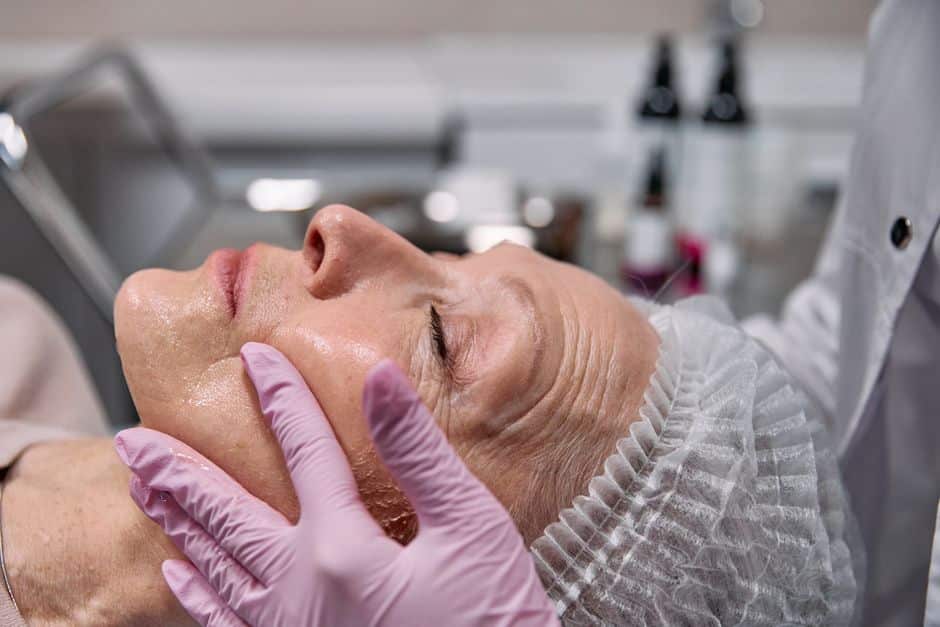
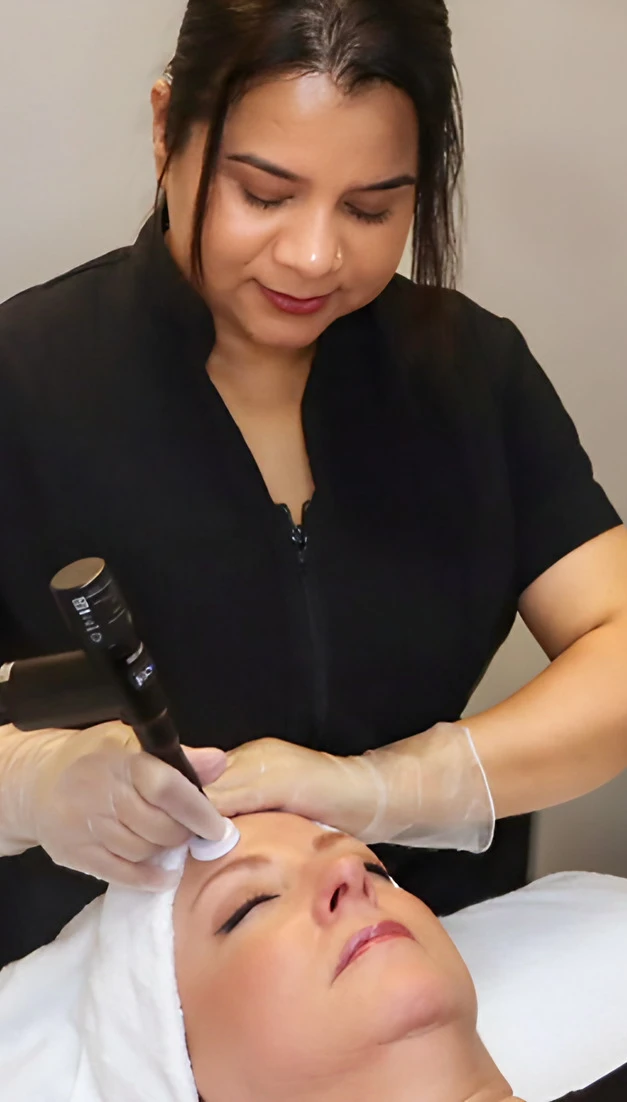
Understanding Oncology Safe Skincare: A Compassionate Approach
Oncology safe skincare refers to skincare products and routines specifically formulated for individuals undergoing cancer treatment. If you're searching for safe skincare during cancer treatment, here's what you need to know:
- Gentle, fragrance-free formulations without harsh chemicals or irritants
- pH-balanced cleansers (around 5.5) that preserve skin barrier function
- Emollient moisturizers containing ceramides to combat treatment-induced dryness
- Physical/mineral sunscreens with zinc oxide or titanium dioxide (avoid chemical filters)
- Products free from alcohol, parabens, strong fragrances, and harsh exfoliants
Cancer treatments like chemotherapy, radiation, and targeted therapies can significantly impact your skin, causing dryness, sensitivity, rashes, and increased vulnerability to sun damage. Up to 86% of patients treated with certain cancer therapies experience skin eruptions, while dry skin affects the majority of those undergoing chemotherapy.
The goal of an oncology safe skincare routine is to maintain skin barrier function, reduce discomfort, and prevent complications that might interrupt your cancer treatment. Research shows that implementing proper skincare can make a meaningful difference—studies have found that regular use of appropriate products helps prevent aggravation of cutaneous reactions during therapy.
I'm Saloni Bhandari, founder of SA Blissful Spa and an esthetician specializing in oncology safe skincare protocols that protect and nurture compromised skin during cancer treatment. My approach combines gentle, evidence-based products with compassionate care to help clients maintain skin comfort and dignity throughout their cancer journey.
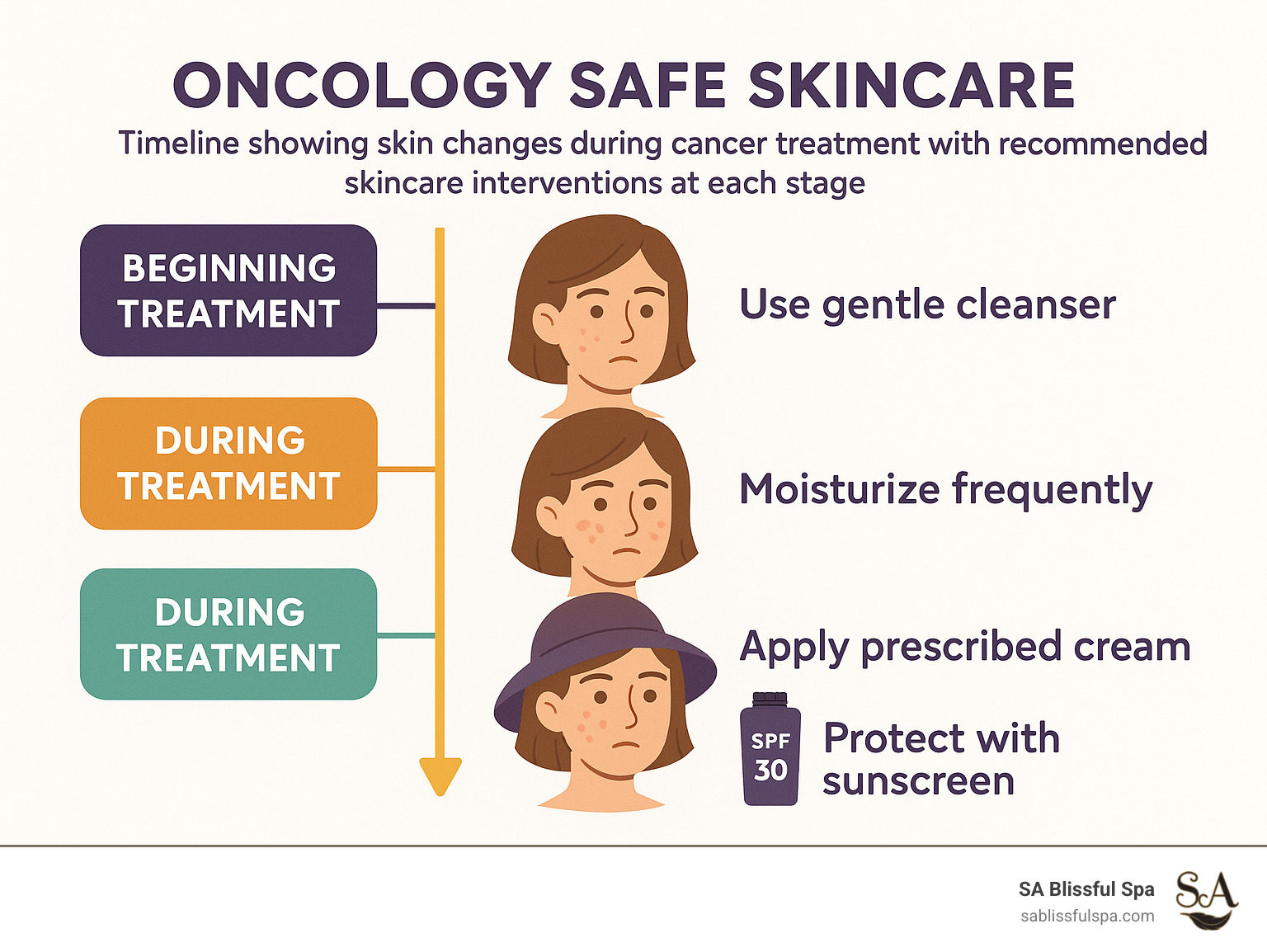
Important Oncology Safe Skincare terms: - oncology facial - oncology solutions - oncology spa solutions
Oncology Safe Skincare: Key Principles
At the heart of Oncology Safe Skincare is a deep respect for your skin’s natural barrier—especially when cancer treatments make it more delicate than ever. Chemotherapy, radiation, and targeted therapies can leave skin dry, sensitive, and prone to irritation. That’s where dermocosmetics come in: these gentle, science-backed products are specially crafted to help support and restore your skin while you focus on healing.
Think of your skin as a protective shield. Cancer treatments can thin and weaken that shield, letting moisture escape and irritants sneak in. According to a recent scientific review, everyday supportive care—like gentle cleansing, moisturizing, and sun protection—not only keeps skin more comfortable, but can also help you stay on your treatment plan with fewer interruptions.
At SA Blissful Spa, our approach is grounded in these core principles:
- Barrier support: We choose products that help reinforce your skin’s natural barrier with lipids and hydrating ingredients.
- Gentle pH-balanced cleansing: Our cleansers are close to the skin’s ideal pH (around 5.5), so they clean without stripping away what keeps your skin strong.
- Rich moisturization: Emollient moisturizers (think ceramides and fatty acids) help seal in hydration and prevent uncomfortable dryness.
- Relentless sun protection: Mineral sunscreens with zinc or titanium dioxide are our go-to for blocking UV rays, which can worsen sensitivity.
- Proactive care: We recommend starting your skincare routine as soon as possible—ideally before treatment begins—so your skin is ready for what’s ahead.
All of these steps are backed by research and real-world experience. Many clients have told us that proper skincare made a huge difference in their comfort and confidence during treatment. One client said, “I was surprised at how much better my skin felt once I switched to this routine. It became part of my healing process.”
Definition of "Oncology Safe"
So, what does “oncology safe” really mean? While you won’t find an FDA seal just yet, the term reflects a thoughtful, safety-first approach—especially for skin that needs a little extra TLC.
Oncology Safe Skincare products are usually:
- Thoroughly tested to rule out irritation and allergic reactions—because surprises are only fun at birthday parties, not in your skincare.
- Free from common irritants, such as synthetic fragrances, harsh preservatives, and alcohol-based ingredients.
- Reviewed by the experts, with input from oncologists, dermatologists, and skincare professionals who understand what your skin is going through.
Instead of ingredients that can trigger stinging or breakouts, “oncology safe” products use gentle, non-reactive alternatives that comfort and protect the skin. For example, you’ll see mineral sunscreen filters, ultra-mild cleansers, and soothing emollients—never strong acids, chemical sunscreens, or heavy fragrances.
As one of our clients shared, “Cancer is enough to deal with—I don’t want to guess if my moisturizer is safe.” We couldn’t agree more.
Oncology Safe Skincare Best Practices
Putting all these principles into action means building habits that truly care for your skin, morning and night. Here’s what dermatology and oncology experts (and our own experience at SA Blissful Spa) recommend:
Start with gentle, non-foaming cleansers twice a day to wash away impurities without disturbing your skin’s protective layer. Right after cleansing, while your skin is still a bit damp, apply a rich moisturizer to lock in hydration. Mineral-based SPF 30 or higher should be part of your daily routine—even if you’re mostly indoors, since UV rays sneak in through windows.
The best time to start? Before you begin cancer treatment. By being proactive, you give your skin the support it needs to face what’s ahead. And don’t stop once treatment ends—these habits should continue for at least 6–12 months afterward, as your skin gradually recovers.
As oncology esthetician Geralyn O’Brien puts it, “Starting early can make all the difference. Prevention is much easier than fixing problems later.” We’ve seen this first-hand at SA Blissful Spa, where clients who begin a supportive skincare routine before treatment often experience fewer and milder skin reactions.
By sticking with these Oncology Safe Skincare guidelines, you’re giving your skin—and yourself—the best chance for resilience, comfort, and healing during a challenging time. And remember: you’re never alone on this journey. We’re here to help every step of the way.
Skin Effects & Ingredient Red Flags
When you're going through cancer treatment, your skin often tells the story of your journey. Understanding these changes helps explain why certain ingredients in your bathroom cabinet might suddenly become your skin's worst enemies.

Think of your skin during cancer treatment as being in a more vulnerable state than ever before. That dry, tight feeling many patients experience? That's xerosis – extreme dryness that affects up to 35% of patients on targeted therapies. It's not just uncomfortable; those cracks in the skin can become doorways for infection.
If you're receiving radiation, you might develop radiodermatitis – a reaction that happens to almost everyone receiving external beam radiation. It can range from mild redness (like a sunburn) to more severe reactions where the skin becomes moist and begins to peel.
Those bumps that look like acne but don't respond to your usual spot treatment? That's likely an acneiform eruption, affecting 67-86% of patients on EGFR inhibitors. Despite looking like typical breakouts, these require completely different care.
Many patients also experience the aptly named hand-foot syndrome – painful redness, swelling, and sometimes blistering on palms and soles. It's particularly common with certain chemotherapies and can make even simple tasks like buttoning a shirt challenging.
Add to this mix increased photosensitivity (even brief sun exposure can cause damage), persistent itching that can disrupt sleep, and nail changes including brittleness and painful inflammation – and it's clear why specialized skincare becomes so important.
These aren't just cosmetic concerns. A study of oncology patients found that skin reactions were a leading cause of treatment interruptions and dose reductions. Proper oncology safe skincare isn't just about comfort—it's about helping you complete your treatment successfully.
Top 8 Ingredients & Products to Avoid During Treatment
When building your oncology safe skincare routine, what you leave out is just as important as what you include. Here are the top offenders to avoid:
| Unsafe Ingredient | Why It's Problematic | Safe Alternative |
|---|---|---|
| Alcohol denat | Strips natural oils, damages barrier | Glycerin, butylene glycol |
| Retinoids | Increases sensitivity, peeling | Bakuchiol, ceramides |
| Essential oils | Potential allergens, irritants | Chamomile extract, aloe vera |
| Strong AHAs | Too aggressive, increases sun sensitivity | PHA (gluconolactone), <5% lactic acid |
| Benzoyl peroxide | Overly drying, oxidizing | Zinc oxide, niacinamide |
| Physical scrubs | Abrasive to fragile skin | Gentle enzyme exfoliants (used sparingly) |
| Chemical sunscreens | Potential irritants, absorption concerns | Zinc oxide, titanium dioxide |
| Synthetic fragrance | Leading cause of sensitization | Fragrance-free formulations |
"Using products with these ingredients during cancer treatment is like adding fuel to a fire," explains Dr. Milan Anadkat, a dermatologist specializing in oncology skincare. "The skin barrier is already compromised, and these ingredients can further disrupt it, leading to more severe reactions."
Alcohol denat/SD alcohol might give products that quick-dry feel, but they're terribly drying for treatment-affected skin. Similarly, while retinoids might have been your pre-treatment go-to for keeping skin youthful, they can now increase sensitivity and irritation.
Those natural-sounding essential oils? Unfortunately, natural doesn't always mean gentle – these concentrated plant extracts can trigger allergic reactions in vulnerable skin. And those alpha hydroxy acids above 10% concentration? Far too aggressive for radiation or chemotherapy-affected skin.
If you're dealing with treatment-related bumps, resist reaching for benzoyl peroxide. It's overly drying and oxidizing – inappropriate for the unique rashes that come with cancer therapy. Those abrasive scrubs that promise to reveal fresh skin? They can damage already fragile skin barriers.
Even chemical sunscreen filters like oxybenzone and avobenzone may cause irritation; mineral options provide safer protection. And perhaps most surprisingly, those lovely fragranced products that used to bring you joy? They're common triggers for irritation and potential allergens now.
At SA Blissful Spa, we carefully examine every product used in our oncology treatments to ensure they're free of these problematic ingredients. Instead, we focus on gentle, barrier-supporting alternatives that help your skin weather the treatment storm with minimal distress.
Daily Oncology-Safe Routine—Step by Step
Creating a daily skincare routine during cancer treatment isn't just about looking good—it's about protecting your skin when it's most vulnerable. I've seen how a thoughtful, consistent approach can make all the difference in my clients' comfort and confidence during treatment.
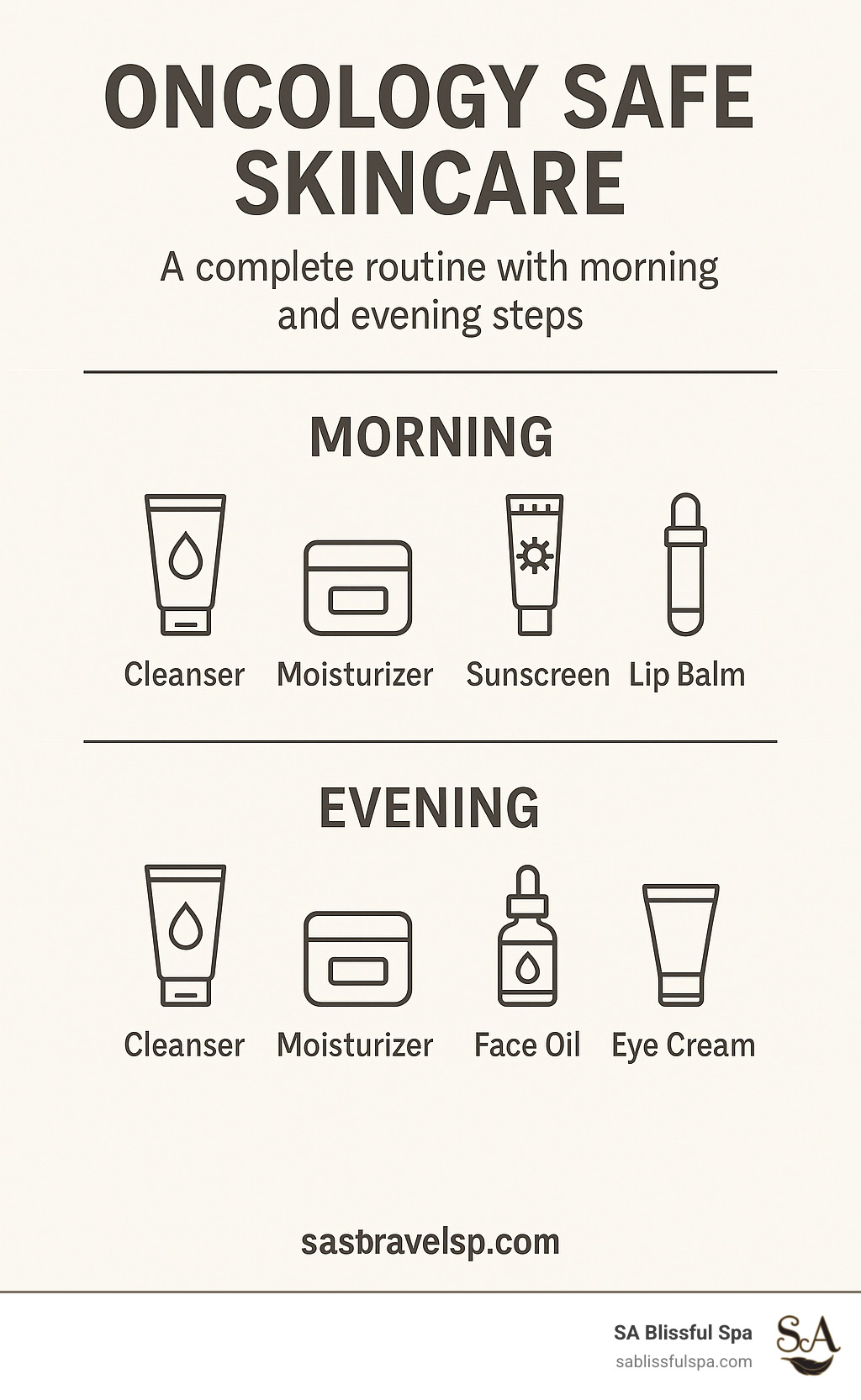
The foundation of any effective Oncology Safe Skincare routine includes six essential steps that work together to support your skin's natural healing abilities:
Gentle cleansing is where it all begins—using products that clean without stripping your already compromised skin barrier. Follow with an optional alcohol-free toner to soothe and balance, then apply a moisturizer rich in barrier-repairing ingredients. For specific concerns like radiation sites or rashes, targeted spot treatments can help. Never skip sun protection with a mineral-based SPF, and finish your day with overnight treatments that support healing while you sleep.
This approach isn't just spa wisdom—it's backed by science. A multicenter study evaluating standardized skincare for oncology patients found that "guidelines recommend gentle cleansing with an acidic product, daily hydration with emollients, and use of broad-spectrum SPF50+ sunscreen" as the cornerstone of effective skin management during treatment.
Looking for professional support with your skincare during treatment? Learn about our specialized facials designed with oncology patients in mind.
Morning Routine for Oncology Safe Skincare
Your morning routine sets the tone for how your skin will handle the day ahead:
Start with a non-foaming, creamy cleanser that maintains your skin's natural pH (around 5.5). Skip the hot water—lukewarm is much gentler on treatment-affected skin. One of my clients shared that simply switching to cooler water temperatures dramatically reduced her facial redness during chemotherapy.
After cleansing, a light mist with thermal spring water can work wonders. These mineral-rich sprays help calm inflammation and create the perfect canvas for moisturizing. Apply to damp skin for maximum benefit—this small timing detail makes a significant difference in product absorption.
Next comes your moisturizer—look for one rich in lipids, ceramides, and fatty acids. These ingredients are like mortar between your skin cells, helping repair the protective barrier that cancer treatments often damage. Again, applying to slightly damp skin helps lock in that precious moisture.
Sunscreen is non-negotiable during cancer treatment. Choose a mineral-based formula with zinc oxide or titanium dioxide with at least SPF 30, though SPF 50 is ideal. Even indoor lighting can aggravate photosensitive skin during treatment, so don't skip this step even on stay-at-home days.
If makeup is important to your sense of normalcy (and for many of my clients, it absolutely is), choose mineral-based products free of talc, synthetic fragrances, and coal tar derivatives. As one client beautifully put it, "Being able to cover my rash with safe makeup helped me feel more like myself during treatment."

Evening Routine for Oncology Safe Skincare
Nighttime is when your skin does its deepest healing work, making your evening routine particularly important:
Begin with a gentle oil cleanser to dissolve the day's sunscreen and makeup. Jojoba oil is particularly well-tolerated because its molecular structure closely resembles your skin's natural sebum. Massage it in with fingertips—no washcloths or scrubbing, which can irritate sensitive skin.
Follow with a syndet (synthetic detergent) wash that maintains your skin's natural pH. These cleansers remove impurities without stripping away the oils your skin desperately needs during treatment.
Nighttime calls for a richer moisturizer than daytime—look for a barrier-repair balm with ingredients like shea butter, ceramides, and squalane. These create a protective seal that prevents moisture from evaporating while you sleep. A little trick I teach my clients at SA Blissful Spa: apply a thin layer to damp skin, wait 10 minutes, then apply a second light layer for maximum overnight protection.
Once or twice weekly, consider adding a hydrating mask with soothing ingredients like aloe vera, hyaluronic acid, and oat extract. These provide an extra boost of moisture without irritating compromised skin.
Don't overlook your sleep environment—use a humidifier in your bedroom to add moisture to the air, sleep on a satin pillowcase to reduce friction on sensitive skin, and consider elevating your head slightly to reduce facial swelling, which can be a side effect of some treatments.
As one dermatologist specializing in oncology skincare notes, "Many patients find that nighttime is when skin discomfort peaks." A thoughtful evening routine can transform restless nights into healing sleep—something invaluable during the cancer journey.
Targeted Solutions & Whole-Body Care
When you're going through cancer treatment, your skin needs more than just a basic routine. Specific issues often pop up that require special attention – and that's perfectly normal. At SA Blissful Spa, we understand these challenges and offer targeted approaches that still honor the gentle principles of oncology safe skincare.
Cancer treatment affects your whole body, not just your face, which is why we take a comprehensive approach to skin comfort during this challenging time. If you'd like to learn more about our specialized care options, visit our oncology solutions page.
Managing Dryness & Xerosis
That uncomfortable tightness, flaking, and itching from extreme dryness affects most people during chemotherapy and targeted therapies. One of our clients described it as "feeling like my skin shrunk two sizes overnight." Here's how we recommend addressing it:
Ceramide-rich lotions work wonders because these natural lipids, which are often depleted during treatment, help rebuild your skin's protective barrier. Think of ceramides as the mortar between your skin cells – essential for keeping moisture in and irritants out.
Products with 5% urea can be game-changers for dry skin. This gentle ingredient pulls moisture into your skin while softly removing dead skin cells without harsh scrubbing. Just be careful with higher concentrations, which might irritate treatment-sensitive skin.
For those especially troublesome spots – like cracked lips, rough elbows, or painfully dry feet – petroleum-based ointments create a protective seal that locks in moisture. I often suggest applying these before bed and wearing cotton gloves or socks to amplify the healing overnight.
Don't underestimate the power of a good humidifier in your bedroom. Maintaining 40-60% humidity helps prevent moisture from evaporating from your skin as you sleep. One client told me this simple addition made more difference than any product she tried.
And of course, staying hydrated from the inside out matters too. Aim for 2-3 quarts of fluid daily if your care team approves – your skin will thank you.
Calming Rashes & Folliculitis
Those acne-like eruptions and rashes common with many cancer therapies (especially EGFR inhibitors) can be frustrating. Unlike regular breakouts, these need special handling:
If your doctor has prescribed topical antibiotics, follow their guidance precisely. These are often part of a preventative approach rather than just treatment after a rash appears.
Cool compresses with thermal spring water can provide immediate relief when skin feels inflamed and uncomfortable. The gentle mineral content helps calm irritation without harsh ingredients.
While your dry areas need rich, occlusive products, rash-prone areas typically benefit from lighter formulations that won't clog pores. This balanced approach might mean using different products on different parts of your face or body.
Don't hesitate to ask for a dermatology referral if your rash becomes severe. Research shows that specialized dermatology care for treatment-related skin issues can prevent interruptions in your cancer therapy – yet surprisingly few oncology providers make these referrals automatically.
Interestingly, according to scientific research on EGFR-rash, a mild rash can sometimes signal that your treatment is working effectively. Understanding this connection might help you view this side effect in a more positive light, even while we work to keep you comfortable.
Nails, Hair & Scalp Rescue
These often-overlooked areas deserve special attention during cancer treatment:
Regular cuticle oil application helps prevent painful cracking and inflammation around nails – a condition called paronychia that's common during certain therapies. Massaging the oil in also improves circulation to promote healing.
Keep fragrance-free hand cream by every sink and apply after each handwashing. This simple habit counteracts the drying effects of frequent washing and sanitizer use that can make nail issues worse.
Even during hair loss, proper scalp care with gentle, sulfate-free cleansers remains important for comfort and future regrowth. Many clients find that a sensitive scalp becomes one of their most challenging side effects, but consistent care makes a significant difference.
If your treatment center offers cooling options like cold caps for certain chemotherapies, discuss with your oncologist whether these might be appropriate for you. While not suitable for everyone, they can help some patients maintain more of their hair during treatment.
Don't forget sunscreen for your part line and any exposed scalp – these areas are particularly vulnerable to sun damage during treatment but are often missed in daily protection routines.

Support Systems & Dermocosmetic Quality of Life
The emotional impact of treatment-related skin changes is very real. Looking in the mirror and not recognizing yourself adds another layer of challenge to an already difficult journey.
Look Good Feel Better workshops offer free programs teaching beauty techniques specifically for cancer patients. These workshops not only provide practical skills but also create community among people facing similar challenges.
At SA Blissful Spa, we offer guidance for caregivers on gentle massage techniques and proper product application. These sessions often become meaningful bonding experiences that benefit both the patient and their support person. As one client's husband shared, "Learning how to help with her skincare routine gave me a way to show love when I felt helpless in the face of her diagnosis."
The psychological benefits of maintaining a skincare routine during treatment extend beyond physical comfort. Research shows that this daily ritual provides a sense of normalcy, control, and self-care during a time when much feels out of your hands.
Perhaps most importantly, studies have found that proper skin management increases the likelihood that patients will complete their full course of cancer therapy without interruptions. This makes oncology safe skincare not just about comfort, but potentially about treatment success as well.
This journey isn't meant to be walked alone. The touch and care of supportive people around you becomes powerful medicine in itself. That's why at SA Blissful Spa, we see our work not just as skincare, but as part of your comprehensive healing support system.
Conclusion & Quick FAQs
Taking care of your skin with an Oncology Safe Skincare routine is more than just pampering—it's a real part of your healing journey. Research is clear: starting gentle, proactive skincare can help protect your skin, make you more comfortable, and even help you stick with your cancer treatments.
At SA Blissful Spa, we know how overwhelming this time can feel. That’s why we’re here with expert guidance, caring hands, and specialized knowledge in Oncology Safe Skincare. Whether you’re just beginning your treatment, are right in the thick of it, or are finally looking forward to recovery, we’ll help you find safe, soothing solutions for your unique needs.

If you’re in Burlington, MA—or a nearby community like Arlington, Bedford, Belmont, Billerica, Carlisle, Concord, Lexington, Lincoln, Melrose, North Reading, Reading, Stoneham, Wakefield, Watertown, Wilmington, Winchester, or Woburn—know that you have a local skincare partner. We offer specialized consultations and gentle treatments designed specifically for oncology patients.
Want a simple overview of the basics? Visit our oncology skincare basics page to get started.
FAQ #1 – When should I start an Oncology Safe Skincare routine?
The answer: as soon as possible—ideally, before your treatment even begins. Starting early is your best defense. Studies show that when you get ahead of skin changes with a good routine, you can actually prevent or lessen many of the side effects that might otherwise get in the way of treatment.
If your oncology plan is set, book a pre-treatment consultation with us at SA Blissful Spa. We’ll help you choose the right products and build a personalized routine that fits your unique situation. It’s one less thing to stress about!
FAQ #2 – Can I keep using my favorite products?
We get it—no one wants to give up their favorite moisturizer or cleanser. But most skincare found at the drugstore or beauty counter isn’t created for the extra-sensitive skin that comes with cancer treatment.
If you want to keep using a product, here’s what to do:
- Patch test first: Dab a little on the inside of your arm and watch for any reaction over 24 hours.
- Check the ingredients: Compare them to our list of “ingredients to avoid” above.
- Ask your doctor: Always run product questions by your care team.
If there’s any doubt, it’s safest to switch to products designed for sensitive or compromised skin. We’re happy to review anything you’re using and suggest gentle alternatives.
FAQ #3 – How long after therapy do precautions apply?
Expect to keep up your oncology-safe skincare for at least 6–12 months after your treatment ends. Your skin’s barrier needs time to heal and strengthen. Jumping back into regular products too soon—especially those with actives or perfumes—can set you back.
Take it slow! When you’re ready to try something new, add just one product at a time, and give it at least two weeks to see how your skin reacts. You might even find you prefer the gentler touch of Oncology Safe Skincare for the long haul.
At SA Blissful Spa, our care doesn’t stop when your therapy ends. We’re here to support you through recovery and beyond, with skincare that’s gentle, effective, and always evidence-based. You deserve skin that feels good and a routine that gives you confidence—no matter where you are in your journey.
Remember: your skin has been through a lot. Let’s treat it (and yourself) with kindness, patience, and a little expert TLC. If you ever have questions or just need a little extra support, our doors are always open.
Looking for hands-on care? See our oncology safe facials in Burlington, MA.