The Quest for Flawless Skin
 Micropenning vs microneedling
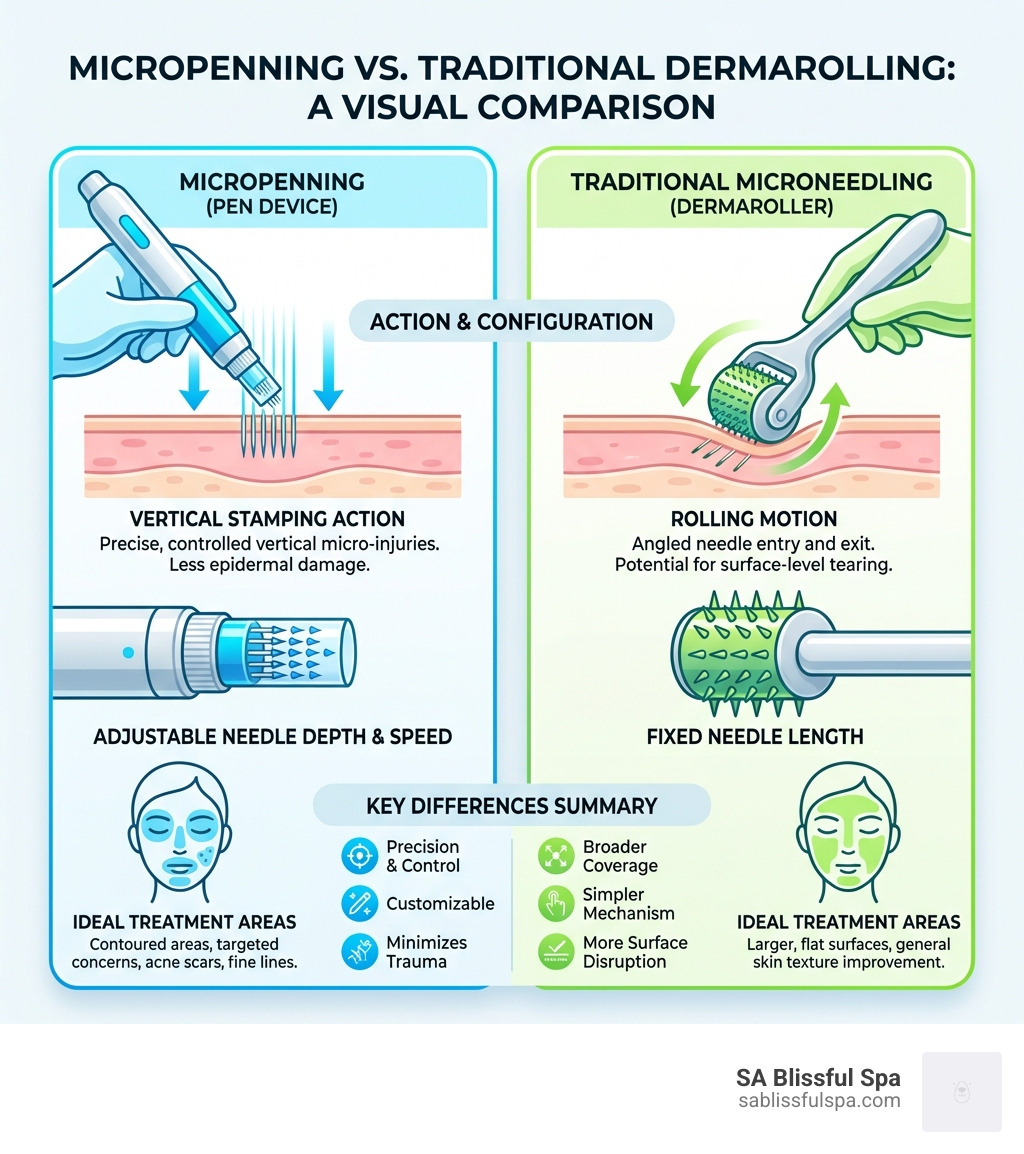
is a question many people ask when exploring collagen induction therapies for skin rejuvenation. While the terms are often used interchangeably, micropenning typically refers to a more modern, motorized pen-like device that uses vertical needle stamping for precise, controlled micro-injuries. Traditional microneedling usually involves a dermaroller—a handheld roller studded with needles that moves across the skin at an angle. Both methods trigger your skin's natural healing response to boost collagen and elastin production, but they differ in precision, application, and suitability for specific facial areas.
Quick Comparison:
| Feature |
Micropenning (Pen) |
Traditional Microneedling (Roller) |
| Device Type |
Motorized pen with vertical stamping |
Manual or motorized roller |
| Needle Action |
Straight in and out |
Angled rolling motion |
| Precision |
High, ideal for contoured areas |
Lower, better for large flat areas |
| Skin Trauma |
Less epidermal damage |
More surface-level tearing |
| Customization |
Adjustable depth and speed |
Fixed needle length |
As a licensed esthetician and founder of SA Blissful Spa, I've helped countless clients steer the
micropenning vs microneedling decision to achieve their skin goals. With years of experience performing advanced facial treatments, I understand how to customize these therapies for each person's unique concerns—from acne scars to fine lines.
If you're a busy professional woman looking to reduce signs of aging, improve skin texture, or fade hyperpigmentation, understanding the difference between these treatments is your first step toward glowing, confident skin. Both methods stimulate your body's natural collagen production, but the right choice depends on your specific skin concerns, the areas you want to treat, and the expertise of your practitioner.
Research shows impressive results: histological examination reveals a
400% increase in collagen and elastin deposition at six months after just four treatment sessions. Almost 100% of participants in one study reported noticeable improvement, with 80% seeing vast improvement in acne scars.
Glossary for
micropenning vs microneedling:
Understanding the Basics: What Are Microneedling and Micropenning?
At its heart, both microneedling and micropenning are forms of collagen induction therapy. This minimally invasive approach leverages your body's innate healing capabilities. By creating controlled micro-injuries, the treatments trigger a natural wound healing response that boosts the production of collagen and elastin—the proteins responsible for skin's firmness, elasticity, and smooth texture. The result is a remarkable skin repair process that leads to a refreshed and revitalized complexion. For a deeper dive into the science, you can explore a
comprehensive review of microneedling.
What is Microneedling? The Foundation of Skin Rejuvenation
Microneedling is a cosmetic procedure that involves creating tiny, controlled punctures in the skin using fine needles. These micro-injuries extend into the dermis, the deeper layer of your skin where collagen and elastin are produced, effectively kickstarting your body's natural regenerative cycle.
Historically, microneedling devices included dermarollers—handheld tools with a wheel of needles. However, the technology has evolved to include automated pens, which offer more precision. Regardless of the device, the goal is to stimulate collagen production for improved skin texture, reduced fine lines, and a more even skin tone.
The benefits are well-documented, making it a go-to treatment for concerns from acne scars to skin laxity. The FDA has cleared devices for improving facial acne scars, wrinkles, and abdominal scars in patients 22 or older. Research shows impressive results: almost 100% of participants reported a noticeable difference, with 80% seeing vast improvement in acne scars. Furthermore, a histological examination showed a 400% increase in collagen and elastin six months after four monthly sessions. The procedure can penetrate up to three millimeters into the dermis, where regeneration occurs. You can find a
general overview of microneedling for more information.
What is Micropenning? A Modern, Precise Approach
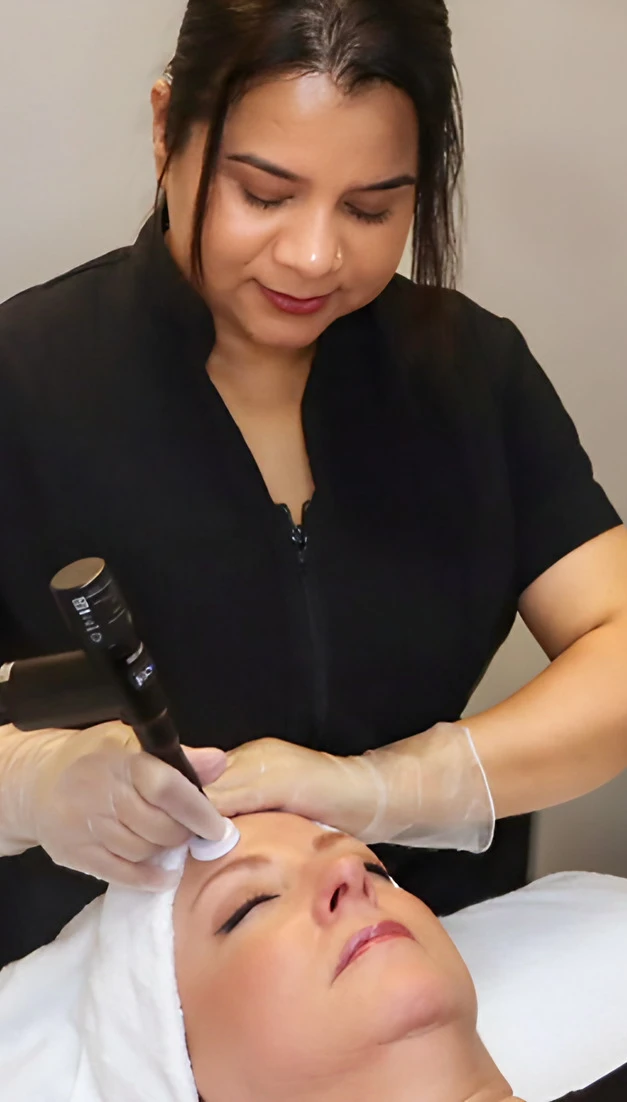
Micropenning is a specific, more refined form of microneedling that uses a motorized, pen-like device. It delivers ultra-precise micro-channels into the skin through vertical needle stamping, making it a targeted approach within the broader microneedling category.
What sets micropenning apart is its precision. The vertical stamping motion minimizes epidermal trauma and the risk of tearing that can occur with dermarollers, especially on contoured areas. This allows practitioners to safely treat delicate areas like around the eyes, nose, and upper lip.
Another key advantage is adjustability. Practitioners can customize needle depth and speed for your specific skin concerns and the area being treated. This personalization ensures an effective, comfortable treatment with minimal downtime. Micropenning devices are often considered FDA medical devices, emphasizing their clinical effectiveness and safety when used by professionals.
The Core Comparison: Micropenning vs Microneedling

When considering
micropenning vs microneedling, it’s helpful to view micropenning as a sophisticated evolution of traditional microneedling. While both aim to stimulate collagen, the "how" can significantly impact the experience and results. This section compares the technology, benefits, and ideal uses for each method to clarify the choice.
Technology and Application: How the Devices Differ
The primary distinction lies in the devices themselves and how they interact with your skin.
| Feature |
Micropenning (Pen) |
Traditional Microneedling (Roller) |
| Needle Action |
Vertical stamping (straight in and out) |
Angled rolling motion |
| Skin Trauma |
Less epidermal damage, reduced tearing |
More surface-level tearing, especially on curves |
| Precision |
High, excellent for small, contoured areas (eyes, nose, lips) |
Lower, better suited for larger, flatter areas |
| Customization |
Adjustable needle depth (e.g., 0.1mm increments up to 3.5mm) and speed |
Fixed needle length and pressure dictated by manual rolling |
| Best for Areas |
Contoured areas, fine lines, targeted scars |
Broader skin resurfacing |
With micropenning, a motorized device moves needles in a precise, vertical stamping motion. This action reduces the risk of tearing the skin, which can happen with a dermaroller on uneven surfaces. Less epidermal trauma often means a more comfortable experience and faster healing. Micropenning devices also offer unparalleled control. Practitioners can adjust needle depth with incredible precision and fine-tune the device's speed. This allows for a highly customized treatment for different facial areas, like the delicate skin around the eyes, nose, or upper lip, ensuring optimal results.
Which Skin Concerns Do They Address Best?
Both treatments are powerful tools for skin rejuvenation by stimulating collagen and elastin production. Here’s a look at the concerns they address:
- Acne Scars: Highly effective for various types of acne scars. Microneedling is noted for significantly improving their appearance, with studies showing remarkable patient satisfaction. For scientific backing, you can review research on microneedling for acne scars.
- Fine Lines and Wrinkles: Boosting collagen plumps the skin, reducing fine lines and softening wrinkles.
- Pore Size: Pores can appear smaller as skin texture improves and firms.
- Skin Laxity: Increased collagen and elastin improve skin firmness, helping with mild laxity.
- Hyperpigmentation: Can help fade sunspots, melasma, and post-inflammatory hyperpigmentation by promoting cell turnover.
- Stretch Marks: Improves the texture and appearance of stretch marks by initiating collagen remodeling.
- Uneven Skin Tone and Texture: Smooths rough patches and evens out skin tone for a more radiant look.
- Improved Product Absorption: Creates micro-channels that allow topical serums and active ingredients to penetrate deeper, dramatically improving their effectiveness.
The choice between
micropenning vs microneedling depends on the required precision and penetration depth. Deeper microneedling can be ideal for extensive damage, while micropenning's targeted approach is effective for specific areas or for those seeking less downtime. Both are safe for most skin types, including darker tones, with a low risk of post-inflammatory hyperpigmentation.
Advanced Options: Microneedling with Radiofrequency (RF)
Advanced options like microneedling with radiofrequency (RF) combine the treatment with RF energy. RF microneedling devices use needles to deliver this energy deep into the dermis, causing controlled heating that triggers a more robust healing response. This leads to improved collagen remodeling and skin tightening, making it highly effective for deeper wrinkles, significant scarring, and skin laxity. Some devices offer treatments to depths of 3.5 millimeters at 0.1-millimeter increments, offering exceptional precision.
Furthermore, treatments can be improved by infusing the micro-channels with specialized mediums. At SA Blissful Spa, we can incorporate Platelet-Rich Plasma (PRP), derived from your own blood and rich in growth factors, to accelerate healing (sometimes called a "Vampire Facial"). Other advanced options include Platelet-Rich Fibrin (PRF), exosomes, and integrated LED light therapy to target bacteria (blue light) or promote healing (red light).
The Treatment Journey: What to Expect Before, During, and After

Starting on a skin rejuvenation journey with
micropenning vs microneedling involves more than just the treatment itself. A comprehensive approach includes understanding if you're a suitable candidate, preparing your skin diligently, and following proper aftercare protocols. This section covers the full process from determining candidacy to post-treatment care.
Are You a Good Candidate for Treatment?
Both micropenning and microneedling are versatile treatments, but suitability is key for optimal results and safety. We carefully assess each client to ensure these treatments are right for them.
Ideal Candidates:
- Individuals seeking to improve skin texture, tone, and overall radiance.
- Those looking to reduce the appearance of fine lines, wrinkles, and mild skin laxity.
- Clients with acne scars (atrophic, rolling, boxcar) or other types of scars (e.g., surgical, stretch marks).
- People experiencing hyperpigmentation, such as sunspots or melasma.
- Anyone aiming to minimize pore size.
- Individuals interested in enhancing the absorption of their skincare products.
- Both treatments are generally safe and effective for all skin types, including Fitzpatrick IV and V (darker skin tones), with a lower risk of post-inflammatory hyperpigmentation compared to some other skin resurfacing procedures.
Contraindications (When these treatments might not be suitable):
- Active Acne or Breakouts: Treating over active acne can spread bacteria and worsen inflammation. We recommend addressing active breakouts before microneedling.
- Active Skin Infections: This includes herpes labialis (cold sores) or other localized infections.
- Moderate-to-Severe Chronic Skin Diseases: Conditions like eczema or psoriasis in the treatment area.
- Extreme Keloidal Tendencies: Individuals prone to keloid scarring may have a higher risk.
- Immunosuppressed Patients: Those with compromised immune systems may have impaired healing.
- Pregnancy or Breastfeeding: As a precaution, we typically advise against these treatments during pregnancy or while breastfeeding.
- Certain Medications: Blood-thinning medications or certain strong retinoids may need to be discontinued temporarily.
During your complimentary consultation at SA Blissful Spa, we will conduct a thorough skin assessment and discuss your medical history to determine if micropenning or microneedling is the best option for your unique needs.
Preparation, Risks, and Recovery
Proper preparation and diligent aftercare are crucial for maximizing the benefits and minimizing potential side effects of your
micropenning vs microneedling treatment.
Pre-Treatment Preparation:
- Product Discontinuation: We typically advise discontinuing intense topical treatments, such as retinoids (e.g., retinol, tretinoin) at least 48 hours before your appointment, and aggressive acids within a week of the procedure.
- Sun Protection: Avoid direct sun exposure for about three days before your treatment.
- Clean Skin: Arrive at your appointment with clean, dry skin, free of makeup or lotions.
- Skin Acclimation: For optimal results with micropenning, we often recommend that your skin is already acclimated to high-quality skincare products and that you've had a recent deep cleaning or resurfacing treatment. If your skin is congested, a preparatory facial might be suggested.
- Pigment Correction: If you are treating deeper issues like hyperpigmentation, we may recommend using pigment-correcting products for 4-6 weeks prior to your microneedling treatment to prepare your skin.
Risks and Side Effects:
While both treatments are generally safe, it's important to be aware of potential reactions:
- Common Side Effects: Immediately after treatment, it's normal to experience redness (similar to a mild sunburn), mild swelling, and pinpoint bleeding. Some clients report temporary itching or a feeling of tightness, which usually subsides within 1-3 days. Flaking can also occur for 1-2 days due to temporary water loss.
- Less Common Risks: These can include infection (if proper sterilization isn't maintained), stinging, dark or light spots (post-inflammatory hyperpigmentation or hypopigmentation), flare-ups of cold sores, or swollen lymph nodes.
- Allergic Reactions: Inform us of any allergies, especially to numbing medications.
- Granulomatous Reactions: Our research indicates that granulomatous reactions have been reported in response to unauthorized use of topical products not approved for intradermal injection, particularly when microneedling is performed at medical spas without proper oversight. This underscores the importance of choosing a reputable clinic and practitioner.
- Temporary Results: Improvements can be temporary, requiring maintenance treatments.
For more detailed information on risks and safety, you can refer to FDA information on microneedling.
Recovery and Aftercare:
- Immediate Post-Treatment: Your skin will likely look and feel like it's sunburnt for 1-3 days.
- Soothing Products: We recommend using gentle cleansers, soothing serums, and hydrating masks (like the Skinceuticals’ Biocellulose Mask) to calm the skin and aid in recovery. Applying hyaluronic acid serums can be particularly beneficial.
- Sun Protection: Strict sun protection is paramount. Wear a broad-spectrum SPF 30+ daily and avoid direct sun exposure for at least a week post-treatment.
- Avoid Harsh Chemicals: Steer clear of aggressive acids, retinoids, and exfoliating agents for at least a week.
- Makeup: We generally advise against applying makeup for at least 24 hours to allow the skin to heal.
- Healing Time: While initial redness subsides quickly, the full healing and collagen remodeling process takes time. Final results are typically observed approximately 3-6 months following the complete course of treatments.
Professional vs. At-Home: Why Expertise Is Crucial
The allure of at-home beauty devices is strong, but when it comes to treatments like
micropenning vs microneedling, professional expertise is not just recommended—it's crucial. This section highlights the significant differences between a clinical procedure and a DIY attempt.
The Dangers of At-Home Microneedling Rollers
While at-home microneedling devices, often in the form of dermarollers, are widely available, they come with significant risks and offer limited effectiveness compared to professional treatments.
- Needle Length Differences: At-home rollers typically have very short needles (e.g., 0.1mm to 0.25mm), which are primarily designed for superficial exfoliation and product absorption. They generally do not penetrate deeply enough to stimulate significant collagen synthesis. Professional devices, however, use much sharper, longer needles (up to 3mm or more) that can reach the dermis, where true collagen induction occurs.
- Infection Risk: A major concern with at-home devices is improper sterilization. Reusing non-sterile needles can introduce bacteria, leading to infections, active breakouts, or even scarring. The FDA specifically states that it has not cleared any microneedling devices for over-the-counter sale.
- Improper Technique and Skin Damage: Without proper training, users can apply uneven pressure, leading to inconsistent treatment, or worse, cause significant skin damage, tearing, and even scarring. This can result in unintended hyperpigmentation or other adverse effects.
- Limited Effectiveness: At-home devices offer minimal benefits beyond temporary product absorption due to their shallow penetration. They simply cannot achieve the profound collagen remodeling and skin rejuvenation seen with professional treatments. Our research indicates that at-home microneedling devices do not penetrate deeply enough for collagen synthesis and pose risks of infection and skin damage.
The Value of a Licensed Practitioner for Micropenning vs Microneedling
Choosing a licensed and experienced practitioner for your
micropenning vs microneedling treatment is paramount. Their expertise ensures not only your safety but also the optimal results you desire.
- Expert Skin Assessment: A skilled esthetician or dermatologist will thoroughly assess your skin type, concerns, and overall health to determine the most appropriate treatment plan, including needle depth, speed, and any complementary serums or therapies.
- Customized Treatment Depth: Professional devices allow for precise control over needle depth, which is vital for targeting specific concerns effectively and safely. For instance, deeper penetration might be used for severe acne scars, while shallower depths are used for fine lines around the eyes.
- Sterile Environment and Equipment: Professional treatments are performed in a clinical environment using sterile, single-use needle cartridges. This eliminates the risk of infection and cross-contamination. We use FDA-approved devices, such as the SkinPen Precision, which is the only FDA-approved microneedling device, ensuring safety and efficacy.
- Professional-Grade Equipment: Clinics use medical-grade devices that are more powerful, precise, and effective than anything available for home use. These devices are designed to create controlled micro-injuries for true collagen induction.
- Managing Side Effects: While side effects are generally mild, a professional is trained to identify and manage any adverse reactions, ensuring your comfort and safety throughout the process.
- Optimal Results: The combination of expert knowledge, advanced equipment, and a sterile environment leads to superior and more consistent results. Remember the impressive statistic: a histological examination showed a 400% increase in collagen and elastin deposition at six months post-treatment with professional microneedling. This level of biological change is simply not achievable with at-home devices.
- Improved Product Delivery: Professionals can select and apply medical-grade serums, such as hyaluronic acid, growth factors, or PRP, which are driven deep into the skin through the micro-channels, amplifying the treatment's benefits.
The role of the practitioner's expertise in achieving optimal results for both treatments cannot be overstated. A trained expert ensures that the needle length and any additional modalities (like RF temperature) are custom to your individual skin, comfort level, and desired results.
Frequently Asked Questions about Microneedling
We often hear similar questions from our clients curious about
micropenning vs microneedling. Here are some common inquiries to help you feel more informed and confident about your treatment journey.
Does microneedling hurt?
This is one of the most common questions we receive! We understand the apprehension about needles. The good news is that with the application of a high-quality topical numbing cream about an hour before your treatment, the procedure is generally very tolerable.
While you might feel a sensation of pressure or a slight vibration, most clients describe it as minimal discomfort rather than pain. Some areas, particularly bony prominences like the forehead, hairline, and jawline, can be more sensitive than fleshier areas like the cheeks. Our goal at SA Blissful Spa is always to ensure your comfort throughout the entire process.
How many sessions are needed to see results?
The number of sessions required to achieve optimal results varies depending on your specific skin concerns, the severity of those concerns, and your individual response to the treatment. Generally, we recommend a series of
3-6 sessions for most clients.
These sessions are typically spaced about
4-6 weeks apart. This interval allows your skin ample time to heal and for new collagen to form, without over-treating the skin. While some clients may notice improvements after just one session, the most significant and lasting results are cumulative, building up over the course of your treatment plan. Neocollagenesis (the formation of new collagen) continues for approximately 3-6 months after the treatment has ceased, so patience is key! After achieving your desired results, maintenance treatments can help prolong the benefits.
What is the average cost of a professional treatment?
The cost of professional microneedling or micropenning can vary widely based on several factors, including the specific device used, the addition of advanced modalities like radiofrequency (RF) or Platelet-Rich Plasma (PRP), the practitioner's expertise, and your geographic location.
Please note that the following are average costs based on internet data and not actual costs for SA Blissful Spa.
Based on our research, you can expect average costs to range from
$200 to over $1,000 per session. For example, a single microneedling treatment might start around $250, with packages of 3 treatments averaging around $600. Treatments that incorporate RF or PRP will typically be at the higher end of this spectrum due to the added technology and improved benefits. We encourage you to schedule a consultation with us to discuss your personalized treatment plan and associated costs.
Conclusion: Making the Right Choice for Your Skin
Navigating the options for skin rejuvenation can feel overwhelming, but understanding the nuances of
micropenning vs microneedling empowers you to make informed decisions. Both treatments harness your body's incredible ability to heal and renew, stimulating vital collagen and elastin production for healthier, more youthful-looking skin.
Micropenning, as a modern evolution of microneedling, often offers superior precision and customization, making it ideal for targeted concerns and delicate facial areas with less epidermal trauma. Regardless of the specific technique, the key to achieving safe and effective results lies in choosing professional treatment. At-home devices simply cannot replicate the depth, sterility, and expertise provided by a licensed practitioner, and they carry significant risks of infection and skin damage.
At SA Blissful Spa, we are passionate about personalized skincare. Our expert team in Burlington, MA, and surrounding towns like Arlington, Lexington, and Winchester, is dedicated to guiding you through your options and crafting a treatment plan that aligns perfectly with your unique skin goals. Whether you're looking to smooth fine lines, diminish acne scars, or simply achieve a more radiant complexion, we're here to help you open up your skin's full potential.
For a custom assessment of your skin's needs and to find which treatment—micropenning, microneedling, or an advanced combination—is best for you, contact the experts at SA Blissful Spa to
schedule a consultation today. Let's get you glowing!