Why a Lactic Acid Peel Could Be Your Skin's Best Friend
A
lactic acid peel is a gentle chemical peel that uses an alpha hydroxy acid (AHA) from milk to exfoliate, improve texture, reduce hyperpigmentation, and reveal a brighter complexion. Derived from the same ingredient used by ancient Egyptian royalty, this modern treatment offers a smart solution for refreshing your skin without harshness or lengthy recovery.
Here's a quick overview:
What it does:
- Removes dead skin cells
- Lightens dark spots and uneven pigmentation
- Smooths fine lines and improves texture
- Hydrates and moisturizes
- Stimulates collagen production
Key benefits:
- Gentle: Milder than other AHAs, making it suitable for sensitive skin.
- Effective: Treats acne, photoaging, melasma, and dullness.
- Minimal downtime: Recovery is typically quick with little visible peeling.
- Safe for most skin types: Ideal for beginners and reactive skin.
Who it's for:
- People with sensitive skin, dullness, or hyperpigmentation.
- Those new to chemical peels or seeking a gentle anti-aging treatment.
Not recommended for:
- Active eczema, psoriasis, or rosacea.
- Recent Accutane use, open wounds, or milk allergies.
As Saloni Bhandari, founder and esthetician at SA Blissful Spa in Burlington, MA, I've seen how personalized lactic acid peels help busy professionals achieve healthier, more radiant skin. My experience in advanced skincare allows me to tailor this gentle yet effective treatment to each client's unique needs.
Quick look at
Lactic acid peel?:
What is a Lactic Acid Peel and How Does It Refresh Skin?
Think of a
lactic acid peel as a gentle refinishing treatment for your complexion. It carefully removes dull, damaged outer layers to reveal the smooth, radiant surface underneath, essentially hitting the refresh button on your skin.
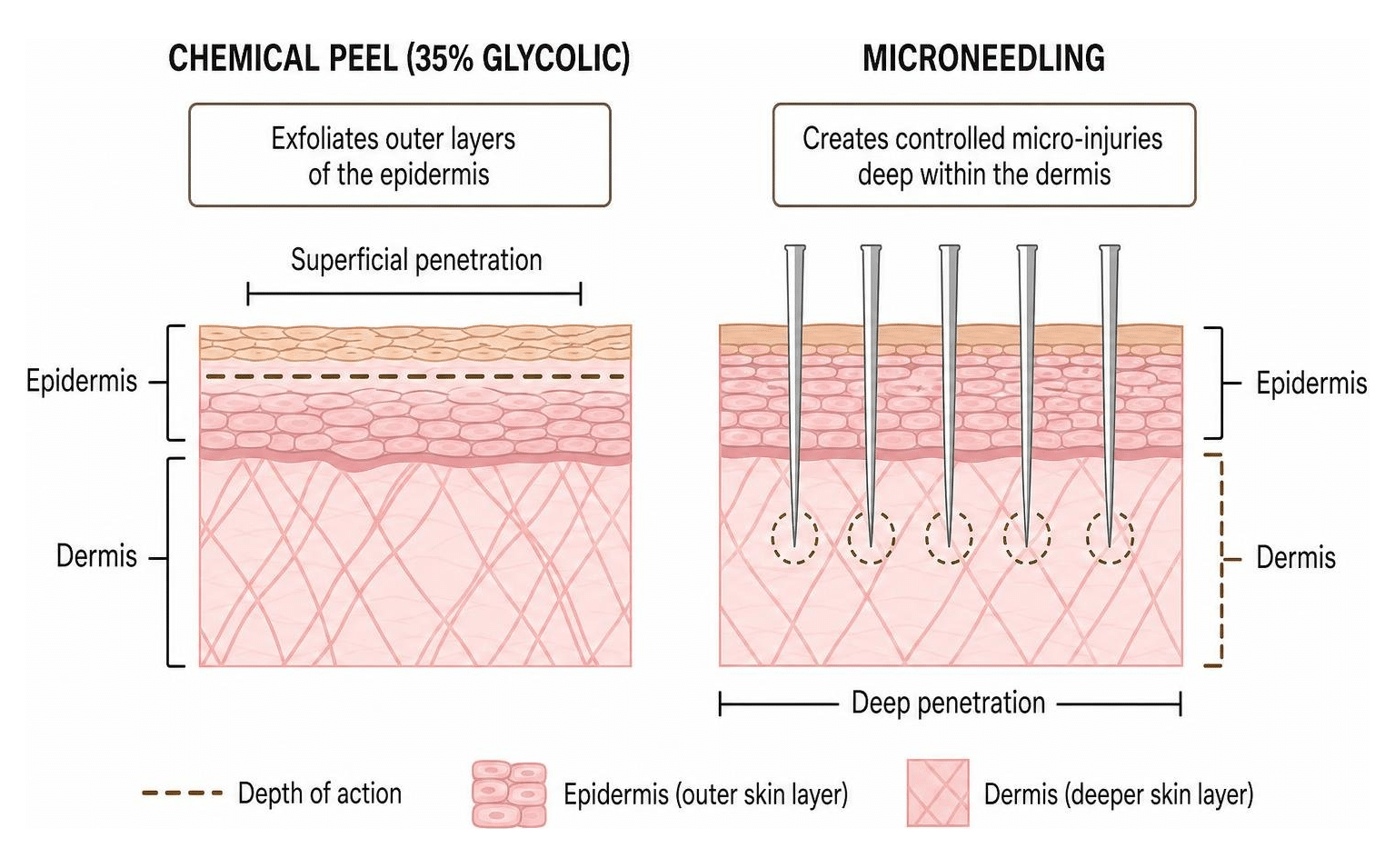
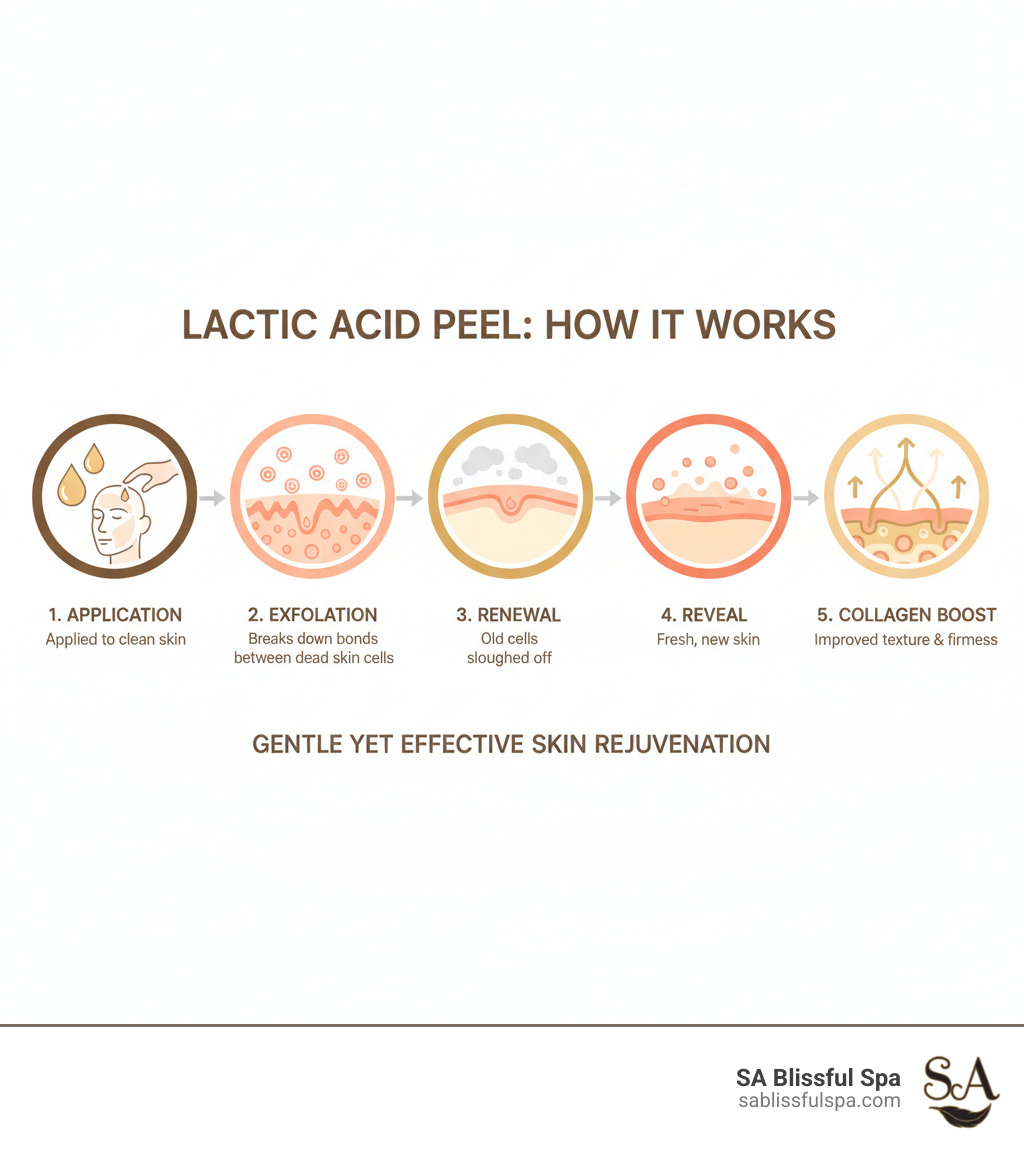
Lactic acid works by dissolving the tiny bonds (desmosomes) that hold dead skin cells together. Once these bonds break, the lifeless cells slough away, revealing the fresher, brighter skin that's been hiding. This exfoliation affects both the epidermis (outer layer) and the dermis (deeper layer).
Scientific research on topical lactic acid confirms these multi-layer benefits.
The beauty of a
lactic acid peel? It accomplishes all this while being remarkably gentle, a quality tracing back to its origins in sour milk—the same ingredient Cleopatra famously used in her milk baths.

The Science Behind the Glow
As an Alpha Hydroxy Acid (AHA), lactic acid is a gentle exfoliant that accelerates your skin's natural cell turnover process. This means newer, healthier cells reach the surface more quickly. But unlike some exfoliants that can be drying, lactic acid is also a humectant, meaning it draws moisture into your skin like a magnet.
This hydration boost occurs because lactic acid increases your skin's natural moisturizers (Glycosaminoglycans) and stimulates ceramide production, which strengthens your skin's protective barrier. The result is improved water retention and a noticeably smoother texture. It's why skin feels both refreshed and deeply moisturized after a treatment.
Key Ingredients and Their Functions
While lactic acid is the star, professional
lactic acid peel formulations often include supporting ingredients for better results and comfort.
- Lactic acid: The primary active ingredient for exfoliation, hydration, and fading dark spots.
- Green tea extract: Provides powerful antioxidant protection and has anti-inflammatory properties to minimize redness.
- Willow bark extract: Offers additional soothing and anti-inflammatory support to calm irritated skin.
Advanced professional formulations, like those at SA Blissful Spa, may also include boosters like
O2 Pro Booster. This ingredient improves microcirculation, infuses water into skin cells, and helps deliver brightening agents deeper into your skin. Its stabilized oxygen also helps control bacteria and soften sebum.
Top Benefits for a Radiant Complexion
A
lactic acid peel delivers multiple skin-changing benefits at once. Clients often leave SA Blissful Spa with noticeably brighter, smoother, and more even-toned skin after just one session. A series of treatments custom to your needs can address a range of concerns, from dark spots and fine lines to general dullness.

Addressing Hyperpigmentation and Uneven Tone
Hyperpigmentation is one of the most common concerns we see. A
lactic acid peel is specifically designed to tackle these issues. It works by exfoliating pigmented surface cells and, more importantly, acting as a tyrosinase inhibitor. Tyrosinase is the enzyme that produces melanin (which causes dark spots), so slowing it down helps prevent new spots while fading existing ones.
Lactic acid is effective for age spots, melasma, and dullness from sun damage. Studies have shown a 60% lactic acid peel achieved an 80.4% effective rate for treating melasma, outperforming even glycolic acid peels. You can explore more
evidence on chemical peels for skin disorders to understand how they work.
Smoothing Fine Lines and Improving Texture
A
lactic acid peel is also a powerful anti-aging treatment. It prompts your skin to produce more collagen, the protein that keeps skin firm, plump, and youthful. As we age, collagen production slows, but lactic acid gives it a helpful boost.
The results are firmer skin with visibly reduced fine lines. Pores may appear smaller, and rough patches smooth out. This happens because the peel triggers deeper processes, stimulating collagen synthesis and promoting better circulation for a healthier, more radiant complexion overall.
Why It's a Great Lactic Acid Peel for Sensitive Skin
Many people worry that a chemical peel will be too harsh, but a
lactic acid peel is one of the gentlest options available. It's often the best choice for skin that is reactive, easily irritated, or even diagnosed with rosacea (after a proper consultation).
Why is it so gentle? Lactic acid molecules are larger than other AHAs like glycolic acid, so they penetrate more slowly and don't go as deep. This allows for effective exfoliation without significant irritation. Because lactic acid is a natural human metabolite, your skin tolerates it well, and allergic reactions are rare.
For those new to peels or who have had poor reactions to other treatments, a
lactic acid peel offers a gentler path to glowing skin without extended downtime or discomfort.
Professional Lactic Acid Peels at SA Blissful Spa vs. At-Home Skincare Products
Choosing between a professional
lactic acid peel and an at-home product is like deciding between a chef-prepared meal and home cooking. Both can be great, but they offer different levels of intensity and results. Understanding the differences helps you invest wisely in your skin's health.
| Feature |
Professional Lactic Acid Peel at SA Blissful Spa |
At-Home Skincare Products with Lactic Acid |
| Concentration |
Higher (e.g., 25% to 40%+), pH-controlled |
Lower (typically 5-15%) |
| Cost |
Higher per session (average $100 - $1,500+) |
Lower per product (average $20 - $100+) |
| Downtime |
Minimal to moderate (1 day to 2 weeks for deeper) |
Minimal (a few hours to a day of redness/dryness) |
| Results |
More significant, faster, and longer-lasting |
Gradual, milder, and requires consistent use |
| Safety & Expertise |
Applied by licensed professionals, custom to skin needs, immediate neutralization if needed |
Requires careful self-application, patch testing crucial, higher risk of misuse if instructions not followed |
| Coverage |
Not typically covered by insurance |
Not applicable |
The Professional Peel Experience at SA Blissful Spa
A professional
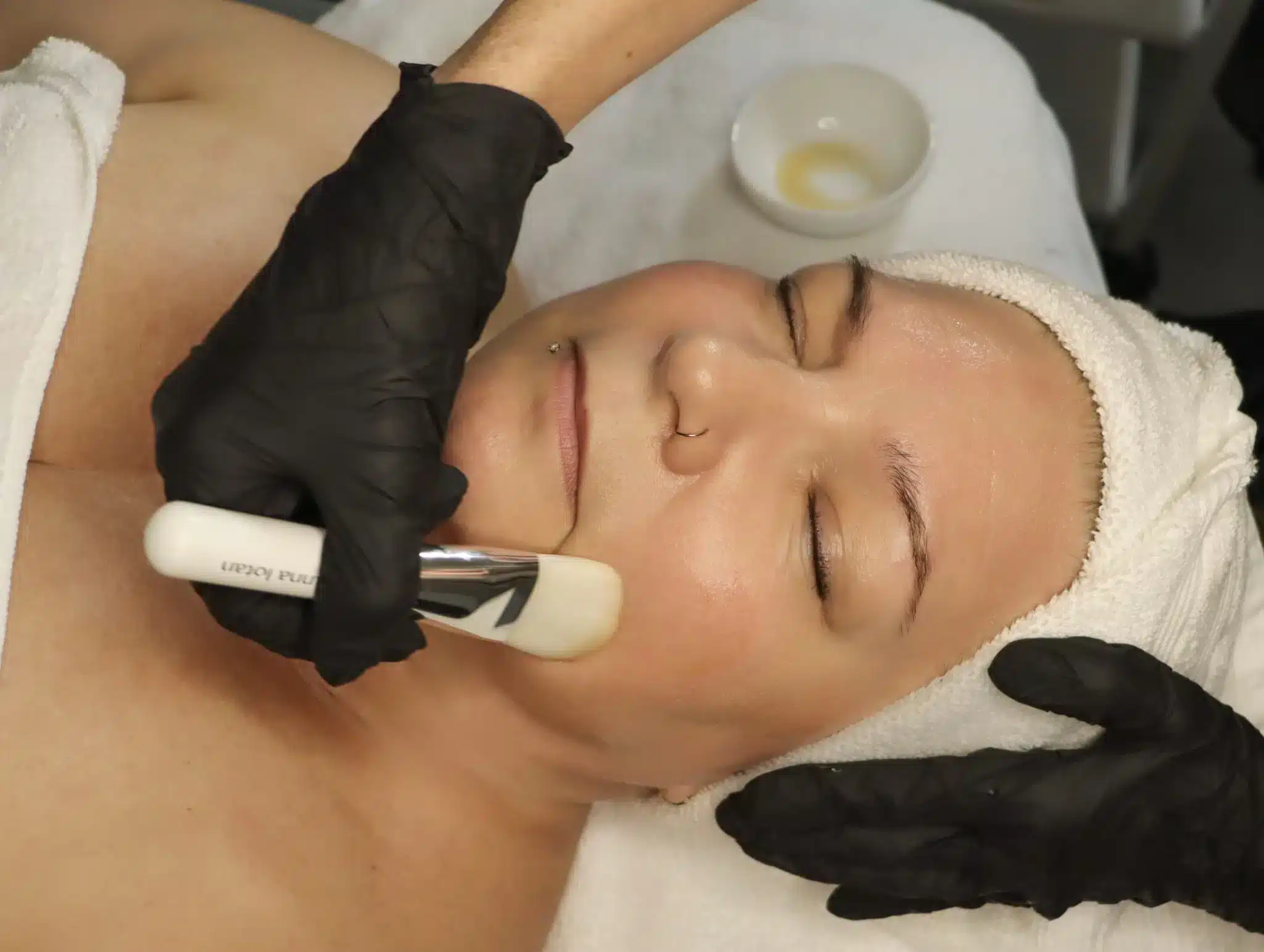
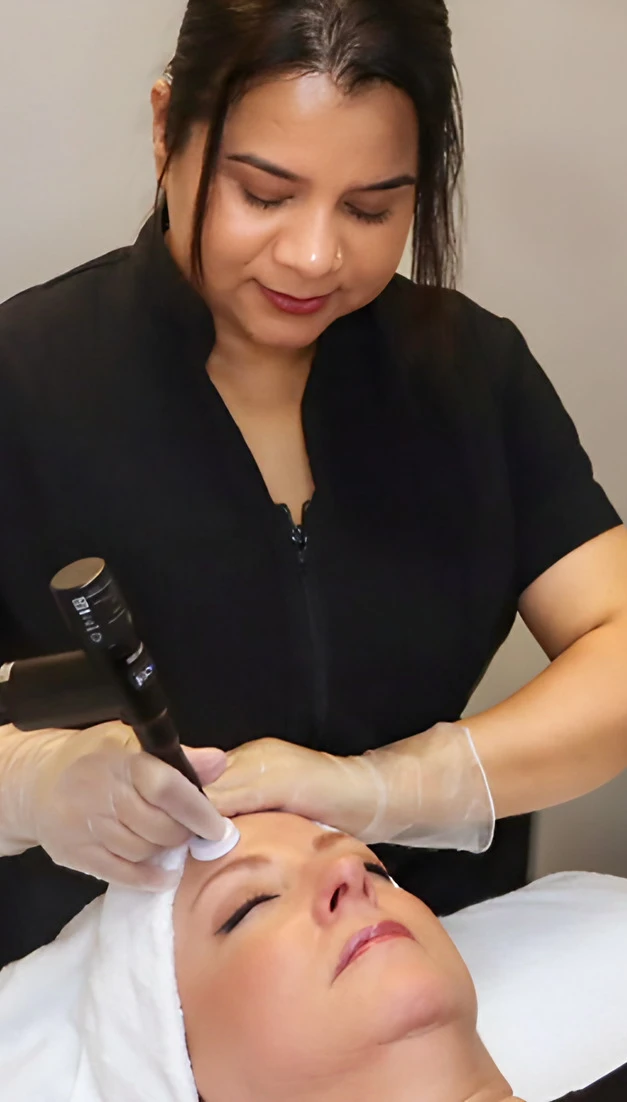
lactic acid peel at SA Blissful Spa is a personalized experience. It begins with a consultation to understand your skin concerns and goals. The process involves thoroughly cleansing your skin, applying a professional-strength lactic acid solution (e.g., 25%-40%+) for a precise duration, and then neutralizing it. We finish by applying soothing, hydrating products, like an O2 Pro Booster, to improve results. You'll leave with detailed aftercare instructions to ensure a smooth recovery. As the
Mayo Clinic notes, professional peels offer deeper, longer-lasting results. For transformative changes, a series of up to eight sessions, spaced 4-6 weeks apart, is often recommended, followed by maintenance treatments. Explore our
Chemical Peels and
Facials to learn more.
At-Home Skincare Products with Lactic Acid
At-home products with lactic acid are excellent for maintaining skin health between professional treatments. They contain lower concentrations (typically 5-15%) and are safer for more frequent use. You'll find lactic acid in serums, masks, and creams. When using them, always patch-test first, start with a lower concentration, and apply them in the evening, as they increase sun sensitivity. While they provide gradual improvements, they won't deliver the dramatic results of a professional peel. Consistency is key, with most products designed for use 1-2 times per week depending on skin tolerance.
Safety First: Understanding Risks and Aftercare
Your skin's health and safety are our top priority. While a
lactic acid peel is gentle, understanding potential risks and following proper pre- and post-care are crucial for a successful experience.

Potential Side Effects and Risks
Even with a gentle peel, some temporary reactions are normal as your skin exfoliates. You might experience mild, temporary irritation, redness, itchiness, or dryness. Some fine flaking may occur in the days following the peel. The most important side effect is increased sun vulnerability. If you're using at-home products and these effects persist, stop use and consult a professional. You can learn more about common reactions from resources on
understanding ingredients in skincare products.
Who Is a Good Candidate? (And Who Isn't?)
A
lactic acid peel is ideal for many, but it's not for everyone.
Good candidates often have:
- Dull or lackluster skin
- Hyperpigmentation, age spots, or sun damage
- Uneven skin tone and texture
- Fine lines and early signs of aging
- Mild acne (Grades I & II) or ashiness
- Sensitive or rosacea-prone skin (with careful assessment)
This peel is not recommended if you have:
- Active eczema, psoriasis, or cold sores
- Used Accutane within the last six months
- Open wounds or infections
- A milk allergy
Those with darker skin tones should consult a professional first due to a higher risk of post-inflammatory hyperpigmentation. We offer specialized treatments like
Chemical Peels for Acne and
Anti-aging Facial Peels and can guide you to the best option.
Essential Pre- and Post-Peel Care
What you do before and after your peel is just as important as the treatment itself.
Before your peel (1-2 weeks):
- Stop using retinoids, benzoyl peroxide, and other strong actives.
- Avoid physical exfoliation (scrubs, brushes).
- Do not wax, epilate, or use depilatory creams on the area.
- Avoid sun exposure and sunburns.
After your peel:
- Use a mild, non-acidic cleanser and a rich moisturizer.
- Do not pick at any flaking skin to avoid scarring.
- Avoid hot showers, saunas, and intense workouts for a few days.
- Wait at least 24 hours before applying makeup.
- Reintroduce active ingredients slowly after a week.
Recovery time varies. Mild peels may have side effects for a day, while deeper peels can require up to two weeks. The
American Academy of Dermatology offers more details on recovery.
The Critical Role of Sunscreen
After a
lactic acid peel,
sunscreen is not optional—it's essential. Your new skin is highly photosensitive and vulnerable to UV damage. Without protection, you risk sunburn and the return of hyperpigmentation, sometimes worse than before.
The FDA recommends daily use of SPF 15+ for anyone using AHAs. We strongly advise a broad-spectrum sunscreen with an
SPF of 30 or higher every day, rain or shine. Reapply throughout the day. This is your best defense for protecting your results and keeping your skin healthy and radiant. For more details, review
FDA information on alpha hydroxy acids.
Frequently Asked Questions about Lactic Acid Peels
Here are answers to the most common questions we hear about
lactic acid peel treatments.
How much does a professional lactic acid peel cost?
A
lactic acid peel is a cosmetic treatment not covered by insurance. The cost varies by location, provider expertise, and products used. Based on internet data, prices can range from $100 to $1,500+ per session, with some salon treatments starting around $75 and physician-administered peels averaging about $644.
Important note: These are average prices found online and are not the actual costs for SA Blissful Spa. Please visit our
Pricing page or contact us directly for specific information on our treatments.
How often should I get a lactic acid peel?
The ideal frequency depends on your skin and the treatment type.
- Professional peels: We typically recommend a series of treatments spaced 4 to 6 weeks apart. After the initial series, maintenance peels every few months can help preserve your results.
- At-home products: These are designed for more frequent use, often 1 to 2 times per week. Always follow the product's directions and listen to your skin.
We create a personalized treatment plan during your consultation at SA Blissful Spa.
Will my skin actually "peel" after the treatment?
The name "peel" is a bit misleading. A
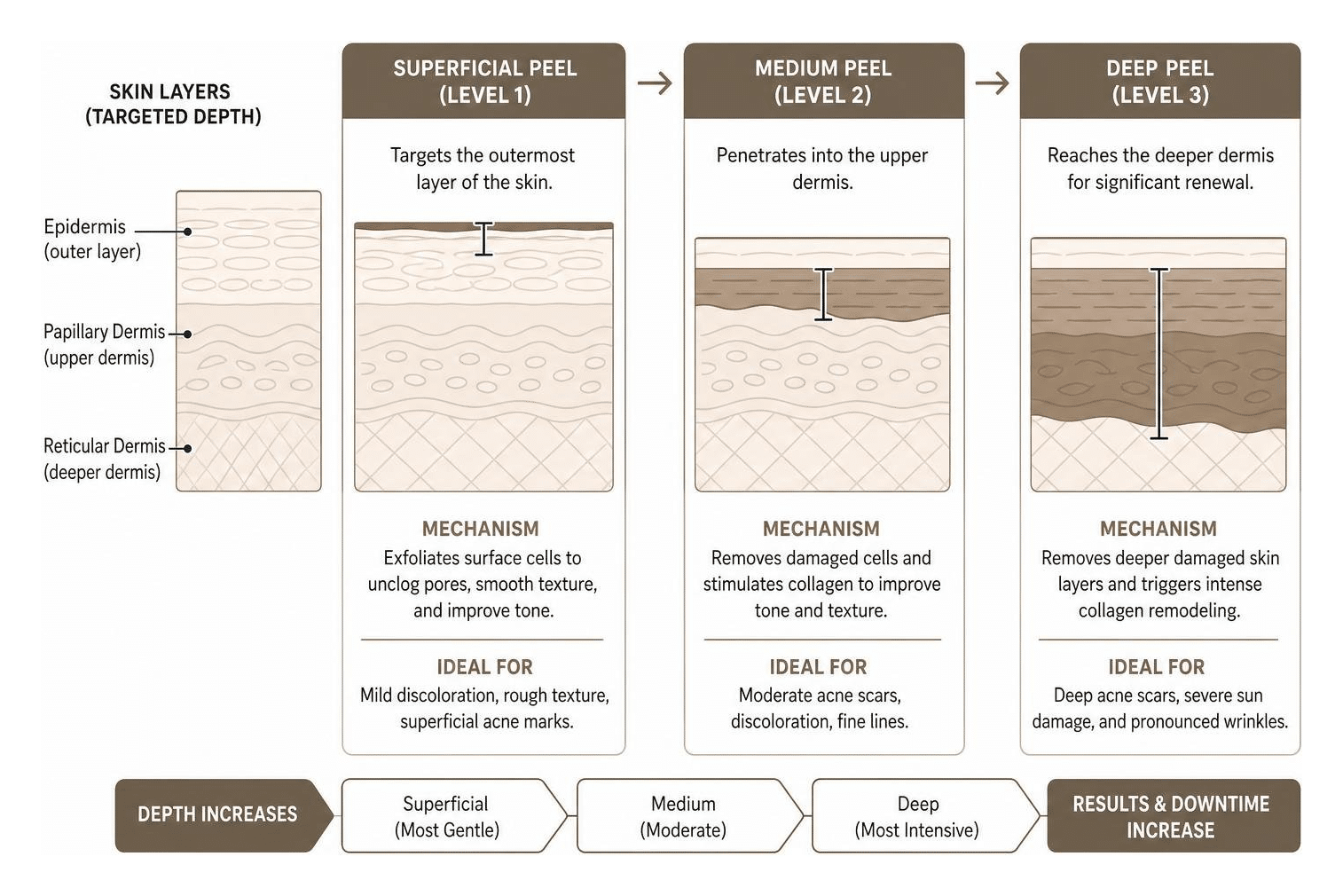
lactic acid peel is a superficial treatment, so you typically won't experience the dramatic sheets of peeling skin associated with deeper peels. Instead, you might notice some mild dryness, tightness, or fine flaking for a few days. There is often no visible peeling at all. The main result is the "glow"—a fresh, healthy radiance as the dull outer layer gives way to the smoother, brighter skin underneath.
Conclusion: Is a Lactic Acid Peel Your Path to Glowing Skin?
If you're looking for a gentle yet powerful way to refresh your skin, a
lactic acid peel is an excellent choice. This treatment effectively addresses hyperpigmentation, fine lines, and uneven texture while being kind enough for sensitive skin. It dissolves dead skin cells, stimulates collagen, and hydrates from within, revealing a brighter, smoother complexion without the harshness of stronger peels.
Whether you opt for professional treatments or use at-home products, consistency and proper care—especially sun protection—are key to achieving and maintaining radiant skin.
At SA Blissful Spa in Burlington, MA, we provide personalized, expert care custom to your unique skin journey. We take the time to understand your concerns and create a custom treatment plan to deliver the beautiful results you deserve.
Your path to glowing skin starts with a conversation. Let's find how a
lactic acid peel can transform your complexion.
Book your personalized skincare consultation with our experts today.