Why Your Skin Deserves Doctor-Approved Care
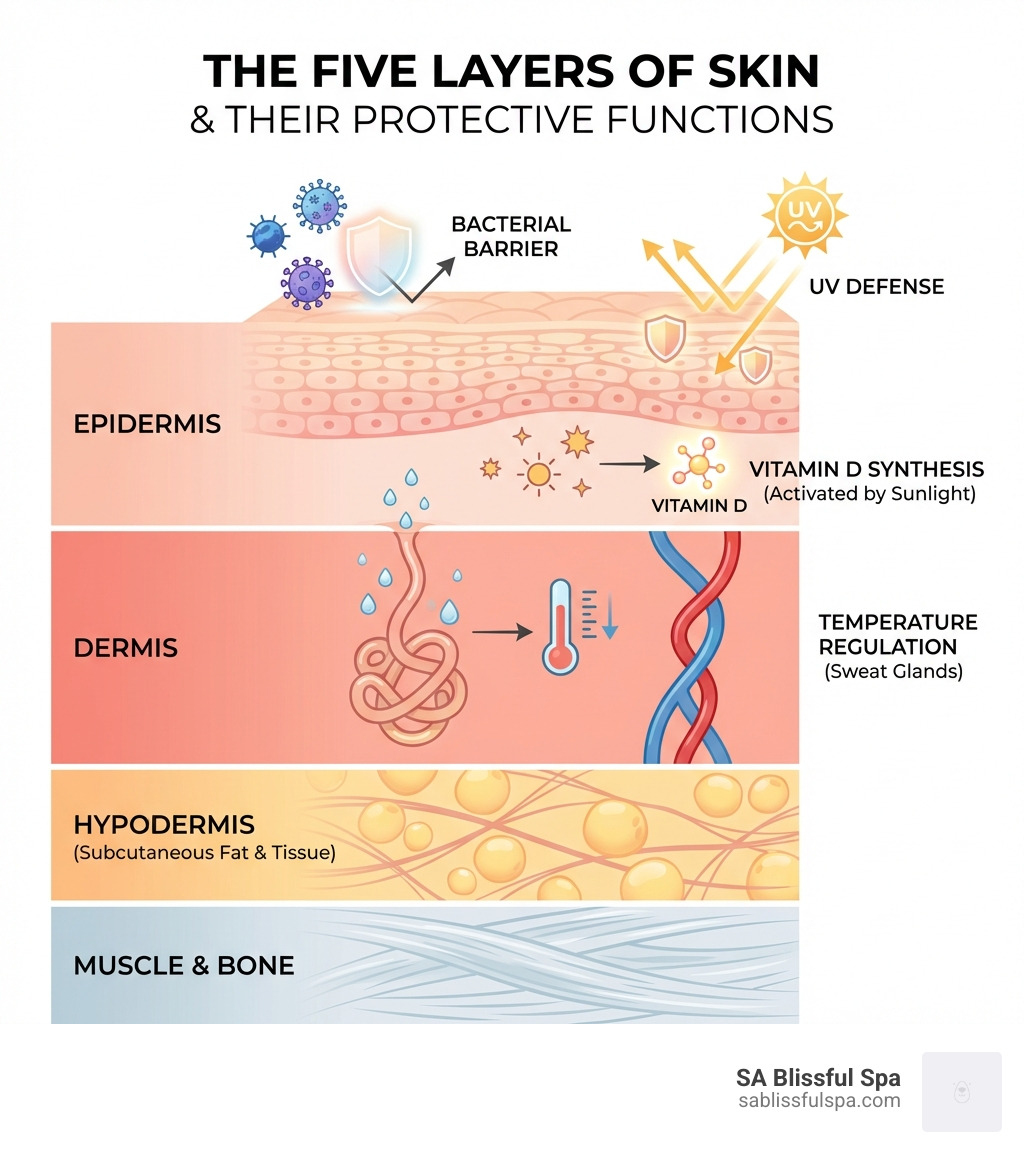
How maintain healthy skin starts with understanding what you're protecting. Your skin is your body's largest organ—weighing about nine pounds—and it does far more than hold everything together. It's your first line of defense against bacteria, viruses, and environmental hazards. It regulates your temperature through sweat glands and blood vessels. It even produces vitamin D when exposed to sunlight.
Here are the essential steps to maintain healthy skin:
- Protect from the sun - Use SPF 30+ broad-spectrum sunscreen daily and reapply every 2 hours
- Cleanse gently - Wash your face twice daily with mild, alcohol-free cleansers using lukewarm water
- Moisturize consistently - Apply moisturizer while skin is still damp to lock in hydration
- Stay hydrated - Drink at least 2 liters of fluid daily and limit alcohol consumption
- Prioritize sleep - Get 7-9 hours per night to reduce cortisol and prevent breakouts
- Eat well - Focus on fruits, vegetables, and omega-3s while avoiding refined carbs
- Don't smoke - Smoking narrows blood vessels and damages collagen and elastin
- Manage stress - Practice meditation, exercise, and maintain social connections
But here's the sobering truth: UV radiation accounts for 80% of premature aging, and just 15 minutes of unprotected UV exposure when levels are 3 or above can start damaging your skin. With 2 in 3 Australians developing skin cancer in their lifetime, prevention isn't optional—it's essential.
The challenge for busy professionals is finding time for proper skincare while managing stress, which itself triggers cortisol spikes that accelerate aging and cause breakouts. Studies link poor sleep to increased acne and blemishes, creating a vicious cycle.
That's where expert guidance makes the difference.
I'm Saloni Bhandari, founder of SA Blissful Spa, and as an experienced esthetician, I've spent years helping clients learn how maintain healthy skin through personalized treatments and simple daily habits that actually fit into real life. This guide combines dermatologist-backed science with practical strategies you can start using today.
Easy How maintain healthy skin word list:
The Golden Rule: How Maintain Healthy Skin Through Sun Protection
If we could only give you one piece of advice on how maintain healthy skin, it would be this: respect the sun. While a sun-kissed "glow" is often marketed as a sign of health, dermatologists tell a different story. A suntan is actually your skin's response to damage, a desperate attempt to produce melanin to protect your DNA from further UV harm.
Exposure to UV radiation is the primary culprit behind 80% of premature aging, including wrinkles, leathery texture, and age spots. Beyond aesthetics, the risks are life-threatening. Statistics show that just 15 minutes of unprotected exposure when the UV index is 3 or higher can start the damage process.
To truly protect yourself, you need a multi-layered approach:
- SPF 30+ Broad-Spectrum Sunscreen: Ensure your sunscreen protects against both UVA (aging) and UVB (burning) rays. You need about two tablespoons to cover your body properly.
- The Two-Hour Rule: Reapply sunscreen every two hours, or more frequently if you are swimming or sweating.
- Seek Shade: The sun’s rays are strongest between 10 a.m. and 4 p.m. If you’re out in Burlington or Lexington during these hours, find a leafy tree or a porch.
- Dress for Success: Protective clothing, like long-sleeved shirts and broad-brimmed hats, provides a physical barrier that sunscreen can't always match.
For deeper insights into the clinical side of sun safety, you can explore this scientific research on sun safety and skin health.

Identifying Your Type to Better Understand How Maintain Healthy Skin
You wouldn't put diesel in a gasoline engine, and you shouldn't put heavy oils on skin that’s already overproducing sebum. To know how maintain healthy skin, you must first identify your skin type.
We recommend the "Tissue Test." Wash your face with a mild cleanser, pat it dry, and wait one hour without applying any products. Then, press a clean tissue to different areas of your face:
- Oily Skin: The tissue shows oil spots from the forehead, nose, and cheeks. You likely have enlarged pores and are prone to breakouts.
- Dry Skin: The tissue is clean, but your skin feels tight, flaky, or looks dull. This is often due to a lack of lipids.
- Combination Skin: You have an oily "T-zone" (forehead, nose, chin) but dry or normal cheeks.
- Sensitive Skin: Your skin may sting, burn, or turn red after using certain products.
- Normal Skin: Your skin feels balanced—not too oily and not too dry.
Understanding these nuances allows you to choose dermatologist recommended skin care that supports your specific moisture and lipid needs.
Essential Steps to How Maintain Healthy Skin Every Morning and Night
Consistency is the secret sauce of skincare. You don't need a 12-step routine that takes an hour; you just need the right habits performed every single day.
- Gentle Cleansing: Avoid "squeaky clean" skin. If your skin feels tight after washing, your cleanser is too harsh and is stripping your natural oils. Use lukewarm water—hot water is a recipe for dryness.
- Makeup Removal: Never, ever go to sleep with makeup on. It traps pollutants and bacteria against your skin, leading to clogged pores and inflammation.
- The Order of Operations: Apply your products from thinnest to thickest consistency (e.g., toner, then serum, then moisturizer). This ensures that the lighter ingredients can actually penetrate the skin.
- Moisturize on Damp Skin: After washing, pat your skin lightly so it’s still slightly damp, then apply your moisturizer. This seals in the water that’s already on your skin's surface.
For those looking to elevate their home routine, learning more info about spa skincare can help you bridge the gap between basic maintenance and professional results.
Lifestyle Factors: Diet, Hydration, and the Impact of Smoking
What you put in your body is just as important as what you put on it. Your skin cells are constantly regenerating, and they need high-quality building blocks to do so.
The Skin-Health Diet: A plant-based diet rich in Vitamin A (found in sweet potatoes and carrots) and Vitamin C (found in citrus and peppers) provides the antioxidants necessary to fight free radical damage. Omega-3 fatty acids, found in walnuts and flaxseeds, help maintain the skin's lipid barrier, keeping it plump and hydrated. Conversely, a diet high in refined carbohydrates and sugar can trigger inflammation and has been linked to increased acne and accelerated aging.
Hydration vs. Dehydration: We recommend drinking at least 2 liters of fluid daily. While water is best, tea and low-sugar squashes also count. Be wary of alcohol; it is a notorious dehydrator that reduces moisture retention and can flare up conditions like eczema or rosacea.
The Smoking Toll: If you smoke, the best thing you can do for your skin is quit. Smoking narrows the tiny blood vessels in the outermost layers of skin, which decreases blood flow and depletes the skin of oxygen and nutrients. It also damages collagen and elastin—the fibers that give your skin strength and elasticity. This leads to the characteristic "smoker's face": deep wrinkles around the mouth and eyes, and a gray, sallow complexion.
Check out this research on nutrition and skin health for more on the food-skin connection.
The Internal Connection: Sleep, Stress, and Exercise
We often call it "beauty sleep" for a reason. While you sleep, your body goes into repair mode. Getting 7-9 hours of quality rest per night allows your skin to recover from the day's environmental stressors. Poor sleep is directly linked to increased cortisol levels, which can lead to increased sebum production and stress-induced breakouts.
Stress Management: Uncontrolled stress can make your skin more sensitive and trigger stubborn acne. We encourage our clients in towns like Winchester and Woburn to find a stress-management technique that works for them—whether it's meditation, deep breathing, or simply socializing with friends.
The Exercise Glow: Regular physical activity isn't just for your heart. By increasing blood flow, exercise helps nourish skin cells and keep them vital. Blood carries oxygen and nutrients to working cells throughout the body, including the skin. Furthermore, exercise helps "detox" the skin through sweat, clearing out pores (provided you wash your face afterward!). A 2014 study even suggested that regular exercise can reverse some signs of skin aging in people over 40.
To learn more about the long-term benefits of these habits, see our guide on anti-aging and skin care.
| Feature | Restorative Sleep | Regular Exercise |
|---|---|---|
| Primary Benefit | Cellular repair and collagen production | Increased circulation and nutrient delivery |
| Hormonal Impact | Lowers cortisol (stress hormone) | Balances insulin and reduces inflammation |
| Visual Result | Reduced dark circles and puffiness | Immediate "healthy glow" and firmer texture |
| Skin Condition | Improved barrier function | Improved detoxification via perspiration |
Professional Care and Daily Hygiene Habits
Sometimes, how maintain healthy skin comes down to the objects we touch every day. Your phone, for instance, is a breeding ground for bacteria. Disinfecting it daily with a wipe can prevent "phone acne" on your cheeks.
Hygiene Checklist:
- Pillowcases: Change your pillowcase at least once a week. It collects oils, hair products, and dead skin cells that can migrate back to your face.
- Makeup Brushes: Wash your brushes every 7 to 10 days using a gentle shampoo.
- Shaving: Always shave in the direction of hair growth, use a sharp blade, and never skip the shaving cream.
- Humidifiers: In the dry Massachusetts winters, a humidifier in your bedroom can prevent your skin from losing moisture to the air.
Professional intervention is the cornerstone of a truly effective routine. Whether it's a deep-cleansing facial or a chemical peel, professional treatments can reach layers of the skin that home products simply can't. You can learn more about face skin care and how we tailor these treatments to your unique needs.
Frequently Asked Questions about Skin Maintenance
When should I see a dermatologist for skin concerns?
You should perform a monthly self-exam. If you notice a mole that is changing in size, shape, or color, or if you have a persistent rash that won't go away, it’s time to see a professional. Look for FAAD certification to ensure you are seeing a board-certified expert. You can find a board-certified dermatologist through the American Academy of Dermatology.
How does exercise specifically benefit my skin?
Exercise boosts blood flow, which acts like an internal facial, delivering oxygen and nutrients while carrying away waste products like free radicals. It also helps reduce chronic inflammation, which is a major contributor to both acne and anti-ageing skincare concerns.
What are the best practices for moisturizing dry skin?
For dry skin, especially during the winter in Billerica or Reading, look for products containing ceramides or hyaluronic acid. Creams are generally better than lotions for dry skin because they have a higher oil content, which creates a more effective barrier. If you're struggling with acne-prone but dry skin, we can help you find the best skin care acne treatment that won't strip your moisture.
Conclusion
At SA Blissful Spa, we believe that healthy skin is a reflection of your overall well-being. From the personalized care we provide in our Burlington sanctuary to the daily habits you practice at home, every step counts. Our expert estheticians are dedicated to helping you navigate the complexities of skincare with tailored treatments that rejuvenate both your skin and your spirit.
Whether you're looking for a refreshing peel or a specialized facial for men, we are here to support your journey to radiant, lasting skin health.
Pricing Note: Please note that professional skincare treatment costs can vary widely. Based on general internet data, basic facials may range from $75 to over $350 for advanced clinical treatments, depending on the technology and products used.