Showing a New Layer of You
Are facial chemical peels worth it? For many people seeking to improve skin texture, reduce fine lines, fade dark spots, and achieve a brighter complexion, the answer is a resounding yes. However, the value depends on your specific skin concerns, budget, and commitment to proper aftercare.
Chemical peels work by applying a specialized solution to the skin, which removes damaged outer layers and reveals the smoother, healthier skin underneath. This process creates a "controlled wound" that stimulates your body's natural healing response, triggering increased collagen production and accelerating cell turnover. This addresses common concerns like sun damage, acne scarring, uneven pigmentation, and fine lines.
As
Saloni Bhandari, founder of SA Blissful Spa and experienced esthetician, I've helped countless clients determine
are facial chemical peels worth it for their unique skin goals through personalized consultations and customized treatment plans. My expertise in advanced skincare techniques allows me to guide clients toward the most effective peel options for their specific needs and skin types.

What is a Facial Chemical Peel and How Does It Work?
A facial chemical peel is a cosmetic treatment that uses a chemical solution to exfoliate the skin. This solution causes the outermost, damaged layers of skin to peel away, revealing newer, smoother, and more radiant skin underneath. The process creates a "controlled wound," which stimulates the body's natural healing response. This encourages the production of collagen and elastin—the proteins that keep skin firm and youthful—effectively refreshing your complexion.
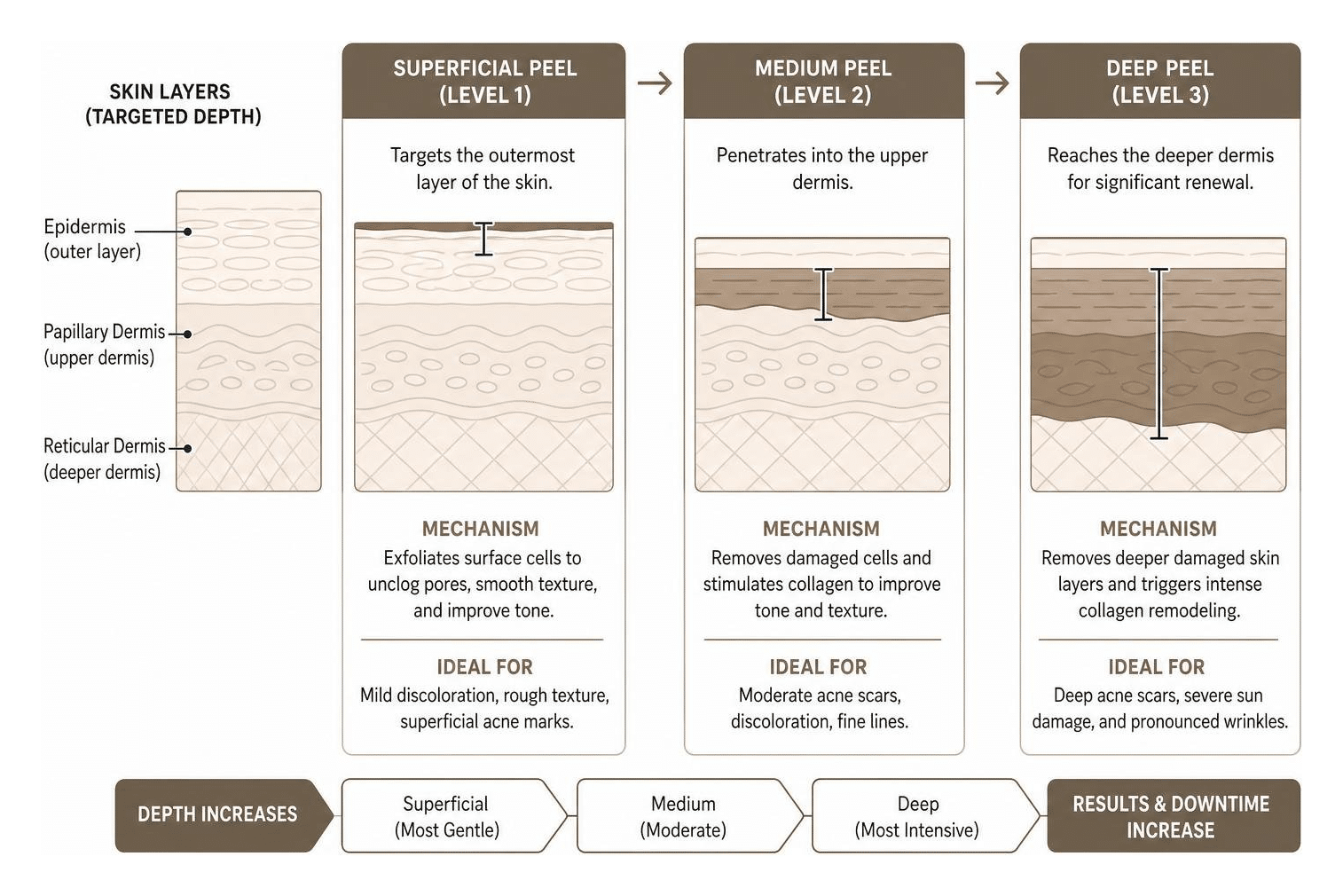
To understand the different levels of treatment, here's a comparison of light, medium, and deep peels:
| Factor |
Light Chemical Peel |
Medium Chemical Peel |
Deep Chemical Peel |
| Penetration Level |
Epidermis (outermost layer) |
Epidermis and upper portions of the dermis |
Deeper into the dermis |
| Chemical Agents |
Alpha-hydroxy acids (AHAs like Glycolic, Lactic), Beta-hydroxy acids (BHAs like Salicylic) |
Trichloroacetic acid (TCA), Jessner's solution |
Phenol (Carbolic Acid) |
| Skin Concerns Addressed |
Mild discoloration, rough texture, fine lines, acne, mild sun damage |
Fine lines and wrinkles, age spots, freckles, moderate sun damage, acne scars, hyperpigmentation |
Severe photoaging, deep wrinkles, significant scarring, precancerous growths |
| Downtime |
Minimal (1-7 days of redness, dryness, light flaking) |
Moderate (7-14 days of redness, swelling, crusting, peeling) |
Significant (2 months+ of intense redness, swelling, oozing, crusting) |
| Typical Results |
Brighter, smoother skin, improved texture and clarity |
Noticeably smoother skin, more even tone, reduced appearance of lines and scars |
Dramatic resurfacing, significant reduction in deep wrinkles and scars |
The Spectrum of Peels: From Light Refresh to Deep Renewal
The intensity of a chemical peel determines the results and recovery time. Peels are categorized as light, medium, or deep.
Light Peels, often called "lunchtime peels," offer a quick refresh with minimal downtime. Using mild acids like
Alpha-hydroxy acids (AHAs) or
Beta-hydroxy acids (BHAs), they gently exfoliate the top layer of skin. They are ideal for improving texture, mild discoloration, and acne. Recovery involves minor redness or flaking for up to a week. For best results, light peels can be repeated every two to five weeks.
Medium Peels provide more significant results by reaching deeper into the skin with agents like
Trichloroacetic acid (TCA). They effectively treat more pronounced wrinkles, acne scars, and moderate sun damage. Recovery takes one to two weeks, though some redness may linger. Medium peels can be repeated every six to twelve months.
Deep Peels deliver the most dramatic change, using a powerful agent like
Phenol to penetrate deep into the dermis. They are used for severe sun damage, deep wrinkles, and significant scarring. The healing period is extensive, often two months or more, but the results can last for several years. Due to their intensity and potential risks, deep peels are a one-time procedure performed by a highly experienced medical professional. For more on the science, you can explore
scientific research on phenol peels for photoaging.
The Benefits vs. The Risks of Chemical Peels
Deciding if a chemical peel is right for you means weighing the potential benefits against the risks. A professional consultation at SA Blissful Spa is the essential first step to assess your skin, discuss your goals, and help you understand what to expect.
The Glow-Up: Key Benefits of a Chemical Peel
Chemical peels offer numerous advantages for achieving a radiant, healthy glow. By removing dead and damaged cells, they deliver a wide range of improvements:
- Improved Skin Texture and Tone: Peels leave skin feeling incredibly smooth and soft while creating a brighter, more even complexion.
- Reduced Fine Lines and Wrinkles: They soften the appearance of fine lines, especially those around the eyes and mouth caused by sun exposure.
- Faded Hyperpigmentation: They are highly effective at treating sun damage, including age spots, freckles, and melasma. For more info, see this guide on hyperpigmentation and sun damage.
- Clearer Skin: Certain peels can unclog pores, reduce active acne, and diminish the appearance of acne scars.
- Minimized Pores: By boosting collagen, peels can help tighten and reduce the appearance of enlarged pores.
- Improved Product Absorption: With the outer barrier of dead cells removed, your skincare products can penetrate more effectively.
- Health Benefits: Deep peels can remove certain pre-cancerous growths, such as actinic keratoses, offering a proactive health benefit.
Potential Downsides and What to Expect
It's important to be transparent about the recovery process. Here’s a look at the potential downsides:
- Redness, Swelling, and Peeling: After a peel, it's normal to experience redness and swelling, similar to a sunburn. This is followed by peeling or flaking as the old skin sheds. It is crucial not to pick at the peeling skin to avoid scarring.
- Temporary Skin Sensitivity: Your new skin will be delicate and sensitive to touch and products. Following post-care instructions is vital for proper healing.
- Changes in Skin Color: Though uncommon, peels can cause hyperpigmentation (darkening) or hypopigmentation (lightening), particularly in darker skin tones. We carefully select the right peel to minimize this risk.
- Sun Sensitivity: Your new skin will be extremely vulnerable to the sun. Diligent use of sunscreen is non-negotiable for weeks or months to prevent damage and protect your results.
- Risk of Infection or Scarring: While the risk is very low with a trained professional, any skin procedure carries a slight risk. Following aftercare instructions helps prevent these complications.
- Other Rare Risks: Deep phenol peels carry rare risks of affecting internal organs and must be performed in a monitored medical setting. Other potential side effects include milia (small white bumps) or reactivation of cold sores, which can be managed with preventative medication.
The Peel Process: From Consultation to Recovery
At SA Blissful Spa, we guide you through every step of your chemical peel journey, ensuring safety, comfort, and optimal results.

What to Expect During and After Your Treatment
Your experience begins with a thorough consultation to review your medical history, assess your skin, and select the right peel. We may provide pre-peel skincare instructions, such as avoiding retinoids or sun exposure.
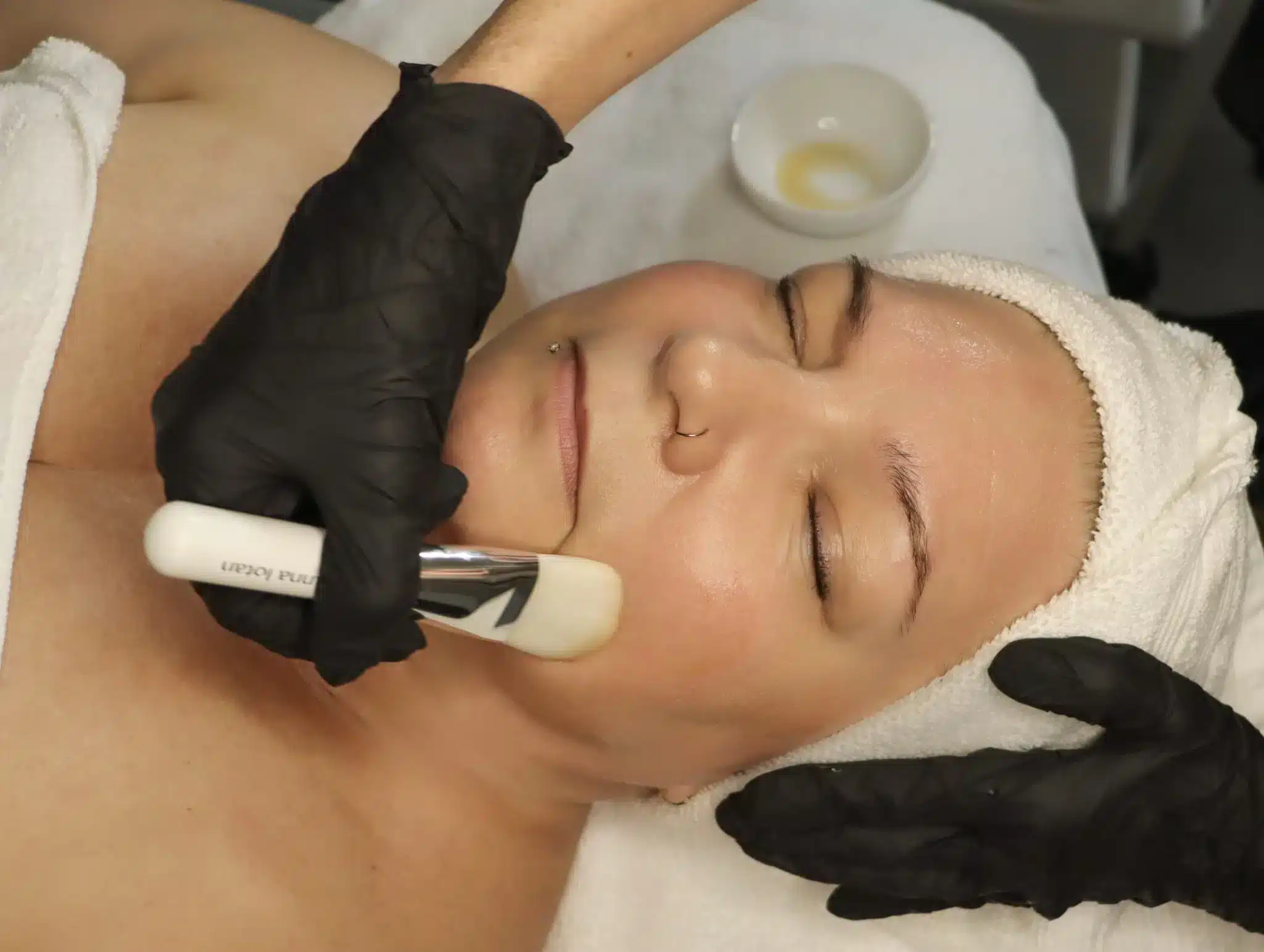
During the 10- to 30-minute procedure, your skin is cleansed before the chemical solution is applied. You may feel a slight tingling or stinging sensation. Afterward, your skin will feel tight and may appear red.
Post-peel care is crucial for healing and results. This involves a simplified routine with gentle cleansers and moisturizers, and strict avoidance of exfoliants. Sunscreen is non-negotiable; you must apply a broad-spectrum SPF 30+ daily and avoid direct sun. Healing times vary:
- Light peels: 1-7 days of minor redness and flaking.
- Medium peels: 7-14 days of more noticeable redness, swelling, and peeling.
- Deep peels: 2+ months of significant healing, with initial new skin appearing in about two weeks.
How Long Do Results Last and Who is a Good Candidate?
The longevity of your results depends on the peel's depth and your skincare habits.
- Light peels: Results last 1-2 months.
- Medium peels: Effects can last for several months up to a year.
- Deep peels: Results can last for several years.
Good candidates for chemical peels are typically individuals with fine lines, hyperpigmentation, sun damage, acne scars, or rough skin texture. While peels can be adapted for many skin types, those with fair skin often have the lowest risk of pigment changes. For darker skin tones, we take extra precautions, usually recommending superficial peels to minimize the risk of post-inflammatory hyperpigmentation.
Chemical peels should be avoided if you are pregnant or nursing, have taken isotretinoin (Accutane) in the last six months, have a history of keloid scarring, or have active skin infections or conditions like eczema in the treatment area.
The Verdict: Are Facial Chemical Peels Worth It for You?
So, is a chemical peel the right investment for your skin? The answer depends on your goals, budget, and readiness to commit to the aftercare process. At SA Blissful Spa, we see peels as a powerful tool for achieving remarkable skin changes.
The Financial Factor: Are Facial Chemical Peels Worth It for the Price?
Cost is a significant consideration. The following figures are
average costs based on internet data and are
not the actual prices at SA Blissful Spa, as our costs vary based on the specific treatment plan.
Nationally, the average cost of a chemical peel is around $673, but the price range is wide, depending on the peel's depth, the provider's expertise, and location.
- Light peels: Generally the most affordable, ranging from $100 to $300.
- Medium peels: Typically cost between $1,000 and $3,000.
- Deep peels: A significant investment, ranging from $2,500 to $6,000 or more.
When weighing the cost, consider the long-term value of improved skin health and confidence. For many, the visible improvements make the investment worthwhile.
How Do Peels Compare to Other Skin Treatments?
Different treatments target different concerns, and they can often complement each other.
- Chemical Peels excel at improving surface issues like skin texture, tone, clarity, and mild scarring.
- Botox and Fillers address wrinkles differently. Botox relaxes muscles to smooth dynamic lines, while fillers add volume to plump deep creases.
- Microdermabrasion is a gentler form of physical exfoliation, best for minor dullness.
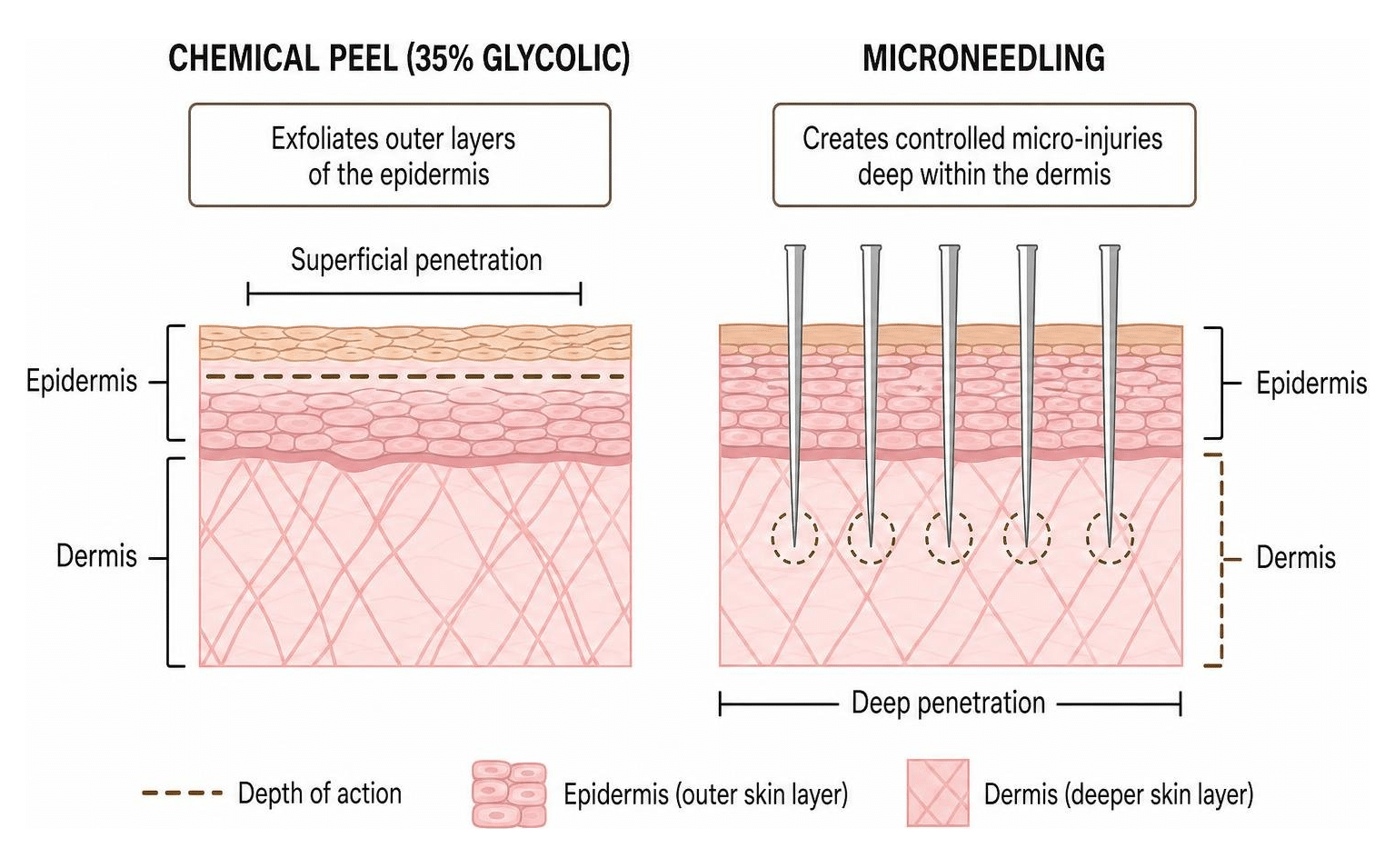
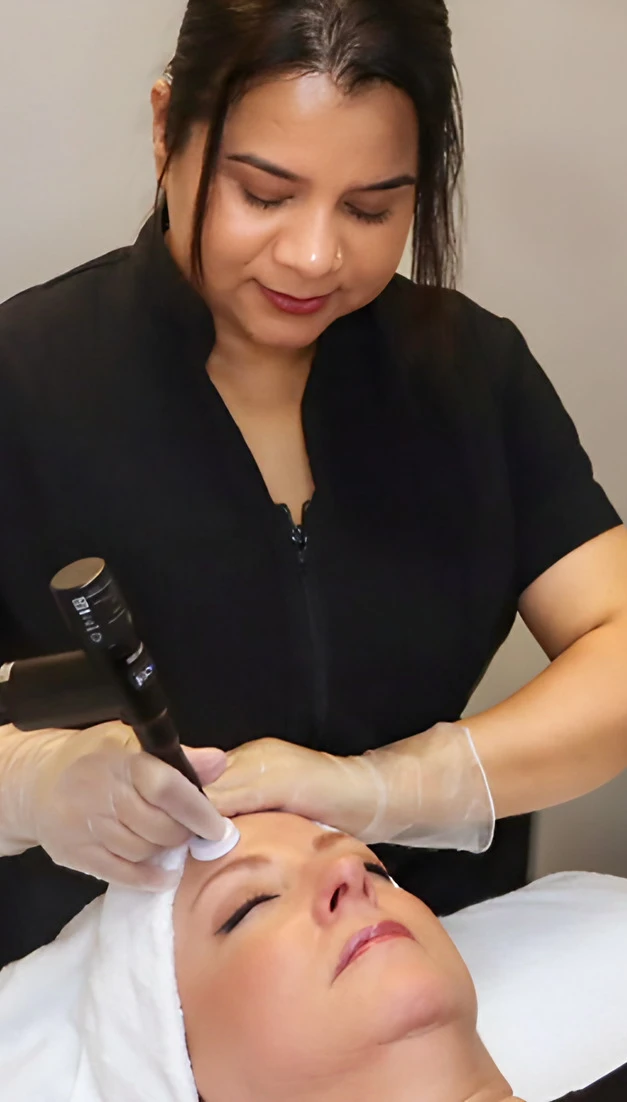
- Microneedling stimulates collagen by creating micro-injuries, excellent for texture and indented scars.
- Facials, like the ones we offer at SA Blissful Spa, are ideal for deep cleansing, hydration, and nourishment but don't provide the same level of resurfacing as a peel.
Often, a combined approach yields the best results. A peel can create a smooth canvas that improves the effects of other treatments.
So, are facial chemical peels worth it?
For those with surface-level skin concerns looking for significant improvements in texture, tone, and clarity, our answer is a confident yes. The value of a peel comes from visible results—faded dark spots, smoother skin, and a radiant glow. However, this value is directly tied to your commitment to aftercare, especially sun protection. A consultation with a knowledgeable professional is crucial to set realistic expectations and determine if a peel is the right choice for your skin.
Conclusion: Is a Chemical Peel Your Path to Radiant Skin?

A chemical peel can be a transformative step toward the renewed, glowing skin you desire. By improving texture, reducing imperfections, and revealing a brighter complexion, these treatments open up your skin's natural beauty.
So,
are facial chemical peels worth it? For many, the answer is absolutely yes. The "worth" is realized when the right peel is chosen for your unique skin, performed by an experienced professional, and supported by your diligent aftercare. It's a partnership between our expertise and your commitment.
At SA Blissful Spa, we offer a personalized journey to healthier skin. Our team is here to guide you with a safe, effective, and custom treatment plan. We are proud to serve our communities in Arlington, Bedford, Belmont, Billerica, Burlington, Carlisle, Concord, Lexington, Lincoln, Melrose, North Reading, Reading, Stoneham, Wakefield, Watertown, Wilmington, Winchester, and Woburn, MA.
Ready to find if a chemical peel is your path to radiant skin?
More info about our Facial and Peel Services.