What Professional Massage Therapy Can Do for Your Body and Mind
Professional massage therapy is one of the most effective, research-backed ways to reduce stress, relieve chronic pain, and restore your body's natural balance.
Here's a quick look at what it offers:
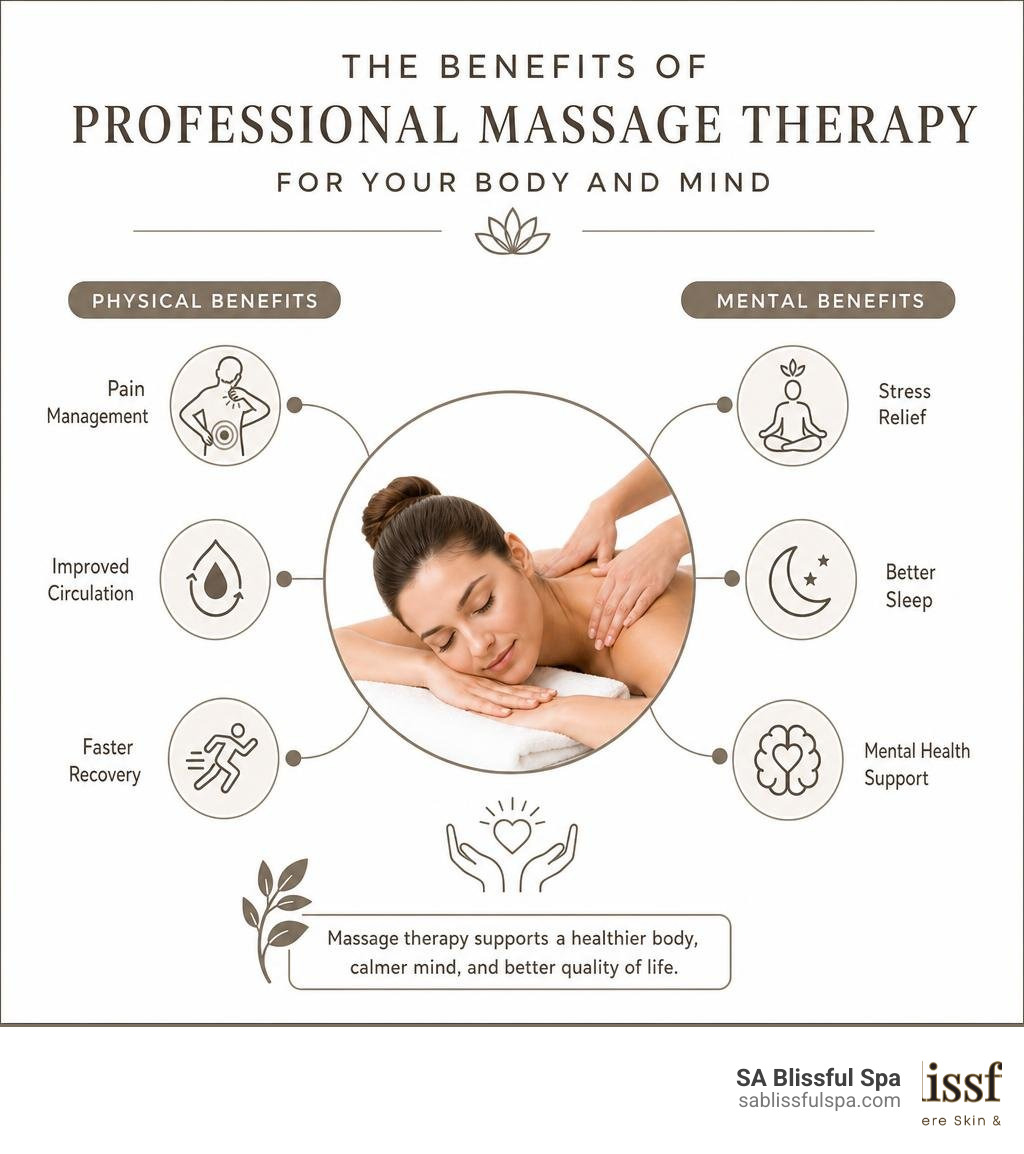
- Stress relief — lowers cortisol and calms the nervous system
- Pain management — targets muscle tension, chronic pain, and injury recovery
- Better sleep — promotes deeper, more restorative rest
- Improved circulation — moves blood and lymphatic fluid more efficiently
- Mental health support — reduces anxiety and symptoms of depression
- Faster recovery — aids post-workout and post-operative healing
Whether you're dealing with tight shoulders from desk work, chronic lower back pain, or simply need to decompress, a session with a licensed massage therapist can make a real, noticeable difference.
But not all massage is created equal. Who performs your massage matters as much as what technique they use. Understanding the difference between a qualified professional and an unvetted provider helps you get results — and stay safe.
The U.S. Bureau of Labor Statistics projects employment for massage therapists to grow 18% between 2023 and 2033 — nearly double the average growth rate for all occupations. That tells you something important: demand for skilled, professional care is rising fast.
I'm Saloni Bhandari, founder of SA Blissful Spa and a licensed esthetician with hands-on expertise in professional massage therapy and holistic wellness treatments. In this guide, I'll walk you through everything you need to know — from the science behind massage to how to choose the right therapist for your needs.
The Path to Becoming a Professional Massage Therapy Expert
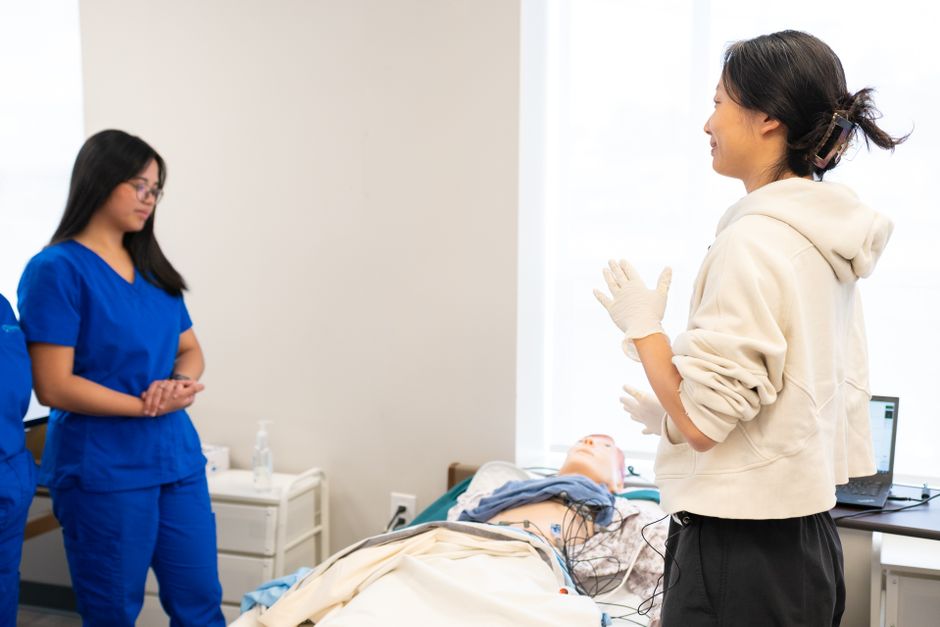
When you lie down on a massage table, you are placing your physical well-being in someone else’s hands—literally. That is why the background, education, and credentials of your practitioner are so important. The massage industry has evolved from a simple wellness amenity into a highly respected branch of complementary healthcare.
To understand the dedication required to practice, it helps to look at how therapists are trained. Across the country, and specifically here in Massachusetts, becoming a licensed professional requires rigorous academic and hands-on preparation. Let's break down what separates a true expert from someone who simply performs casual bodywork.
Massage Therapist vs. Masseuse: Why the Distinction Matters
You might still hear the term "masseuse" used in casual conversation or old movies, but in the modern wellness industry, this term is outdated and often carries unprofessional connotations. Today, the correct, industry-standard term is Licensed Massage Therapist (LMT) or Registered Massage Therapist (RMT).
This distinction is not just about semantics; it is about professionalism, safety, and respect:
- Professional Credentials: A licensed massage therapist has completed an accredited educational program, passed a state-regulated licensing exam, and adheres to a strict professional code of ethics.
- Gender-Neutral Terminology: "Massage therapist" is a professional, gender-neutral title, whereas "masseuse" (and its masculine counterpart, "masseur") are gender-specific terms that have historically been associated with unregulated or non-therapeutic environments.
- Ethical Standards and Boundaries: Licensed professionals are trained in strict draping protocols, client-therapist boundaries, and sanitization standards to ensure a safe, comfortable, and therapeutic environment.
- Credential Verification: Licensed therapists must display their license numbers and register with state boards, allowing clients to easily verify their standing and history.
By choosing an LMT, you are ensuring that your treatment is delivered by a qualified healthcare professional dedicated to your physical recovery and comfort.
Education, Licensing, and Career Outlook
Becoming a professional massage therapist is an intensive process. Most state-approved training programs require between 500 and 1,000 hours of rigorous study. The curriculum covers a wide range of essential medical and practical subjects, including:
- Anatomy and Physiology: Understanding the skeletal, muscular, circulatory, and nervous systems.
- Kinesiology: The study of body mechanics and human movement.
- Pathology: Identifying medical conditions, chronic illnesses, and injuries to determine when massage is safe and when it must be avoided (contraindications).
- Clinical Practice: Hundreds of hours of hands-on, supervised clinical training before graduation.
After completing their education, aspiring therapists must pass a comprehensive licensing exam. In most states, this is the Massage & Bodywork Licensing Exam (MBLEx), a 100-question exam administered by the Federation of State Massage Therapy Boards (FSTB).
Many therapists also choose to pursue board certification through the National Certification Board for Therapeutic Massage & Bodywork (NCBTMB), which requires ongoing clinical experience and continuing education.
For those pursuing this career, the outlook is exceptionally bright. Many therapists enjoy flexible schedules, with the average practitioner working about 15 hours of hands-on massage per week, often combining their practice with other complementary fields like esthetics or physical therapy.
When it comes to the cost of care, the national average rate for massage therapy is approximately $65 per hour. However, depending on your location, therapist specialization, and the setting, prices can range widely from $40 to over $200+ per hour (please note that these are general, internet-based average costs and do not reflect the specific pricing menu at SA Blissful Spa).
Whether you are looking into regional centers like Bodywork Professionals - Capital Region Massage Therapy or local wellness clinics, investing in a licensed professional ensures your money goes toward safe, effective, and scientifically grounded care.
Common Modalities in Professional Massage Therapy

Massage therapy is not a one-size-fits-all treatment. There are dozens of specialized modalities, each designed to target different muscle groups, healing stages, and wellness goals. To help you understand which style is right for you, we have put together a comparison of the three most popular foundational modalities:
| Modality | Primary Goal | Pressure Level | Best Suited For |
|---|---|---|---|
| Swedish Massage | Relaxation & Circulation | Light to Medium | Stress relief, first-timers, general tension |
| Deep Tissue Massage | Chronic Tension & Pain | Firm to Deep | Chronic stiffness, postural issues, old injuries |
| Sports Massage | Performance & Recovery | Medium to Firm (Active) | Athletes, flexibility, injury prevention |
Swedish Massage: The Foundation of Professional Massage Therapy
If you have ever pictured a classic, relaxing spa massage, you were likely thinking of Swedish massage. This modality is the cornerstone of modern massage therapy. It utilizes five primary strokes to glide over the muscles, warm up the tissues, and release superficial tension:
- Effleurage: Long, sweeping strokes that help warm up the muscles and improve blood flow.
- Petrissage: Kneading and rolling movements that squeeze out metabolic waste and release deeper tension.
- Friction: Deep, circular rubbing movements that break up minor muscle knots.
- Tapotement: Light tapping or rhythmic percussive movements to stimulate the nervous system.
- Vibration: Gentle shaking or rocking of the limbs to encourage total muscle release.
Swedish massage is highly effective for lowering blood pressure, reducing stress hormones, and boosting overall circulation, making it the perfect choice for anyone looking to unwind.
Deep Tissue and Clinical Modalities
For those dealing with chronic pain, tight shoulders from long desk hours, or old sports injuries, Swedish massage may not go deep enough. That is where deep tissue and clinical modalities come in.
Unlike Swedish massage, which focuses on relaxation, Deep Tissue Massage targets the deeper layers of muscle fibers and the surrounding connective tissue (fascia). Therapists use slow, deliberate strokes and deep finger pressure to break down adhesions—commonly known as "knots"—which can restrict circulation, cause pain, and limit your range of motion.
Other clinical techniques include Myofascial Release, which gently stretches the connective tissue wrapping your muscles, and Trigger Point Therapy, which applies targeted pressure to specific hyper-irritable spots in the muscle to relieve referred pain.
If you are looking for local, specialized clinical muscular therapy in our area, practitioners like Michelle Paganis offer targeted muscular treatments designed to restore mobility and alleviate chronic pain.
Specialized Techniques for Targeted Healing
Beyond the basics, professional therapists offer a variety of specialized treatments tailored to specific health conditions and lifestyle needs:
- Hot Stone Therapy: Uses smooth, heated basalt stones placed on key points of the body or used as extensions of the therapist’s hands. The deep, penetrating heat melts away muscle tightness, allowing for deeper work without intense pressure.
- Reflexology: Based on the ancient theory that specific points on the feet, hands, and ears correspond to different organs and systems throughout the body. Applying targeted pressure to these reflex zones promotes balance and relaxation.
- Sports Massage: Designed specifically for active individuals. It combines stretching, joint mobilization, and targeted strokes to help athletes prepare for events, recover from intense training, and prevent injuries.
- Oncology Massage: A highly specialized, gentle modality designed to safely support individuals undergoing cancer treatment. Therapists adjust pressure, site selection, and positioning to help manage the side effects of chemotherapy and radiation, such as pain, nausea, and fatigue.
- Acupressure: Uses precise finger pressure on traditional acupuncture meridians to stimulate the body's natural self-healing mechanisms and restore energy flow.
The Science-Backed Health Benefits of Massage
For decades, massage was viewed primarily as a luxury spa indulgence. Today, robust clinical research has proven that professional massage therapy is a powerful medical intervention with measurable physiological benefits.
From reducing systemic inflammation to speeding up post-surgical recovery, the medical community increasingly recognizes the therapeutic value of touch. For instance, integrated clinics like Medical & Spa Massage in River North, Chicago IL - Mamassage demonstrate how clinical massage can be seamlessly blended with medical rehabilitation to help clients manage chronic pain and recover from injuries.
Physical and Mental Health Benefits of Professional Massage Therapy
When a licensed therapist manipulates your soft tissues, they trigger a cascade of positive biochemical changes throughout your body:
- Cortisol Reduction: Studies show that a single session of professional massage can significantly lower levels of cortisol (the body's primary stress hormone) while boosting serotonin and dopamine (the "feel-good" neurotransmitters). This makes it an incredibly effective tool for managing anxiety and depression.
- Endorphin Release: Massage stimulates the release of endorphins, the body's natural painkillers, which block pain signals from reaching the brain.
- Improved Joint Mobility: By stretching tight muscles and releasing fascial restrictions, massage helps restore a healthy range of motion, reducing wear and tear on your joints.
- Blood Pressure Regulation: Regular massage therapy has been shown to help manage hypertension by calming the sympathetic nervous system, which controls your "fight-or-flight" response.
Integration with Modern Healthcare
Professional massage is no longer isolated to the spa. It is increasingly integrated into multidisciplinary healthcare plans alongside chiropractic care, physical therapy, and orthopedic medicine.
For post-operative patients, specialized techniques like lymphatic drainage help reduce swelling and prevent the build-up of scar tissue. For chronic pain management, regular massage sessions help break the pain-spasm cycle, allowing patients to reduce their reliance on pain medications and participate more fully in their physical rehabilitation exercises.
How to Choose a Qualified Therapist and Avoid Red Flags
Finding the right massage therapist is a personal process. Because massage involves close physical contact, it is essential to find a practitioner with whom you feel completely safe, respected, and comfortable.
When searching for a qualified therapist in your local area, look for established, reputable wellness centers. For example, if you are looking for trusted practitioners in neighboring towns, you can explore options like Water House Wellness - Arlington, BODY TEMPLE MASSAGE - Bedford, or Massage Therapy in Belmont, MA.
If you are located in other nearby communities, you might check out Fundamental Massage - Billerica MA - Vagaro, Massage & Facials in Burlington, Best Spas Near Me In Carlisle, MA | Vagaro, or search directories like THE BEST 10 MASSAGE NEAR Concord, MA 01742 - Yelp to find reviewed professionals nearby.
When evaluating a new therapist, always look for these signs of a true professional:
- Active State Licensure: A professional therapist will always be licensed by their state board and will happily provide their license number upon request.
- Thorough Intake Process: Before your first session, a qualified therapist should have you fill out a comprehensive health intake form and discuss your medical history, current pain points, and goals.
- Clear Communication and Boundaries: A professional will explain their draping techniques, ask for your consent before touching sensitive areas (like the abdomen or gluteal muscles), and check in on your comfort and pressure preferences throughout the session.
- Impeccable Hygiene: The treatment room, table, and linens must be spotlessly clean, and the therapist should wash their hands thoroughly before and after your session.
Red Flags to Watch For:
- The therapist dismisses your pain or refuses to adjust their pressure when you ask.
- There is no health intake form or consultation before your session.
- The therapist makes inappropriate remarks or crosses professional boundaries.
- The facility does not clearly display professional licenses or lacks basic cleanliness.
Frequently Asked Questions About Massage Therapy
What should I expect during my first professional massage session?
Your first session begins with a brief consultation to discuss your health history and goals. Your therapist will then leave the room, allowing you to undress to your comfort level and lie down on the massage table under a clean sheet or blanket.
During the massage, professional draping protocols are strictly followed: only the specific part of your body being worked on will be uncovered at any given time. Your therapist will check in on the pressure to ensure you remain comfortable throughout the session.
How often should I get a massage for chronic pain?
For acute issues or chronic pain management, therapists often recommend a targeted treatment plan of one session per week for 3 to 4 weeks to break the muscle spasm cycle. Once your pain is under control, you can transition to a maintenance schedule of one session every 3 to 4 weeks to keep your muscles relaxed and prevent tension from building back up.
Are there any contraindications for massage therapy?
Yes. While massage is highly beneficial, there are certain medical situations where it can be harmful. These include:
- Active blood clots or deep vein thrombosis (DVT)
- Infectious skin conditions or open wounds
- Acute fever or systemic infections
- Severe osteoporosis or recent bone fractures
If you have an underlying medical condition, are recovering from surgery, or are pregnant, it is always best to obtain medical clearance from your doctor before booking a session.
Conclusion
At SA Blissful Spa, we believe that taking care of your body is not a luxury—it is an essential part of living a healthy, vibrant life. Based in Burlington, MA, we are dedicated to providing a serene, welcoming environment where you can escape the daily grind and focus entirely on your wellness.
Whether you are looking to pair a relaxing massage with our expert skincare services, clinical facials, or advanced beauty treatments, our highly trained team is here to customize your path to rejuvenation.
Ready to invest in your well-being? Explore our full menu of personalized services on our SA Blissful Spa Treatments page and take the first step toward a healthier, more balanced you today!