Oily skin wrinkles present a fascinating paradox in skincare. While you might have heard that oily skin ages better than other skin types, the reality is far more nuanced than this simple claim suggests.
Quick Facts About Oily Skin and Wrinkles:
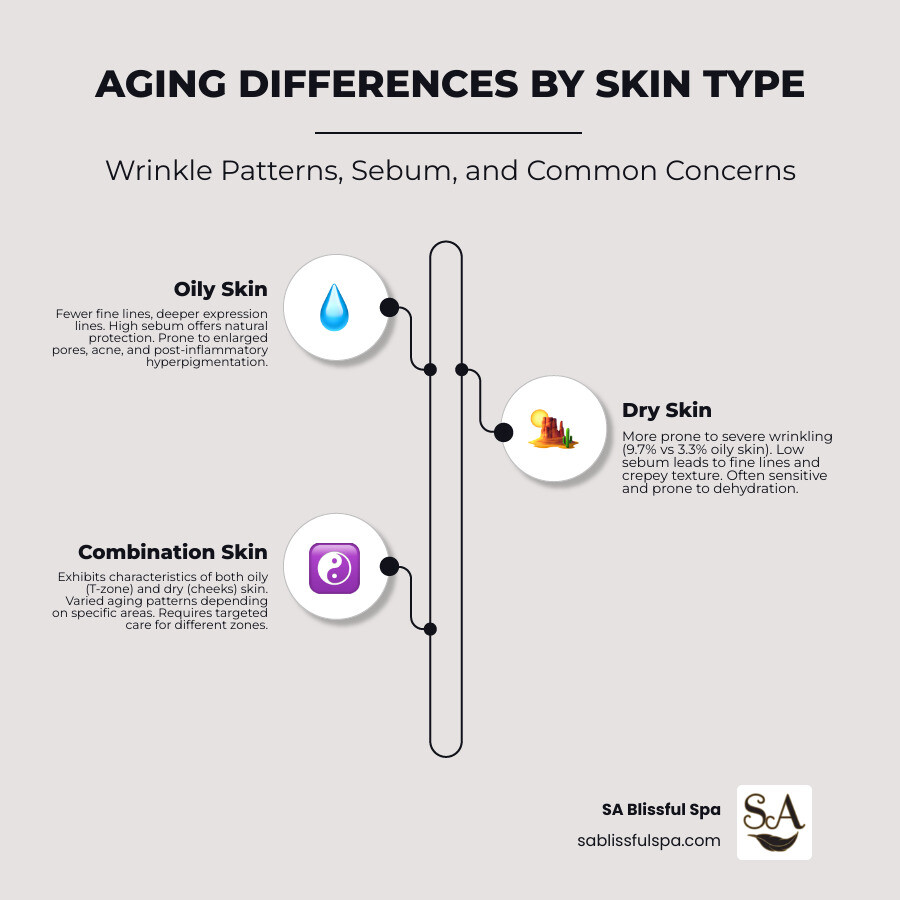
The truth is that oily skin does offer some aging advantages. Research shows that in middle-aged groups, severe wrinkling accounts for only 3.3% in oily skin versus 9.7% in dry skin. Your skin’s natural oil production creates a thicker dermis and provides constant hydration that can help prevent those telltale fine lines.
But here’s the catch: aging involves much more than just wrinkles. Sun damage, loss of elasticity, uneven tone, and texture problems affect all skin types. Plus, oily skin comes with its own set of challenges that can impact how young you look.
As an experienced esthetician at SA Blissful Spa, I’ve worked with countless clients struggling with oily skin wrinkles and the unique aging patterns they create. My expertise in customized facial treatments has shown me that understanding your skin type’s specific needs is the key to effective anti-aging care.
Here’s some good news if you’ve been battling shiny skin your whole life: that old saying about oily skin wrinkles appearing later isn’t just wishful thinking. There’s actually solid science behind it, though the story is more interesting than you might expect.
Your skin’s natural oil production – that sebum you’ve probably spent years trying to control – is actually working as your personal anti-aging assistant. Think of sebum as nature’s moisturizer, constantly hydrating your skin from within. This built-in hydration system keeps your skin plumper and more supple, which naturally makes fine lines less noticeable.
But sebum does more than just moisturize. It creates a protective barrier that shields your skin from environmental damage and helps wounds heal faster. As Dr. David Kim, a board-certified dermatologist, explains: “Oily skin may help with aging because sebum is a natural moisturizer and can keep the skin protected and help scars heal better and faster.”
There’s another advantage hiding beneath the surface. Oily skin typically has a thicker dermis – that’s the deeper layer of your skin – along with more sebaceous glands. This extra thickness acts like a natural cushion, making those dreaded forehead lines much less likely to appear.
The numbers back this up beautifully. A comprehensive 2009 study on skin aging found that people with oily skin were significantly more protected against severe wrinkling than those with dry skin. In middle-aged participants, only 3.3% of people with oily skin showed severe wrinkling, compared to 9.7% of those with dry skin. That’s more than a two-thirds reduction in severe wrinkles!
This natural hydration creates what I like to call the “plumping effect” – your skin stays naturally moisturized, which keeps it looking smoother and more youthful for longer.

Let’s dive deeper into why your skin’s oil production is such a powerful anti-aging tool. Sebum isn’t just simple oil – it’s a sophisticated blend of lipids that contributes to your skin’s natural moisturizing factor. This complex mixture is essential for maintaining your skin barrier, which prevents water from escaping and keeps your skin hydrated from the inside out.
When your skin maintains proper hydration levels, it stays more elastic and appears smoother. Those fine lines that often appear on drier skin types simply don’t have the same chance to develop when your skin is consistently well-moisturized.
The lipid layer protection that sebum provides also acts as a shield against environmental aggressors like pollution and harsh weather. Even better, sebum contains natural antioxidants, particularly Vitamin E, which helps fight off free radicals that would otherwise accelerate aging by damaging your collagen and elastin fibers.
By reducing transepidermal water loss – essentially preventing your skin’s moisture from evaporating – sebum keeps your skin plump and supple. This constant natural hydration is like having a 24/7 moisturizing treatment that never stops working.
Now here’s where things get interesting, and honestly, a bit ironic. While your oily skin gives you a major advantage against those surface-level fine lines that come from dryness, you’re not completely off the hook when it comes to wrinkles.
Oily skin tends to develop fewer fine, dry lines – those little creases that appear from dehydration and surface-level aging. But you might be more prone to deeper expression lines like frown lines between your eyebrows and nasolabial folds (those lines that run from your nose to the corners of your mouth).
Dr. Kseniya Kobets, director of cosmetic dermatology at Montefiore Einstein Advanced Care, puts it perfectly: “Although people with oily skin types may experience less fine wrinkles, they may still have deeper wrinkles in some areas, like between the brows.”
These deeper lines form differently than surface wrinkles. They’re caused by repeated facial expressions and the natural breakdown of collagen over time, rather than just surface dryness. Your skin’s oil production can’t prevent the muscle movements that create these expression lines.
There’s also one area where oily skin wrinkles appear just like everyone else’s: around your eyes. A 2015 study on facial wrinkles confirmed that crow’s feet develop regardless of skin type. The delicate eye area simply doesn’t have enough sebaceous glands to benefit from your skin’s natural oil production.
If you’re concerned about these expression lines and want professional help targeting them, our Anti-wrinkle Facial treatments are specifically designed to address these deeper concerns and help refresh your overall complexion.
While we’ve discussed the unique relationship between oily skin wrinkles, it’s crucial to remember that skin aging is a complex process that goes far beyond just lines and creases. Even if your oily skin gives you an advantage in the wrinkle department, aging shows up in many other ways across all skin types.
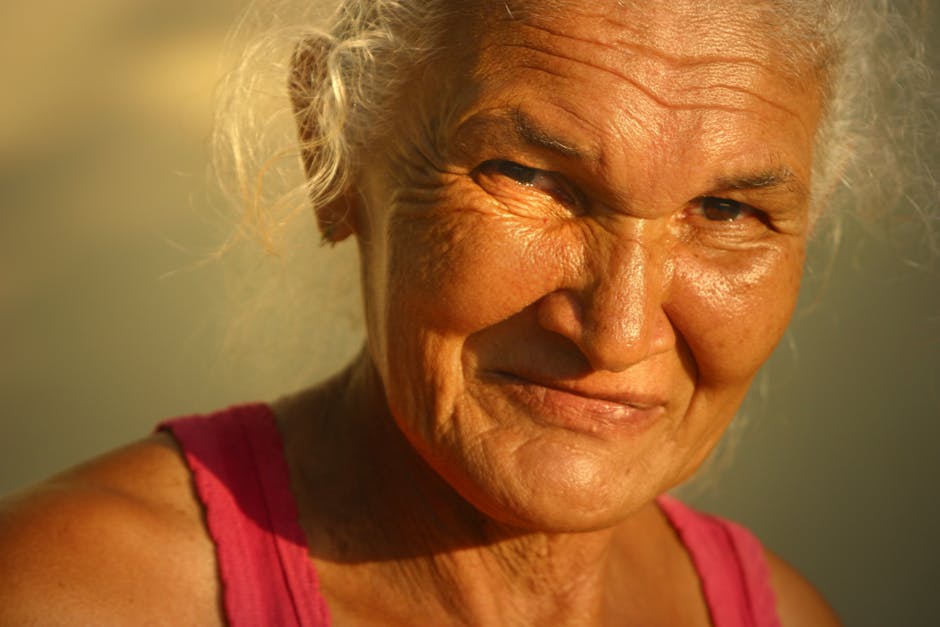
Think of skin aging as happening on two different tracks. Intrinsic aging is the natural, unavoidable process written into our DNA. As we get older, our bodies simply produce less collagen and elastin – those crucial proteins that keep our skin firm and bouncy. Our skin cells also slow down their renewal process, leading to thinner, more delicate skin over time. There’s not much we can do about this genetic timeline, but it’s typically a gradual process.
Extrinsic aging, on the other hand, is where we have more control. This is aging caused by external factors and lifestyle choices. The biggest culprit? Sun exposure, which leads to photoaging. But smoking, poor nutrition, chronic stress, and even skimping on sleep all play their part in accelerating how our skin ages.
These factors create aging signs that affect everyone, regardless of whether you’re dealing with oily skin wrinkles or dry skin concerns. Loss of elasticity makes skin sag and feel less firm. Uneven skin tone shows up as dark spots, hyperpigmentation, and areas of redness that weren’t there before. Texture changes can make skin feel rougher or cause pores to look larger. You might also notice broken capillaries – those tiny red veins that become visible, especially around your nose and cheeks.
Here’s how different skin types typically handle the aging process:
| Aging Sign | Oily Skin | Dry Skin | Combination Skin |
|---|---|---|---|
| Fine Lines | Fewer overall | More prominent, especially around eyes | Varies by area |
| Deep Wrinkles | Expression lines (frown, nasolabial) | All types | Mixed patterns |
| Texture Issues | Enlarged pores, acne scarring | Roughness, flakiness | Both depending on zone |
| Hyperpigmentation | Post-acne marks, sun spots | Age spots, uneven tone | Concentrated in oily areas |
| Elasticity Loss | Gradual, but still occurs | Earlier and more noticeable | Uneven across face |
The reality is that no skin type gets a free pass from aging. While your oily skin might keep some fine lines at bay, you’re still vulnerable to sun damage, loss of firmness, and all the other ways time shows up on our faces.
Let’s talk about the real villain in the aging story: UV damage. When we talk about premature aging, we’re usually talking about photoaging – the damage caused by years of sun exposure. This isn’t just about getting a sunburn; it’s the cumulative effect of UV rays breaking down the collagen and elastin in our skin over time.
Here’s what makes sun damage so sneaky: photoaging often looks different from natural chronological aging. While intrinsic aging gives us fine lines and gradual changes, photoaging creates deeper wrinkles, age spots, broken blood vessels, and that leathery texture we associate with sun damage.
The good news? This is largely preventable. Daily use of broad-spectrum SPF 30 or higher is absolutely non-negotiable for anyone serious about anti-aging. It doesn’t matter if you have oily skin, dry skin, or something in between – sun protection is the single most important step you can take to prevent premature aging.
If you’re looking for professional help to address existing sun damage, our Skin Rejuvenation Burlington treatments can help restore your skin’s healthy appearance and address photoaging concerns.
While oily skin might give you fewer fine lines, it comes with its own set of aging-related challenges that can impact how youthful you look. Enlarged pores are probably the most common complaint I hear from clients with oily skin. As we age, our skin loses elasticity, and those already-prominent pores can look even larger and more noticeable.
Then there’s the persistent shine that many people with oily skin struggle with throughout their lives. While some oil is protective, excessive shine can make skin look tired or unhealthy, regardless of your actual age.
Adult acne and breakouts don’t always disappear with age, and dealing with blemishes alongside aging concerns can feel particularly frustrating. Even worse, acne often leads to post-inflammatory hyperpigmentation (PIH) – those dark marks that linger long after the pimple is gone. These spots can make your complexion look uneven and aged, even when your skin is otherwise smooth.
If you’re dealing with stubborn dark marks from past breakouts, our Hyperpigmented Scar Treatment can help fade these marks and restore an even skin tone.
Uneven skin texture from acne scarring is another concern that can add years to your appearance. While your oily skin might not have as many fine lines, textural irregularities from past acne can create shadows and rough patches that affect how light reflects off your skin.
For ongoing acne concerns combined with anti-aging goals, our Acne Chemical Peel treatments can address both issues simultaneously, helping to clear current breakouts while improving skin texture and tone.
The bottom line? Every skin type has its aging advantages and challenges. The key is understanding your specific concerns and addressing them with the right combination of daily care and professional treatments.


Book your first appointment online and enjoy 15% off your first service (one-time offer).
Use code NEWCLIENT15
