Why Healthy Eyelashes Matter More Than You Think
 Eyelash care tips
are essential for maintaining strong, healthy lashes that protect your eyes and improve your natural beauty. Here's what you need to know:
Essential Eyelash Care Tips:
- Cleanse gently - Remove makeup without tugging or rubbing
- Moisturize daily - Use lash serums or natural oils like castor oil or Vitamin E
- Replace mascara every 3-6 months - Prevent bacterial buildup and eye infections
- Avoid harsh tools - Be gentle with lash curlers and avoid excessive heat
- Take breaks from extensions - Give your natural lashes time to recover
- Stay hydrated and eat well - Healthy fats and proteins support lash growth
You curl them, coat them with mascara, and maybe even improve them with extensions or lifts. But your eyelashes do more than make your eyes look beautiful. They protect your eyes from dust and debris, trigger your blink reflex when something gets too close, and may even be the perfect length to preserve your eye's tear film and prevent dryness.
The problem? Most of us damage our lashes daily without realizing it. Harsh rubbing during makeup removal, expired mascara, improperly applied extensions, and even regular aging can weaken lash follicles and cause your lashes to become brittle, sparse, or fall out prematurely.
The good news is that with proper care, you can keep your natural lashes healthy and strong while safely enjoying professional treatments like extensions and lash lifts.
As
Saloni Bhandari, founder of SA Blissful Spa, I've helped countless clients maintain beautiful, healthy lashes through proper care techniques and gentle professional treatments. Throughout this guide, I'll share the essential
eyelash care tips that keep your lashes looking their best, whether you prefer natural lashes or professional improvements.
 Eyelash care tips
terms made easy:
Understanding Your Eyelashes: The Foundation of Healthy Lashes
Our eyelashes are far more than just a frame for our eyes; they are the unsung heroes of eye protection. What are the primary functions of eyelashes? These tiny hairs act as a protective barrier, shielding our delicate eyes from dust, dirt, and other airborne particles. Think of them as tiny, sophisticated filters! They also play a crucial sensory role, triggering our blink reflex whenever an object gets too close, safeguarding our eyes from potential harm. Studies have even shown that the optimal length of our eyelashes, about one-third of the width of the eye, helps to reduce airflow around the eye, preserving the eye's tear film and preventing dry eye. This natural defense mechanism underscores why proper
eyelash care tips are so vital.
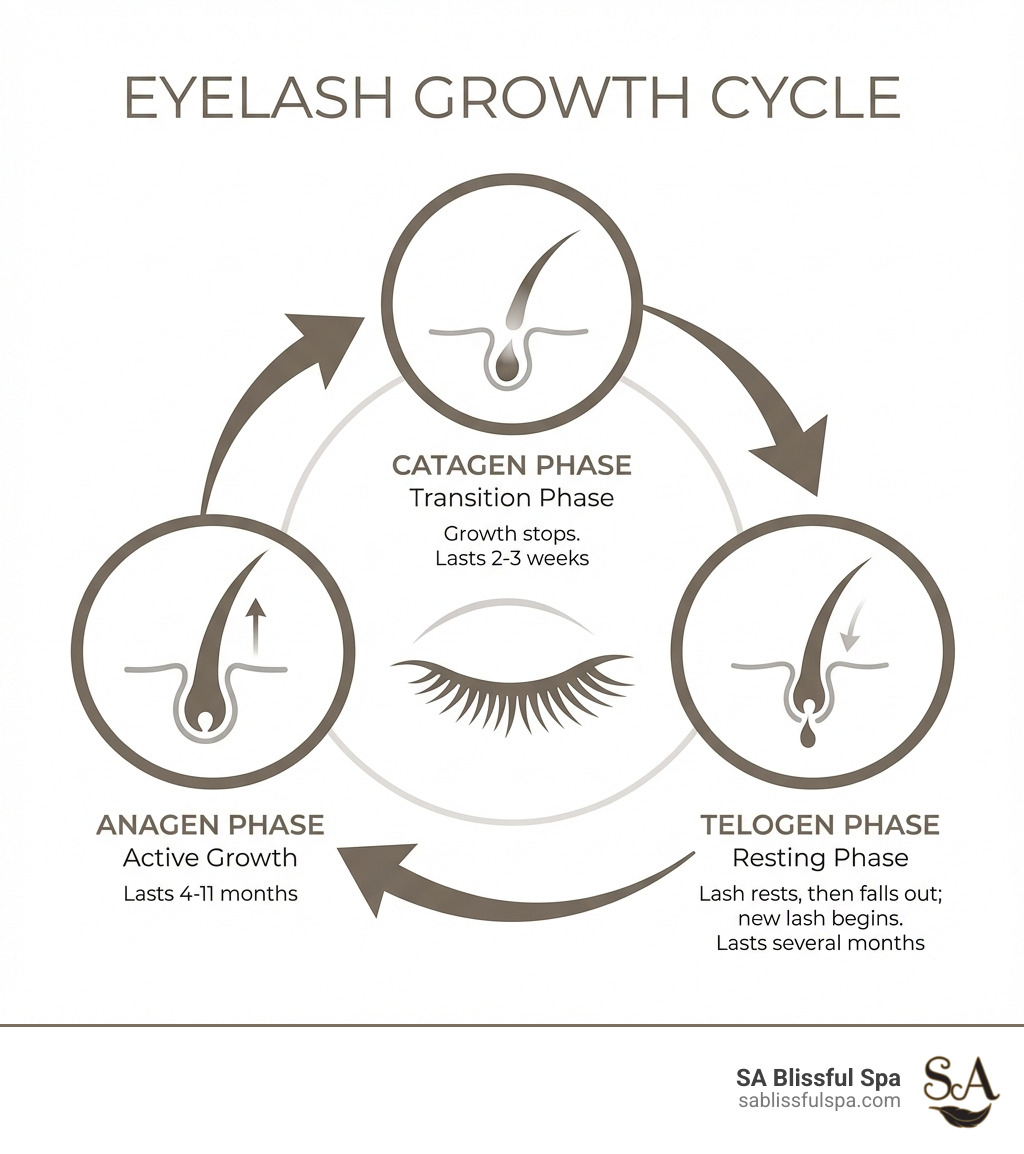
Just like the hair on our head, our eyelashes have a natural life cycle. Each lash goes through three phases: Anagen (active growth), Catagen (transition), and Telogen (resting). The entire life cycle for a human eyelash can last anywhere between 4 and 11 months. It’s normal to lose a few eyelashes every day as part of this cycle, but significant shedding or sparse-looking lashes are often signs that something is amiss. We typically have between 75 to 80 lashes on our lower lid and 90 to 160 on our upper lid, so a healthy set looks full and vibrant.
When our eyelashes aren't at their best, they might show several signs. What are the signs of unhealthy or damaged eyelashes? You might notice brittleness, where lashes break easily, or excessive shedding beyond the normal few lashes a day. Uneven length, lashes that struggle to hold a curl, or even frequent eye infections can all point to underlying issues. These signs are often linked to common causes of damage, such as harsh rubbing during makeup removal, using expired makeup products, or improper removal of false eyelashes. Understanding these basics is the first step in mastering effective
eyelash care tips. You can learn more about
the anatomy of eyelashes to further appreciate their complex structure.
What Causes Eyelash Damage?
Many of our daily habits, often unknowingly, contribute to eyelash damage. Here at SA Blissful Spa, we see clients who struggle with lash health due to various factors.
One of the most common culprits is harsh rubbing during makeup removal. How does harsh rubbing or makeup removal affect eyelashes? Aggressive scrubbing, especially with rough materials like microfiber cloths, disposable wipes, or cotton rounds (which can snag on lashes), can weaken the lash follicles and lead to breakage and premature shedding. We always recommend being as gentle as possible around the delicate eye area.
Another significant factor is the products we use. What is the impact of using expired mascara or lash products? Using mascara or other eye makeup past its expiration date isn't just ineffective; it's a breeding ground for bacteria. This can lead to eye infections, irritation, and inflammation, which in turn can cause lash loss. It’s a good rule of thumb to replace your mascara every three to six months to keep your eyes healthy. Additionally, waterproof mascara, while great for longevity, often requires more vigorous rubbing to remove, contributing to the damage cycle.
False eyelashes and their removal can also be a double-edged sword. How do false eyelashes and their removal contribute to lash damage? Improper application, such as not isolating natural lashes correctly when applying extensions, or tearing off strip lashes, can pull out your natural lashes along with the falsies. Picking or pulling at eyelash extensions is a definite no-no, as it can severely damage your natural lash follicles, potentially preventing future growth.
Even our beauty tools can be harmful if not used correctly. What role does heat from lash curlers play in damaging lashes? Using heated lash curlers can make lashes brittle and prone to breakage. Even traditional mechanical curlers, if clamped too tightly or used after mascara, can cause undue force and snap delicate lashes.
Beyond daily habits, underlying health conditions can impact lash health. Significant loss of eyebrows or lashes might indicate issues like blepharitis (inflammation of the eyelid margins), alopecia (hair loss), or thyroid conditions. Eczema, excessive stress, and certain prescription medications can also contribute to eyelash loss or poor health. If you suspect a medical condition is affecting your lashes, we always recommend consulting a medical professional.
Signs of Unhealthy or Damaged Eyelashes
Recognizing the signs of unhealthy lashes is crucial for addressing the problem early. Your eyelashes are a good indicator of overall eye health and can provide clues to your general well-being.
Here are some key indicators that your lashes might need some extra love and attention:
- Excessive Lash Fallout: While it’s normal to lose a few eyelashes daily (typically 1-5 lashes), significant or sudden loss is a red flag. Normal shedding should not cause your eyelashes to look sparse. If you're noticing bald spots or a dramatic reduction in density, it’s time to investigate.
- Brittleness and Breakage: Healthy lashes are flexible. If your lashes feel stiff, dry, or snap easily when you touch them or apply mascara, they are likely brittle. Damage can make the hair more fragile, thinner, and shorter when it does grow back.
- Sparse or Thin Appearance: If your lashes look noticeably thinner or sparser than they used to, even without excessive shedding, it could indicate weaker follicles or slowed growth.
- Uneven Length: Lashes that are significantly different in length across your lash line, or appear stunted, can suggest damage or an interrupted growth cycle.
- Inability to Hold a Curl: Weak, damaged lashes often lack the strength and resilience to hold a curl, even with a curler or volumizing mascara.
- Frequent Eye Irritation or Infections: Dirty lashes, product buildup, or underlying inflammation can lead to recurrent styes, blepharitis, or general irritation around the lash line.
Paying attention to these signs allows us to intervene with appropriate
eyelash care tips and, if necessary, seek professional advice to restore your lashes to their healthy, luscious state.
Your Daily Eyelash Care Tips for Natural Lashes
Just like the rest of our skin and hair, our eyelashes thrive on a consistent daily routine. This isn't just about looking good; it's about maintaining their protective function and overall health. The beauty of natural lash care is that it’s often simple and can be integrated seamlessly into your existing self-care rituals. Healthy lashes are nourished from within, so don't forget the importance of proper hydration and nutrition in supporting strong hair growth.

Gentle Cleansing and Makeup Removal
One of the most impactful
eyelash care tips we can offer starts with how you cleanse your eyes. How can one incorporate gentle cleansing into an eyelash care routine?
- Be Gentle, Always: The skin around your eyes is incredibly delicate, and your lashes are even more so. Avoid any harsh rubbing or tugging when removing eye makeup. Instead, soak a cotton-free pad with your chosen remover, hold it over your closed eye for a few seconds to allow the product to dissolve the makeup, then gently wipe downwards. Patting or dabbing is always preferred over rubbing.
- Choose the Right Cleanser: Opt for oil-free, gentle cleansers, especially if you wear mascara or other eye makeup. Micellar water is an excellent choice as it effectively dissolves makeup without requiring harsh rubbing. We love options that feel like water but effortlessly remove makeup.
- Avoid Cotton-Based Materials: What are the risks of using cotton-based materials for lash care? Cotton pads or swabs can leave behind tiny fibers that can get caught in your lashes, cause irritation, or even weaken adhesive if you have extensions. Consider using lint-free wipes or micro-fiber cloths designed for gentle eye makeup removal.
- Remove Mascara Before Sleep: This is non-negotiable. Sleeping in mascara can cause lashes to become stiff, brittle, and prone to breakage. It also increases the risk of eye irritation and infection. Make it a nightly ritual to gently cleanse your lashes.
For more information on gentle cleansing techniques, you can explore
our gentle facials which prioritize skin health without harshness.
Conditioning and Nourishing: Your Eyelash Care Tips
Just as you condition your hair, your eyelashes benefit immensely from conditioning and hydration. Why is conditioning and hydration important for eyelashes? Well-hydrated lashes are less prone to brittleness and breakage, appearing softer, more flexible, and healthier.
- Lash Serums and Conditioners: What are the benefits of using lash serums and conditioners? These products are formulated with ingredients like peptides, biotin, and hyaluronic acid to strengthen, moisturize, and promote healthier lash growth. Serums can help reduce brittleness and breakage, leading to the appearance of longer, thicker lashes. For example, a 6-week consumer study on a popular lash conditioner showed 96% saw reduced brittleness, 96% reported intense moisture, and 93% saw less lash breakage. Even if you have lash extensions, some serums can be applied on top to minimize potential damage to your natural lashes.
- Natural Oils and Extracts: Nature offers some fantastic allies for lash health:
- Castor Oil: What are the benefits of natural ingredients like castor oil for lash health? Castor oil is rich in fatty acids and Vitamin E, making it a powerful moisturizer. Its ricinoleic acid may also help support follicular development and reduce hair loss, leading to less breakage and a more lustrous appearance. Apply a tiny amount to the root of your lashes with a clean spoolie before bed.
- Vitamin E: As a potent antioxidant, Vitamin E can help reduce oxidative damage that contributes to hair loss. Its compounds may also help increase hair strand count and contribute to longer lashes.
- Green Tea Extract: The EGCG (epigallocatechin-3-gallate) in green tea has been shown to improve lash length and volume. You can apply cooled, brewed green tea to your lash line with a cotton swab or even place cooled tea bags over your closed eyelids.
- How to Apply: What is the purpose of using a lash spoolie? A clean lash spoolie brush is your best friend for applying serums or natural oils. It helps to evenly distribute the product from root to tip, preventing clumping and ensuring each lash gets the nourishment it needs.
For those interested in the science,
scientific research on Biotin for hair health demonstrates its efficacy in improving hair health, which extends to our lashes too.
Our makeup bags hold tools and products that can either improve or harm our lashes. Implementing smart habits is key to maintaining lash health.
- Mascara Hygiene is Paramount: What is the recommended frequency for replacing makeup products like mascara? Mascara should be replaced every three to six months. This isn't a marketing gimmick; it's a crucial eyelash care tip to prevent the buildup of bacteria that can cause eye infections. If you experience an eye infection, immediately replace any eye makeup that came into contact with your eye.
- Avoid Clumping: If your mascara clumps, try to remove the excess when the mascara is still wet, rather than letting it dry and then picking at it, which can pull out lashes.
- Proper Eyelash Curler Use: How does proper handling of mechanical curlers affect lash health? Mechanical eyelash curlers, when used incorrectly, can be a major source of damage. Always curl your lashes before applying mascara, as mascara can make lashes stiff and prone to breaking when clamped. Ensure the rubber pad on your curler is clean and intact, and replace it regularly. Never pull on your eyelids or clamp too hard. Some experts even suggest avoiding curlers altogether, preferring strong waterproof mascaras or professional lash lifts to achieve curl without the risk of breakage. Heat from lash curlers can also weaken lashes, so avoid heated versions unless absolutely necessary and used with extreme caution.
Caring for Professional Lash Improvements
Many of us love the convenience and beauty that professional lash improvements offer. Whether it's the added volume of extensions or the perfect curl of a lash lift, these treatments can transform our look. However, to ensure they last and, more importantly, don't compromise your natural lash health, dedicated aftercare is essential.
Eyelash Extension Aftercare: The Do's and Don'ts
Eyelash extensions are a fantastic way to achieve fuller, longer lashes, but their longevity and your natural lash health depend heavily on proper care.
- The Golden Rule: Avoid Water Initially: How long should one avoid water after getting eyelash extensions? It’s crucial to avoid water, steam, and excessive humidity for the first 24 to 48 hours after your application or refill appointment. This allows the adhesive to fully cure and bond properly, ensuring maximum retention.
- Daily Cleansing is a Must: What are the best practices for cleaning eyelash extensions? Contrary to popular belief, you must clean your extensions daily. Using an oil-free lash shampoo or a lash-specific cleanser with a soft brush helps remove makeup residue, natural oils, and debris that can build up and break down the adhesive. Dirty lashes are also a breeding ground for bacteria and can lead to infections. Gently wash your lashes twice a day, especially after wearing makeup.
- Brush Them Out: What is the purpose of using a lash spoolie? A clean lash spoolie brush is essential for keeping your extensions looking their best. Gently brush your lashes daily to keep them separated, fluffy, and perfectly aligned. This prevents tangling and maintains their shape.
- Avoid Oil-Based Products: Why should oil-based products be avoided with eyelash extensions? Oils, even natural ones, can dissolve the adhesive bond, causing your extensions to shed prematurely. This includes oil-based makeup removers, cleansers, mascaras, and even some skincare products. Always check labels for "oil-free."
- Mind Your Sleeping Habits: How can sleeping habits impact the longevity of eyelash extensions? Sleeping face-down or on your side can cause friction between your lashes and your pillow, leading to extensions bending, twisting, or falling out. Try to sleep on your back, or invest in a silk pillowcase, which reduces friction and is gentler on your lashes and skin.
- Regular Refills: What is the recommended schedule for eyelash extension refills? Since your natural lashes shed, your extensions will shed with them. We recommend scheduling refills every 2-3 weeks to maintain a full, beautiful look. This allows us to replace any lost lashes and keep your set looking fresh.
- Professional Removal: Never attempt to pull off your extensions yourself. This can seriously damage your natural lashes. Always seek professional removal from a certified lash technician.
We offer comprehensive
lash services at SA Blissful Spa, and our technicians in Burlington, MA, and surrounding towns are experts in both application and aftercare guidance.
Lash Lifts and Tints: Aftercare for Lasting Results
Lash lifts and tints are fantastic alternatives for those who prefer to improve their natural lashes without extensions. They create a beautiful, low-maintenance look.
- How They Work: How do eyelash lifts and tints work? A lash lift is essentially like a perm for your natural lashes, giving them an upward curl and making them appear longer and more open. A lash tint involves applying a safe, semi-permanent dye to your lashes, making them look darker, thicker, and fuller—especially striking for those with naturally blonde or red lashes.
- Duration: A lash lift can keep your lashes beautifully curled for up to eight weeks, while a tint typically lasts 3-6 weeks.
- Post-Treatment Care: The aftercare for lifts and tints is crucial for maximizing their results. For the first 24-48 hours, avoid water, steam, mascara, and any oil-based products. This allows the lift solution and tint to fully set. After this initial period, you can resume gentle cleansing and apply a lash conditioner to keep your lashes hydrated and healthy. Avoid rubbing your eyes vigorously.
If you're in Arlington, MA, Bedford, MA, or any of our nearby locations, and are considering this service, you can
find a Lash Lift Near Me through our website.
Advanced Solutions and When to See a Professional
While our daily
eyelash care tips and professional treatments can significantly improve lash health and appearance, sometimes more advanced solutions or professional intervention are needed.
- Prescription Lash Growth Medications: What are the potential side effects of prescription lash growth medications like Latisse? Medications such as Latisse (bimatoprost) are FDA-approved to promote eyelash growth. They work by extending the anagen (growth) phase of the lash cycle. While highly effective, they come with potential side effects, including eyelid skin darkening, which is usually reversible, and, less commonly, a permanent darkening of the iris (the colored part of the eye). These medications should only be used under the guidance of a medical professional.
- When to Consult a Doctor: When should one seek professional help for eyelash concerns? It's essential to consult a doctor or ophthalmologist if you experience:
- Sudden or Significant Lash Loss: If you notice a drastic increase in shedding or develop noticeable bald spots, it could indicate an underlying health issue.
- Persistent Irritation or Infection: Recurring styes, blepharitis, or unexplained redness and discomfort around your lash line warrant a medical evaluation.
- Allergic Reactions: If you suspect an allergic reaction to a lash product or treatment, seek immediate medical advice.
- Underlying Health Concerns: As mentioned earlier, conditions like thyroid disorders, alopecia, or severe eczema can affect lash health and require medical management.
For more comprehensive insights into various lash growth options, including medical treatments, you can refer to
expert advice on lash growth options.
Frequently Asked Questions about Eyelash Care
We often receive questions from clients in Winchester, MA, Woburn, MA, and all our service areas about common lash concerns. Here are some of the most frequent ones:
How long does it take for eyelashes to grow back?
The human eyelash has a life cycle that typically ranges between 4 and 11 months. If a lash falls out prematurely or is pulled out, it can take approximately two months or even more to completely grow back. This timeframe can vary based on individual genetics and overall health. If the lash follicle is significantly damaged, it might stop producing hair altogether. Patience and consistent gentle care are key during this regrowth period.
Can Vaseline or castor oil make my eyelashes grow longer?
This is a common question! While Vaseline and castor oil don't directly stimulate new lash growth or make them inherently "longer," they play a vital role in lash health. They are excellent at moisturizing and conditioning your lashes, making them appear more lush, thicker, and healthier. By preventing dryness and brittleness, they reduce breakage, which can ultimately lead to your lashes reaching their full potential length. Castor oil, in particular, contains ricinoleic acid, which some believe supports follicular health and reduces hair loss, further contributing to the appearance of fuller lashes over time. So, while they won't magically extend your lashes, they help them thrive and look their best!
Is it normal to lose eyelashes every day?
Yes, it is absolutely normal to lose a few eyelashes every day! Just like the hair on your scalp, your eyelashes have a natural growth cycle, and shedding is a normal part of this process. Most people lose between 1 to 5 eyelashes daily without even noticing. This natural shedding should not cause your eyelashes to look sparse. However, if you're experiencing significant or sudden lash loss, noticeable thinning, or bald spots, that's when it's important to investigate the cause and consider consulting a professional.
Conclusion
Maintaining healthy, beautiful lashes is an ongoing journey that combines gentle daily habits, smart product choices, and, when needed, professional care. By incorporating these essential
eyelash care tips into your routine—from gentle cleansing and consistent conditioning to smart makeup habits and diligent aftercare for professional treatments—you empower your lashes to thrive. Healthy lashes are not just about aesthetics; they're vital for your eye health.
At SA Blissful Spa, serving communities like Burlington, MA, Lexington, MA, and Concord, MA, we believe that healthy lashes are the foundation of any beautiful lash improvement, whether you prefer your natural look or choose extensions, lifts, or tints. Our expert team is dedicated to helping you achieve and maintain stunning, healthy lashes with personalized care and professional advice.
We invite you to explore our full range of
brows and lashes services to find how we can help you lash out loud with confidence and care.