Can you wax facial hair? Yes, you certainly can! Waxing is an effective method for facial hair removal that results in smooth skin for extended periods. This method not only removes hair from the root but also exfoliates the skin, providing a dual benefit of hair removal and skin care. Here’s what you can expect:
For many individuals, the struggle with facial hair is a common concern. Whether you’re dealing with pesky peach fuzz or more noticeable growth, unwanted hair can be a source of stress. Thankfully, waxing is a proven solution, offering a swift, efficient, and long-lasting method to tackle facial hair. This introduction lays the groundwork for understanding the benefits and considerations of waxing, ensuring you make informed decisions custom to your skincare needs.
I’m Saloni Bhandari, an experienced esthetician and the founder of SA Blissful Spa. I specialize in helping clients steer skincare with a focus on high-quality, customized treatments. As we dig further into this guide, I’ll share my expertise on can you wax facial hair, addressing common questions and providing insights to improve your natural beauty.
Related content about can you wax facial hair:
– disadvantages of waxing facial hair
– how long does face waxing last
– facial hair removal for women near me
Waxing facial hair offers numerous benefits that go beyond just removing unwanted hair. Let’s explore why this method is favored by many for achieving smooth skin and more:
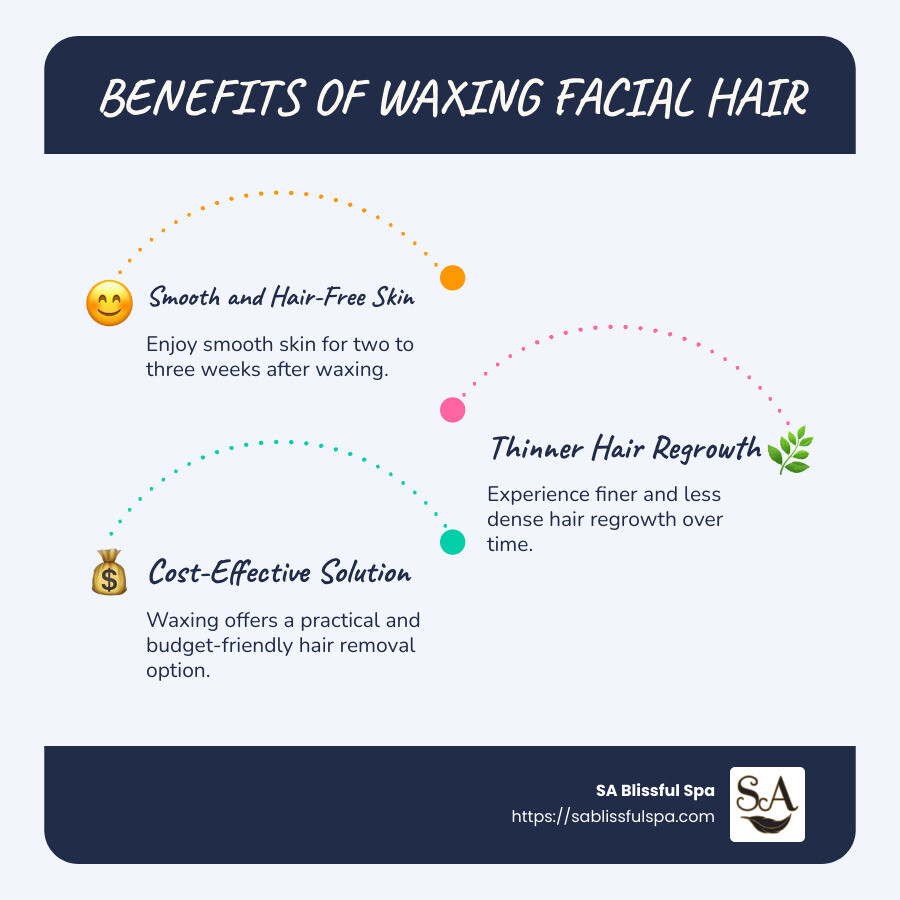
One of the most noticeable benefits of waxing is the smooth skin it leaves behind. Waxing removes hair from the root, which means your skin feels soft and hair-free for weeks. This smooth texture is not just about hair removal; it’s also about enhancing your skin’s overall appearance.
Unlike shaving, which often requires daily upkeep, waxing offers long-lasting results. Typically, you can enjoy hair-free skin for two to three weeks. This extended period without hair means less time spent on maintenance and more time enjoying your day-to-day activities without worry.
The more you wax, the less your hair grows back over time. This is because waxing weakens the hair follicle, resulting in thinner and finer hair regrowth. By your third session, you’ll likely notice a significant reduction in the amount and thickness of regrowing hair.
When considering the frequency and effectiveness of waxing compared to other hair removal methods, it becomes a cost-effective solution. While the initial cost might seem higher than shaving, the long-lasting results mean fewer appointments and products needed over time.
Waxing doesn’t just remove hair; it also acts as an exfoliant, removing dry and dead skin cells from the surface. This exfoliation leaves your skin looking refreshed and can improve the application of makeup, giving you a flawless finish.
These benefits make waxing an attractive option for those looking to manage facial hair effectively. Whether you’re new to waxing or a seasoned pro, understanding these advantages can help you make the best choice for your skincare routine. Up next, we’ll dive into whether waxing is safe for facial hair and what precautions you should take.
Waxing facial hair is a popular method for achieving smooth and hair-free skin. But before you dive into waxing, it’s important to understand the potential challenges and how to address them effectively.
Waxing facial hair can be safe, but it’s crucial to consider skin sensitivity. Facial skin is more delicate than other body areas, making it prone to irritation or redness post-waxing. People with sensitive skin might experience adverse reactions like bumps or even ingrown hairs.
To minimize these risks, using the right technique is key. Professionals recommend:
Seeking professional help is advisable, especially if you’re new to waxing. A licensed esthetician can ensure the process is done safely and with minimal discomfort. They have the expertise to tailor the wax and technique to your skin type, reducing the likelihood of side effects.
There’s a common myth that waxing facial hair can cause it to grow back thicker. However, this is not true. Hair regrowth is influenced by genetics and hormones, not the method of removal. Waxing actually removes hair from the root, which can lead to finer and sparser regrowth over time.
Repeated waxing weakens the hair follicle. So, with consistent waxing, you might notice that your hair grows back finer and less dense. This makes waxing a long-term solution for managing facial hair.
Understanding these aspects can help you decide if waxing is the right choice for your facial hair removal needs. Next, we’ll explore how to wax facial hair at home safely and effectively.
Waxing facial hair at home can be a cost-effective way to achieve smooth skin if done with care. Here’s a simple guide to help you get started with DIY waxing, including everything you’ll need and the steps to follow.
Before you begin, gather the necessary tools and products to ensure a successful waxing session:
Once you have everything ready, follow these steps to wax your facial hair effectively:
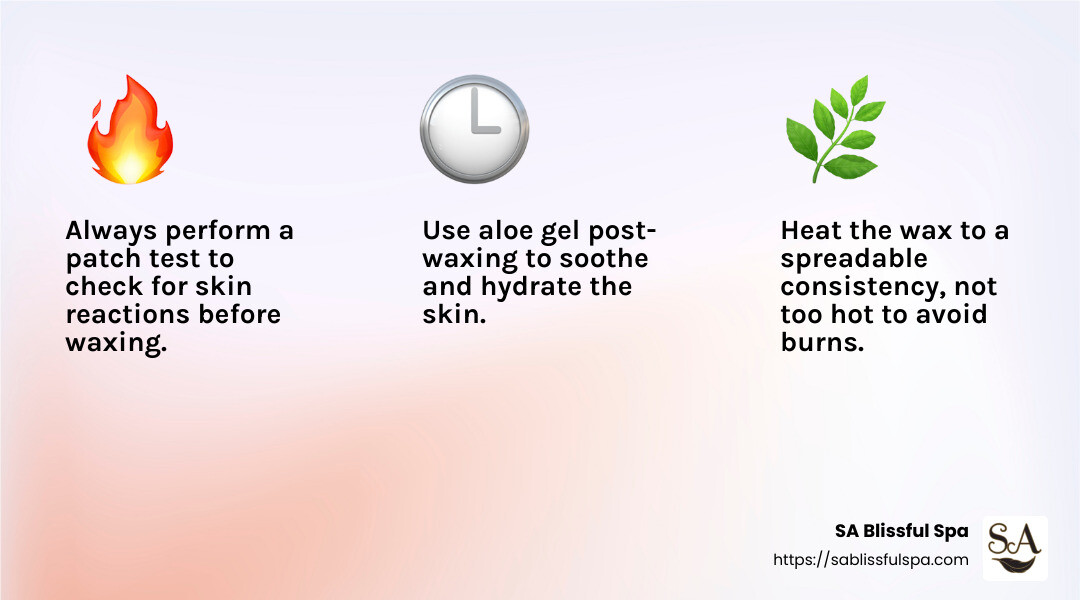
Remember: Always perform a patch test before waxing a new area to check for any adverse reactions. And if you’re ever in doubt, consider visiting a professional for guidance.
Waxing at home can be straightforward with the right tools and technique. It’s an excellent way to maintain smooth skin without frequent trips to the salon. Next, we’ll dive into the pros and cons of waxing facial hair so you can weigh your options.
When it comes to waxing facial hair, there are several advantages and drawbacks to consider. Understanding these can help you decide if this method suits your needs.
Smooth Finish
One of the biggest perks of waxing is the smooth, hair-free finish it provides. By removing hair from the root, waxing leaves your skin feeling soft and silky for weeks. This makes it a preferred choice for those seeking long-lasting smoothness.
Long-Lasting Results
Unlike shaving, which only cuts hair at the surface, waxing pulls hair from the follicle. This means it takes longer for hair to grow back, typically between 3 to 6 weeks. Over time, with consistent waxing, you may notice finer and sparser hair regrowth.
Pain
Waxing can be painful, especially for first-timers. The discomfort varies based on individual pain tolerance and the area being waxed. However, many find the pain lessens with regular waxing sessions.
Skin Irritation
Facial skin is delicate, and waxing can sometimes cause irritation, redness, or even minor swelling. This is more common in those with sensitive skin. Using soothing after-wax lotions can help alleviate these symptoms.
Ingrown Hairs
Though less common than with shaving, waxing can still lead to ingrown hairs. This happens when hair grows back into the skin, causing small bumps or irritation. Exfoliating regularly and moisturizing can help reduce the risk.
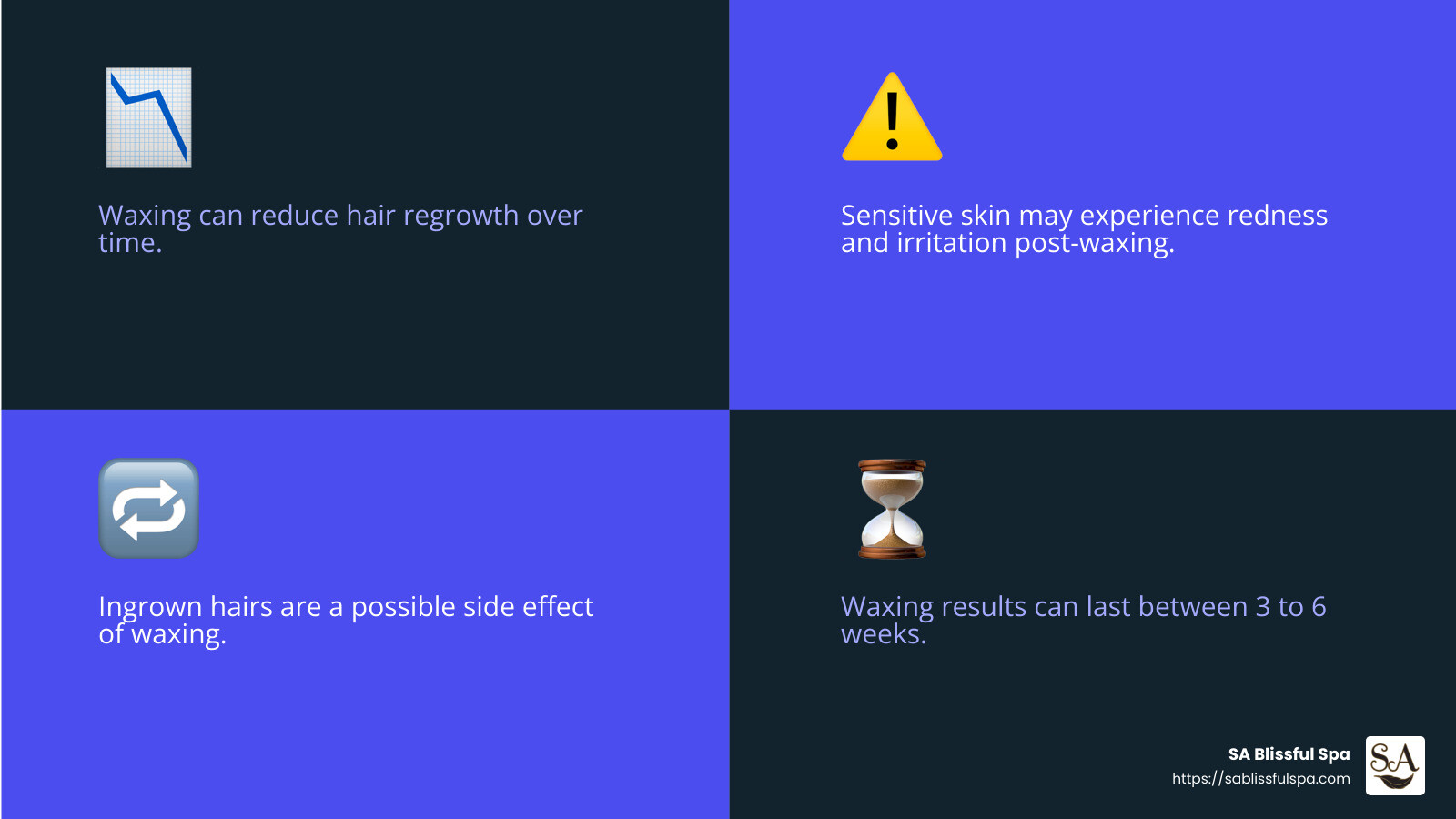
Waxing facial hair offers a range of benefits, particularly the smooth, long-lasting results many desire. However, weigh these against the potential for pain and skin irritation. For those with sensitive skin or concerns about ingrown hairs, consulting a professional can provide personalized advice and care.
When considering whether to shave or wax facial hair, it’s important to weigh the pros and cons of each method. Shaving is quick and easy, but it only cuts hair at the surface. This means hair regrows quickly, often within a day or two, and can leave a stubbly feel.
Waxing, on the other hand, removes hair from the root. This results in a smoother finish and longer-lasting results, typically between 3 to 6 weeks before regrowth occurs. Waxing also offers more precision, especially for areas like eyebrows, where shaping is key.
The effects of facial waxing can last from 3 to 6 weeks. This duration depends on individual hair growth rates, which are influenced by genetics and hormones. Regular waxing can lead to slower regrowth over time, as the hair follicles become weaker.
To maintain the smooth results, scheduling regular waxing sessions is recommended. This can also help reduce the discomfort of waxing, as hair tends to become finer and sparser with consistent treatment.
While waxing provides smooth, long-lasting results, it can also cause some side effects. Redness and irritation are common immediately after waxing, especially for those with sensitive skin. Applying a soothing gel or lotion can help alleviate these symptoms.
Ingrown hairs are another potential issue. They occur when hair grows back into the skin, causing small bumps or irritation. To minimize this risk, regular exfoliation and moisturizing are key.
In rare cases, waxing can lead to infection if the skin is broken or if proper hygiene is not followed during the waxing process. It’s important to avoid waxing over cuts, sunburns, or active breakouts to reduce the risk of infection.
Understanding these potential side effects can help you prepare and take the necessary precautions when waxing facial hair. Consulting a professional can provide additional guidance custom to your skin type and needs.
At SA Blissful Spa, we understand that waxing facial hair is a personal choice that can lead to smooth, radiant skin. Our professional waxing services are designed to offer a comfortable and effective experience, ensuring you leave with the confidence of beautifully smooth skin.
Our team of experienced specialists is dedicated to providing personalized care custom to your unique skin type and needs. We use gentle techniques and premium products to minimize irritation and maximize results, making your waxing session as relaxing as possible.
Choosing professional waxing at SA Blissful Spa means you’re investing in more than just hair removal. You’re investing in a moment of relaxation and rejuvenation. Our serene environment and skilled staff are here to help you unwind while achieving the smooth skin you desire.
For those ready to experience the benefits of professional waxing, we invite you to visit our waxing services page to learn more and book an appointment. Let us help you achieve the flawless, long-lasting results you deserve.