Why the Best Retinol Treatment for Wrinkles Matters for Your Skin
The best retinol treatment for wrinkles depends on your skin type and tolerance level:
- For Beginners/Sensitive Skin: Start with 0.1-0.3% retinol in a cream formula with soothing ingredients like niacinamide or ceramides
- For Dry/Mature Skin: Choose cream-based retinol with hyaluronic acid, squalane, or peptides (0.3-0.5%)
- For Oily/Acne-Prone Skin: Opt for lightweight serums or gel formulations (0.3-0.5%), or try adapalene
- For Experienced Users: Work up to 1% retinol or prescription-strength tretinoin
Key success factors: Start slowly (2-3 times per week), always use sunscreen during the day, and be patient—results take 3-6 months for fine lines and 6-12 months for deeper wrinkles.
Retinol is the gold standard of anti-aging skincare for a reason. This vitamin A derivative works at a cellular level to boost collagen, speed up cell turnover, and reveal smoother skin, backed by decades of clinical research.
However, not all retinol products are the same. The concentration, formulation, and supporting ingredients determine a product’s effectiveness and your skin’s tolerance. Choosing the right one can lead to noticeably smoother, firmer skin, while the wrong one can cause irritation. This guide will help you steer retinol, from the science to selecting the perfect product for your needs.
As an esthetician and founder of SA Blissful Spa in Burlington, MA, we’ve guided countless clients through their retinol journeys, helping them find the best retinol treatment for wrinkles while minimizing irritation and maximizing results. Whether you’re a complete beginner or looking to upgrade your current routine, we’ll share the professional insights you need to make retinol work for you.
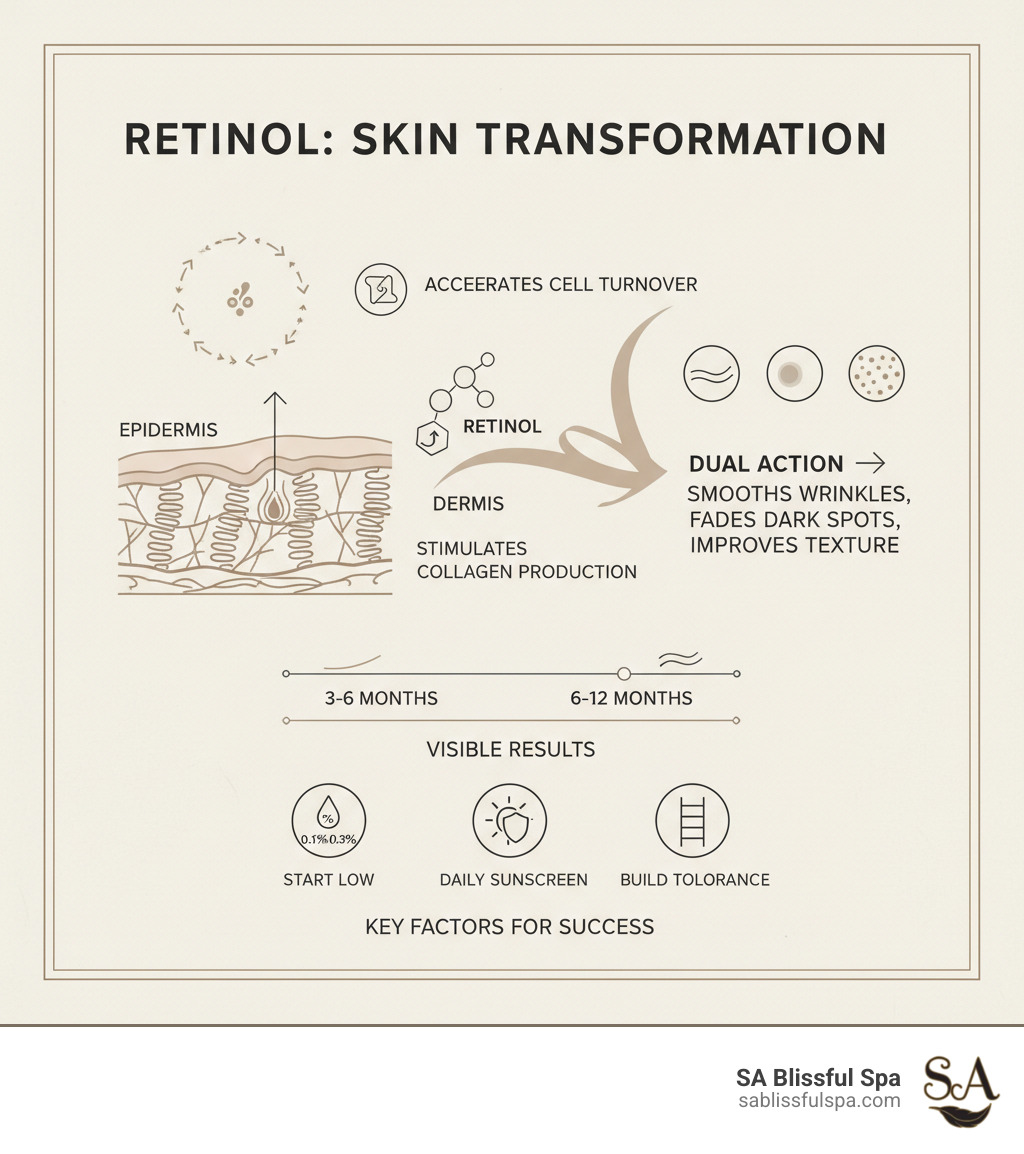
Best retinol treatment for wrinkles terms explained:
Understanding Retinol: The Science Behind Smoother Skin
If you’re seeking the best retinol treatment for wrinkles, it helps to understand what makes this vitamin A derivative the “gold standard” of anti-aging. Once applied, your skin converts retinol into its active form, retinoic acid. This powerful ingredient works in three key ways:
- Accelerates cell turnover: It encourages the shedding of old, damaged skin cells to reveal the fresh, healthy ones underneath, resulting in a smoother, more radiant complexion.
- Boosts collagen production: It stimulates the cells responsible for making collagen, the protein that keeps skin firm and bouncy. This helps fill in wrinkles from beneath the surface, as shown in research from Retinoids: Active Molecules Influencing Skin Structure.
- Acts as an antioxidant: It neutralizes damaging free radicals from sun and pollution, helping to prevent new wrinkles from forming.
The Retinoid Family: From Gentle to Prescription-Strength
“Retinoid” is a family name for various vitamin A derivatives that differ in strength. The more steps it takes for a retinoid to convert to active retinoic acid in the skin, the gentler it is. Understanding these differences is key to finding the best retinol treatment for wrinkles for you.
- Retinyl Esters: The gentlest option, ideal for very sensitive skin. They require multiple conversion steps, working slowly with minimal irritation.
- Retinol: The most common OTC retinoid. It’s effective and gentler than prescription versions, requiring two conversion steps. Results take longer but can be just as significant with consistent use.
- Retinal (Retinaldehyde): Works up to 11 times faster than retinol as it’s only one step away from the active form. A great middle ground for faster results without a prescription.
- Adapalene: A synthetic retinoid available OTC (like Differin Gel). It’s excellent for acne-prone skin due to its anti-inflammatory properties and also offers anti-aging benefits, often with less irritation than tretinoin.
- Granactive Retinoid: A newer, directly active retinoid designed for high efficacy with low irritation due to its gentle, slow-release formula.
- Tretinoin: The gold-standard prescription retinoid. It’s pure retinoic acid, highly effective and well-studied, but also has a high potential for irritation.
- Tazarotene: The most potent prescription retinoid, typically used for severe skin conditions but also effective for aging. It carries the highest risk of irritation.
| Retinoid Type |
Strength (Potency) |
Irritation Potential |
Conversion Steps to Retinoic Acid |
Availability |
| Retinyl Esters |
Mildest |
Lowest |
Multiple |
OTC |
| Retinol |
Mild |
Low to Moderate |
2 |
OTC |
| Retinal (Retinaldehyde) |
Moderate |
Moderate |
1 |
OTC |
| Adapalene |
Moderate |
Moderate |
0 (Synthetic) |
OTC/Prescription |
| Granactive Retinoid |
Moderate |
Low |
0 (Directly active) |
OTC |
| Tretinoin |
High |
High |
0 (Pure retinoic acid) |
Prescription |
| Tazarotene |
Highest |
Highest |
0 (Directly active) |
Prescription |
Stronger isn’t always better. Consistency with a product your skin tolerates is the key to success.
Beyond Wrinkles: Additional Benefits of Retinol
While renowned for fighting wrinkles, retinol is a multi-tasking ingredient. It’s highly effective for acne, as it unclogs pores and regulates oil. It fades dark spots and hyperpigmentation by accelerating the shedding of pigmented cells. While it can’t shrink pores, it makes them appear smaller by keeping them clear. The result is an improved overall texture and tone, giving skin a smoother, more radiant look. For more information about how professional treatments can complement your at-home retinol routine, explore our advanced skincare treatments.
Are There Alternatives to Retinol?
Retinol isn’t for everyone, especially during pregnancy or for those with extremely sensitive skin. Fortunately, effective alternatives exist:
- Bakuchiol: A plant-based ingredient offering similar anti-aging benefits to retinol with significantly less irritation.
- Peptides: Amino acid chains that signal your skin to produce more collagen, improving firmness.
- Vitamin C: A potent antioxidant that brightens skin, fades dark spots, and stimulates collagen. It’s best used in the morning.
- Niacinamide (Vitamin B3): A versatile ingredient that strengthens the skin barrier, calms redness, and regulates oil. It pairs beautifully with retinol.
- Professional treatments: For more dramatic results, treatments like Chemical Peels exfoliate the skin and stimulate collagen, offering a powerful alternative or complement to topical products.
The Best Retinol Treatment for Wrinkles: A Guide to Your Perfect Match
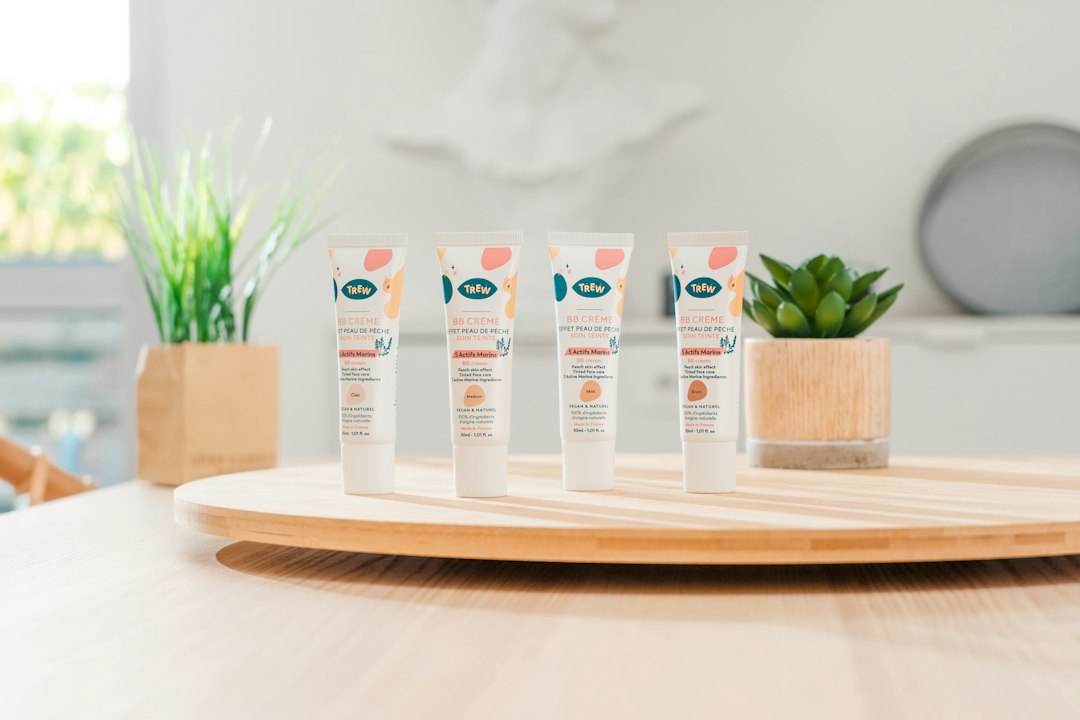
Finding the best retinol treatment for wrinkles isn’t about a single magic product, but about finding the right match for your skin type, concerns, and tolerance level.
- Skin Type: Dry skin needs hydrating creams, while oily skin benefits from lightweight serums or gels.
- Formulation: Serums are concentrated and absorb quickly, creams offer moisture, and oils provide deep nourishment.
- Supporting Ingredients: The best treatments include complementary ingredients like hyaluronic acid for hydration, niacinamide for calming, and ceramides to support the skin barrier. These additions can make the difference between an irritating and a transformative experience.
Choosing the best retinol treatment for wrinkles as a beginner
If you’re new to retinol, the key is to start low and go slow to allow your skin to adjust.
- Start with a low concentration (0.1% to 0.3%). This gentle approach minimizes irritation. Products like Cocokind Beginner Retinol Gel (average internet price range: $20 to $70) are designed for this purpose.
- Choose a cream or gel-cream formula. These textures provide a cushion of moisture to buffer the retinol.
- Look for soothing ingredients. Niacinamide, ceramides, hyaluronic acid, and squalane help calm the skin and strengthen its barrier. For example, Medik8 Crystal Retinal 3 (average internet price range: $50 to $150) combines retinaldehyde with hydrating ingredients to minimize the adjustment period.
The Ideal Retinol for Dry or Mature Skin
Dry or mature skin requires a retinol that fights wrinkles while delivering serious hydration.
- Opt for rich, cream-based formulas. These provide moisture and create a protective barrier. Murad Resurgence Retinol Youth Renewal Night Cream (average internet price range: $80 to $250) is a great example.
- Prioritize hydrating ingredients. Look for hyaluronic acid, squalane, glycerin, and peptides to plump skin and boost collagen.
- Consider encapsulated retinol. This technology releases retinol slowly, delivering powerful results with less irritation, making it ideal for dry skin. Peter Thomas Roth Retinol Fusion PM (average internet price range: $60 to $200) uses this technology.
For deeper concerns, our guide on the best cream for deep wrinkles offers more solutions.
The Right Retinol for Oily or Acne-Prone Skin
Retinol is a game-changer for oily and acne-prone skin, as it unclogs pores, regulates oil, and fights breakouts and wrinkles simultaneously.
- Choose lightweight serums or gel formulas. These absorb quickly without feeling greasy.
- Look for a “non-comedogenic” label to ensure the product won’t clog pores.
- Seek out niacinamide. This ingredient helps regulate sebum, reduce inflammation, and strengthen the skin barrier.
- Consider adapalene. Available over-the-counter (e.g., Differin Gel, average internet price range: $20 to $70), this retinoid is particularly effective for acne and is often less irritating.
For more specific guidance, see our article on anti-wrinkle cream for oily skin.
Finding the best retinol treatment for wrinkles and sensitive skin
Even sensitive skin can benefit from retinol with the right approach.
- Consider bakuchiol. This plant-based alternative offers retinol-like benefits with much less irritation.
- Start with the lowest concentration (0.01% to 0.25%). Products like Medik8 Crystal Retinal 1 (average internet price range: $40 to $120) are designed for a gentle start. Retinyl esters are another very mild option.
- Use the “sandwich technique.” Apply a layer of moisturizer, then your retinol, then another layer of moisturizer to buffer the active ingredient and reduce irritation.
- Look for calming ingredients. Formulations with aloe, green tea, or bisabolol can help soothe reactive skin. Senté Bio Complete Serum (average internet price range: $100 to $300) is known for its gentle, hydrating formula.
For more gentle anti-aging options, explore our anti-aging skin treatments page.
How to Use Retinol Safely and Effectively for Maximum Results
Even the best retinol treatment for wrinkles requires proper application to be effective. Success with retinol depends on patience and a gradual approach. Pushing your skin too hard, too fast will only lead to irritation.
Your Step-by-Step Retinol Routine
Follow this simple routine for safe and effective retinol use:
- Apply at Night: Retinol breaks down in sunlight, so use it only in your evening routine.
- Use on Dry Skin: After cleansing, wait until your skin is completely dry. Applying to damp skin can increase irritation.
- A Pea-Sized Amount is Enough: Use just a pea-sized amount for your entire face. More is not better and will only cause irritation. Avoid the delicate eye area, corners of the nose, and mouth.
- Moisturize: Follow with a hydrating moisturizer. For sensitive skin, use the “sandwich method”: moisturizer, then retinol, then more moisturizer.
- Start Slowly: Begin by applying retinol just two to three nights a week. After a few weeks without irritation, you can gradually increase the frequency. Listen to your skin; nightly use isn’t necessary for everyone to see results.
Managing the “Retinization” Period
The “retinization” period is the initial 2-6 week adjustment phase where your skin gets used to retinol. You might experience temporary dryness, redness, peeling, or even a slight increase in breakouts (purging). This is normal and means the product is working.
To manage it:
- If irritation is uncomfortable, reduce frequency. Drop back to once or twice a week.
- Boost hydration. Use a richer moisturizer.
- Simplify your routine. Pause other active ingredients like exfoliating acids.
- Be patient. If symptoms are severe or persist beyond six weeks, consult a professional. The American Academy of Dermatology offers more tips on how to manage cosmetic treatment side effects.
Ingredients to Pair and Avoid with Retinol
Pairing retinol with the right ingredients can improve results and minimize side effects.
- Pair With: Hydrating and soothing ingredients are retinol’s best friends. Look for hyaluronic acid, niacinamide, ceramides, and peptides to moisturize, calm, and support the skin barrier.
- Use with Caution: Avoid using other potent actives in the same routine initially. Use Vitamin C in the morning and retinol at night. Alternate nights for exfoliating acids like AHAs and BHAs. If you use benzoyl peroxide, apply it in the morning or on nights you don’t use retinol.
How Long Until I See Results?
Patience and consistency are crucial. Retinol is a long-term commitment, not an overnight fix.
- 4-8 Weeks: You may notice smoother texture and a brighter complexion.
- 3-6 Months: Fine lines and minor wrinkles begin to soften.
- 6-12+ Months: Deeper wrinkles, dark spots, and skin firmness show significant improvement.
According to Healthline, full results can take up to a year. Consistency is the only way to achieve these benefits.
The Importance of Packaging
The packaging of your retinol product is critical. Retinol is unstable and degrades when exposed to light and air, losing its effectiveness. To protect your investment, choose products in opaque, airless pump bottles or tubes. Avoid clear jars, which expose the formula to light and oxygen, reducing its potency with every use.
Frequently Asked Questions about Retinol
We hear many questions from clients at SA Blissful Spa who are eager to start their retinol journey. Here are the most common ones.
What percentage of retinol should I start with?
The right starting percentage for the best retinol treatment for wrinkles depends on your skin’s experience with retinol.
- Beginners/Sensitive Skin: Start low with 0.1% to 0.3% to allow your skin to acclimate without irritation.
- Normal Skin: You can often start at 0.3% to 0.5%.
- Experienced Users: If your skin is well-tolerated, you can work up to 0.5% to 1.0% or consider prescription options.
Consistency is more important than strength. A lower percentage used regularly is more effective than a high percentage used sporadically due to irritation.
Is retinol better in a serum or a cream?
Both are effective; the best choice depends on your skin type.
- Serums: These are lightweight and absorb quickly, making them ideal for normal to oily skin types. They deliver a concentrated dose of retinol without a heavy feel.
- Creams: These are richer and more hydrating, perfect for dry, mature, or sensitive skin. The creamy base helps buffer the retinol and prevent dryness.
The best retinol treatment is the one you’ll use consistently, so choose the texture you prefer.
Can I use retinol around my eyes?
Yes, but with care. The skin around the eyes is thin and delicate, making it prone to irritation.
- Use a dedicated eye cream with retinol. These are formulated with lower, safer concentrations and extra hydrating ingredients for this sensitive area.
- Apply a tiny amount. Use a rice-grain-sized amount for both eyes, gently patting it around the orbital bone (the bone around your eye socket). Avoid your eyelids and lash line.
- Start slowly, applying it only a few nights per week to build tolerance.
For professional-level results, our facial treatments for wrinkles can complement your at-home routine.
Lift Your Anti-Aging Journey
You now have the tools to find the best retinol treatment for wrinkles for your skin. Remember these key takeaways:
- Retinol is a research-backed powerhouse for boosting collagen and accelerating cell turnover.
- Start low and go slow to allow your skin to adjust and avoid irritation.
- Consistency is crucial. Meaningful results take 3-12 months of regular use.
- Daily sunscreen (SPF 30+) is non-negotiable to protect your newly sensitive skin.
- Choose products in opaque, airless packaging to maintain potency.
While at-home products are effective, professional guidance can lift your results. For personalized advice and treatments in the Burlington, MA area, the experts at SA Blissful Spa are here to create a custom skincare plan for you.
Explore our advanced anti-aging facials to see how professional care can improve your journey to radiant, youthful-looking skin.